MSI Gaming GF75 10SC-011XES Thin RAM upgrade specifications

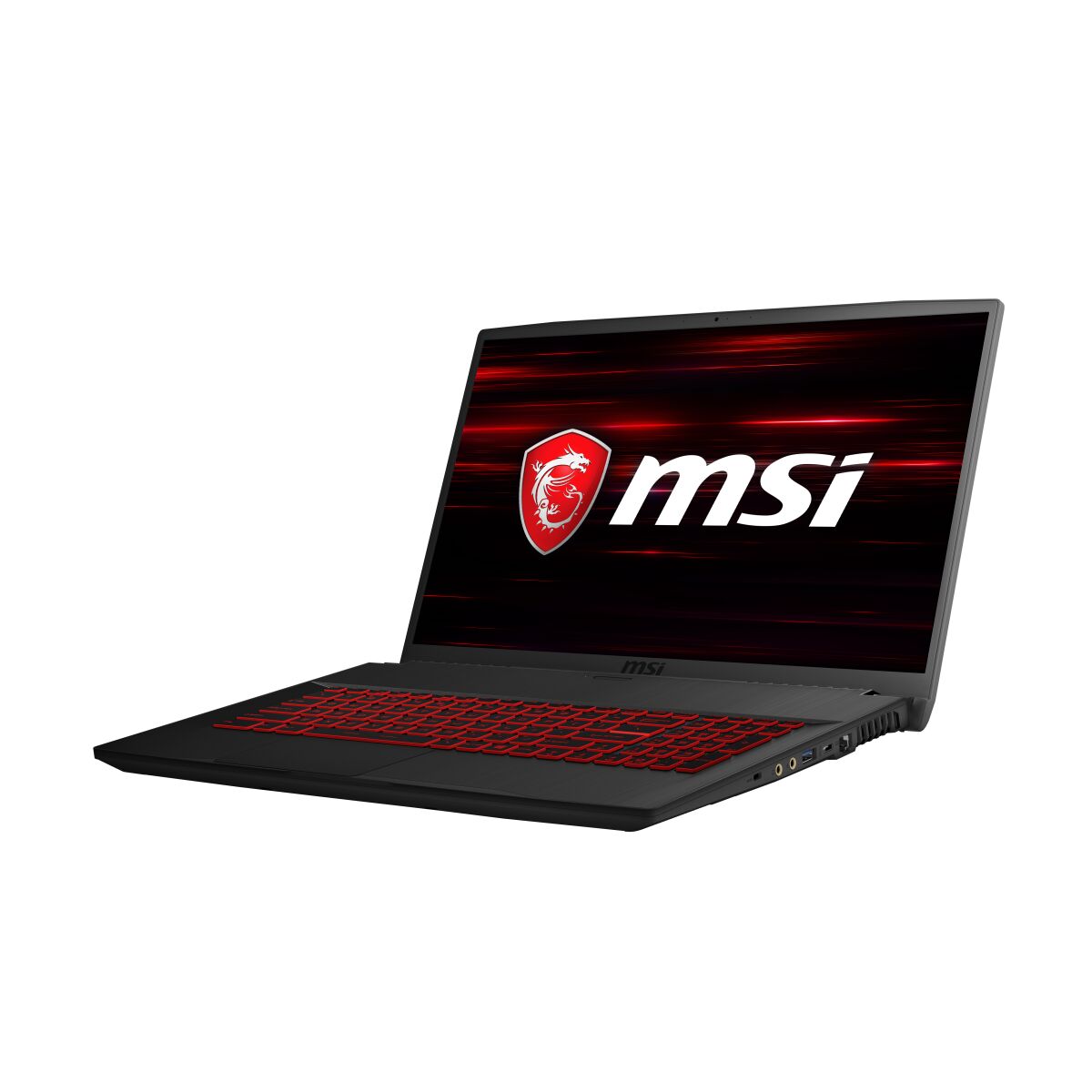

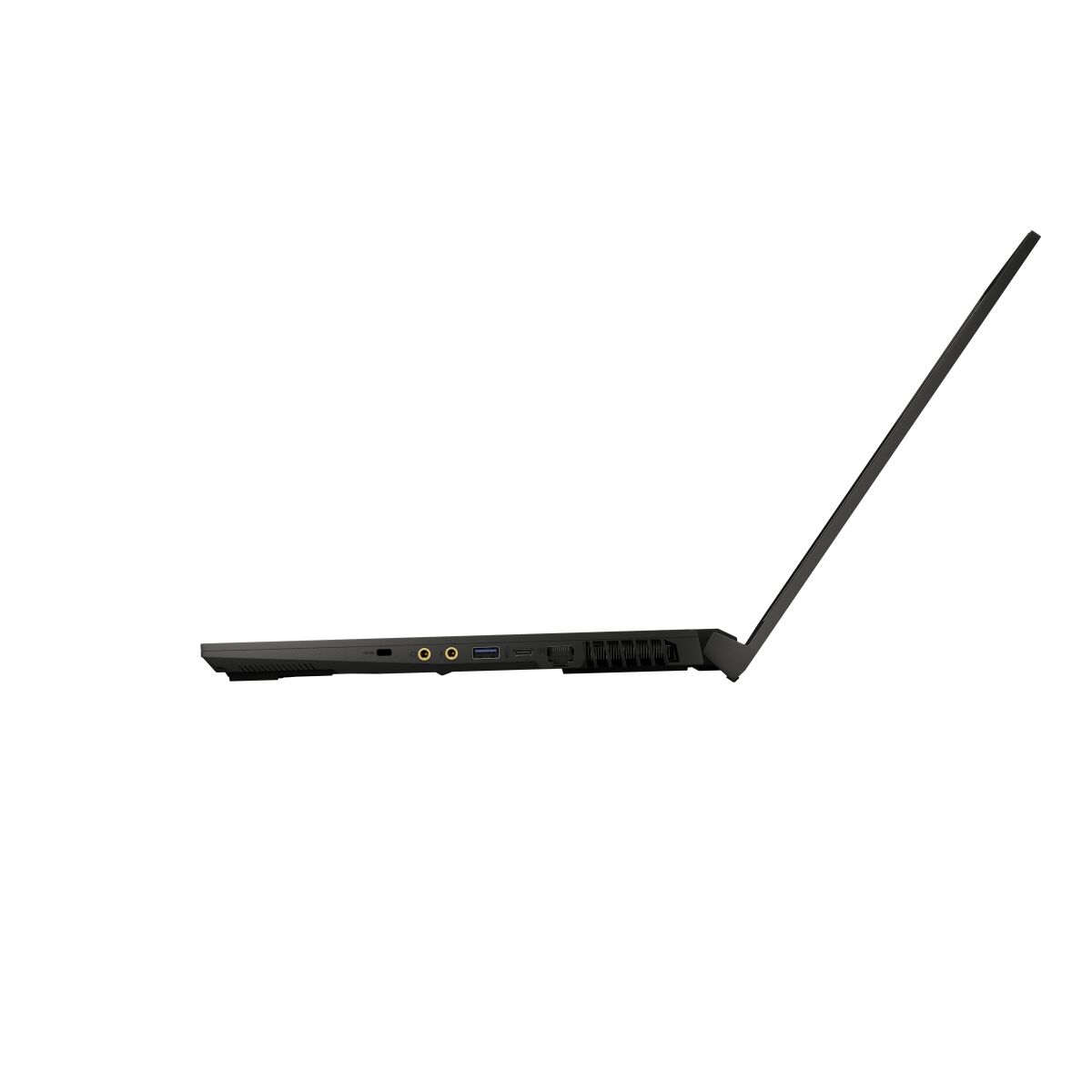

The MSI GF75 10SC-011XES Thin gaming laptop features DDR4-SDRAM memory upgrade specifications with dual SO-DIMM slots supporting maximum RAM capacity of 64 GB. Compatible memory modules operate at 2666 MHz frequency. The GF series gaming model accommodates SO-DIMM form factor memory upgrades, enabling users to expand system memory for enhanced multitasking and performance capabilities. Stock and aftermarket memory upgrades are compatible with the specified slots, allowing flexible configuration options within the maximum capacity constraint.
Memory Upgrade Specifications
| Specification | Value |
|---|---|
| Memory slots | 2x SO-DIMM |
| Form factor | SO-DIMM |
| Memory type | DDR4-SDRAM |
| Frequency | 2666 MHz |
| Maximum RAM | 64 GB |
| Voltage | 1.2V |
| Number of pins | 260-pin |
| Interface | PC4 |
| PC Speed Rating | PC4-2666 (PC4-21328) |
| Bandwidth | 21.3 GB/s |
| Laptop Release date | 16 January 2021 |
Additional Notes
- The MSI GF75 10SC-011XES Thin supports a total capacity of 64 GB across both slots, requiring 32 GB modules to achieve this maximum configuration.
- DDR4-2666 operates at a lower bandwidth than DDR4-3200, which may result in minor performance differences in memory-intensive gaming scenarios or content creation tasks.
- The 2666 MHz frequency is locked by the chipset and cannot be increased through overclocking on this platform, unlike desktop systems with unlocked memory controllers.
- SO-DIMM modules are laptop-specific and physically incompatible with standard desktop DIMM memory, requiring careful selection during purchase.
- Both memory slots are typically accessible through a bottom panel, though MSI gaming laptops occasionally place one module beneath the keyboard assembly, complicating replacement procedures.
- Mixing modules with different speeds will force all installed memory to operate at the lowest common frequency, potentially downgrading performance if pairing with slower components.
- Dual-channel configuration requires matched pairs in both slots for optimal bandwidth utilization, particularly beneficial for the integrated graphics subsystem that shares system memory.
- Non-ECC unbuffered modules are required, as this consumer platform does not support server-grade error-correcting memory architectures.
- Operating voltage is standardized at 1.2V for DDR4, ensuring compatibility across manufacturers while reducing concerns about voltage mismatches that plagued earlier DDR3 transitions.
- Upgrading beyond the factory configuration typically maintains warranty coverage, provided no physical damage occurs during installation and manufacturer-approved specifications are followed.