MSI Gaming GF75 10SCXR-215FR Thin RAM upgrade specifications
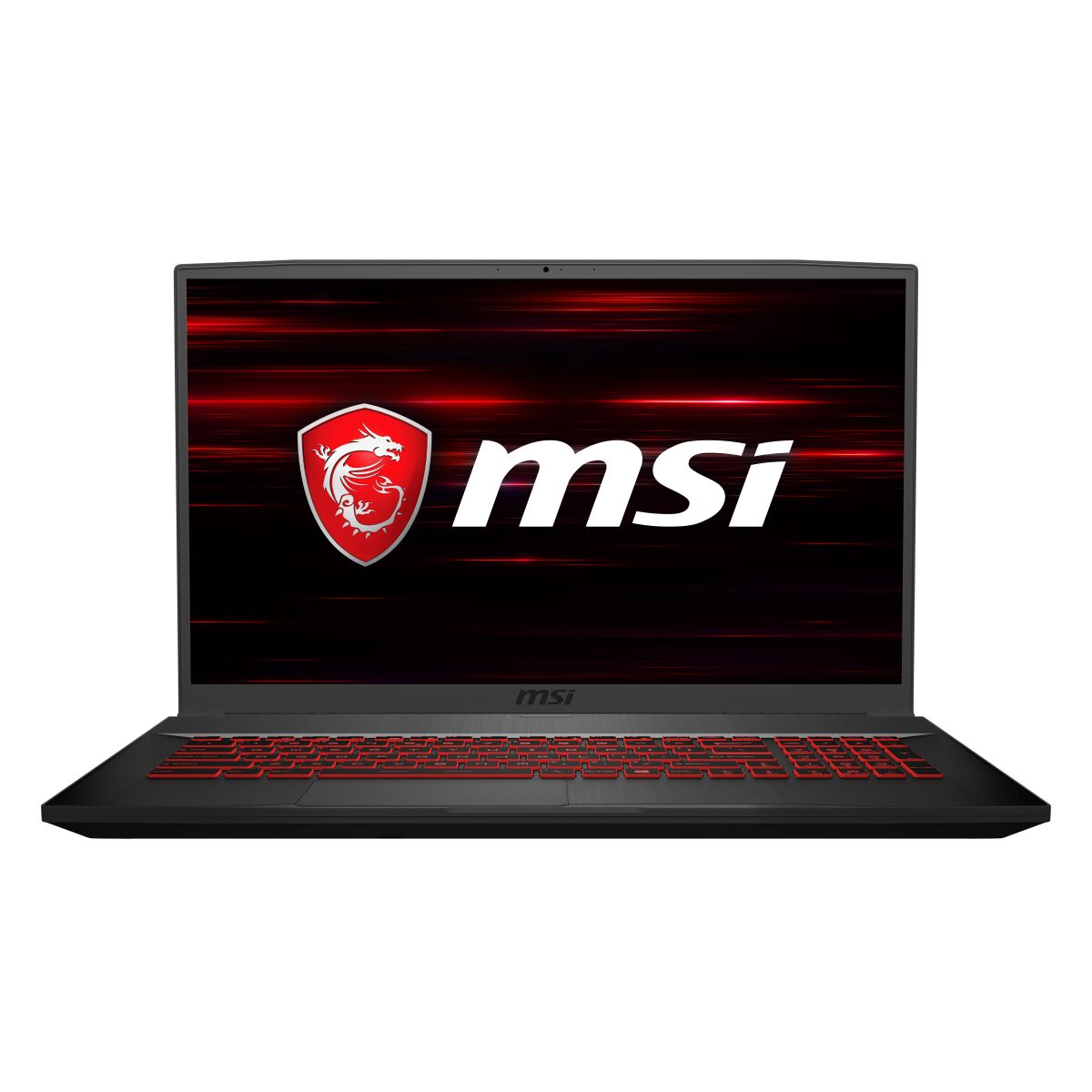
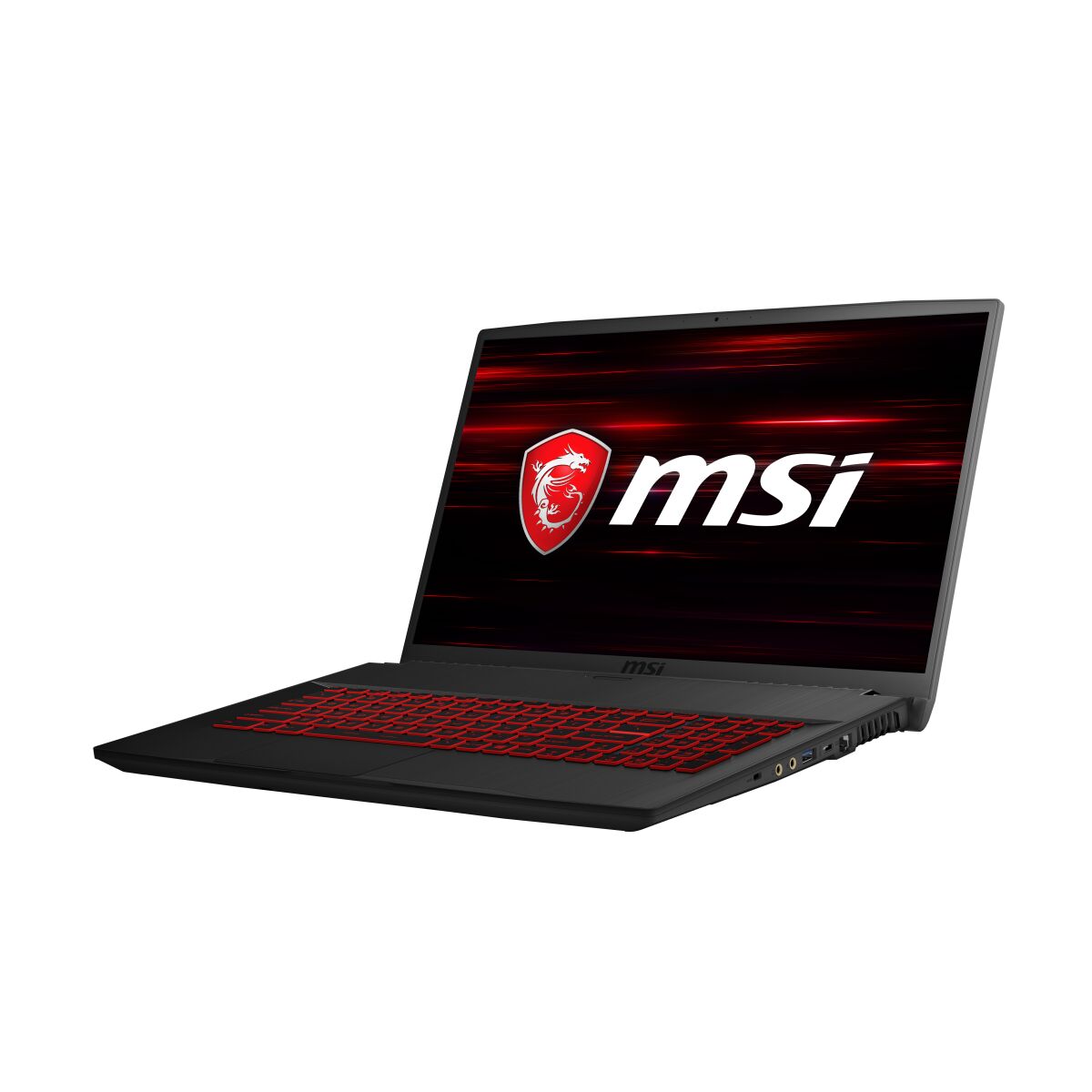

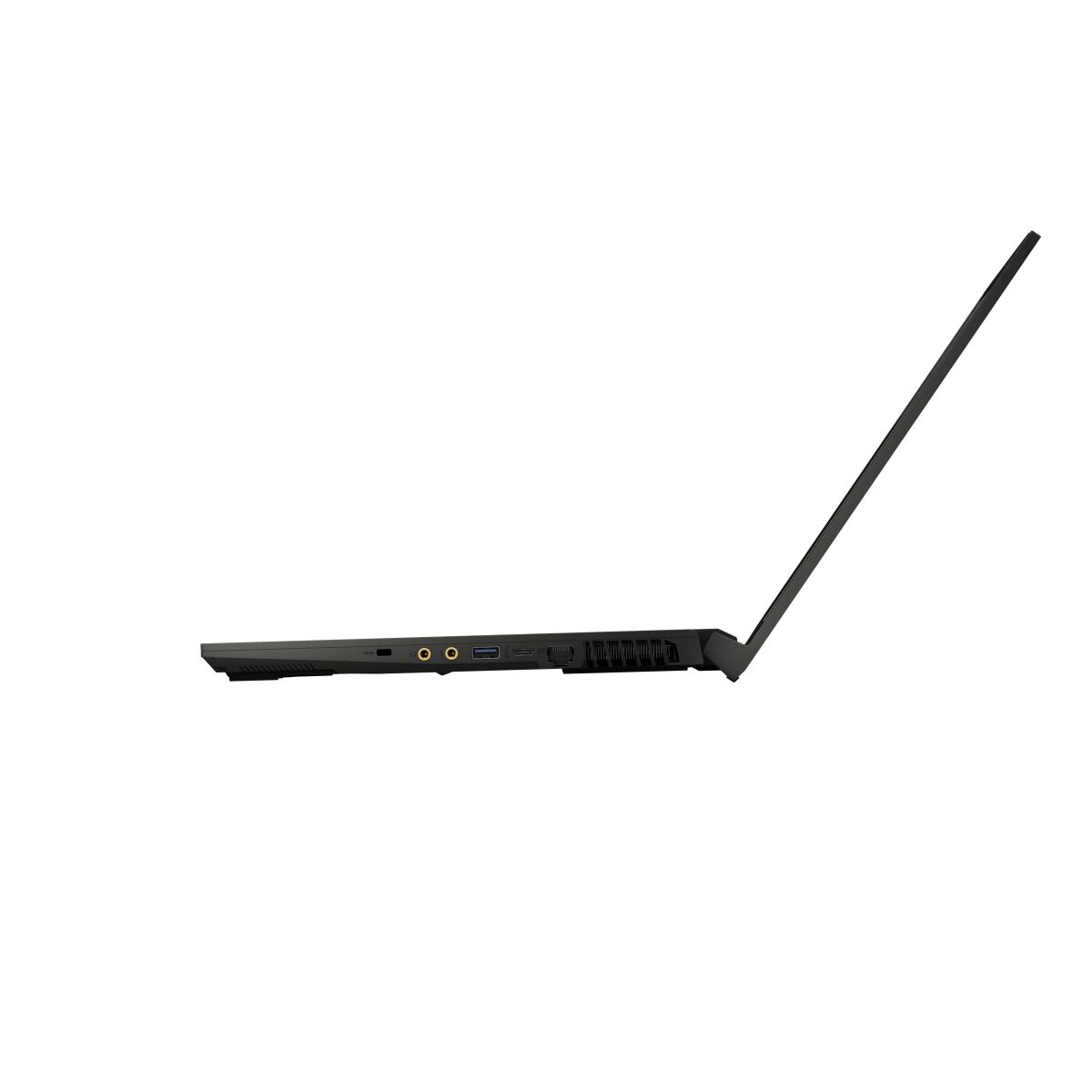

The MSI GF75 10SCXR-215FR Thin gaming laptop features DDR4-SDRAM memory upgrade specifications. The device includes 2x SO-DIMM slots supporting maximum RAM capacity of 64 GB total. Compatible memory modules operate at 2666 MHz frequency with SO-DIMM form factor. Specifications enable memory upgrades to enhance system performance on the GF series gaming model.
Memory Upgrade Specifications
| Specification | Value |
|---|---|
| Memory slots | 2x SO-DIMM |
| Form factor | SO-DIMM |
| Memory type | DDR4-SDRAM |
| Frequency | 2666 MHz |
| Maximum RAM | 64 GB |
| Voltage | 1.2V |
| Number of pins | 260-pin |
| Interface | PC4 |
| PC Speed Rating | PC4-2666 (PC4-21328) |
| Bandwidth | 21.3 GB/s |
| Laptop Release date | 29 October 2020 |
Additional Notes
- The MSI GF75 10SCXR-215FR Thin supports dual-channel memory configuration through its paired SO-DIMM slots, enabling doubled bandwidth when populated with matching modules.
- The 64 GB ceiling requires 32 GB modules per slot, which represents a higher cost per gigabyte compared to standard 8 GB or 16 GB density configurations.
- The 2666 MHz specification corresponds to DDR4-2666 or PC4-21300 modules, where mixing different speed ratings will result in all modules downclocking to the slowest installed frequency.
- SO-DIMM modules measure 67.6 mm in length compared to standard desktop DIMM at 133.35 mm, making desktop memory physically incompatible despite identical electrical specifications.
- Accessing the memory slots typically requires bottom panel removal, which may void warranty seals depending on regional consumer protection laws and manufacturer policies.
- Single-channel operation occurs when only one slot is populated, cutting memory bandwidth in half and potentially reducing integrated graphics performance in systems with shared video memory.
- Operating voltage for DDR4-2666 SO-DIMM modules standardizes at 1.2V, where higher-voltage modules designed for overclocking may cause system instability or boot failures.
- The 10th generation Intel platform in this chassis supports higher JEDEC frequencies, but the board firmware limits effective operation to the stated 2666 MHz ceiling regardless of installed module capabilities.
- Memory rank configuration affects capacity scaling, where dual-rank modules provide better interleaving performance than single-rank alternatives at equivalent total capacities.
- Thermal constraints within thin gaming chassis designs may throttle sustained memory-intensive workloads, as SO-DIMM modules lack the surface area for heatspreader attachments common in desktop configurations.