MSI Gaming GF75 10UEK-003CA Thin RAM upgrade specifications

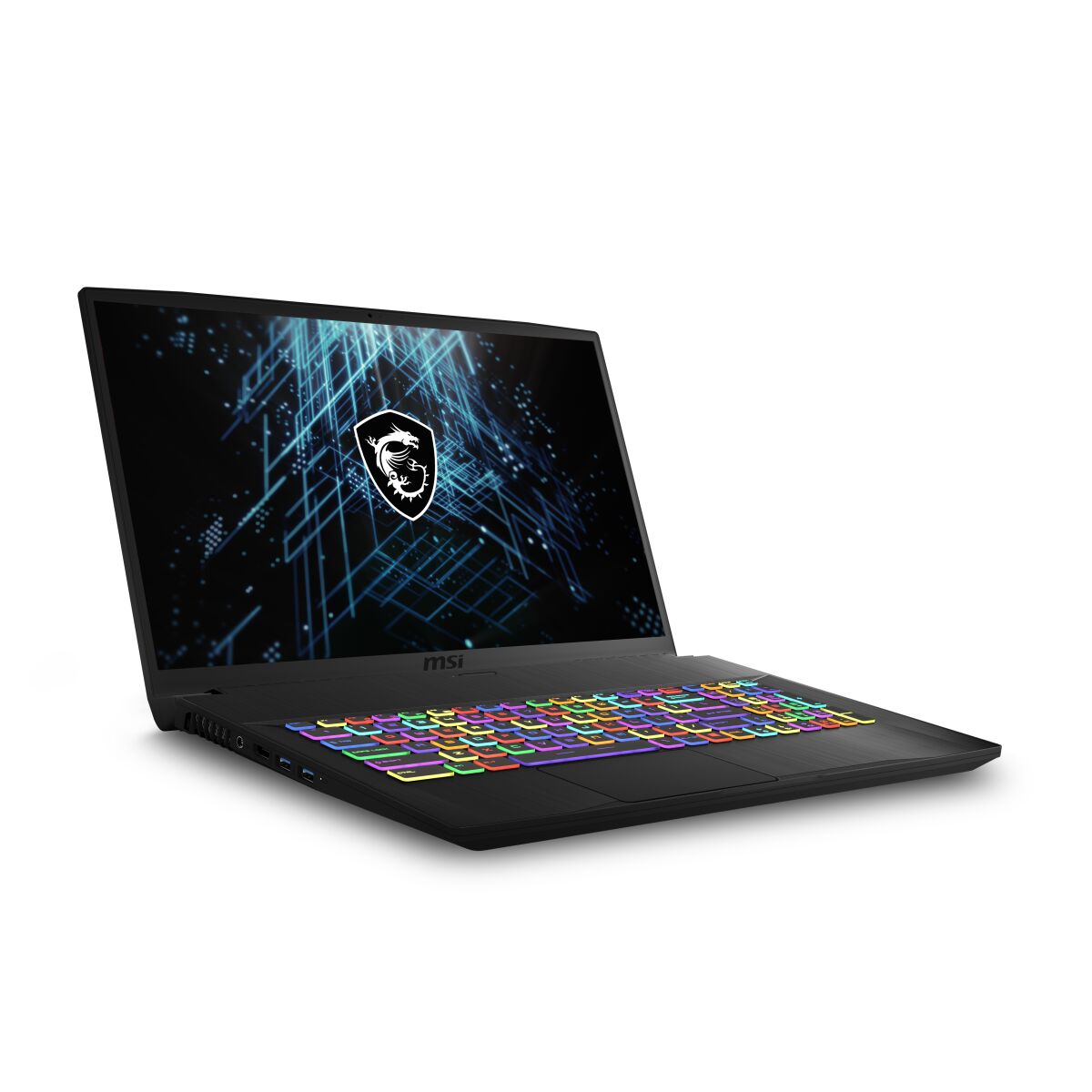



The MSI GF75 10UEK-003CA Thin gaming laptop features DDR4-SDRAM memory upgrade specifications with two SO-DIMM slots supporting maximum capacity of 64 GB total RAM. Compatible memory modules operate at 3200 MHz frequency. The GF series gaming model accommodates SO-DIMM form factor memory upgrades, enabling users to expand system memory for enhanced performance. Specifications indicate upgrade potential from factory configuration to maximum supported capacity across both available memory slots in the GF75 Thin family.
Memory Upgrade Specifications
| Specification | Value |
|---|---|
| Memory slots | 2x SO-DIMM |
| Form factor | SO-DIMM |
| Memory type | DDR4-SDRAM |
| Frequency | 3200 MHz |
| Maximum RAM | 64 GB |
| Voltage | 1.2V |
| Number of pins | 260-pin |
| Interface | PC4 |
| PC Speed Rating | PC4-3200 (PC4-25600) |
| Bandwidth | 25.6 GB/s |
| Laptop Release date | 30 January 2021 |
Additional Notes
- The MSI GF75 10UEK-003CA Thin employs a 2-slot SO-DIMM configuration, meaning both memory slots must be populated to achieve dual-channel operation. Leaving a single slot populated reduces effective bandwidth by approximately 50% compared to symmetric configurations.
- DDR4-3200 specification indicates compatibility only with JEDEC standard DDR4 modules rated at 3200 MHz or lower. Higher-frequency aftermarket modules may fail to initialize or require manual BIOS adjustment, which voids certain manufacturer protections on memory-related hardware faults.
- The 64 GB maximum capacity ceiling represents a hard architectural limit imposed by the processor and chipset generation. Modules exceeding this aggregate threshold will not be recognized by the UEFI firmware regardless of individual module specifications.
- SO-DIMM form factor necessitates modules measuring approximately 67 mm in length, substantially shorter than desktop DIMM counterparts. Standard desktop DDR4 modules are physically incompatible and cannot be mechanically inserted into the available slots.
- Symmetric pairing of SO-DIMM slots is mandatory for optimal performance. Installing mismatched capacities or speeds (for example, 8 GB paired with 16 GB, or mixed frequency modules) results in the system defaulting to the lowest common specification across both channels, negating performance gains from higher-capacity or higher-frequency purchases.
- The single-channel memory path created by populating only 1 of 2 slots generates latency penalties during concurrent read/write operations, degrading frame rates in graphics-intensive workloads by 15 to 25% relative to dual-channel configurations under equivalent load conditions.