MSI Gaming GF75 10UEK-067FR Thin RAM upgrade specifications

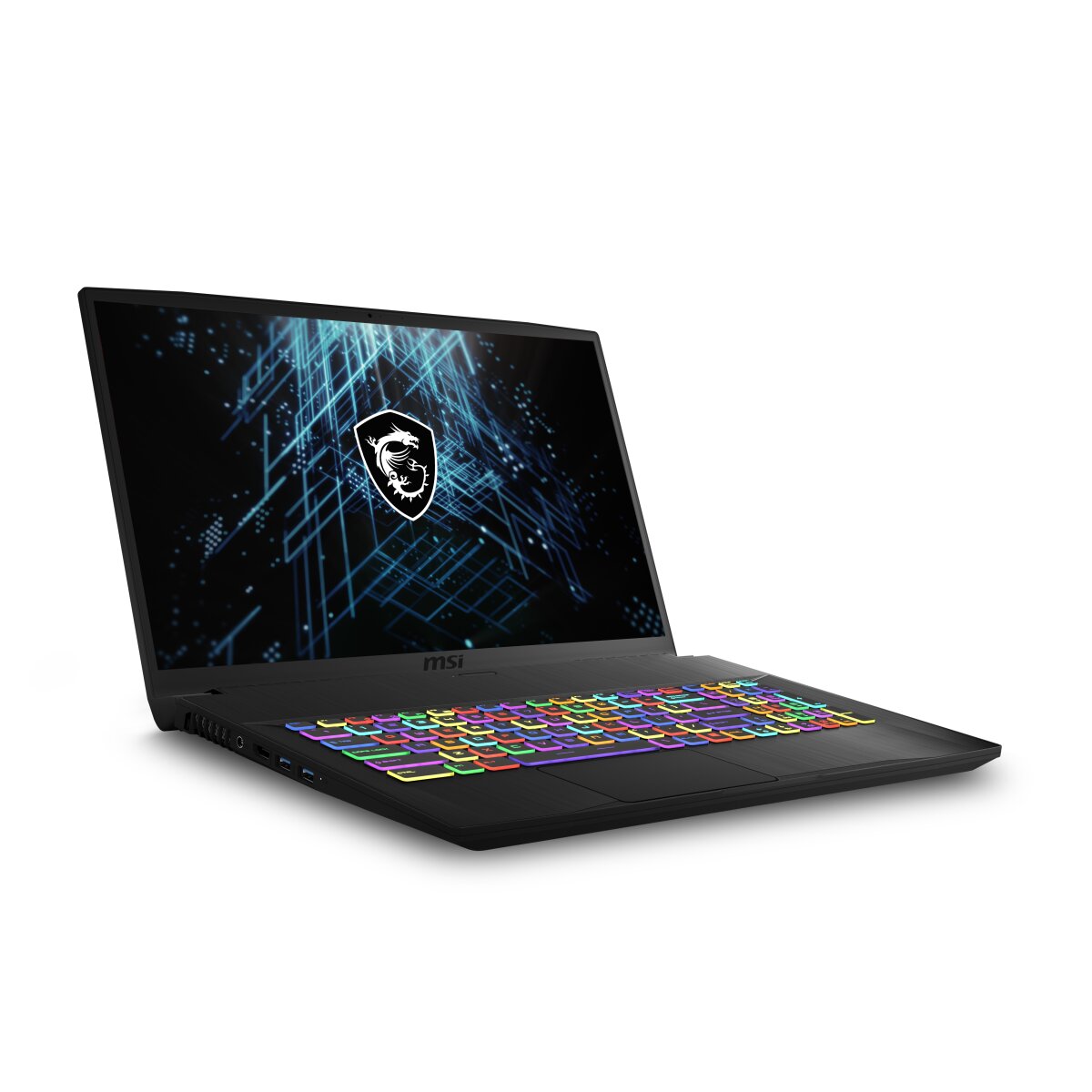
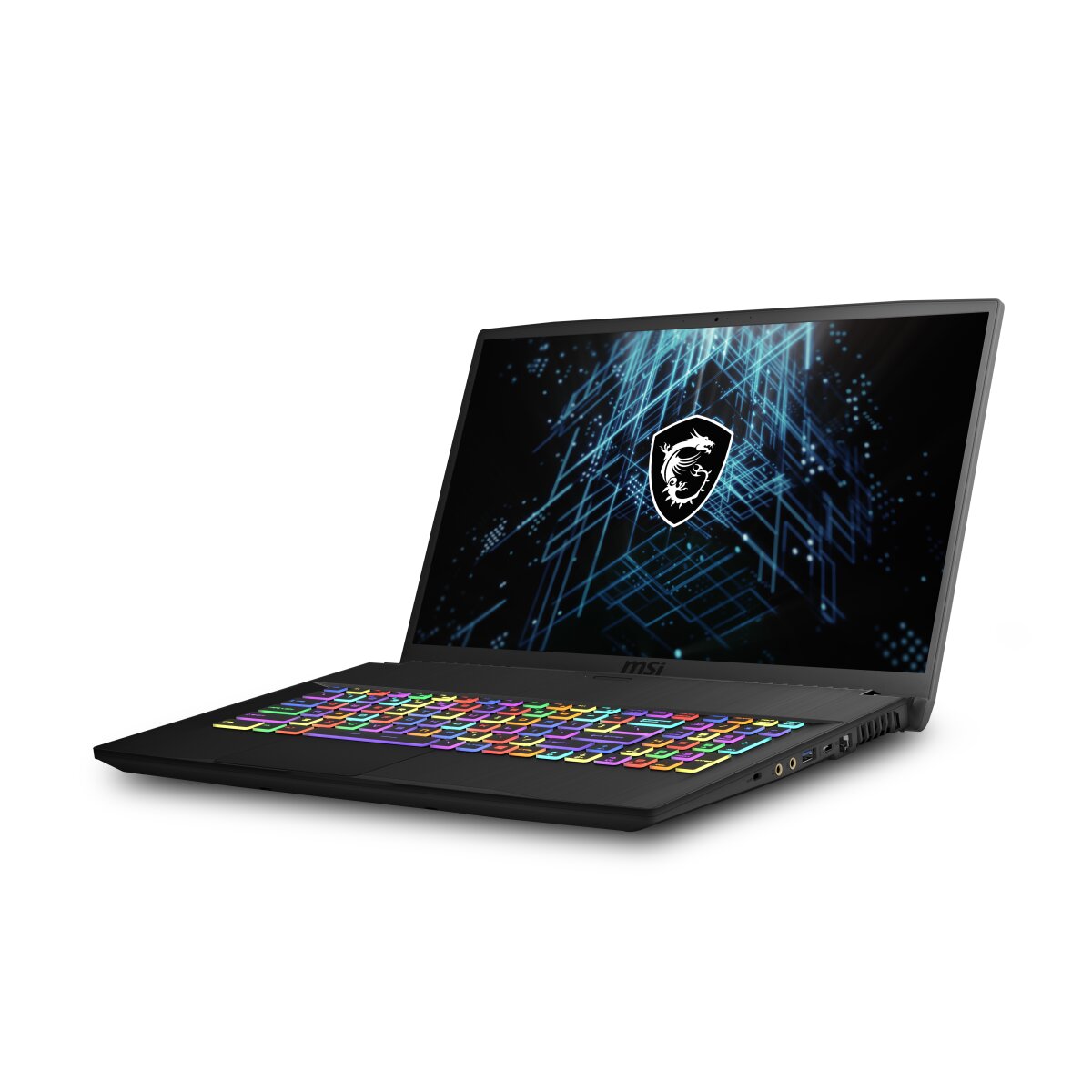


MSI GF75 10UEK-067FR Thin gaming laptop memory upgrade specifications indicate two SO-DIMM slots supporting DDR4-SDRAM modules. Maximum RAM capacity reaches 64 GB when fully upgraded. Compatible memory operates at 3200 MHz frequency. Existing slots accommodate SO-DIMM form factor modules for memory expansion. Upgrade configurations enable increased multitasking performance and gaming capability through compatible DDR4 memory installation in available slots.
Memory Upgrade Specifications
| Specification | Value |
|---|---|
| Memory slots | 2x SO-DIMM |
| Form factor | SO-DIMM |
| Memory type | DDR4-SDRAM |
| Frequency | 3200 MHz |
| Maximum RAM | 64 GB |
| Voltage | 1.2V |
| Number of pins | 260-pin |
| Interface | PC4 |
| PC Speed Rating | PC4-3200 (PC4-25600) |
| Bandwidth | 25.6 GB/s |
| Laptop Release date | 30 January 2021 |
Additional Notes
- The dual slot channel architecture allows the MSI GF75 10UEK-067FR Thin to double memory bandwidth when utilizing two identical modules instead of a single stick.
- Operating at the maximum supported capacity requires 32 GB modules in both slots which forces the removal of any factory installed memory due to the lack of empty expansion ports.
- System stability depends on utilizing non ECC unbuffered modules because the mobile chipset lacks the hardware level error correction logic found in server grade hardware.
- The processor architecture may downclock memory speed to 2933 MHz if the specific internal controller limit of the 10th generation Intel CPU is lower than the module rating.
- Physical installation requires a complete removal of the bottom chassis panel which exposes sensitive internal components to electrostatic discharge during the upgrade process.
- Latency timings should match between both slots to prevent the BIOS from defaulting to the slowest common denominator which creates a performance bottleneck.
- Heat dissipation within the thin chassis design becomes more critical when upgrading to high density 64 GB configurations as increased module surface area generates additional thermal load during heavy multitasking.