MSI Gaming GF75 10UEK-054 Thin RAM upgrade specifications
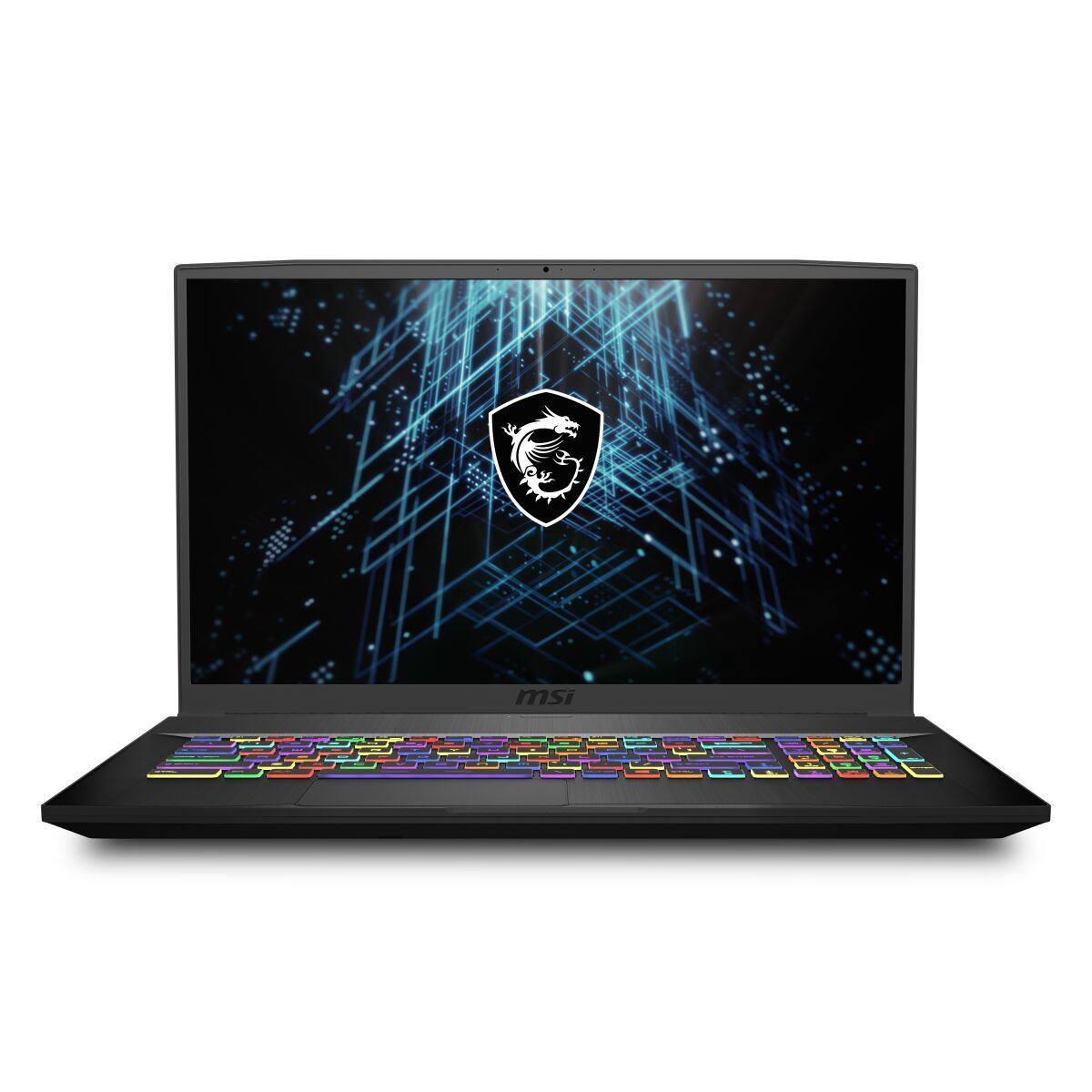
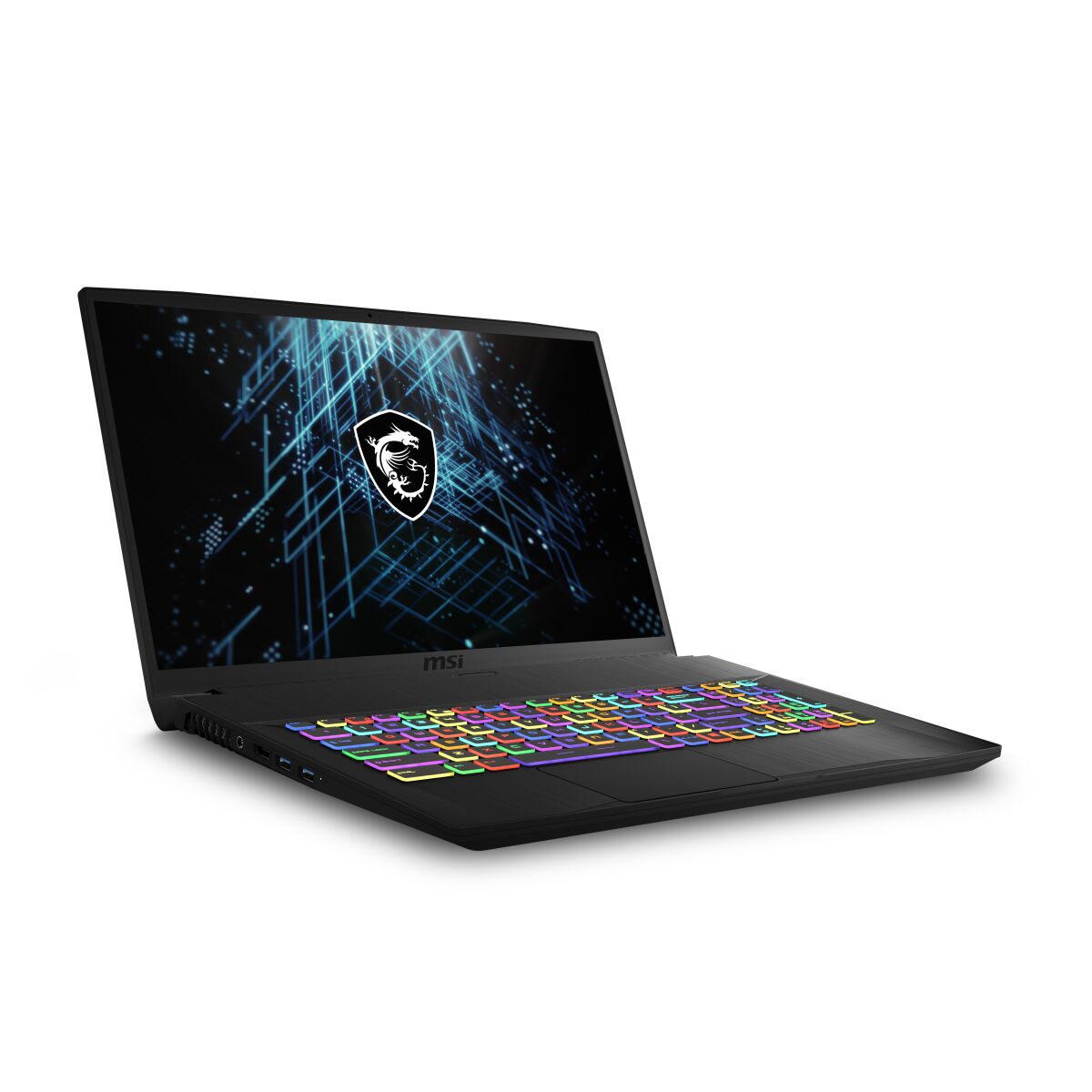
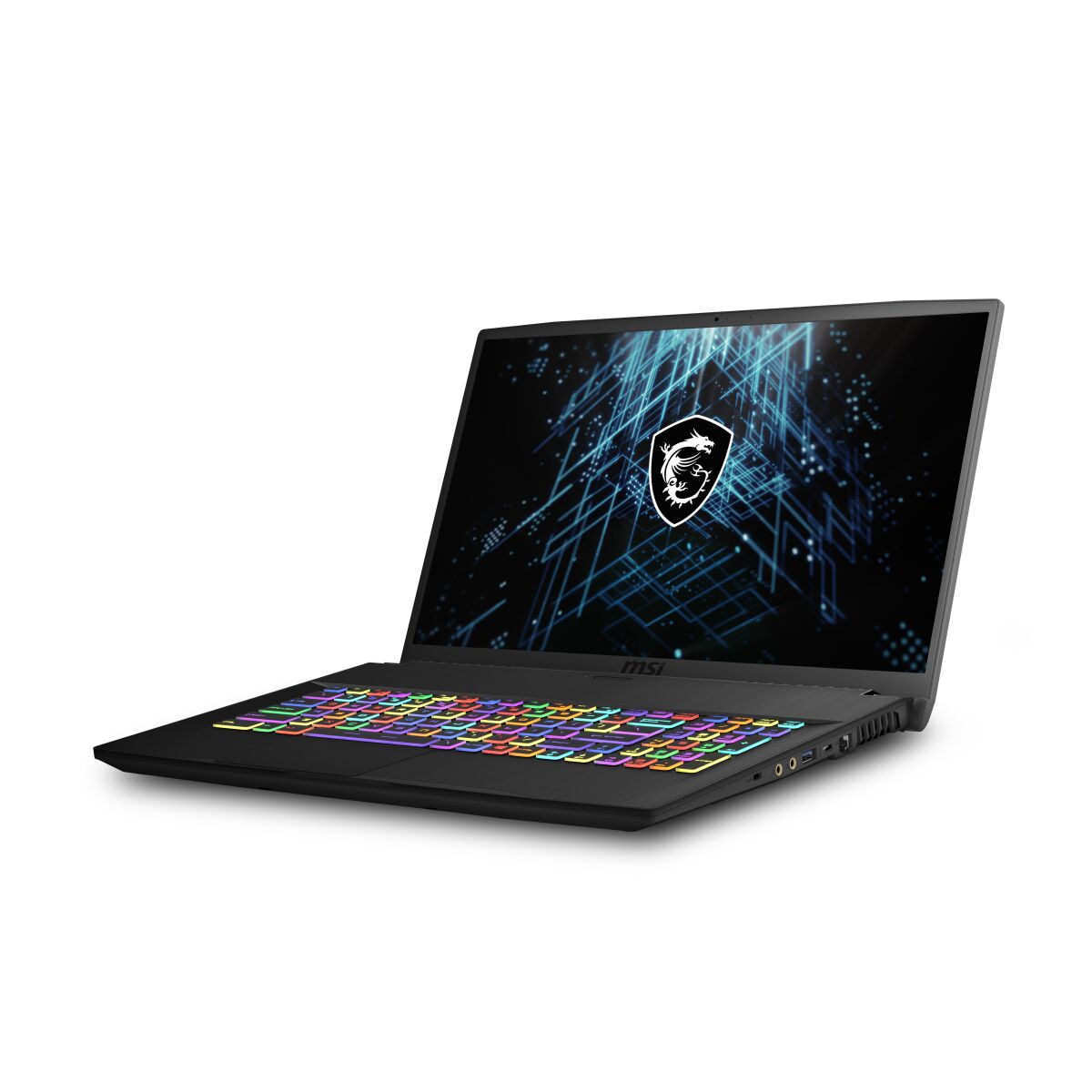
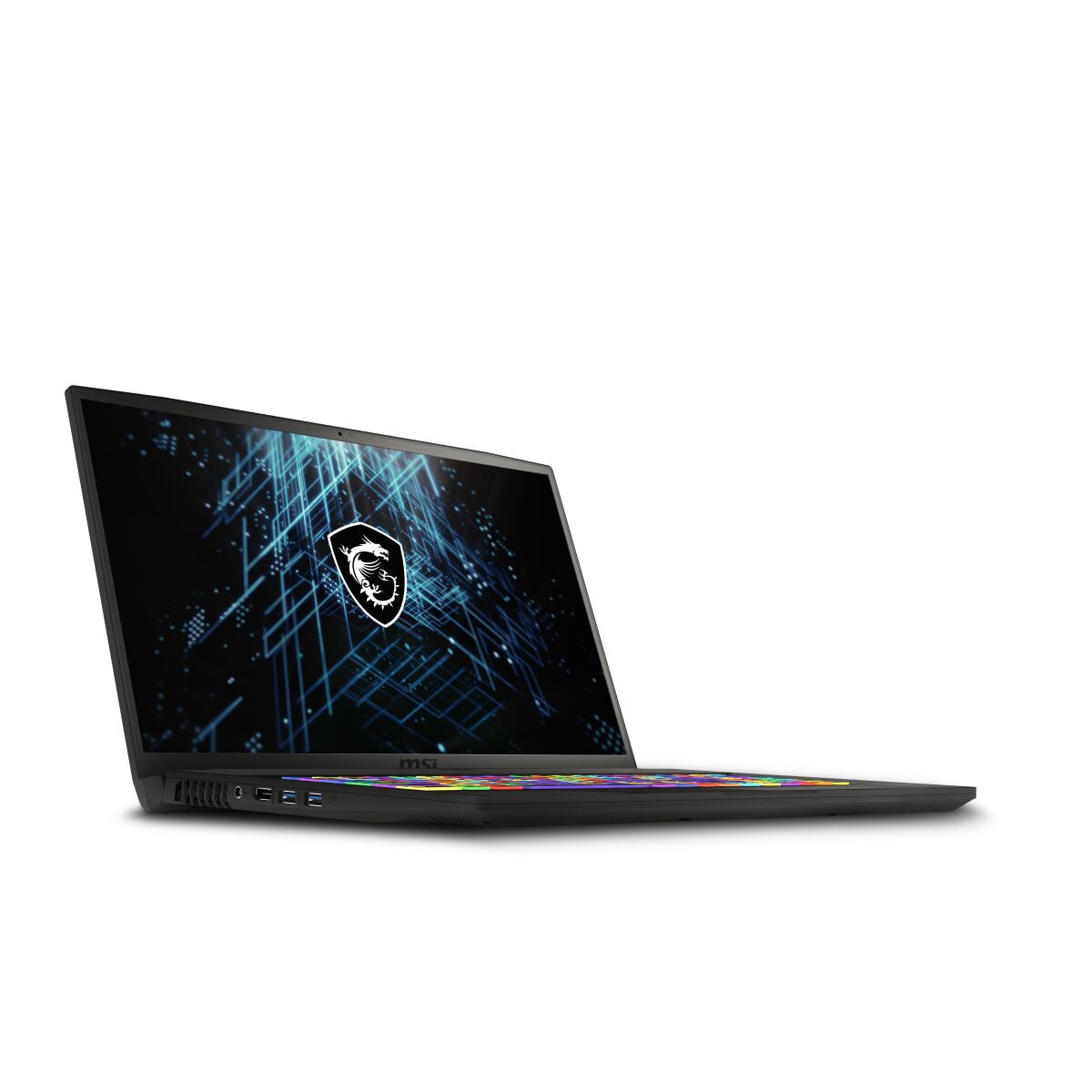
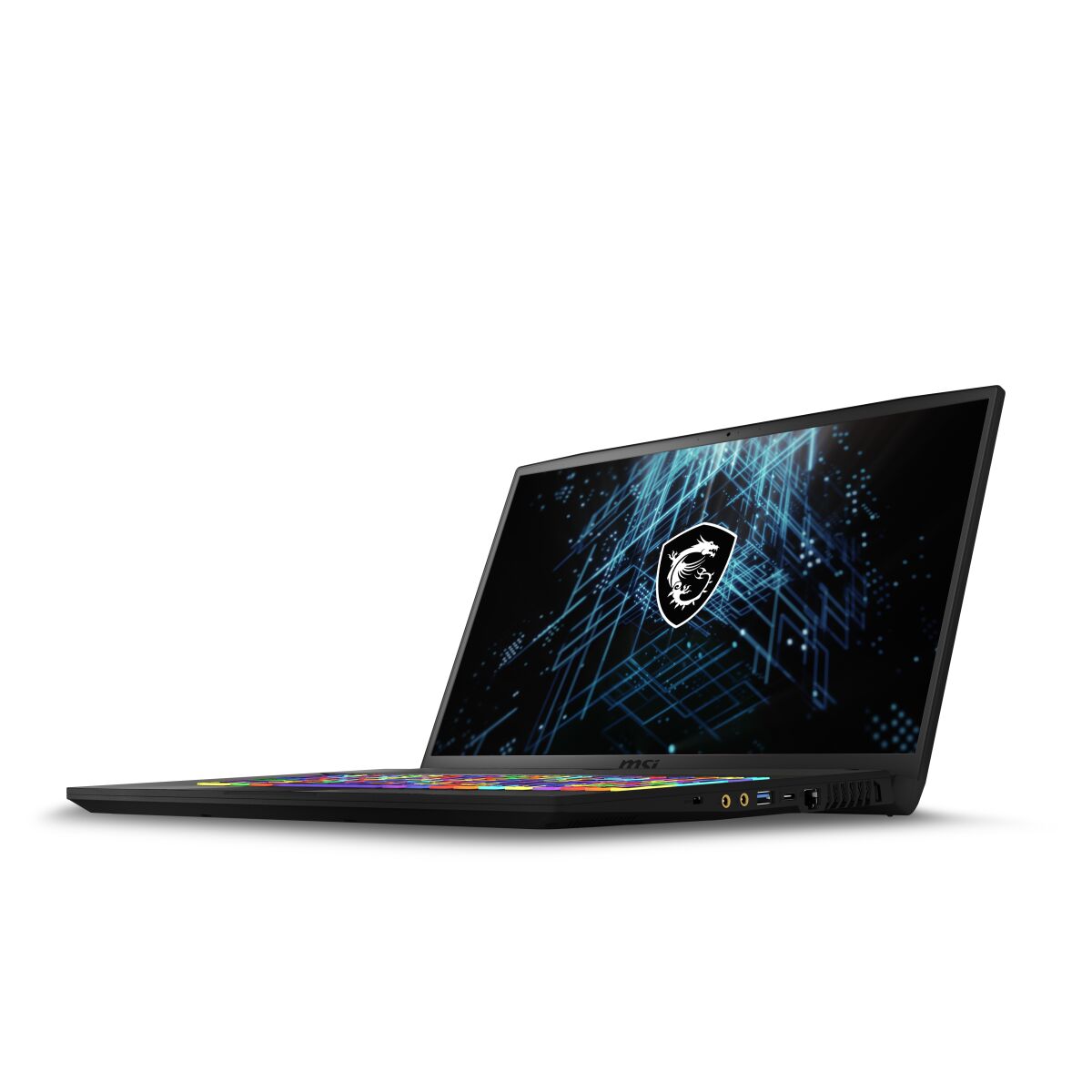
The MSI GF75 10UEK-054 Thin gaming laptop features DDR4-SDRAM memory with 2x SO-DIMM slots for RAM upgrade capacity. Maximum supported memory reaches 64 GB total, accommodating DDR4 modules operating at 2933 MHz frequency. The SO-DIMM form factor specifications define compatible memory configurations for this GF series model. Existing memory can be upgraded by replacing or supplementing current modules within the available slots to enhance system performance.
Memory Upgrade Specifications
| Specification | Value |
|---|---|
| Memory slots | 2x SO-DIMM |
| Form factor | SO-DIMM |
| Memory type | DDR4-SDRAM |
| Frequency | 2933 MHz |
| Maximum RAM | 64 GB |
| Voltage | 1.2V |
| Number of pins | 260-pin |
| Interface | PC4 |
| PC Speed Rating | PC4-2933 (PC4-23464) |
| Bandwidth | 23.5 GB/s |
| Laptop Release date | 30 January 2021 |
Additional Notes
- The MSI GF75 10UEK-054 Thin supports DDR4 memory exclusively, which excludes DDR5 upgrades regardless of future availability or cost reduction.
- SO-DIMM modules occupy minimal physical space, but the 2-slot architecture limits total capacity expansion to 64 GB without component replacement, creating a hard ceiling for memory-intensive workloads.
- The 2933 MHz specification indicates native support for Intel 10th-generation CPU memory controllers; faster DDR4 modules (3200 MHz or higher) will downclock to this frequency, eliminating performance gains from premium memory purchases.
- Dual SO-DIMM configuration requires matched pairs for optimal performance; single-module upgrades or mismatched capacity configurations may trigger suboptimal dual-channel operation or single-channel fallback.
- SO-DIMM slots typically remain accessible without full motherboard disassembly in gaming laptops, making RAM upgrades feasible within standard warranty parameters when performed by authorized service centers.
- Memory bandwidth at 2933 MHz DDR4 delivers approximately 46.9 GB/s per channel; GPU-dependent gaming workloads may not exhaust this capacity, but CPU-intensive tasks or content creation could expose bandwidth saturation constraints.
- The 64 GB maximum capacity exceeds typical gaming requirements but approaches the practical threshold where memory latency and controller overhead offset capacity benefits in mobile processors.