MSI Gaming GF75 10UEK-039XPL Thin RAM upgrade specifications
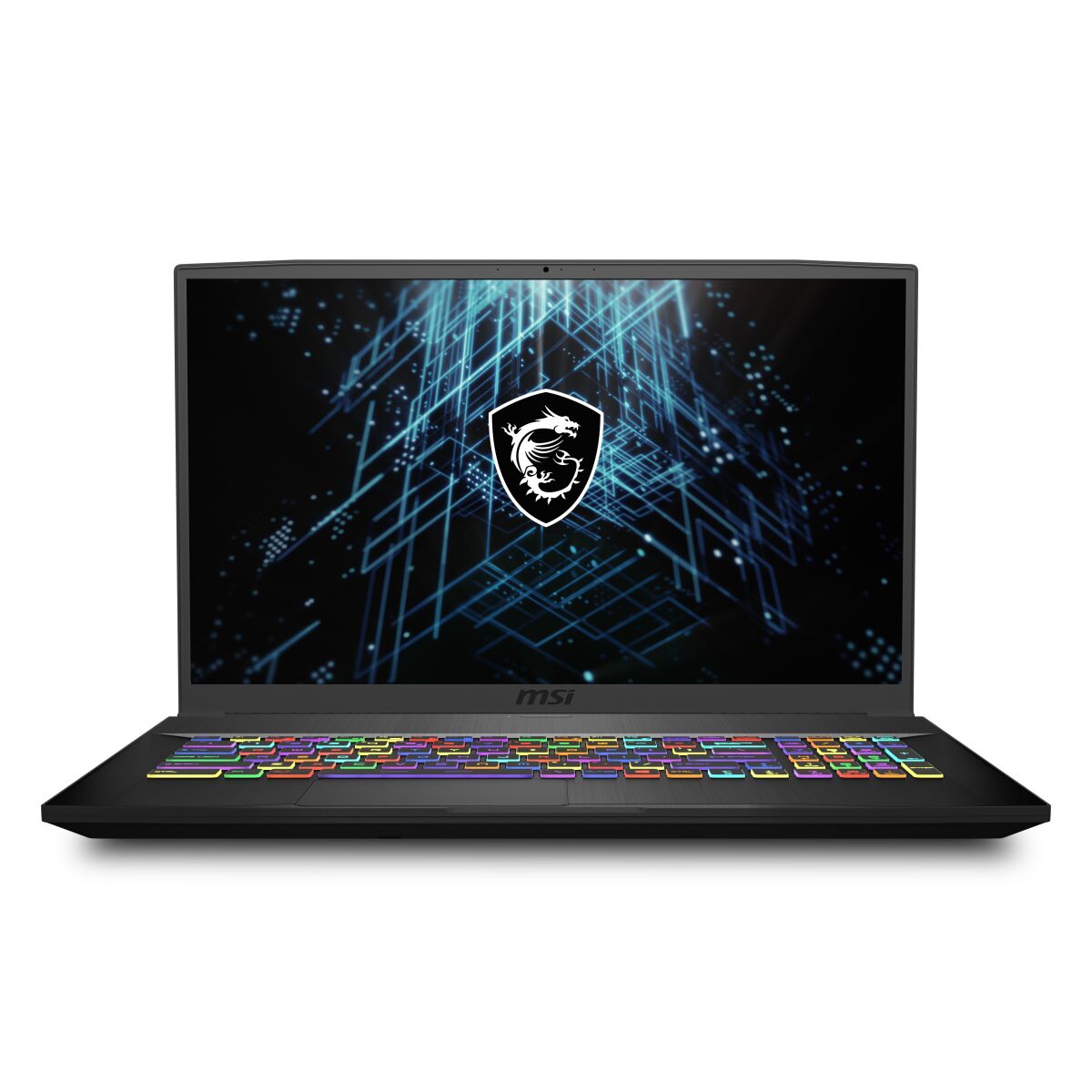
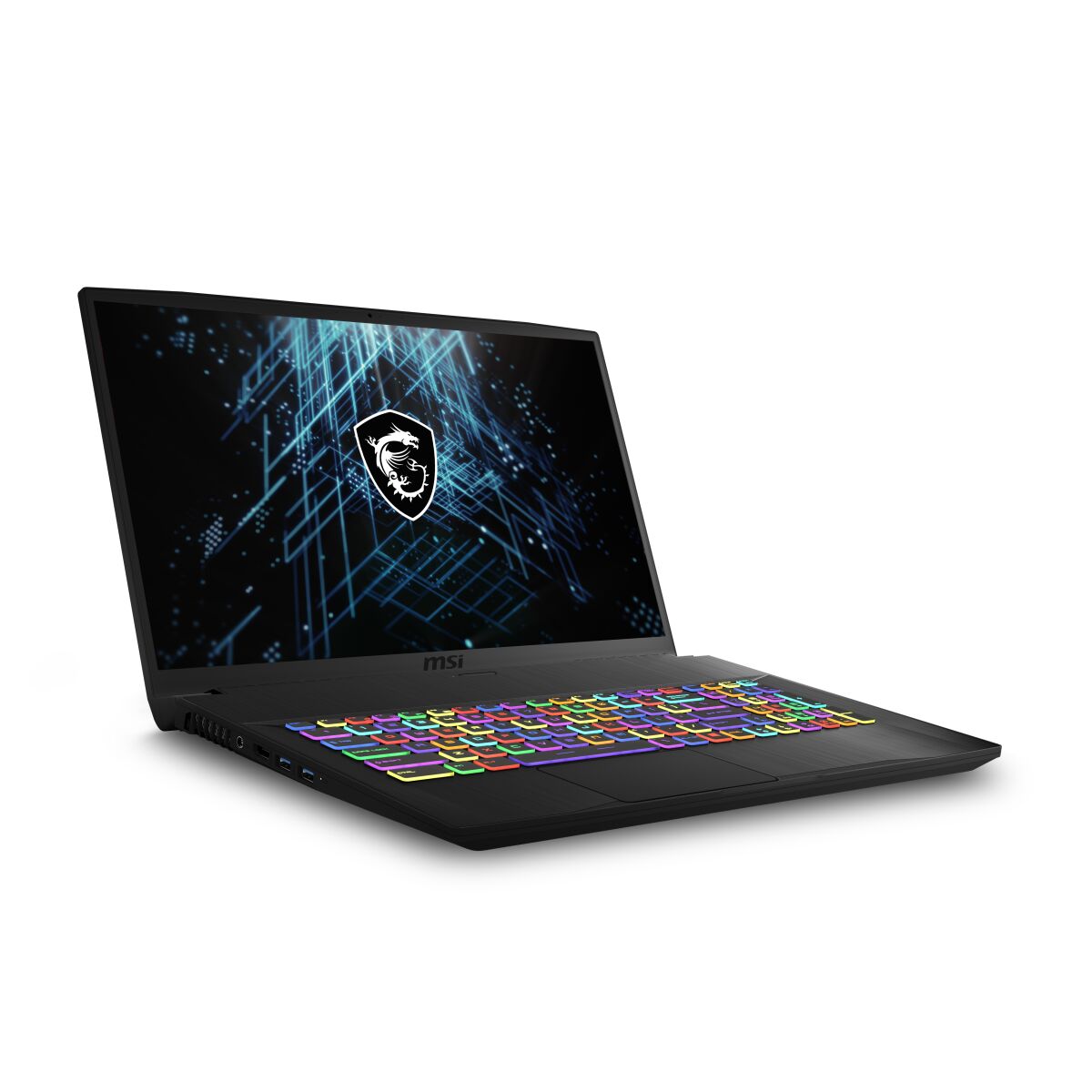
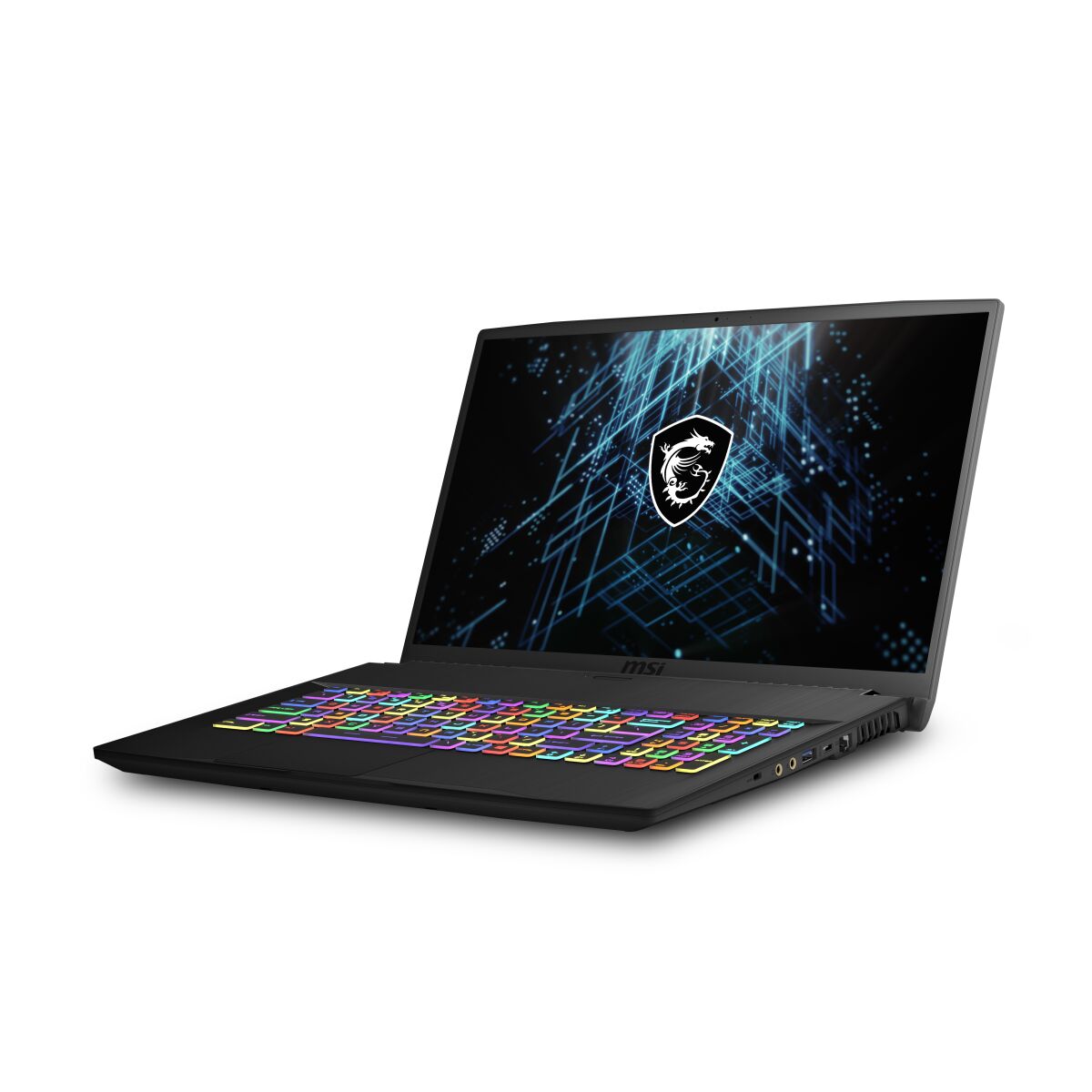

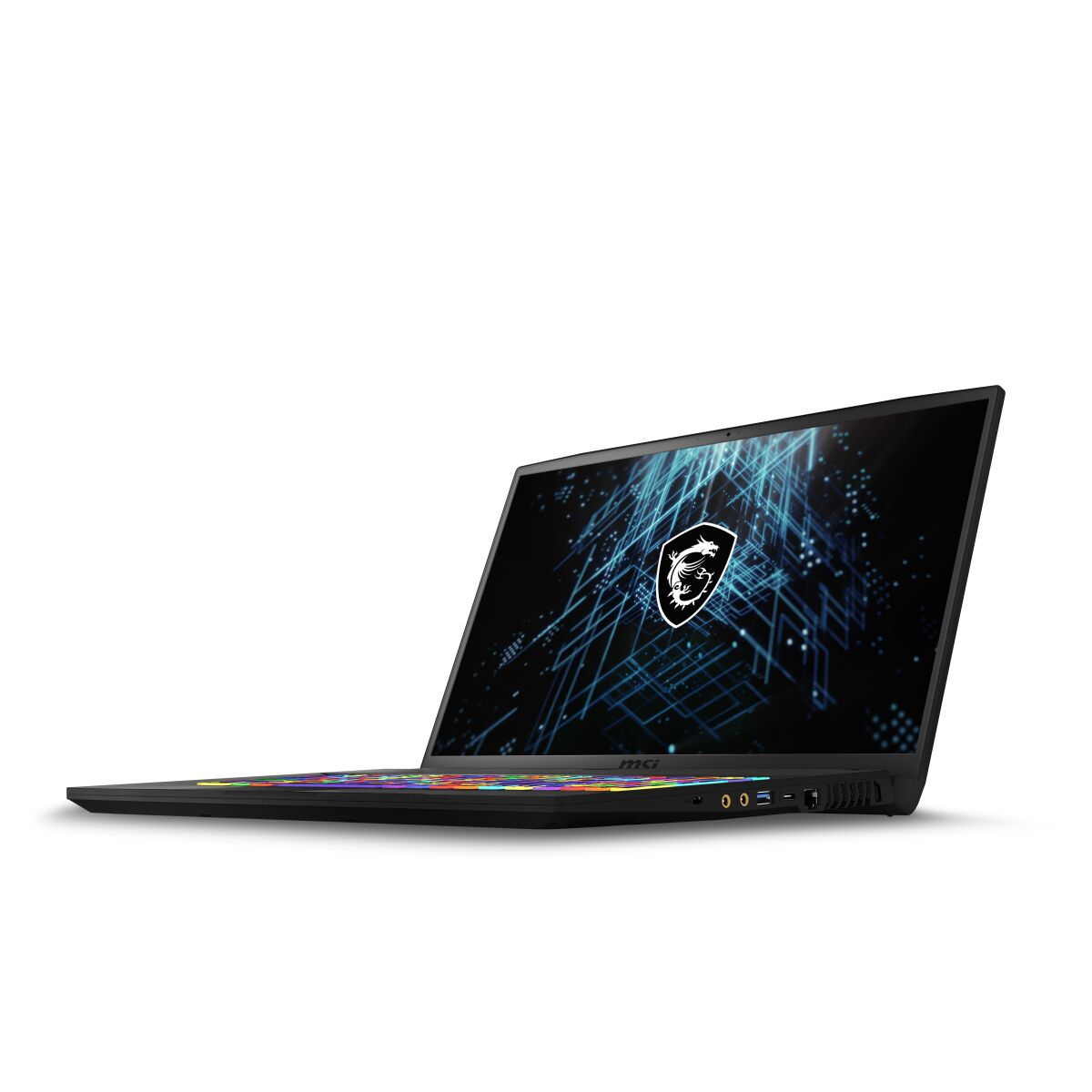
The MSI GF75 10UEK-039XPL Thin gaming laptop features DDR4-SDRAM memory upgrade specifications with 2x SO-DIMM slots supporting maximum RAM capacity of 64 GB. Compatible memory modules operate at 3200 MHz frequency with SO-DIMM form factor. Upgrade specifications indicate the GF series Gaming family supports dual-slot memory configuration for enhanced system performance.
Memory Upgrade Specifications
| Specification | Value |
|---|---|
| Memory slots | 2x SO-DIMM |
| Form factor | SO-DIMM |
| Memory type | DDR4-SDRAM |
| Frequency | 3200 MHz |
| Maximum RAM | 64 GB |
| Voltage | 1.2V |
| Number of pins | 260-pin |
| Interface | PC4 |
| PC Speed Rating | PC4-3200 (PC4-25600) |
| Bandwidth | 25.6 GB/s |
| Laptop Release date | 29 March 2021 |
Additional Notes
- The 2 SO-DIMM slots establish a maximum practical capacity ceiling of 64 GB, requiring dual 32 GB modules for full saturation. Single-module upgrades leave half the bandwidth potential unutilized.
- DDR4-3200 memory operates at a fixed frequency tier; newer DDR4-3600 or DDR5 modules will downclock to 3200 MHz, eliminating performance gains from higher-speed RAM purchases.
- SO-DIMM form factor restricts upgrade sourcing to laptop-specific memory; desktop DDR4 UDIMM modules are physically incompatible and will not seat in the motherboard sockets.
- The MSI GF75 10UEK-039XPL Thin uses a soldered power delivery architecture around the CPU; RAM upgrades cannot compensate for thermal throttling or storage bottlenecks in sustained gaming workloads.
- Dual-channel architecture requires matched capacity modules for optimal memory bandwidth utilization; asymmetrical configurations (8 GB + 16 GB) force single-channel operation on the larger module, degrading throughput by approximately 40 percent.
- Factory-installed RAM likely occupies 1 slot; upgrading to 64 GB total requires removing the existing module and installing 2 new matched 32 GB units, not simply adding modules to available slots.
- Memory timing specifications (CAS latency, voltage tolerance) must align with BIOS validation lists; incompatible secondary timings cause boot failures or system instability despite matching frequency and form factor.