MSI Gaming GF75 8RC-012ES RAM upgrade specifications
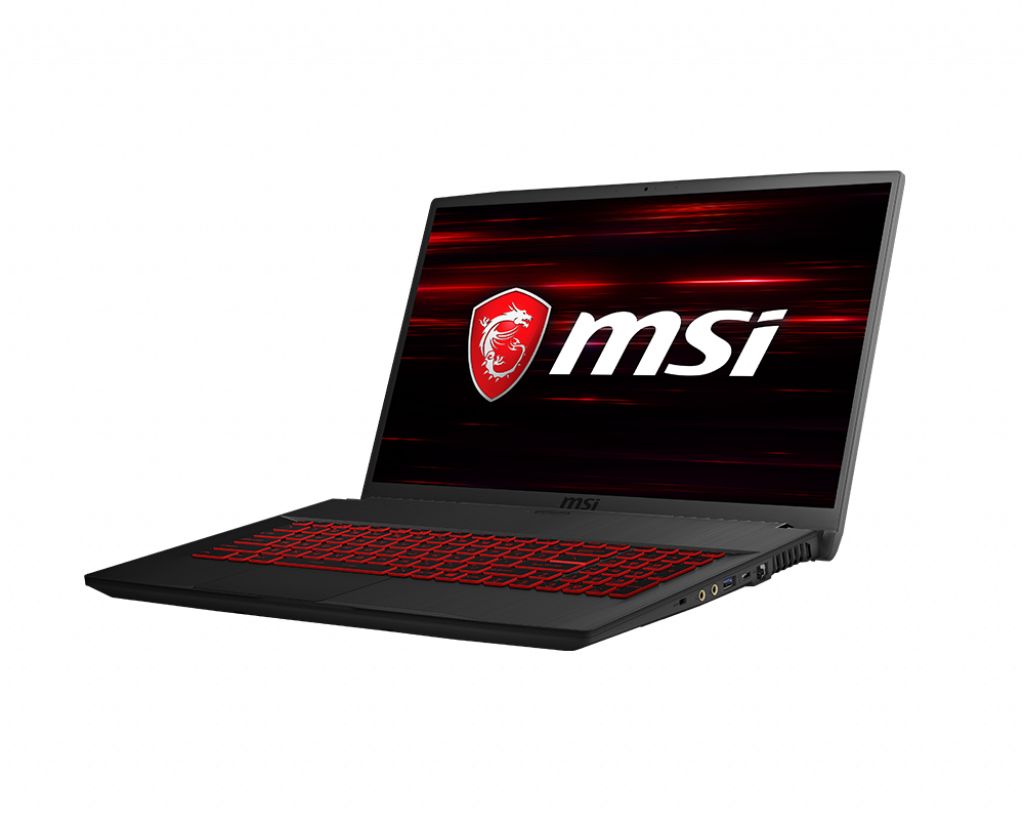
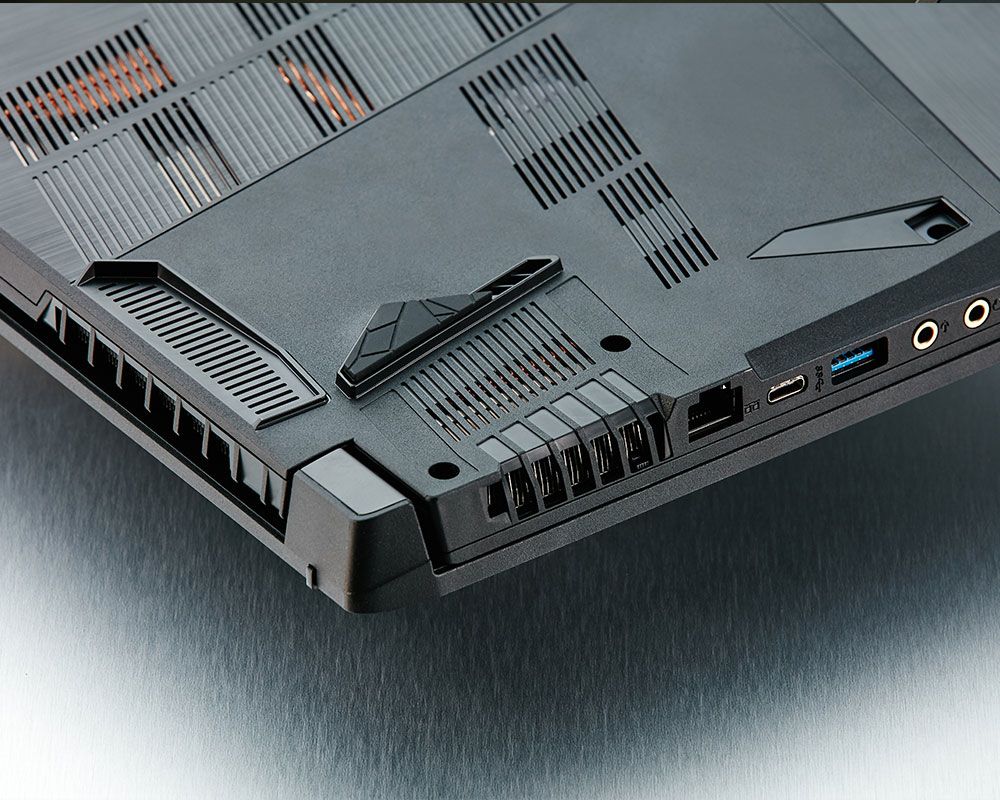
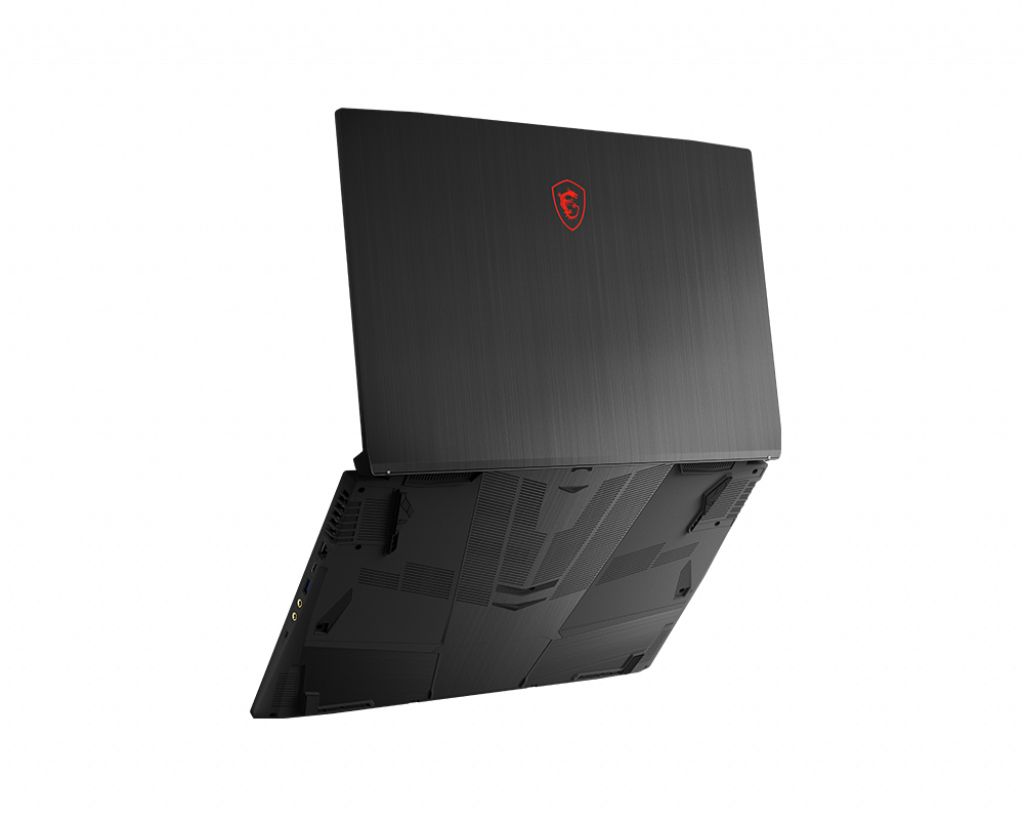
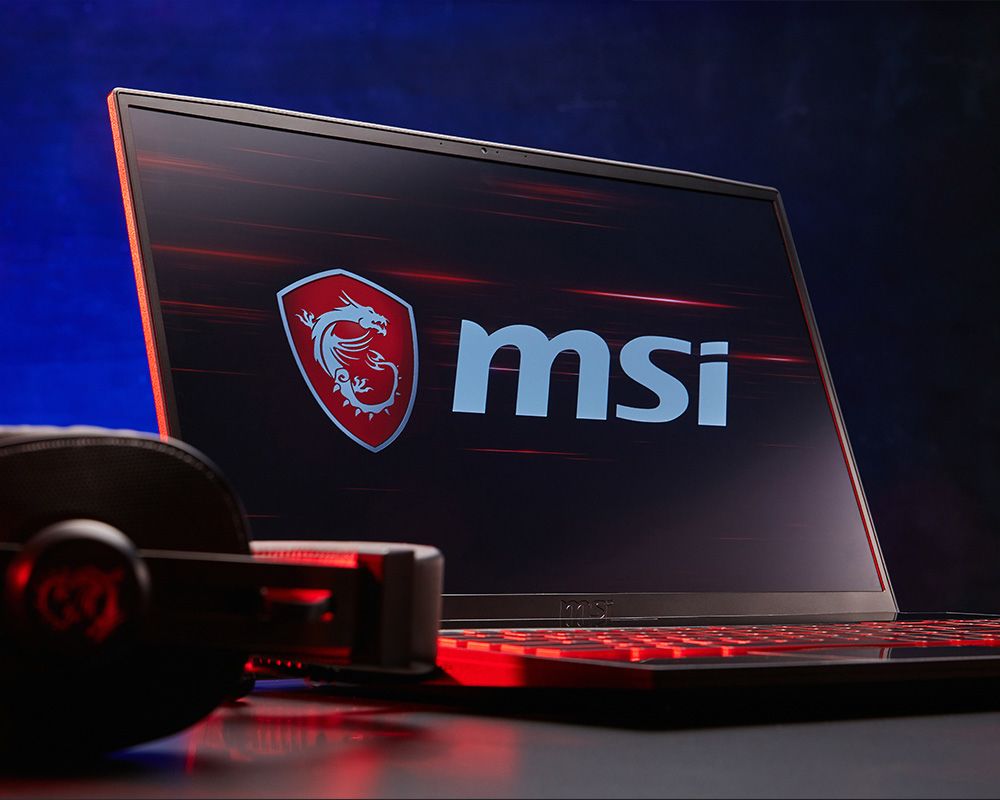
The MSI GF75 8RC-012ES gaming laptop features DDR4-SDRAM memory upgrade specifications with 2x SO-DIMM slots supporting maximum capacity of 32 GB. The upgrade specifications indicate compatible DDR4 memory modules operating at 2666 MHz frequency. The GF series gaming model accommodates SO-DIMM form factor memory upgrades, allowing users to expand the laptop's RAM capacity through the available memory slots. Maximum supported RAM capacity reaches 32 GB when both slots contain compatible modules.
Memory Upgrade Specifications
| Specification | Value |
|---|---|
| Memory slots | 2x SO-DIMM |
| Form factor | SO-DIMM |
| Memory type | DDR4-SDRAM |
| Frequency | 2666 MHz |
| Maximum RAM | 32 GB |
| Voltage | 1.2V |
| Number of pins | 260-pin |
| Interface | PC4 |
| PC Speed Rating | PC4-2666 (PC4-21328) |
| Bandwidth | 21.3 GB/s |
| Laptop Release date | 12 December 2018 |
Additional Notes
- The MSI GF75 8RC-012ES employs a 2-slot SO-DIMM architecture, meaning both memory channels must be populated simultaneously to achieve dual-channel performance; a single module will operate in single-channel mode with approximately 50% bandwidth reduction relative to paired configuration.
- DDR4-2666 MHz represents 8th-generation Intel platform standard; third-party modules rated DDR4-3000 or DDR4-3200 will downclock to 2666 MHz within this system due to BIOS limitations, eliminating any performance advantage of higher-speed variants.
- The 32 GB maximum capacity ceiling constrains future expansion; upgrading from 16 GB to 32 GB requires full module replacement rather than additive expansion, as both slots reach saturation at this threshold.
- SO-DIMM physical dimensions (67.6 mm length) are non-standard for desktop environments; modules cannot be transferred to standard desktop systems without mechanical incompatibility, limiting repurposing flexibility if the laptop is eventually retired.
- Memory timing specifications not published in baseline documentation; third-party DDR4-2666 modules may operate at varied CAS latencies (CL16 through CL19), potentially introducing marginal performance variance depending on manufacturer silicon quality.
- The 2-slot constraint combined with 32 GB maximum eliminates migration pathways to 48 GB or 64 GB configurations if future applications demand higher memory density, as this platform does not support 48 GB per-slot modules within its electrical specifications.