MSI Gaming GF75 8RC-047IT Thin RAM upgrade specifications
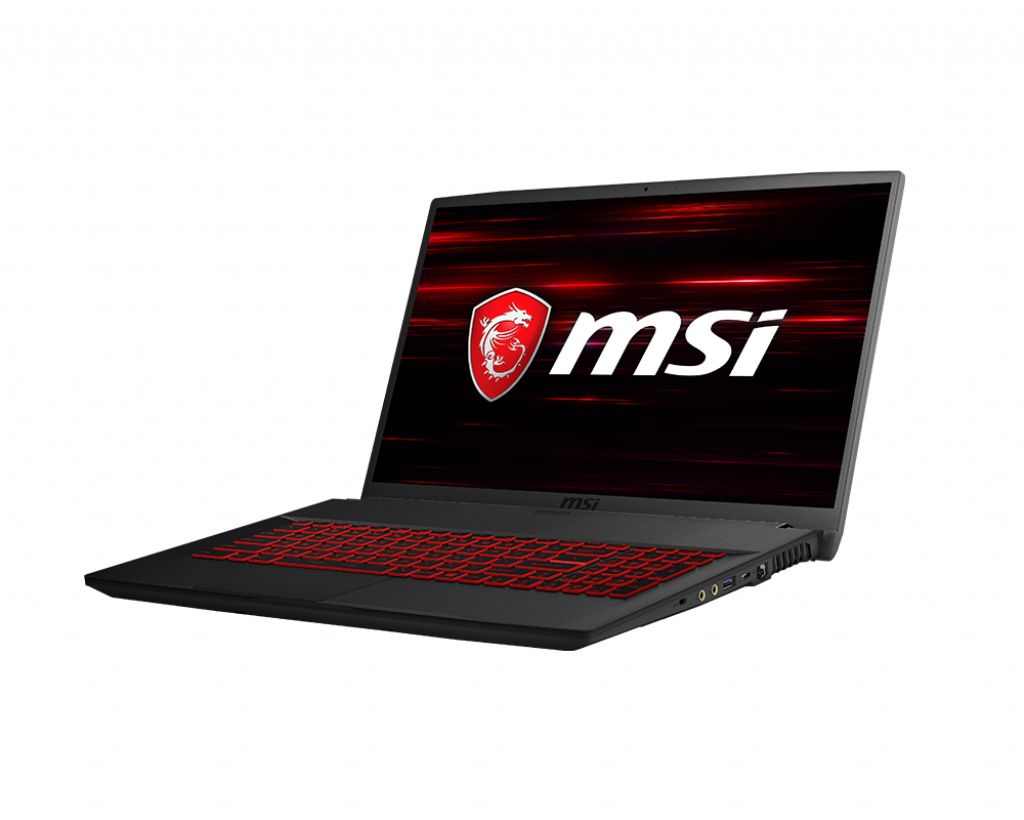
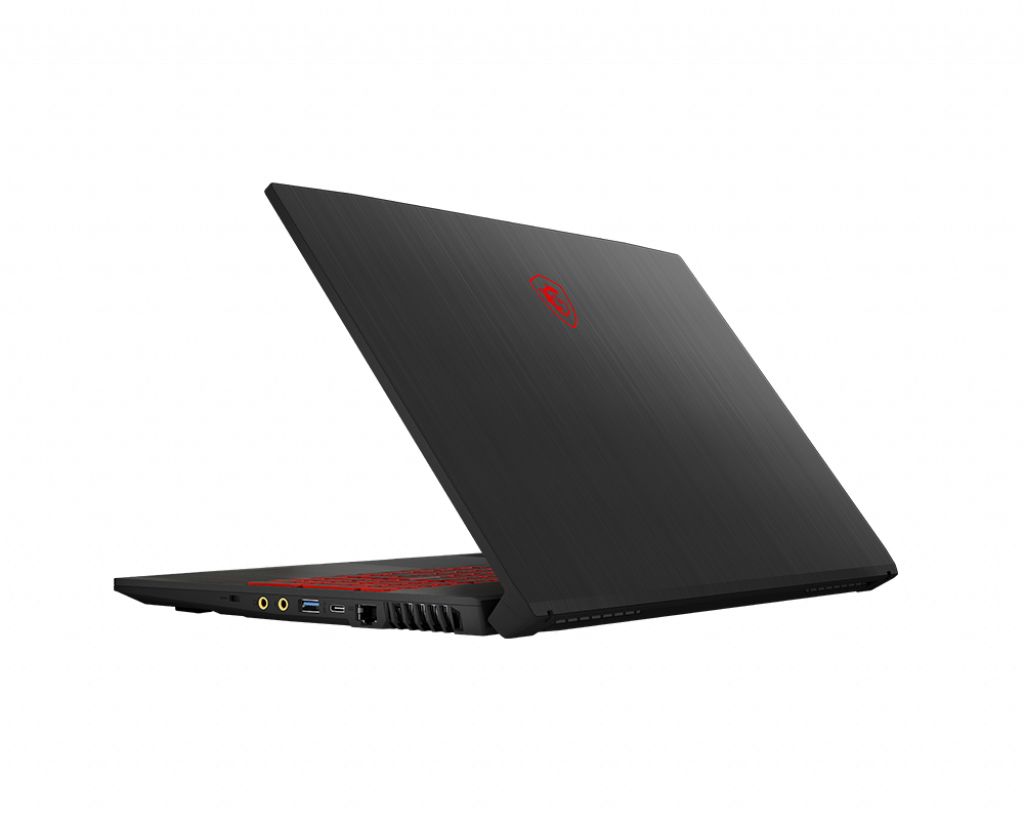
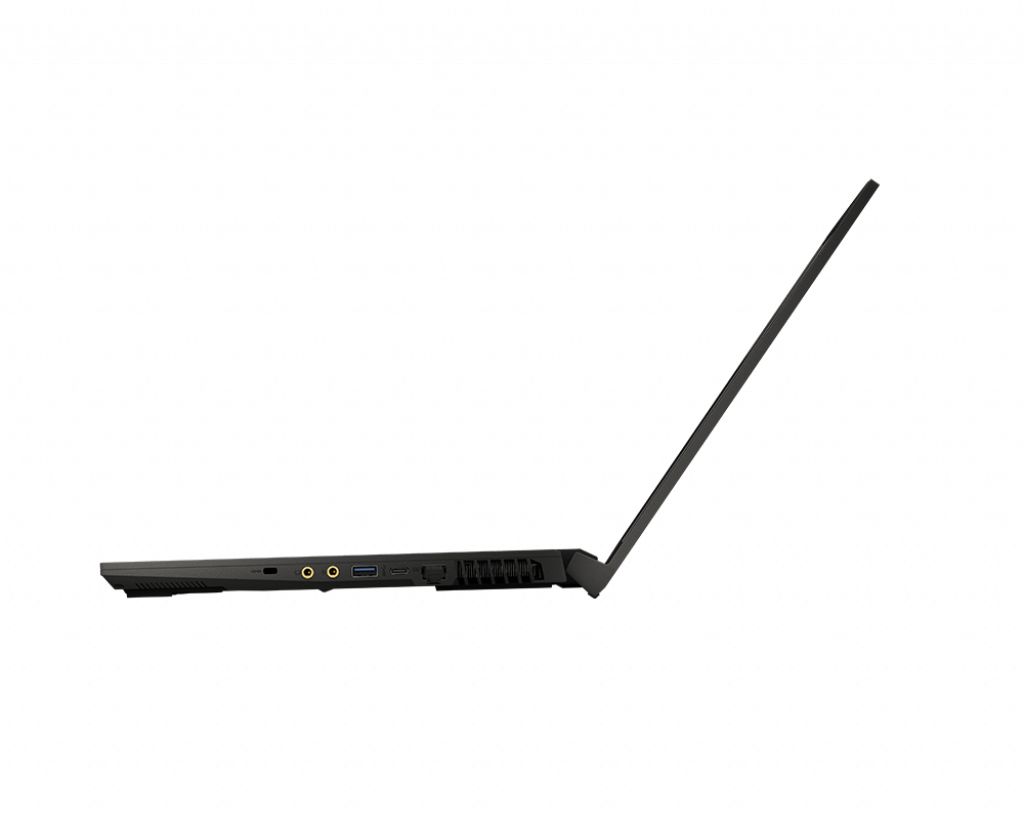
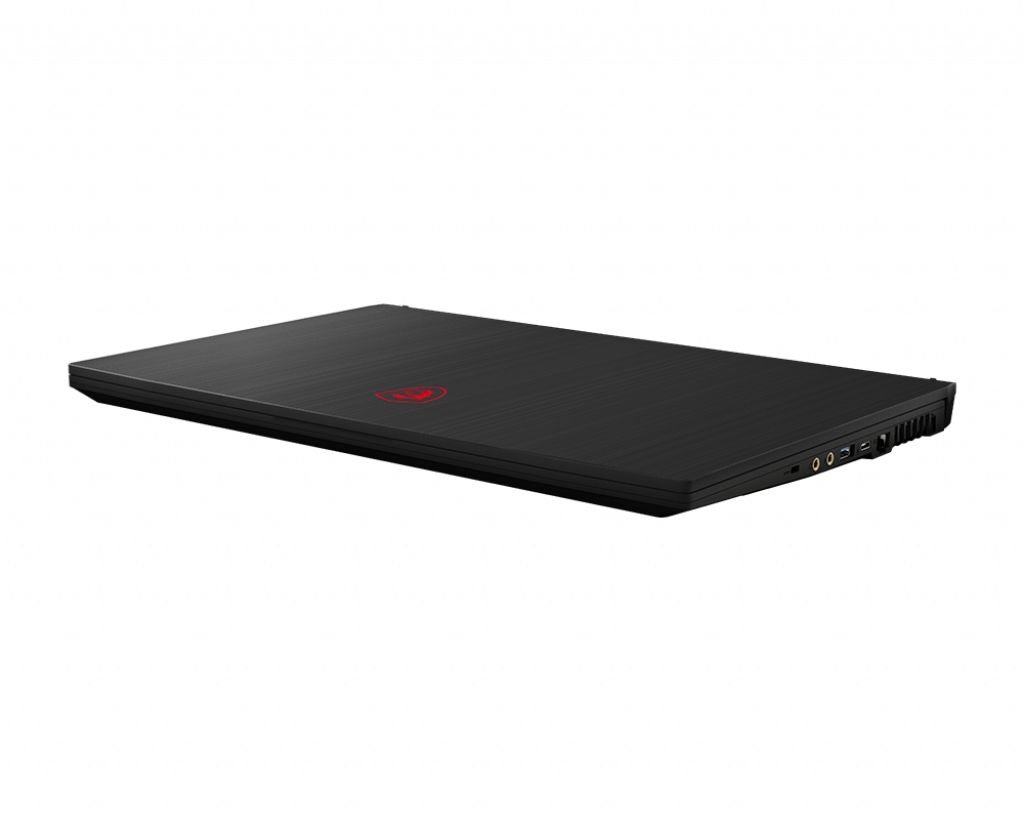
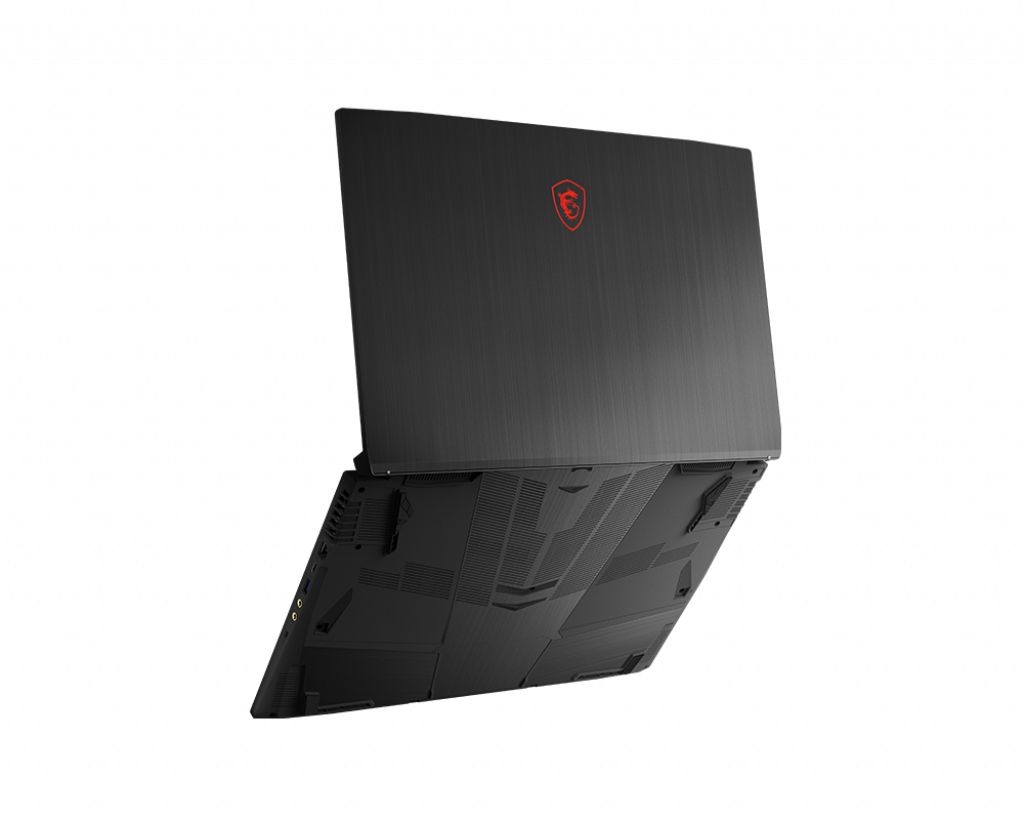
The MSI GF75 8RC-047IT Thin gaming laptop features DDR4-SDRAM memory upgrade capabilities with 2x SO-DIMM slots. Maximum compatible RAM capacity reaches 32 GB total. The memory operates at 2666 MHz frequency. Upgrade specifications support SO-DIMM form factor modules. This Gaming series GF model laptop accommodates memory expansion to achieve the stated maximum capacity through compatible DDR4 modules installed in available slots.
Memory Upgrade Specifications
| Specification | Value |
|---|---|
| Memory slots | 2x SO-DIMM |
| Form factor | SO-DIMM |
| Memory type | DDR4-SDRAM |
| Frequency | 2666 MHz |
| Maximum RAM | 32 GB |
| Voltage | 1.2V |
| Number of pins | 260-pin |
| Interface | PC4 |
| PC Speed Rating | PC4-2666 (PC4-21328) |
| Bandwidth | 21.3 GB/s |
| Laptop Release date | 21 November 2019 |
Additional Notes
- The MSI GF75 8RC-047IT Thin supports a maximum of 32 GB across 2 SO-DIMM slots, meaning a single-slot configuration caps usable capacity at 16 GB per module without architectural redesign.
- DDR4-2666 MHz operation establishes a latency floor; pairing with faster DDR4-3000+ modules triggers automatic frequency downclocking to 2666 MHz, negating speed investment without performance benefit.
- SO-DIMM form factor requires low-profile memory modules; standard UDIMM desktop RAM cannot physically insert into these slots, restricting procurement to laptop-grade components.
- Dual-slot architecture without capacity headroom means maximum capacity requires both slots occupied; removing a module for troubleshooting eliminates single-channel redundancy and forces fallback to half the installed capacity.
- Memory bandwidth utilization at 2666 MHz on a dual-channel configuration delivers approximately 42.6 GB/s theoretical throughput; gaming workloads with high frame rates may experience minor stalls if concurrent storage or integrated graphics operations saturate this pathway.
- Third-party DDR4 SO-DIMM modules from brands not explicitly validated by MSI carry firmware compatibility risk; mixing manufacturers or revisions within the 2 slots can trigger intermittent boot failures or memory errors that remain undetectable during POST.
- Warranty coverage for user-installed RAM modifications typically requires components listed on the OEM memory compatibility matrix; substitutions outside this list may void coverage for hardware defects unrelated to the upgrade itself.