MSI Gaming GF75 8RC-052NL RAM upgrade specifications
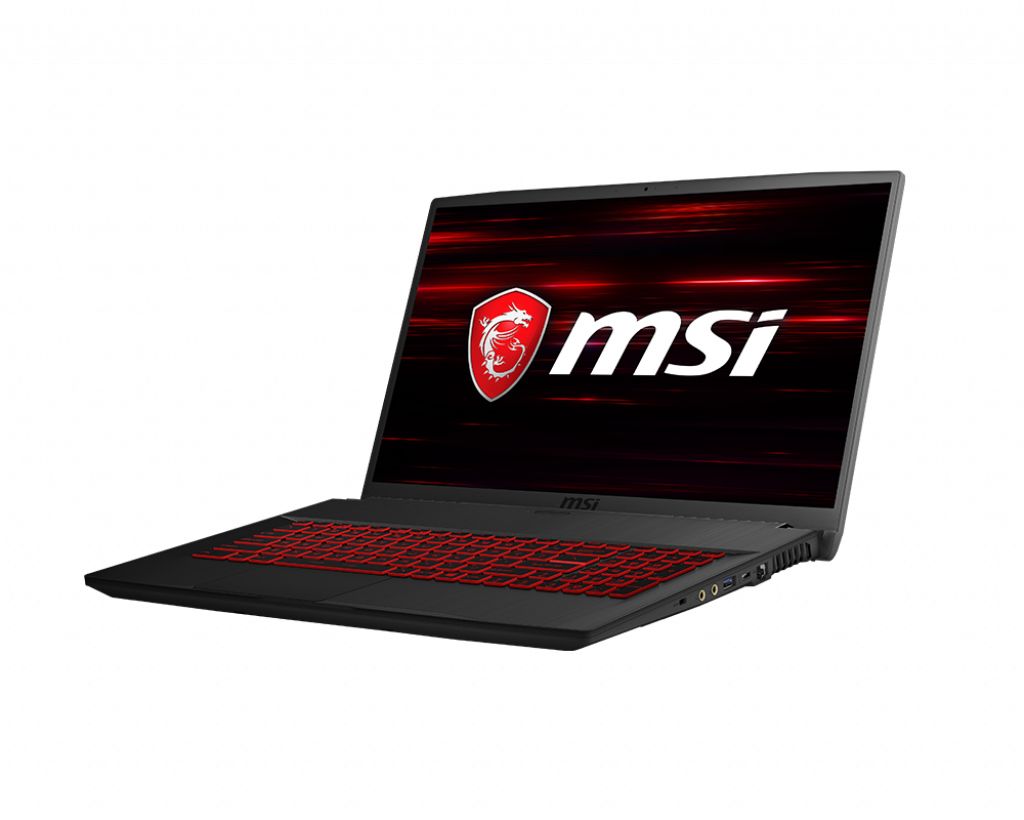
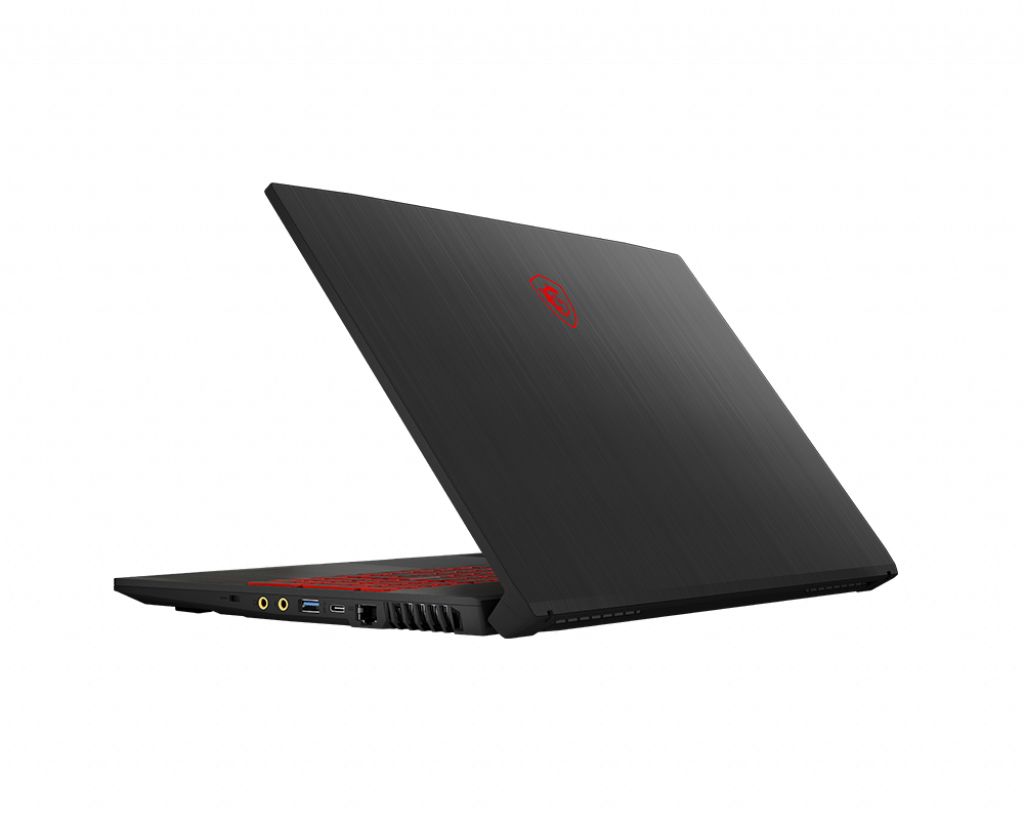
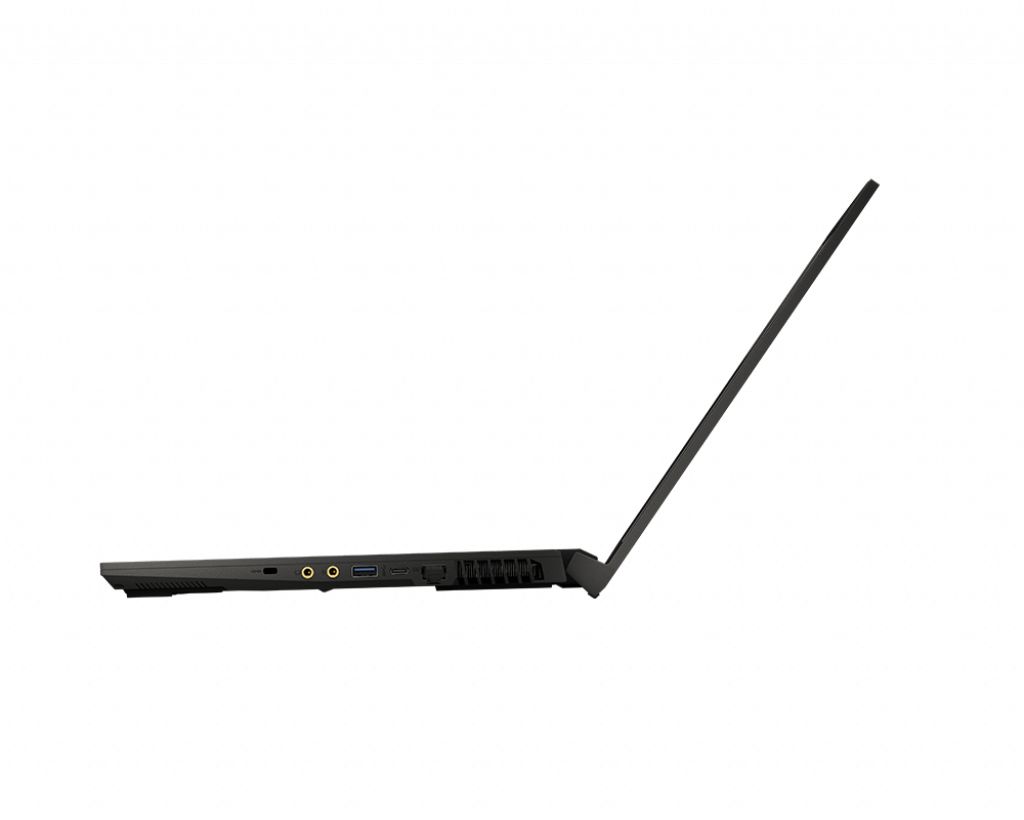
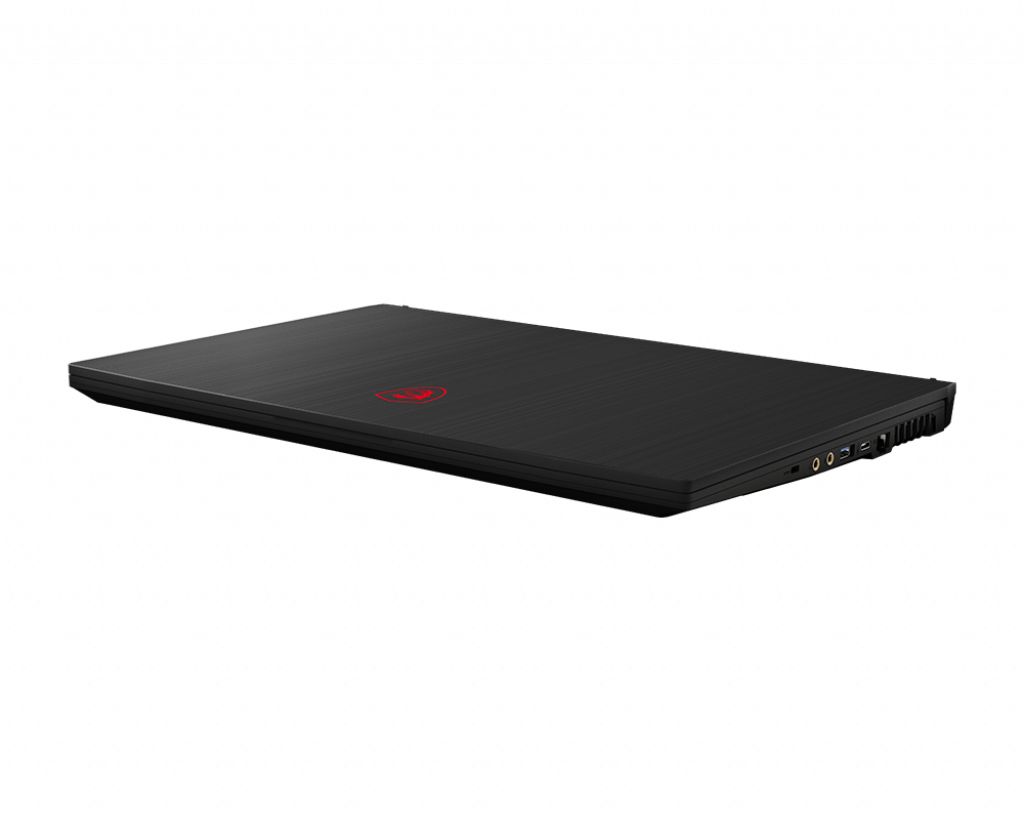
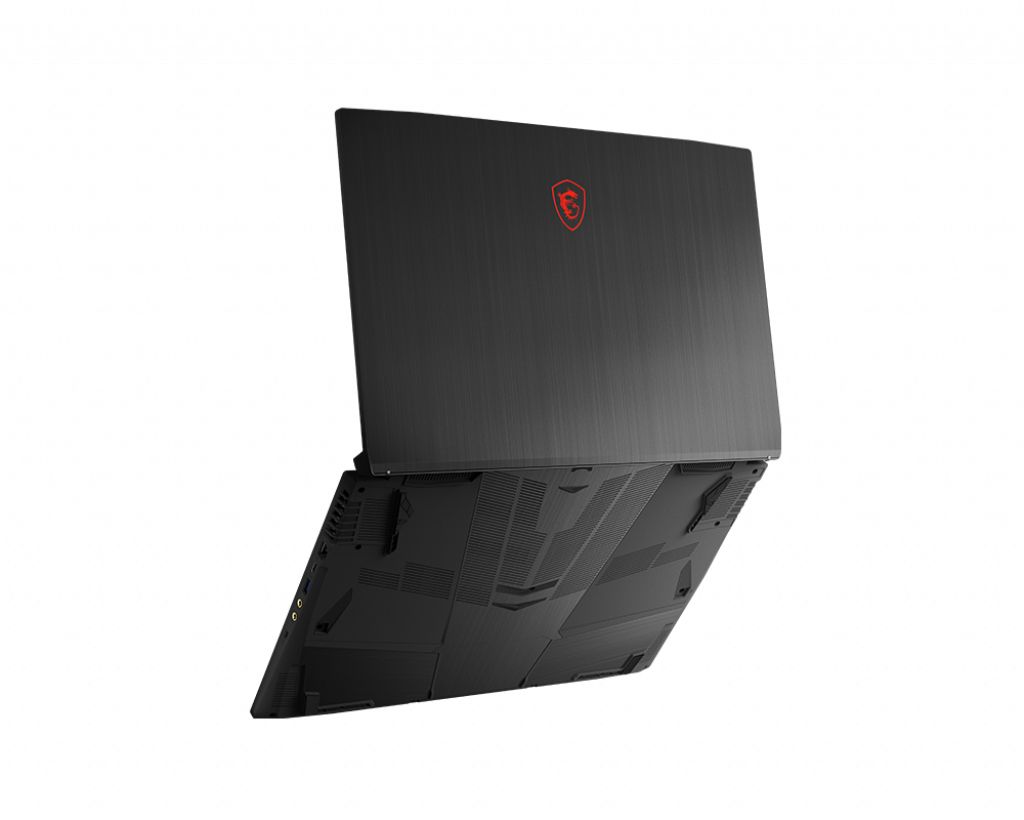
MSI GF75 8RC-052NL Gaming series laptop supports DDR4-SDRAM memory upgrades. The system features 2x SO-DIMM slots for memory expansion, compatible with DDR4-2666 MHz specifications. Maximum RAM capacity reaches 32 GB total. Upgrade specifications indicate SO-DIMM form factor modules required for this Gaming GF series model. Memory slots accommodate compatible DDR4 modules to expand system RAM beyond factory configuration.
Memory Upgrade Specifications
| Specification | Value |
|---|---|
| Memory slots | 2x SO-DIMM |
| Form factor | SO-DIMM |
| Memory type | DDR4-SDRAM |
| Frequency | 2666 MHz |
| Maximum RAM | 32 GB |
| Voltage | 1.2V |
| Number of pins | 260-pin |
| Interface | PC4 |
| PC Speed Rating | PC4-2666 (PC4-21328) |
| Bandwidth | 21.3 GB/s |
| Laptop Release date | 31 January 2019 |
Additional Notes
- The MSI GF75 8RC-052NL supports dual-channel memory architecture, which doubles theoretical memory bandwidth compared to single-module configurations when both SO-DIMM slots are populated with matched modules.
- The 32 GB ceiling indicates chipset-level memory controller limitations rather than physical slot restrictions, making any module configuration beyond 2x16 GB incompatible regardless of availability.
- DDR4-2666 represents JEDEC standard timing rather than overclocked profiles, eliminating the need for BIOS-level XMP configuration and reducing compatibility risks with third-party modules.
- SO-DIMM form factor modules measure 67.6 mm in length versus 133.35 mm desktop DIMMs, making standard desktop memory physically incompatible with the socket design.
- Mixing modules with different speeds will force all installed memory to operate at the lowest common frequency, potentially downclocking faster modules to 2666 MHz or below.
- The 2666 MHz specification represents a maximum supported speed, meaning modules rated at 3200 MHz or higher will automatically downclock to match the memory controller's bandwidth ceiling.
- Accessing the SO-DIMM slots typically requires removing the bottom panel, which may void warranty seals on certain regional models unless performed by authorized service centers.
- Single-rank versus dual-rank module configuration affects memory interleaving efficiency, with dual-rank modules potentially offering marginal performance advantages in bandwidth-intensive tasks despite identical capacity ratings.
- Voltage specification defaults to 1.2V for DDR4 standard operation, making low-voltage 1.35V modules unnecessary and potentially creating compatibility conflicts with the memory controller's power delivery.
- Non-ECC unbuffered modules are required for consumer-grade memory controllers, as error-correcting or registered DIMMs designed for server applications will fail POST initialization.