MSI Gaming GF75 8RC-090CZ Thin RAM upgrade specifications

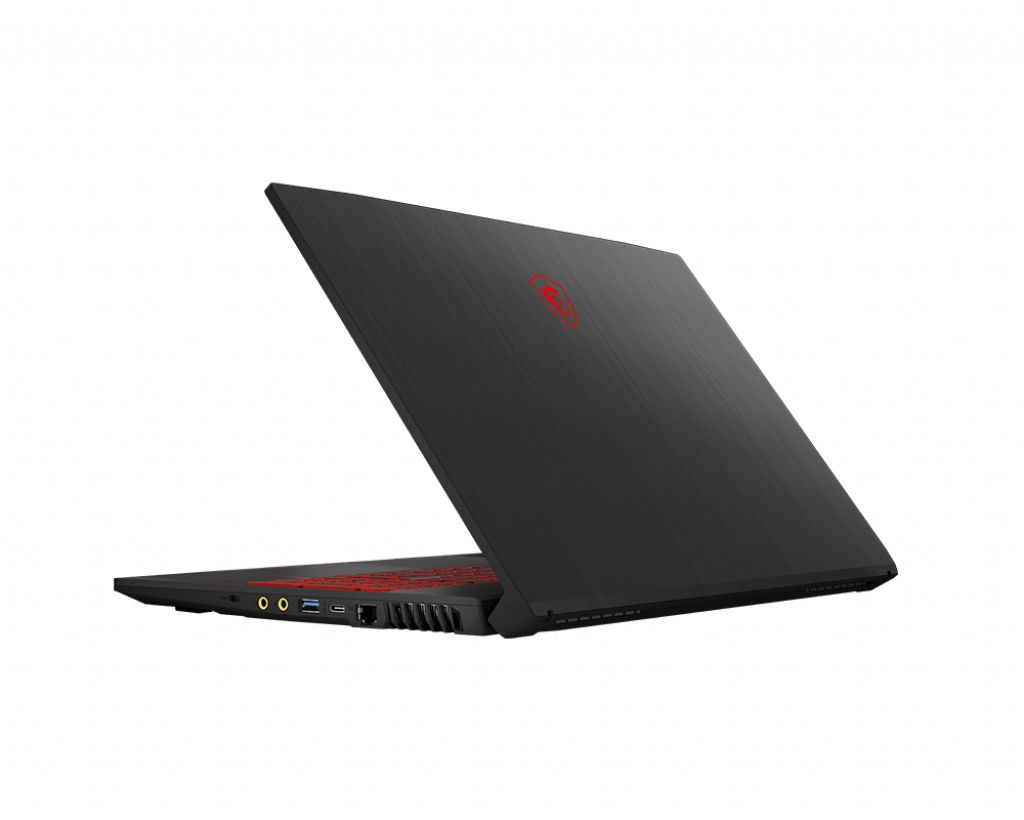
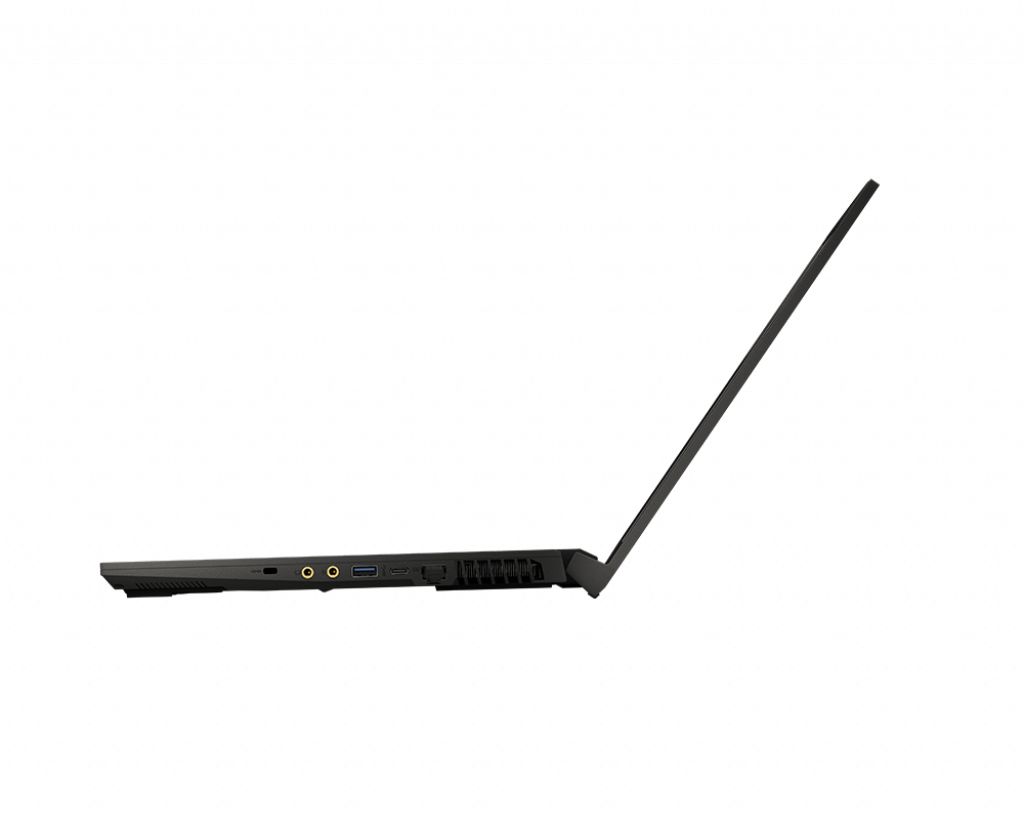
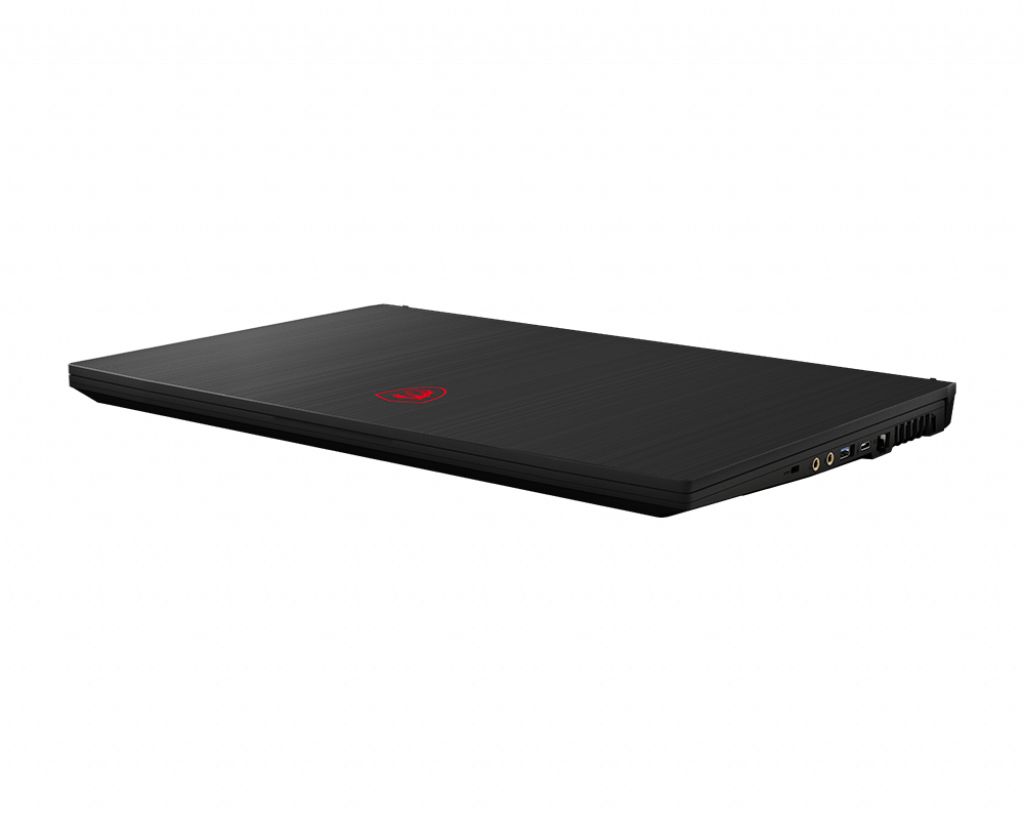
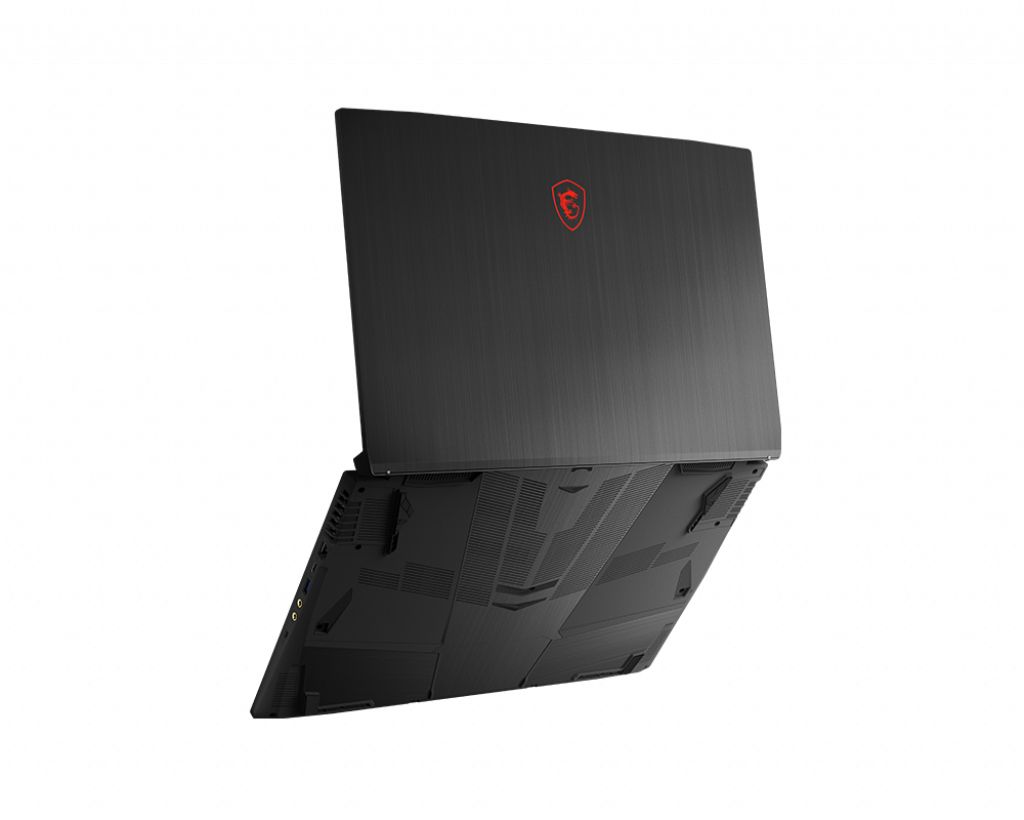
MSI GF75 8RC-090CZ Thin gaming laptop memory upgrade specifications indicate DDR4-SDRAM compatibility with 2x SO-DIMM slots. Maximum RAM capacity reaches 32 GB total, supporting DDR4-2666 MHz frequency specifications. Compatible memory modules utilize SO-DIMM form factor for upgrade installation. Existing slots accommodate expansion to specified maximum capacity through compatible DDR4 memory upgrades.
Memory Upgrade Specifications
| Specification | Value |
|---|---|
| Memory slots | 2x SO-DIMM |
| Form factor | SO-DIMM |
| Memory type | DDR4-SDRAM |
| Frequency | 2666 MHz |
| Maximum RAM | 32 GB |
| Voltage | 1.2V |
| Number of pins | 260-pin |
| Interface | PC4 |
| PC Speed Rating | PC4-2666 (PC4-21328) |
| Bandwidth | 21.3 GB/s |
| Laptop Release date | 25 May 2019 |
Additional Notes
- The MSI GF75 8RC-090CZ Thin chipset restricts memory operation to DDR4-2666, meaning modules rated for higher speeds like 3200 MHz will automatically downclock to match this ceiling.
- The 32 GB system limit requires 2x16 GB module pairing for maximum capacity, as no single 32 GB SO-DIMM configuration applies to dual-slot architectures.
- Mixing module capacities or speeds across the 2 populated slots will force both modules to operate at the lower specification, reducing effective bandwidth.
- Non-matching module ranks (single-rank paired with dual-rank) may cause stability issues or prevent dual-channel operation despite identical capacity and frequency ratings.
- The SO-DIMM 260-pin standard excludes compatibility with desktop UDIMM modules despite sharing DDR4 voltage and generation specifications.
- The 2666 MHz native frequency does not require XMP or manual BIOS configuration, as JEDEC standard profiles handle timing and voltage automatically.
- Accessing both memory slots typically requires complete bottom panel removal rather than dedicated service doors, complicating field upgrades.
- Warranty preservation depends on using non-ESD tools and avoiding motherboard component contact during installation, as physical damage falls outside standard coverage terms.
- Single-channel operation with one populated slot halves memory bandwidth to approximately 21 GB/s, creating performance limitations in texture-heavy gaming scenarios.
- The absence of ECC support in the controller means bit-flip errors remain undetected and uncorrected, though consumer workloads rarely encounter practical consequences.