MSI Gaming GF75 8RC-205RU Thin RAM upgrade specifications


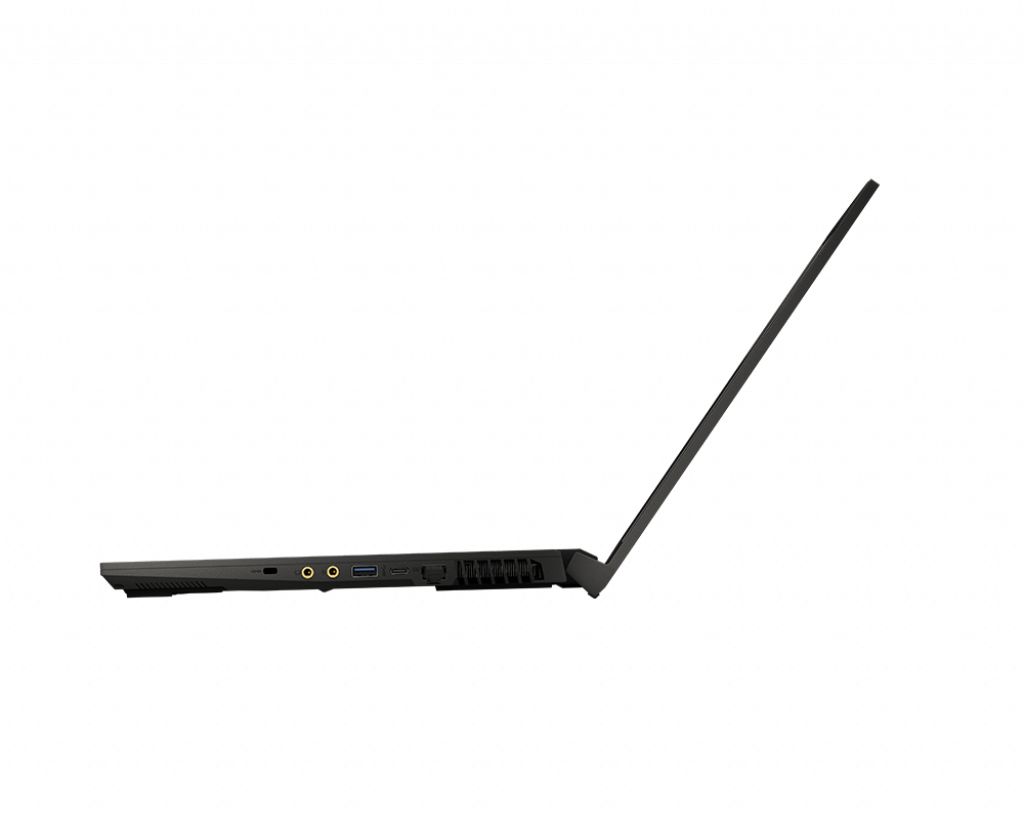
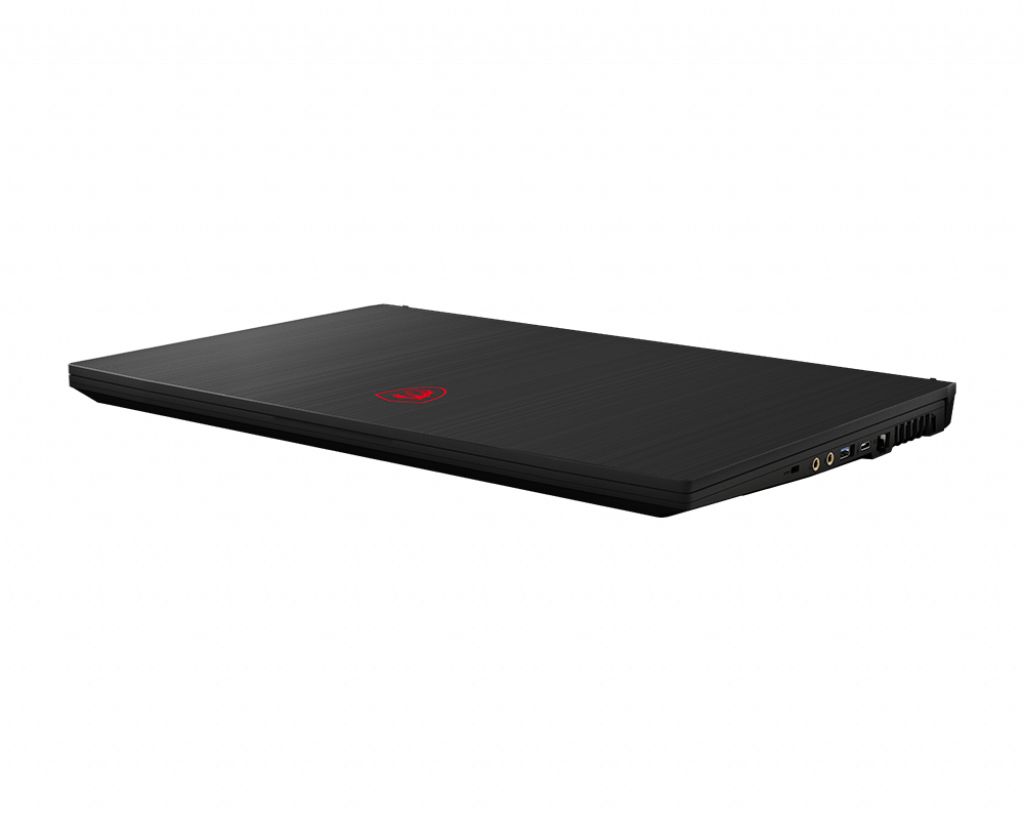
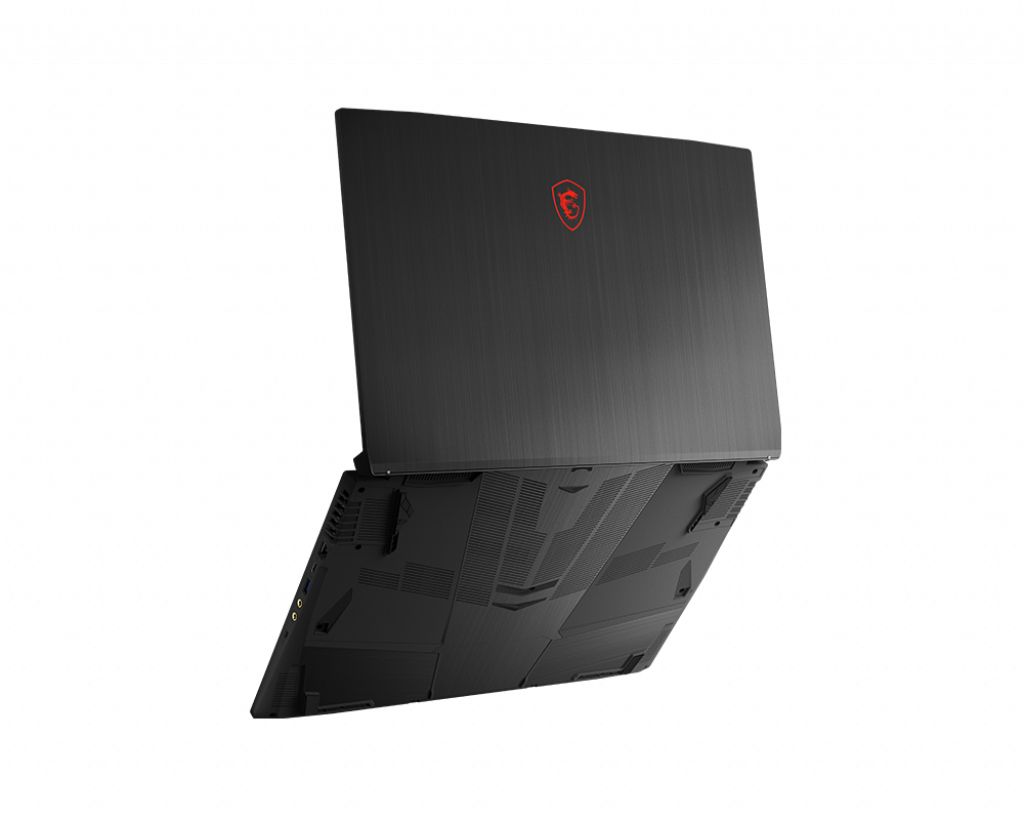
The MSI GF75 8RC-205RU Thin Gaming series laptop contains two SO-DIMM memory slots supporting DDR4-SDRAM modules at 2666 MHz frequency. Maximum RAM capacity reaches 32 GB total when both slots are fully populated. RAM upgrade specifications indicate compatible DDR4 SO-DIMM memory modules can be installed to increase system memory capacity. Existing memory configurations may be replaced or supplemented through the available SO-DIMM slots to achieve desired capacity upgrades within the 32 GB maximum specification limit.
Memory Upgrade Specifications
| Specification | Value |
|---|---|
| Memory slots | 2x SO-DIMM |
| Form factor | SO-DIMM |
| Memory type | DDR4-SDRAM |
| Frequency | 2666 MHz |
| Maximum RAM | 32 GB |
| Voltage | 1.2V |
| Number of pins | 260-pin |
| Interface | PC4 |
| PC Speed Rating | PC4-2666 (PC4-21328) |
| Bandwidth | 21.3 GB/s |
| Laptop Release date | 10 July 2019 |
Additional Notes
- The MSI GF75 8RC-205RU Thin uses standard 260-pin SO-DIMM modules, requiring physical verification before purchase as some manufacturers produce incompatible 262-pin variants marketed as DDR4.
- The 2666 MHz frequency specification indicates compatibility with DDR4-2666, DDR4-2400, and DDR4-2133 modules, though higher-speed modules will downclock to the maximum supported frequency without performance benefit.
- The chipset enforces a 32 GB ceiling across both slots, making 2x16 GB the maximum viable configuration while 2x32 GB modules will either fail POST or truncate to the system limit.
- Single-channel population with one occupied slot halves memory bandwidth compared to dual-channel operation, creating measurable frame rate reduction in GPU-bound gaming scenarios despite identical total capacity.
- Non-matching module capacities trigger asymmetric dual-channel mode (flex mode), where only the matched portion operates in dual-channel while excess capacity reverts to single-channel bandwidth.
- Mixing modules with different primary timings forces all modules to adopt the slowest common timing values, potentially degrading performance even when frequency ratings match.
- DDR4 SO-DIMM modules operate at 1.2V standard voltage, with XMP/overclocking profiles requiring BIOS support that may be absent or locked in OEM firmware implementations.
- The SO-DIMM form factor requires bottom panel removal for access, with specific screw patterns and cable routing varying by chassis revision affecting installation difficulty and warranty seal placement.
- ECC SO-DIMM modules physically fit the slots but lack chipset support in consumer platforms, resulting in boot failure or ECC function disable without error correction benefit.
- Module height exceeding 30mm may create interference with cooling assemblies or chassis components in thin form factor designs, though most standard SO-DIMMs maintain compatible dimensions.