MSI Gaming GF75 8RC-206RU Thin RAM upgrade specifications
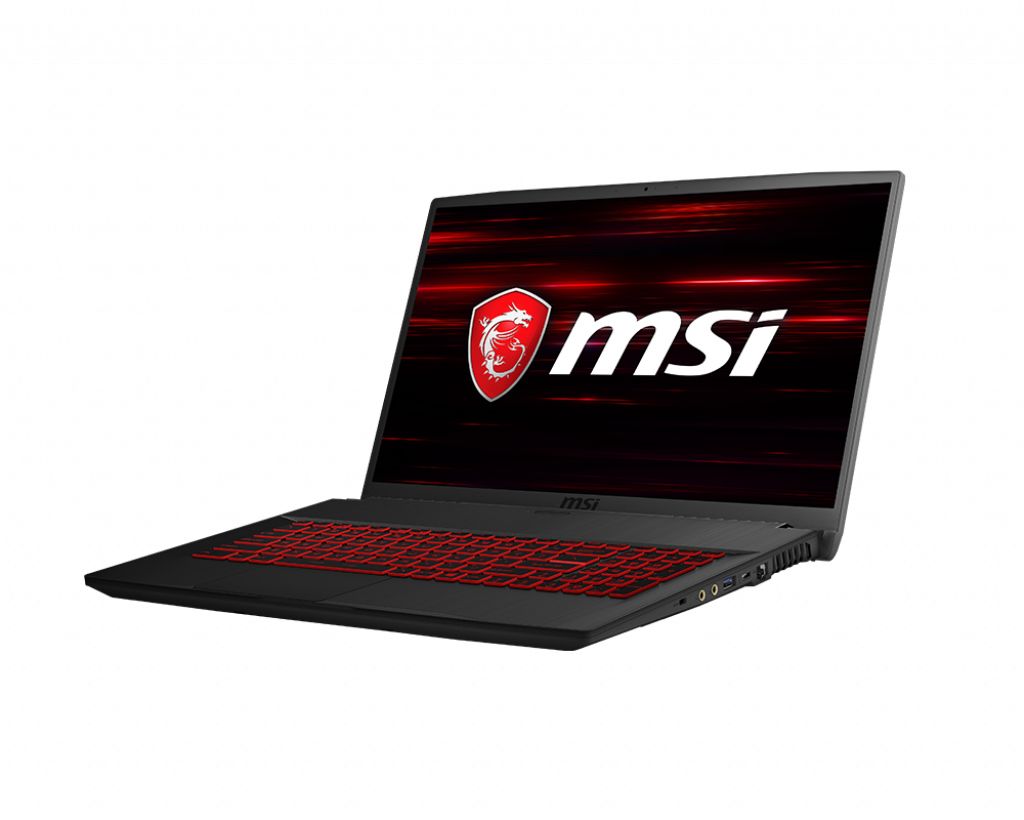
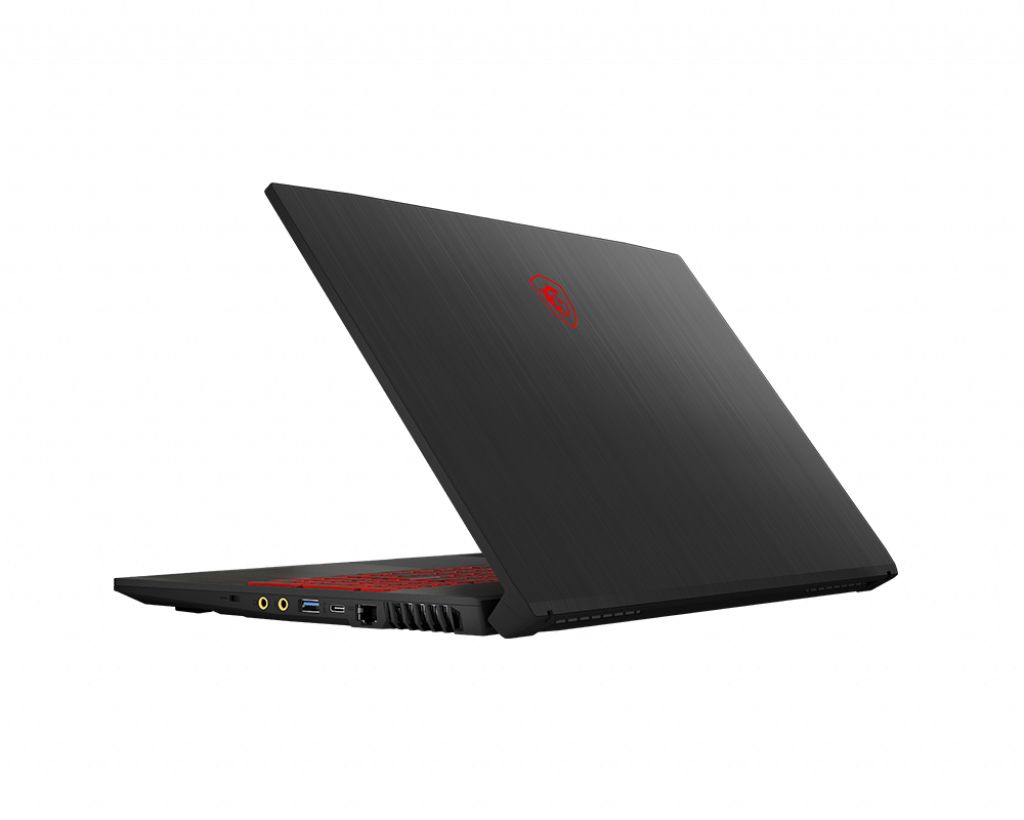
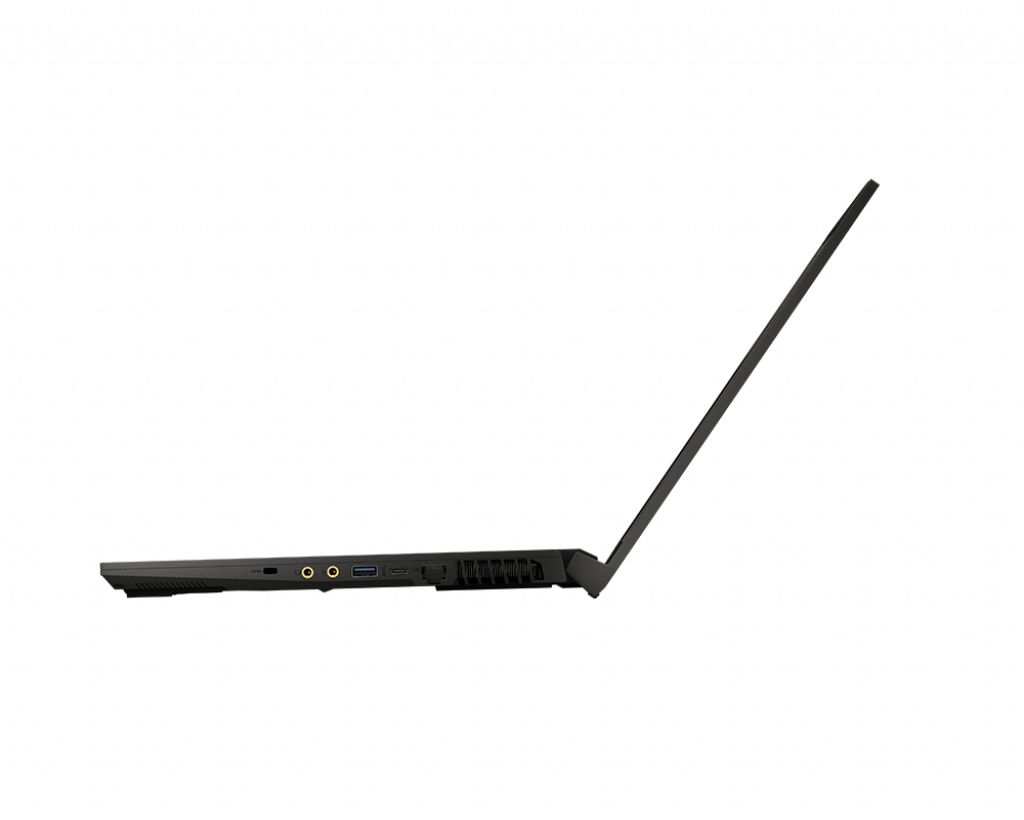
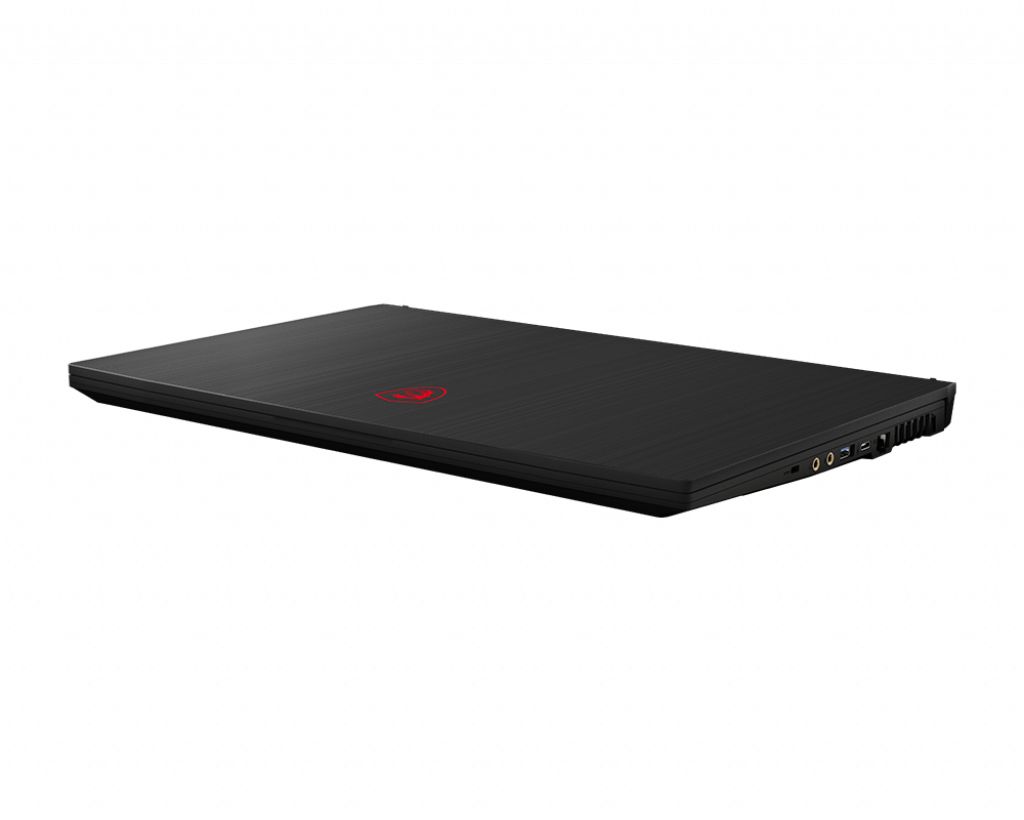
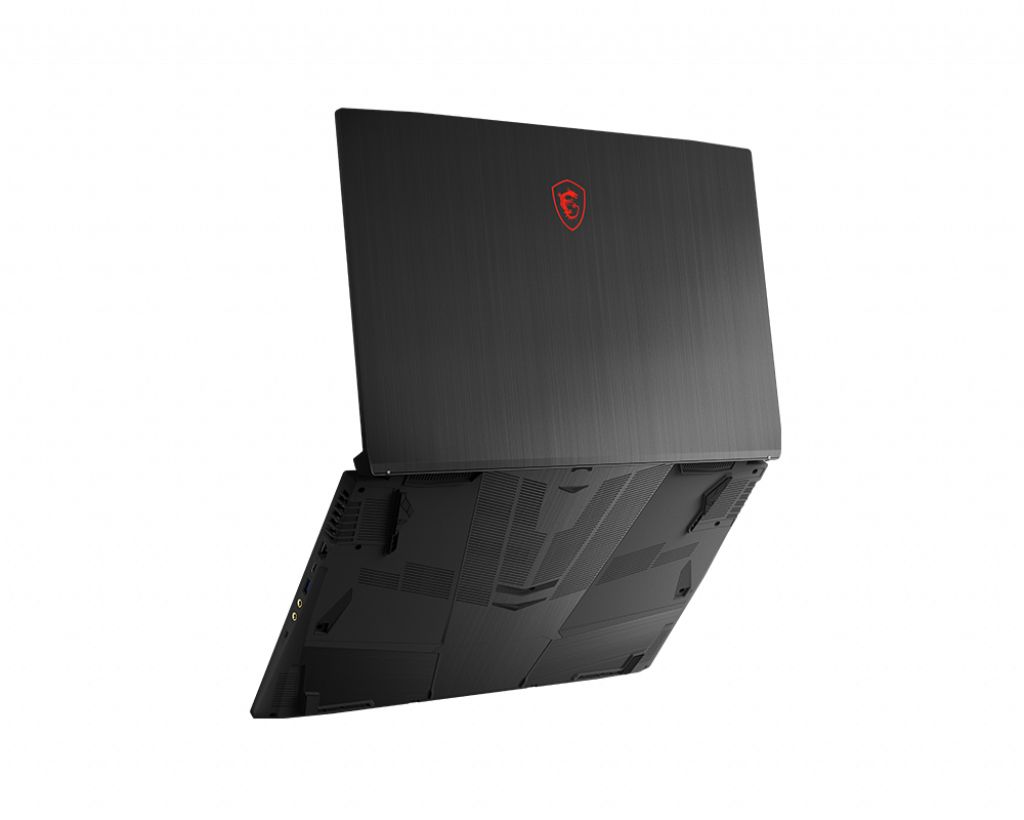
MSI GF75 8RC-206RU Thin Gaming series laptop features two SO-DIMM slots supporting DDR4-SDRAM memory upgrade. Compatible memory specifications include 2666 MHz frequency with maximum capacity of 32 GB total RAM. Upgrade options allow installation of DDR4 modules in both slots to achieve maximum memory configuration. Specifications support standard SO-DIMM form factor memory modules for Gaming GF series compatibility.
Memory Upgrade Specifications
| Specification | Value |
|---|---|
| Memory slots | 2x SO-DIMM |
| Form factor | SO-DIMM |
| Memory type | DDR4-SDRAM |
| Frequency | 2666 MHz |
| Maximum RAM | 32 GB |
| Voltage | 1.2V |
| Number of pins | 260-pin |
| Interface | PC4 |
| PC Speed Rating | PC4-2666 (PC4-21328) |
| Bandwidth | 21.3 GB/s |
| Laptop Release date | 10 July 2019 |
Additional Notes
- The 32 GB ceiling exists due to chipset memory controller limitations, preventing configuration beyond 2 slots populated with 16 GB modules each.
- DDR4-2666 represents the maximum officially validated speed, though module compatibility depends on Intel 8th generation Coffee Lake memory controller specifications.
- Both SO-DIMM slots require simultaneous population to enable dual-channel bandwidth, as single-module configurations halve theoretical memory throughput to approximately 21 GB/s.
- Gaming workloads on this MSI GF75 8RC-206RU Thin platform benefit measurably from dual-channel operation when frame rates approach or exceed 60 FPS in memory-intensive titles.
- Standard SO-DIMM installation through the bottom panel access door preserves manufacturer warranty coverage, unlike soldered memory designs requiring professional rework services.
- Mixing different capacity modules between slots remains technically functional but may force the memory controller into asymmetric dual-channel or flex mode with reduced performance.
- Modules rated above 2666 MHz will downclock automatically to match platform specifications, offering no performance advantage over native-speed components.
- CAS latency variations between CL15, CL17, and CL19 modules produce minimal real-world impact at this frequency tier compared to higher-speed desktop platforms.
- Thermal considerations remain modest with SO-DIMM packages due to lower voltage requirements of DDR4 compared to legacy DDR3L implementations.
- Upgrading from 8 GB to 16 GB yields substantial benefits in multitasking scenarios, while progression beyond 16 GB primarily serves content creation or virtual machine applications rather than typical gaming usage.