MSI Gaming GF75 8RC-208XRU Thin RAM upgrade specifications
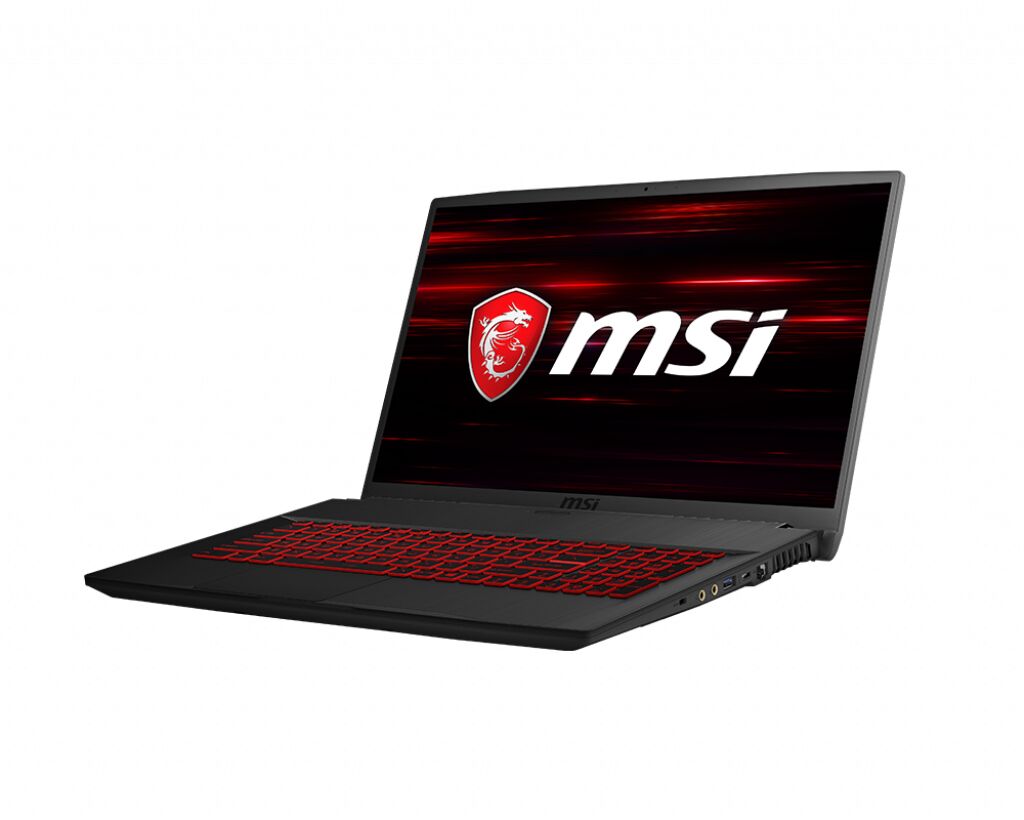
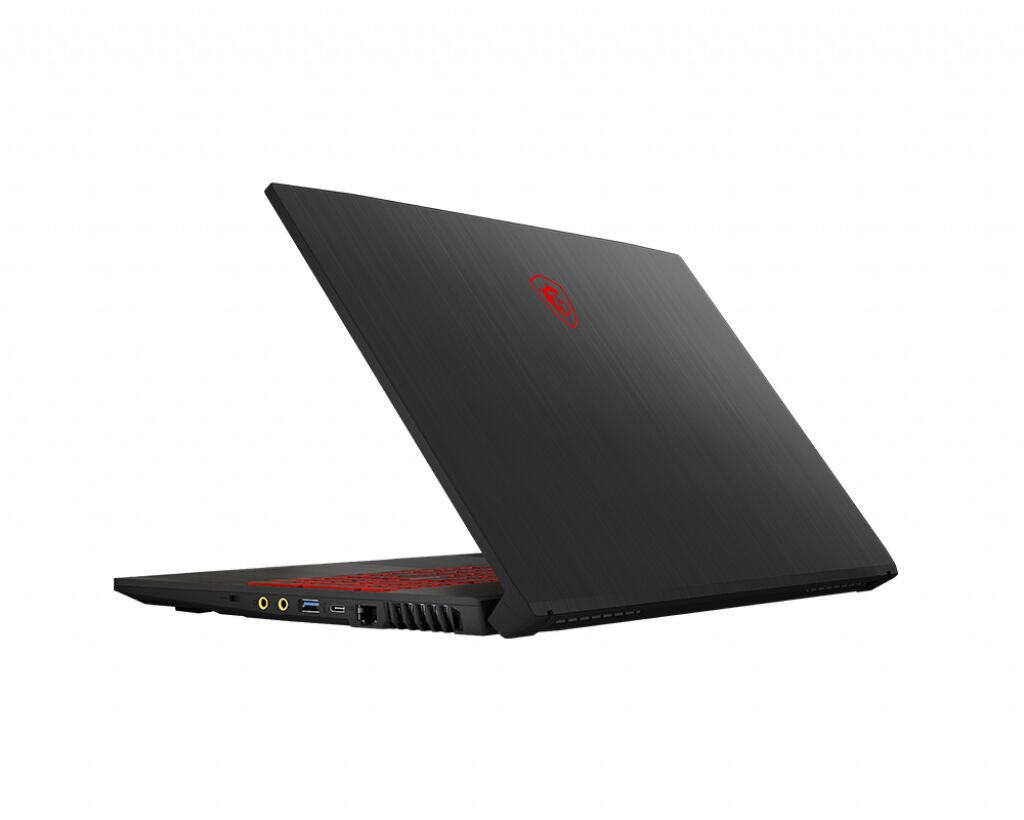
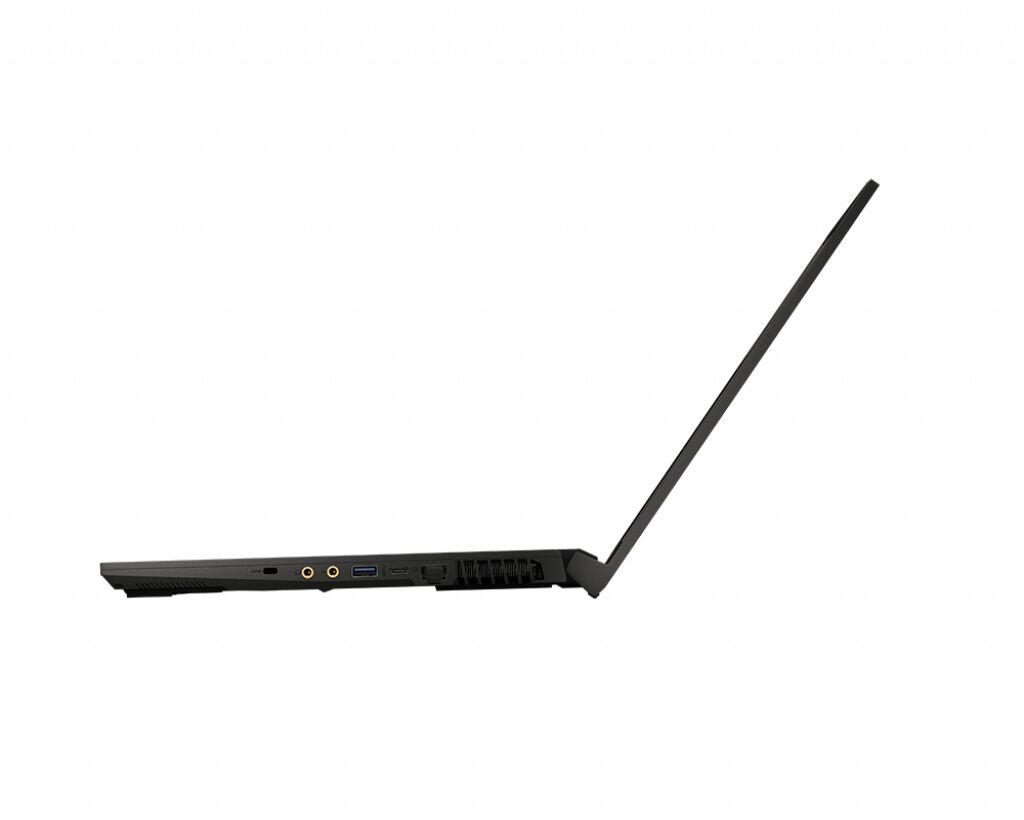
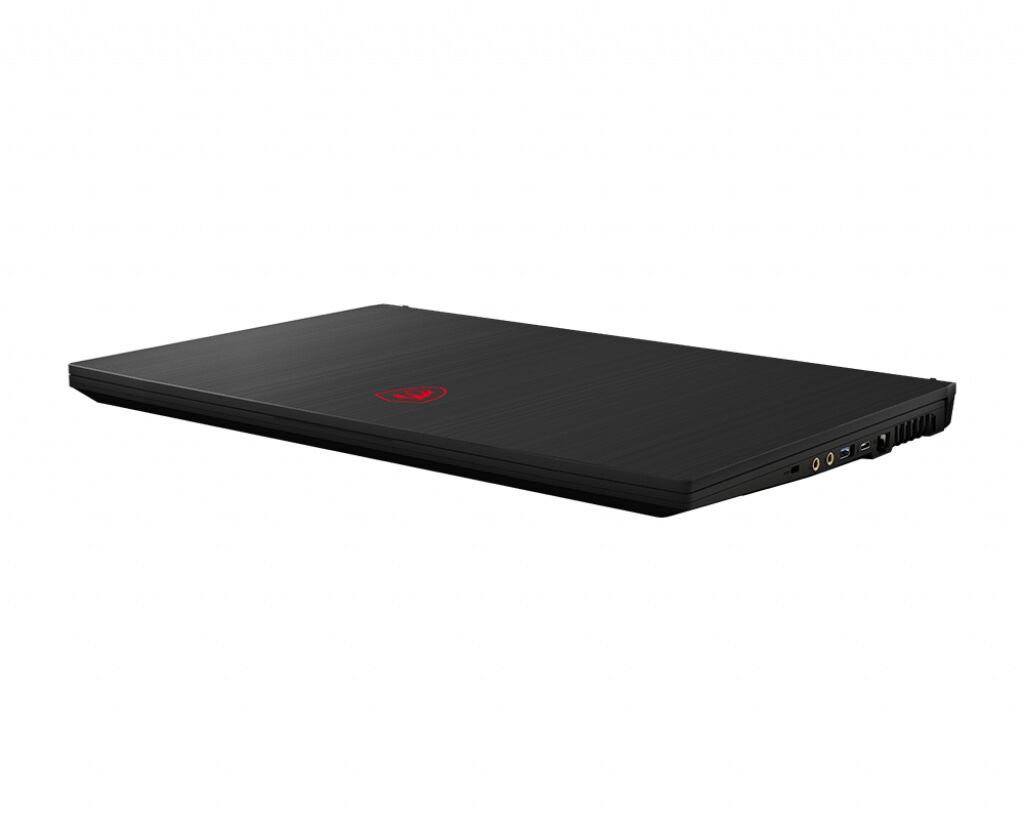
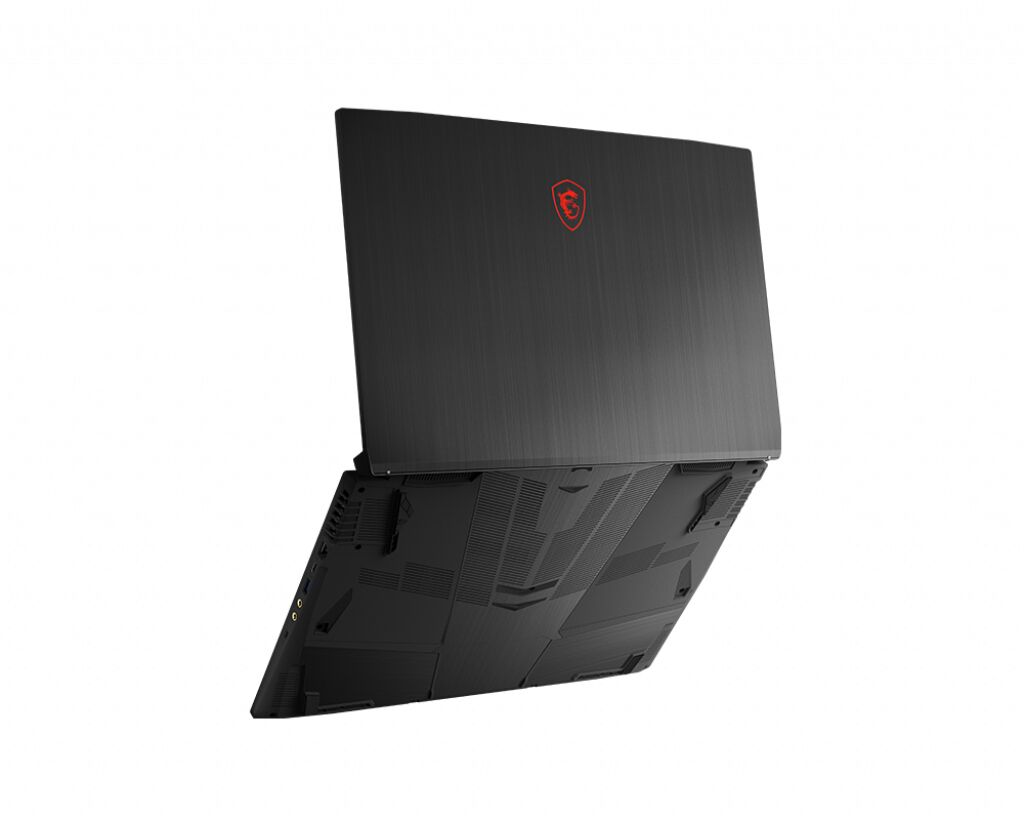
MSI GF75 8RC-208XRU Thin gaming laptop memory upgrade specifications include two SO-DIMM slots supporting DDR4-SDRAM at 2666 MHz frequency. Maximum RAM capacity reaches 32 GB total. Compatible memory modules must match DDR4-SDRAM specifications with SO-DIMM form factor. Current configuration allows expansion through available slots. Upgrade options enable users to increase memory capacity for enhanced multitasking performance. Specifications confirm DDR4 compatibility and SO-DIMM physical format requirements for memory modules.
Memory Upgrade Specifications
| Specification | Value |
|---|---|
| Memory slots | 2x SO-DIMM |
| Form factor | SO-DIMM |
| Memory type | DDR4-SDRAM |
| Frequency | 2666 MHz |
| Maximum RAM | 32 GB |
| Voltage | 1.2V |
| Number of pins | 260-pin |
| Interface | PC4 |
| PC Speed Rating | PC4-2666 (PC4-21328) |
| Bandwidth | 21.3 GB/s |
| Laptop Release date | 10 July 2019 |
Additional Notes
- The MSI GF75 8RC-208XRU Thin uses laptop-class SO-DIMM modules rather than full-size DIMMs, limiting selection to compact memory sticks and restricting upgrade sourcing to mobile-specific product lines.
- 2 slots with 32 GB maximum capacity indicates single-channel configuration constraints until both slots are populated; asymmetric configurations (16 GB plus 8 GB modules) will operate in single-channel mode for the mismatched capacity.
- DDR4-2666 MHz specification establishes a hard ceiling on operational frequency; newer DDR4 modules rated for 3000+ MHz will throttle down to 2666 MHz, eliminating performance gains from higher-speed purchases.
- SO-DIMM form factor requires complete module extraction and reinsertion rather than augmentation; the second slot cannot be left empty if maximum capacity is desired, forcing either dual-16 GB configuration or wasteful single-slot underutilization.
- Memory bandwidth ceiling of approximately 21 GB/s (based on 2666 MHz with 64-bit bus width) may introduce minor latency in GPU-intensive workloads when paired with discrete graphics; bandwidth becomes the bottleneck before CPU cache effects occur.
- Warranty preservation typically requires using identical module brands and part numbers across both slots; mixing manufacturers or speed grades risks voiding coverage even if technically functional.