MSI Gaming GF75 8RCS-057CA Thin RAM upgrade specifications

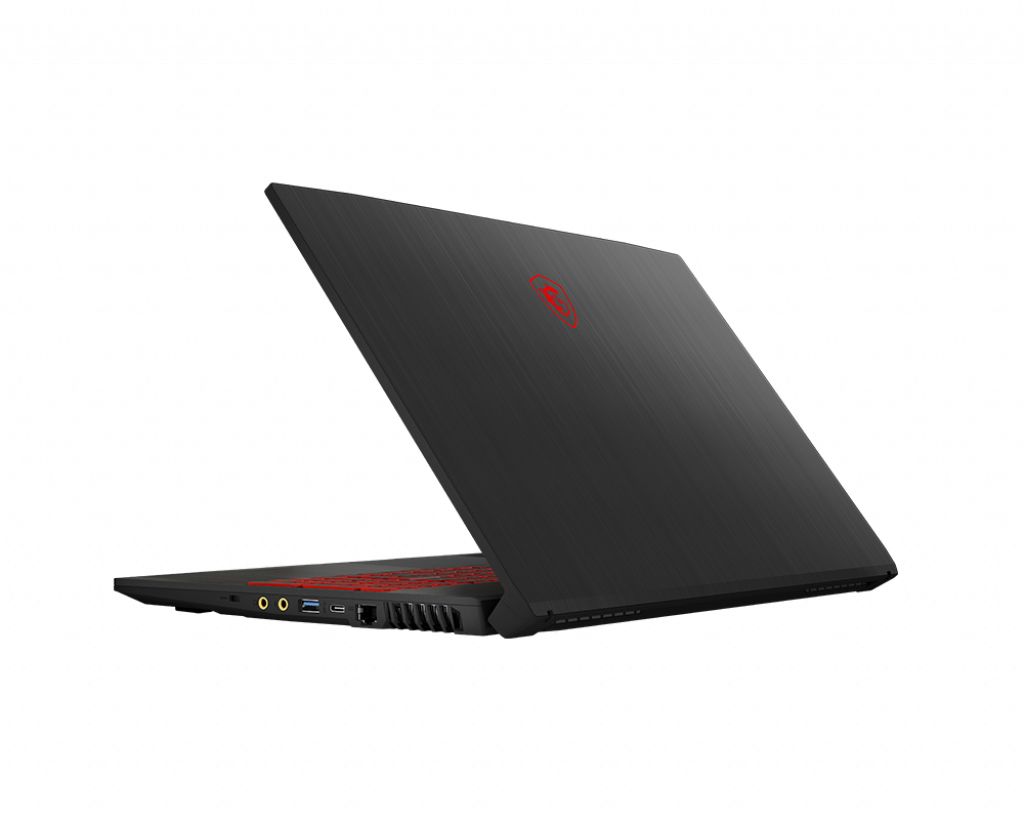
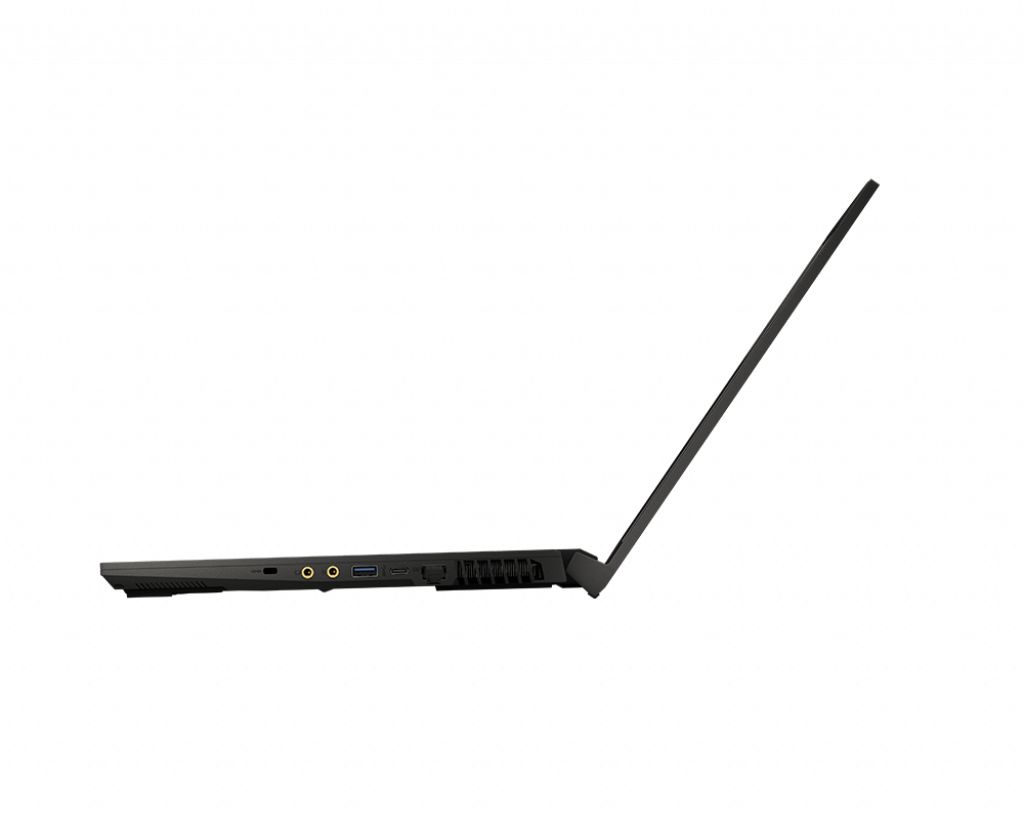

The MSI GF75 8RCS-057CA Thin Gaming series laptop features DDR4-SDRAM memory upgrade specifications with two SO-DIMM slots supporting maximum capacity of 32 GB. The memory operates at 2666 MHz frequency. Compatible RAM upgrades must utilize the SO-DIMM form factor for proper installation in the available slots. Current memory configuration details and upgrade pathways depend on baseline specifications of individual units.
Memory Upgrade Specifications
| Specification | Value |
|---|---|
| Memory slots | 2x SO-DIMM |
| Form factor | SO-DIMM |
| Memory type | DDR4-SDRAM |
| Frequency | 2666 MHz |
| Maximum RAM | 32 GB |
| Voltage | 1.2V |
| Number of pins | 260-pin |
| Interface | PC4 |
| PC Speed Rating | PC4-2666 (PC4-21328) |
| Bandwidth | 21.3 GB/s |
| Laptop Release date | 16 September 2019 |
Additional Notes
- Dual channel architecture requires matching memory modules in both slots to provide maximum memory bandwidth for the MSI GF75 8RCS-057CA Thin during heavy gaming or rendering tasks.
- The processor architecture limits the supported memory speed to its native 2666 MHz regardless of higher rated modules being installed as the system downclocks faster frequencies automatically.
- Upgrading to the 32 GB threshold necessitates removing any existing factory modules because the motherboard lacks additional vacant expansion slots beyond the primary 2.
- Installing high density 16 GB modules per slot is necessary to reach the maximum capacity since the hardware does not support 32 GB single stick configurations.
- The SO-DIMM form factor indicates a 260 pin physical interface which is incompatible with standard desktop DIMM hardware or older DDR3 generations.
- Latency variations between different brands of memory can lead to system instability or boot failures if the CAS latency values are not synchronized across both banks.
- Thermal constraints within the thin chassis design mean that memory modules with large integrated heat spreaders may interfere with the bottom casing shell or internal cooling pipes.