MSI Gaming GF75 8RD-203TR Thin RAM upgrade specifications
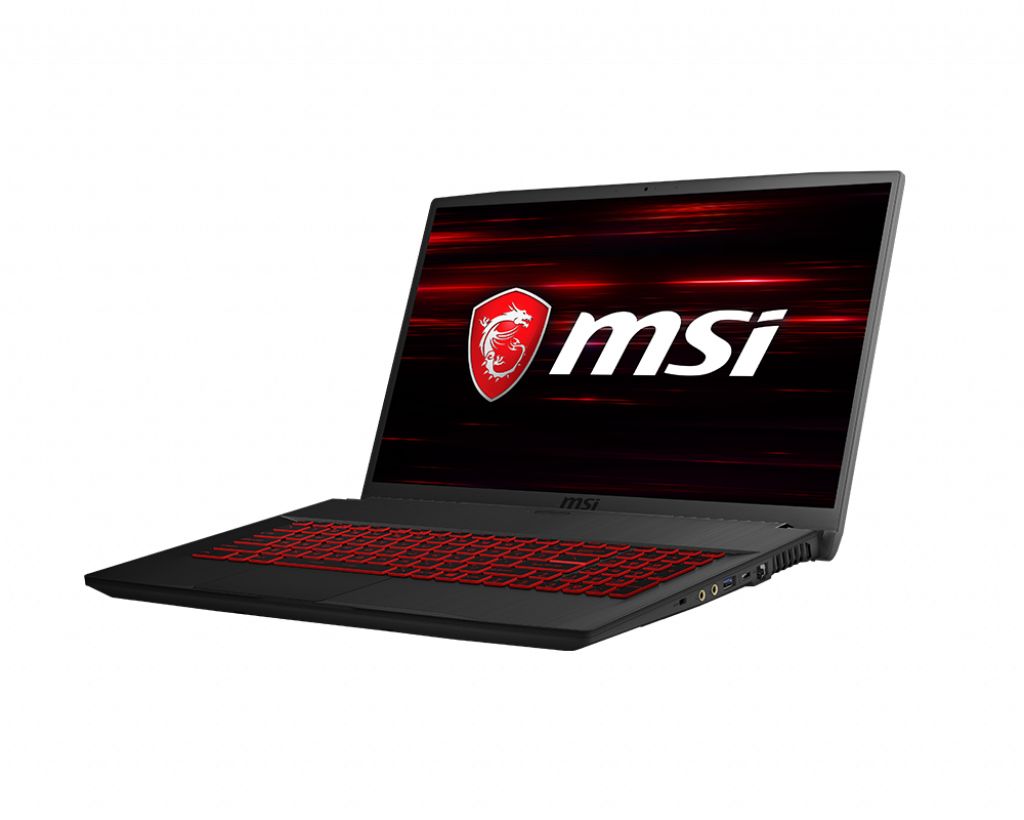
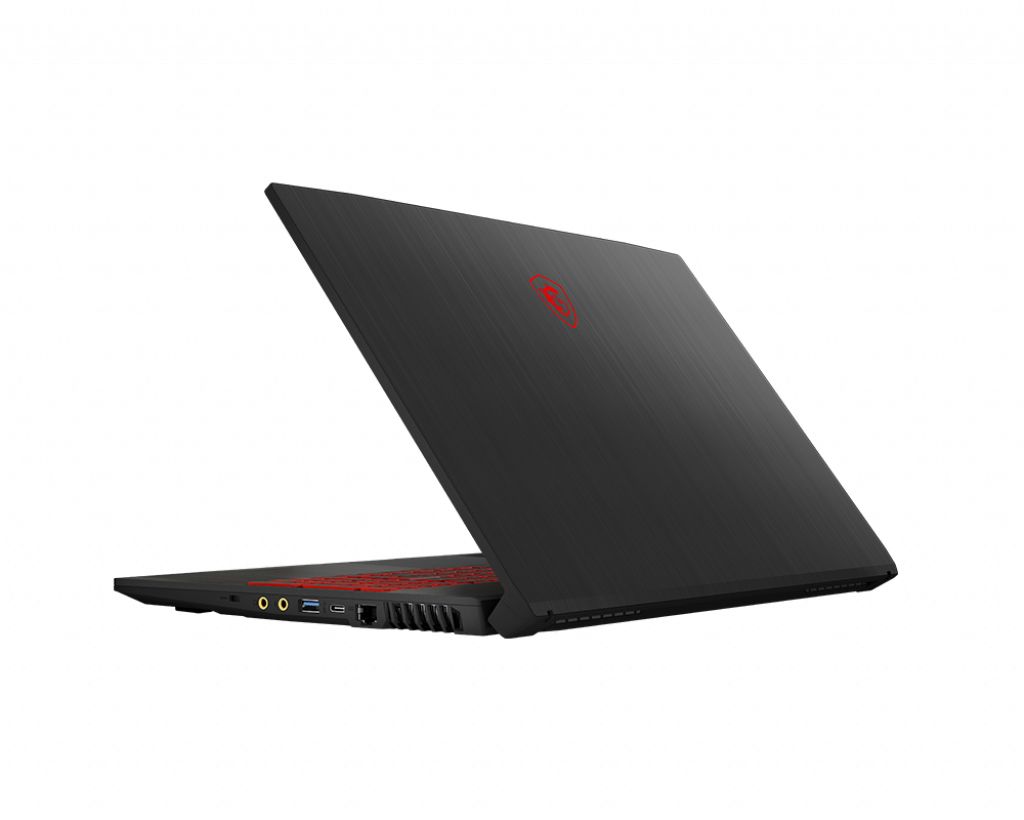
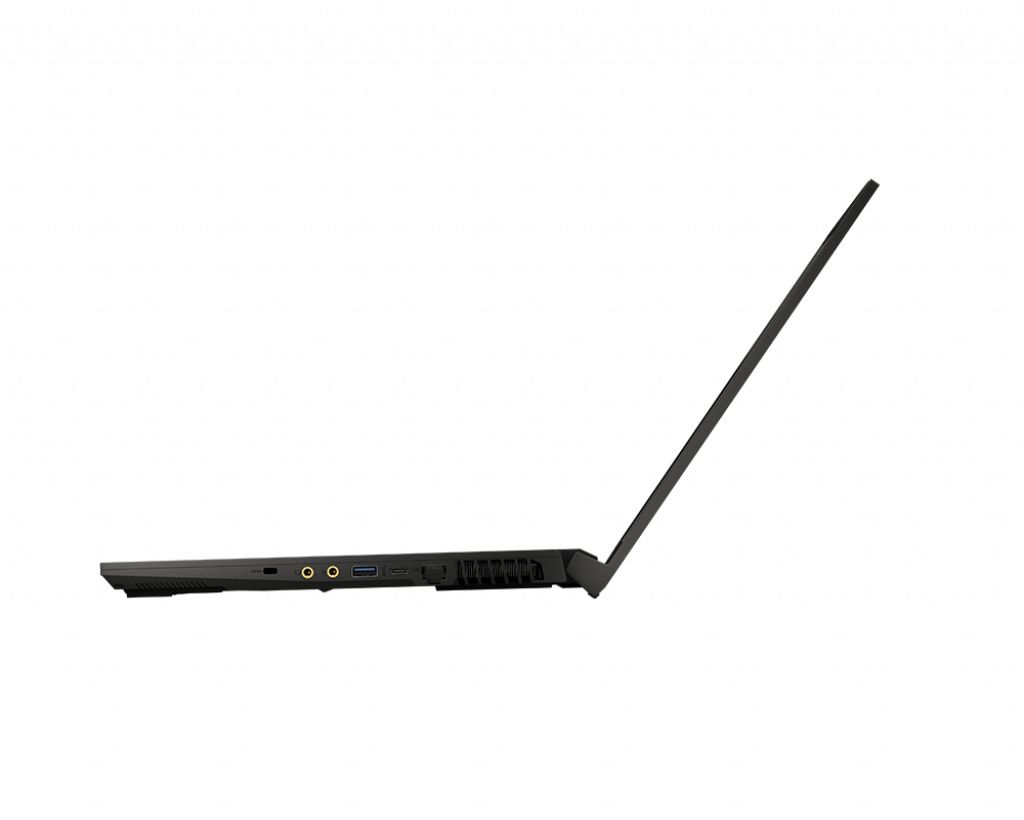
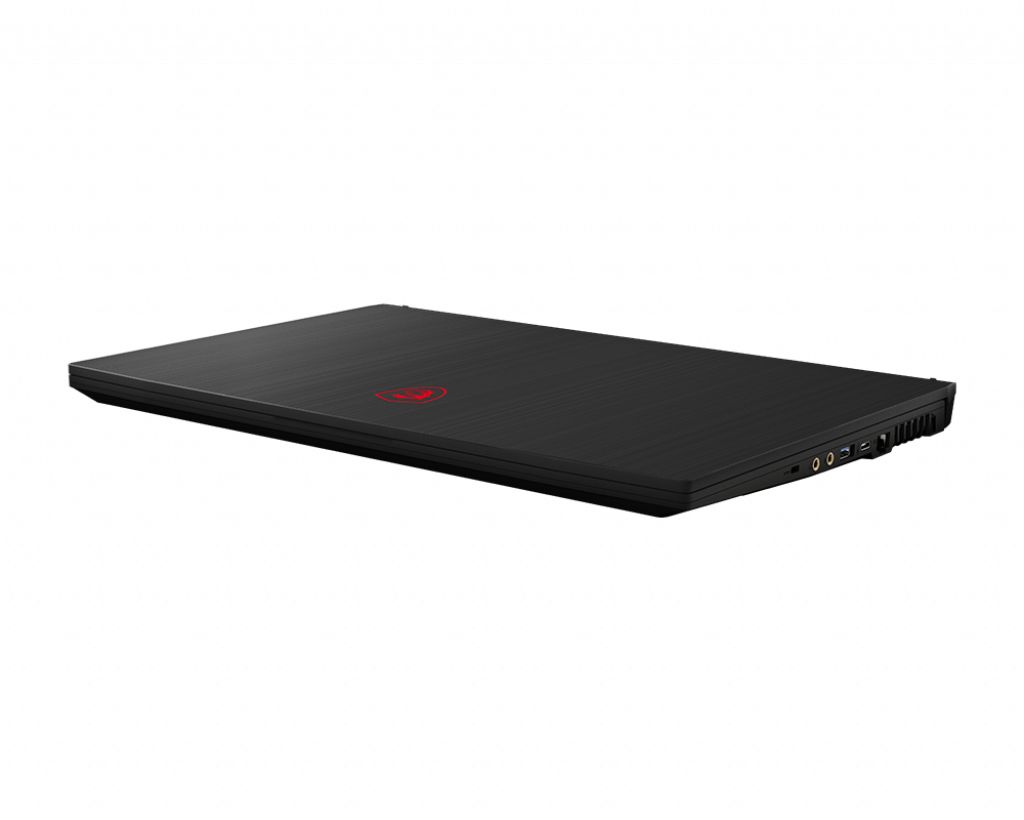
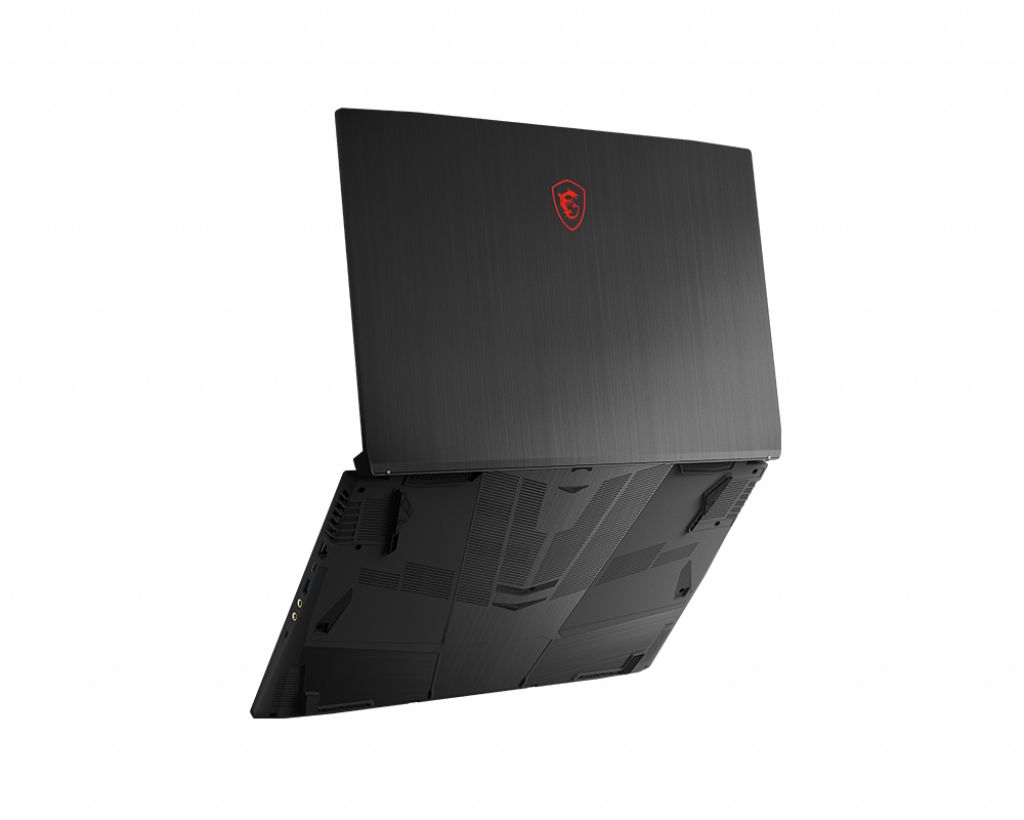
MSI GF75 8RD-203TR Thin gaming laptop supports DDR4-SDRAM memory upgrade through two SO-DIMM slots. Maximum RAM capacity reaches 32 GB with compatible DDR4 modules operating at 2666 MHz frequency. Specifications indicate dual-slot configuration enabling memory expansion for enhanced system performance. The GF series gaming model accommodates SO-DIMM form factor upgrades, providing flexible memory configuration options for users requiring increased RAM capacity.
Memory Upgrade Specifications
| Specification | Value |
|---|---|
| Memory slots | 2x SO-DIMM |
| Form factor | SO-DIMM |
| Memory type | DDR4-SDRAM |
| Frequency | 2666 MHz |
| Maximum RAM | 32 GB |
| Voltage | 1.2V |
| Number of pins | 260-pin |
| Interface | PC4 |
| PC Speed Rating | PC4-2666 (PC4-21328) |
| Bandwidth | 21.3 GB/s |
| Laptop Release date | 05 July 2019 |
Additional Notes
- The MSI GF75 8RD-203TR Thin uses SO-DIMM slots rather than full-size DIMM, restricting module selection to laptop-grade components and eliminating desktop RAM compatibility entirely.
- DDR4-2666 MHz represents a bandwidth ceiling of approximately 21 GB/s per channel, creating a potential performance constraint when paired with modern graphics workloads that can saturate memory buses on newer GPU architectures.
- The 2-slot configuration with a 32 GB ceiling means maximum single-module capacity is 16 GB per slot; upgrading beyond 16 GB total requires replacing both existing modules rather than adding capacity incrementally.
- SO-DIMM modules generate higher heat density than desktop equivalents due to compact construction, requiring verification that the laptop's thermal design accommodates the power consumption profile of replacement modules, particularly high-performance DDR4 variants.
- Memory frequency negotiation may occur if replacement modules exceed native 2666 MHz specifications; most DDR4 laptop modules operate in backward-compatible modes but will downclock to 2400 MHz or 2133 MHz if the BIOS lacks support for higher ratings.
- Warranty coverage typically remains intact for RAM upgrades on gaming laptops when using modules meeting manufacturer compatibility guidelines, though proprietary BIOS settings may require manual adjustment post-installation to recognize capacity increases above factory configurations.
- The 2-slot limitation creates a single point of failure risk; if one module becomes defective, the system loses half its addressable memory rather than operating in degraded-capacity mode, making redundant backup storage critical for gaming sessions and intensive workloads.