MSI Gaming GF75 9SC-200FR Thin RAM upgrade specifications
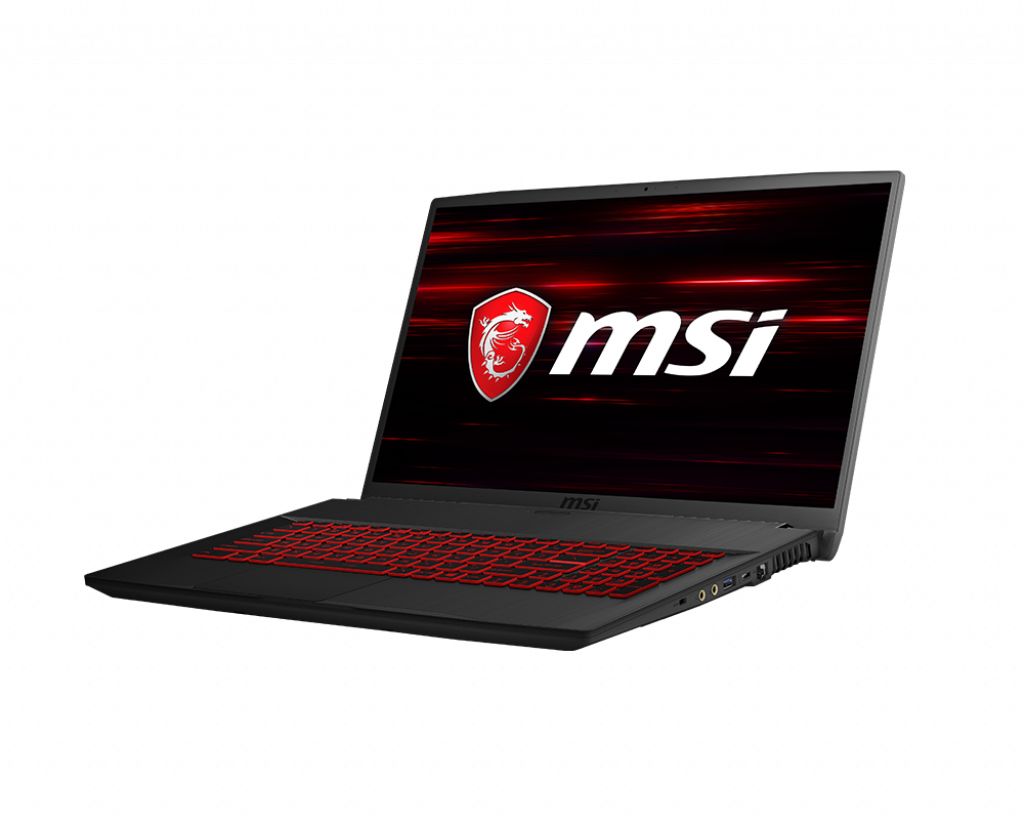
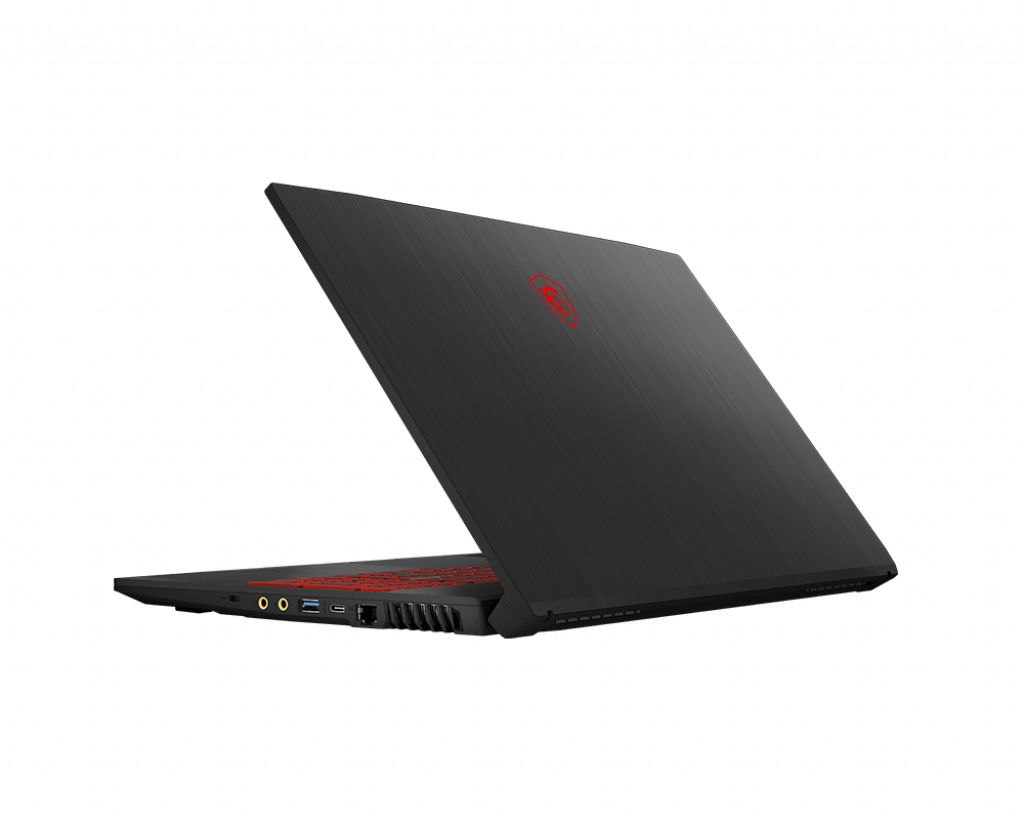
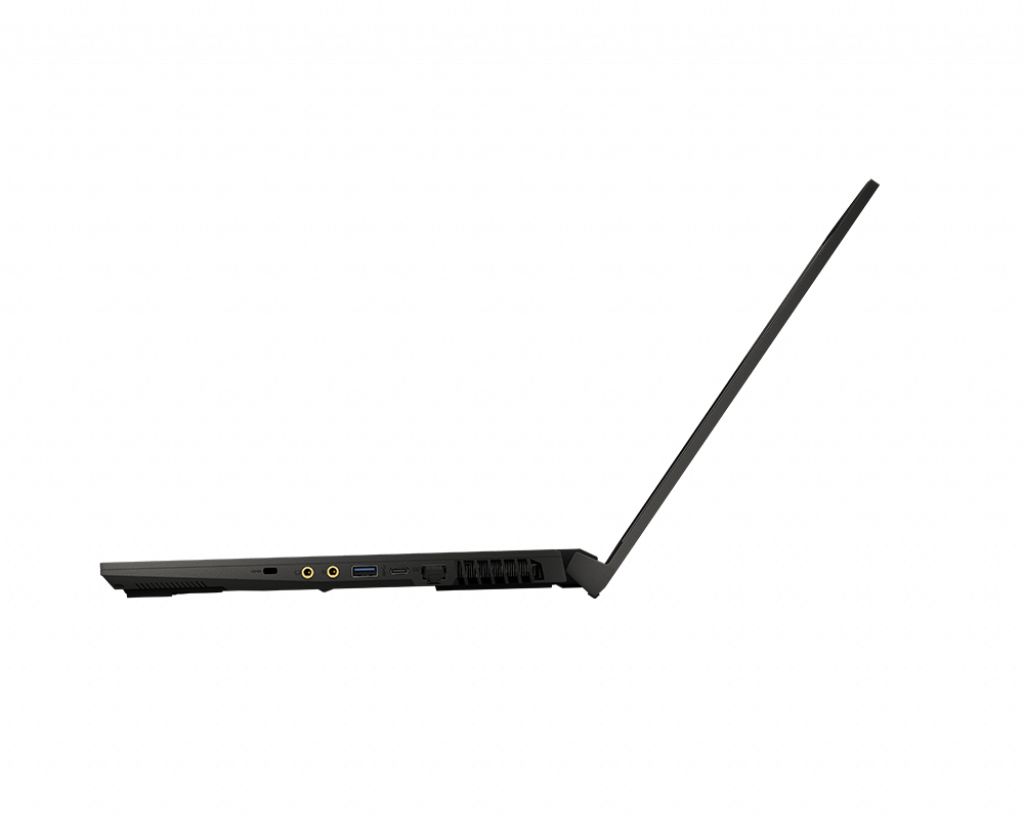
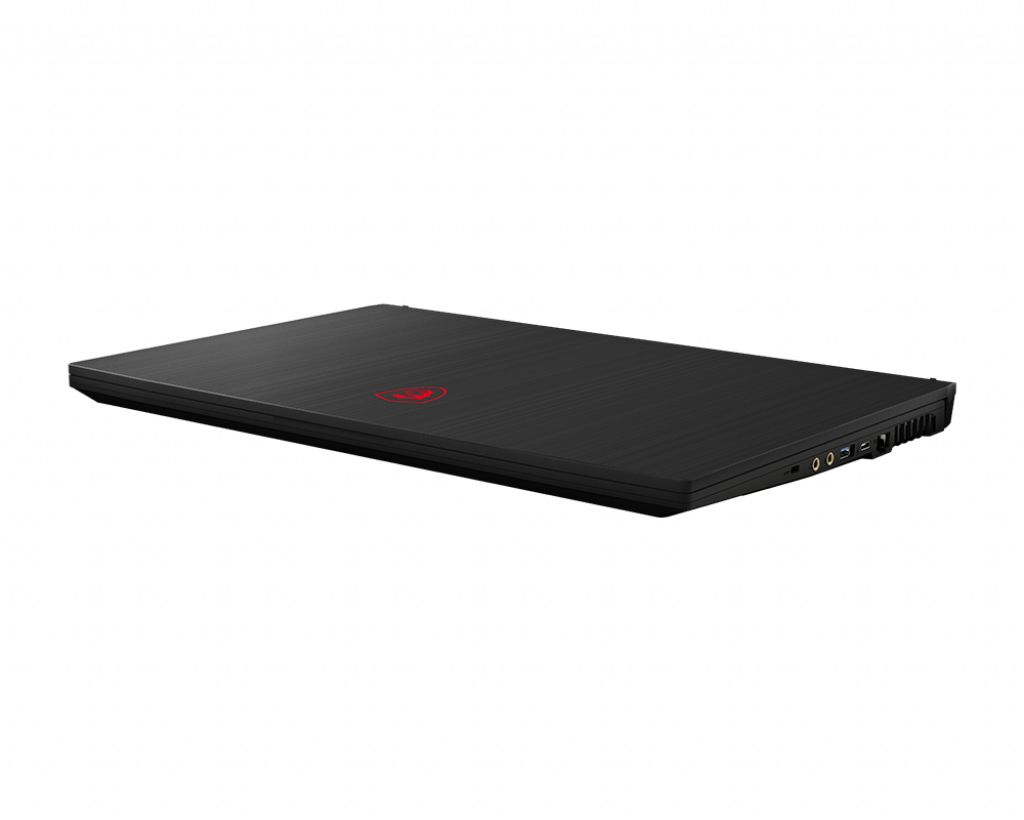
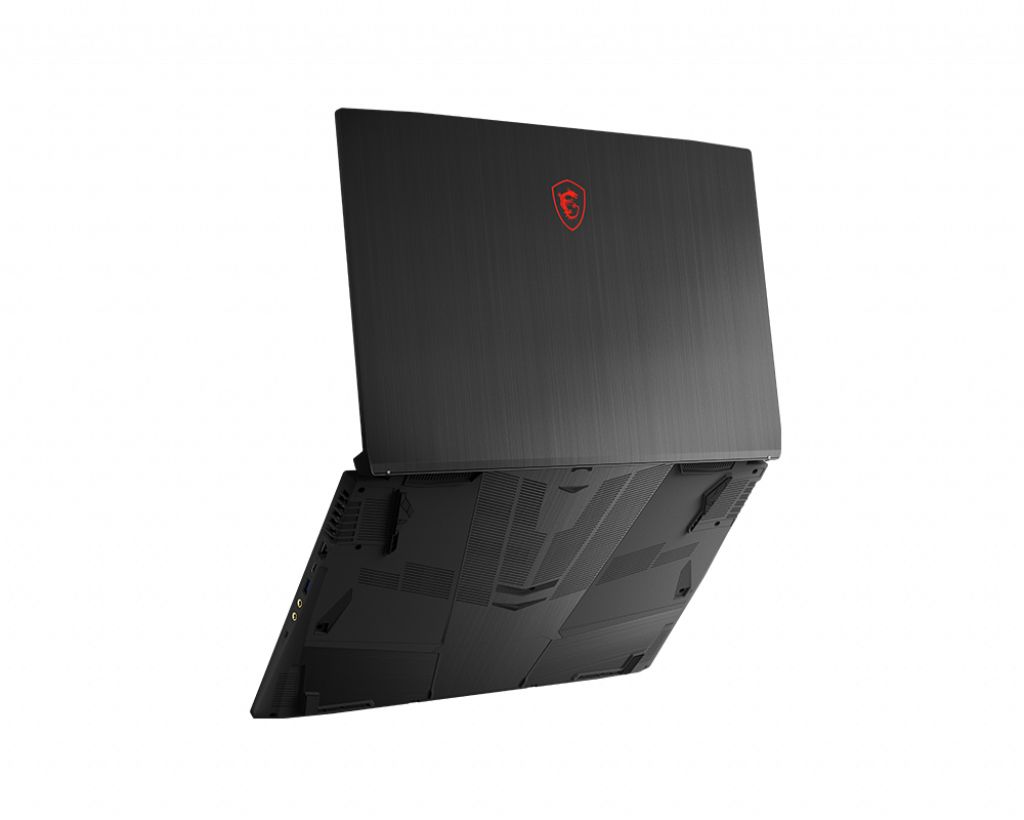
MSI GF75 9SC-200FR Thin Gaming series laptop supports DDR4-SDRAM memory upgrades. The machine features 2x SO-DIMM slots accommodating a maximum RAM capacity of 64 GB. Compatible memory operates at 2666 MHz frequency with SO-DIMM form factor. Specifications indicate upgrade potential for users requiring enhanced memory performance on the Gaming GF series platform.
Memory Upgrade Specifications
| Specification | Value |
|---|---|
| Memory slots | 2x SO-DIMM |
| Form factor | SO-DIMM |
| Memory type | DDR4-SDRAM |
| Frequency | 2666 MHz |
| Maximum RAM | 64 GB |
| Voltage | 1.2V |
| Number of pins | 260-pin |
| Interface | PC4 |
| PC Speed Rating | PC4-2666 (PC4-21328) |
| Bandwidth | 21.3 GB/s |
| Laptop Release date | 26 April 2019 |
Additional Notes
- The MSI GF75 9SC-200FR Thin chipset supports dual-channel memory architecture, meaning performance gains occur when both SO-DIMM slots are populated with matched capacity modules rather than using a single stick configuration.
- Standard DDR4 modules rated at speeds above 2666 MHz will automatically downclock to match the system's maximum supported frequency, making higher-rated kits functionally equivalent to 2666 MHz variants in this chassis.
- The 64 GB ceiling requires two 32 GB modules, which may present cost implications compared to more common 8 GB or 16 GB density options available in the consumer market.
- SO-DIMM module height tolerances rarely create clearance issues in this form factor, though aftermarket modules with oversized heat spreaders could theoretically interfere with keyboard assembly or bottom panel closure during installation.
- Both memory slots reside on the motherboard underside, accessible through the bottom service panel rather than via keyboard deck removal, simplifying physical access for end-user upgrades.
- The 2666 MHz specification indicates DDR4-2666 or PC4-21300 compatibility labeling on retail packaging, which translates to 21.3 GB/s theoretical bandwidth per channel in dual-channel configuration.
- Mixing modules with different latency timings will force the memory controller to adopt the slower timing profile across both slots, potentially degrading performance compared to matched pairs with identical SPD specifications.
- Memory upgrades on this platform do not require BIOS reflashing or manual frequency adjustments, as DDR4 JEDEC standard profiles activate automatically at boot without user intervention.
- Warranty preservation typically remains intact for user-installed memory provided the upgrade process causes no physical damage to surrounding components or electrostatic discharge to the motherboard traces.
- The absence of ECC support in consumer DDR4-SDRAM configurations means error correction relies solely on module-level parity checking rather than system-level fault tolerance mechanisms.