MSI Gaming GF75 9SC-079IT Thin RAM upgrade specifications
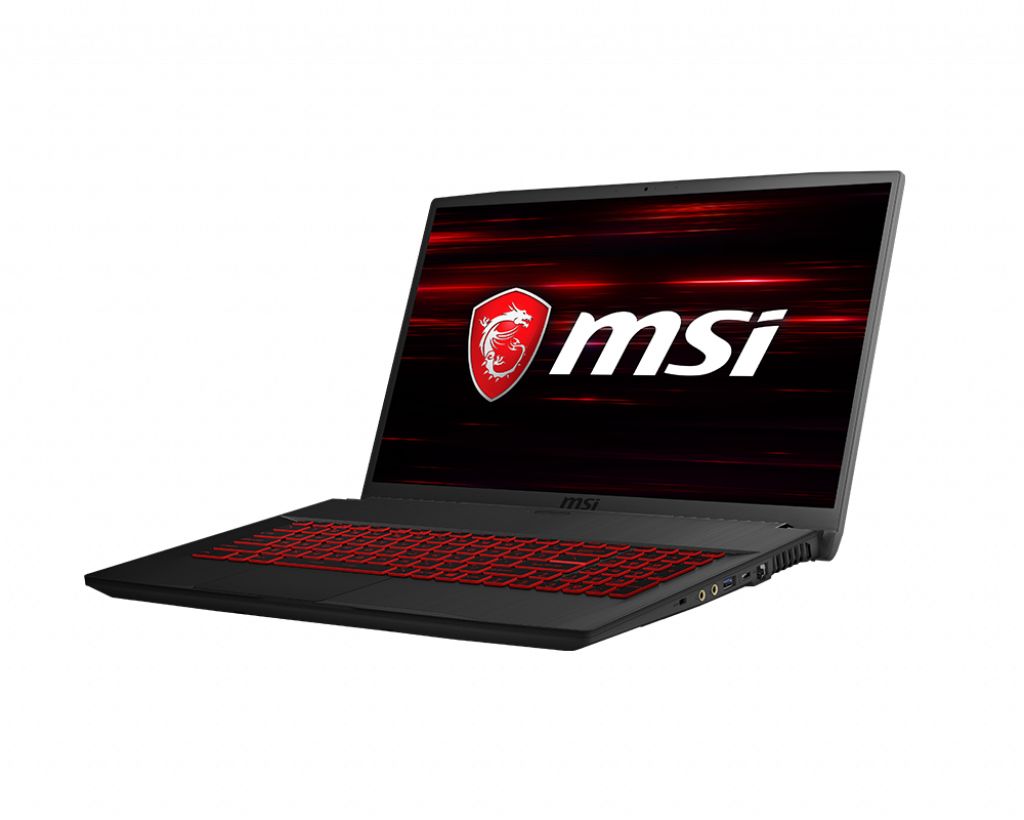
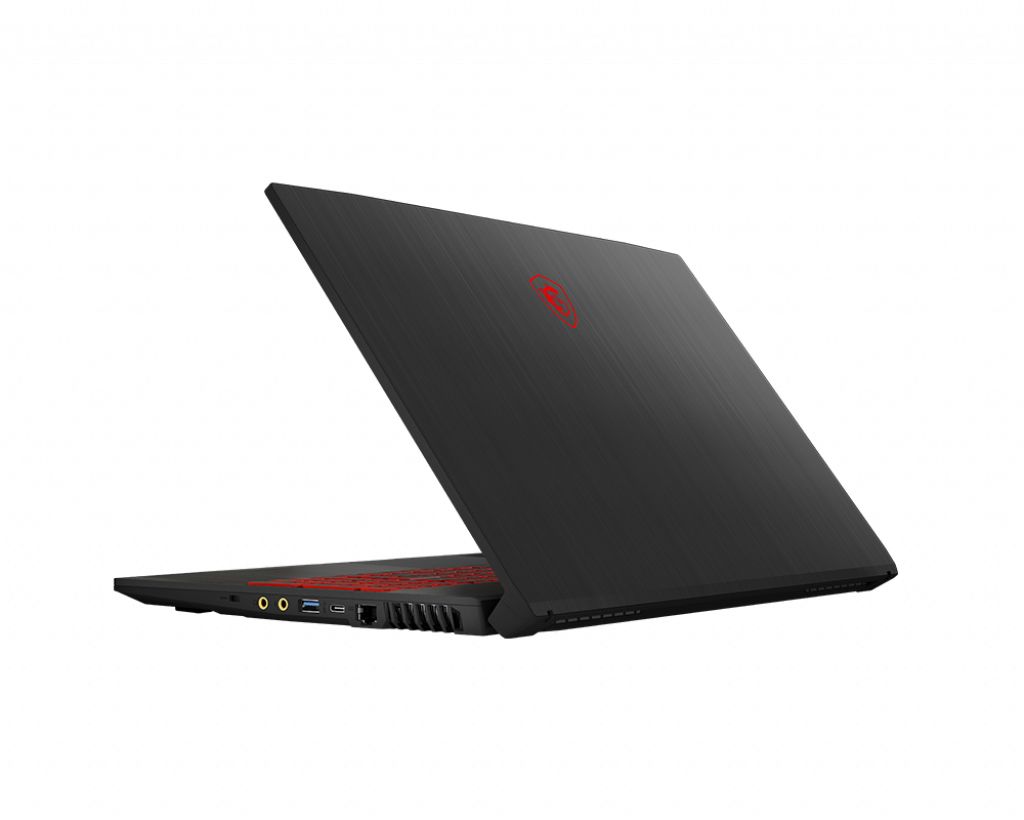
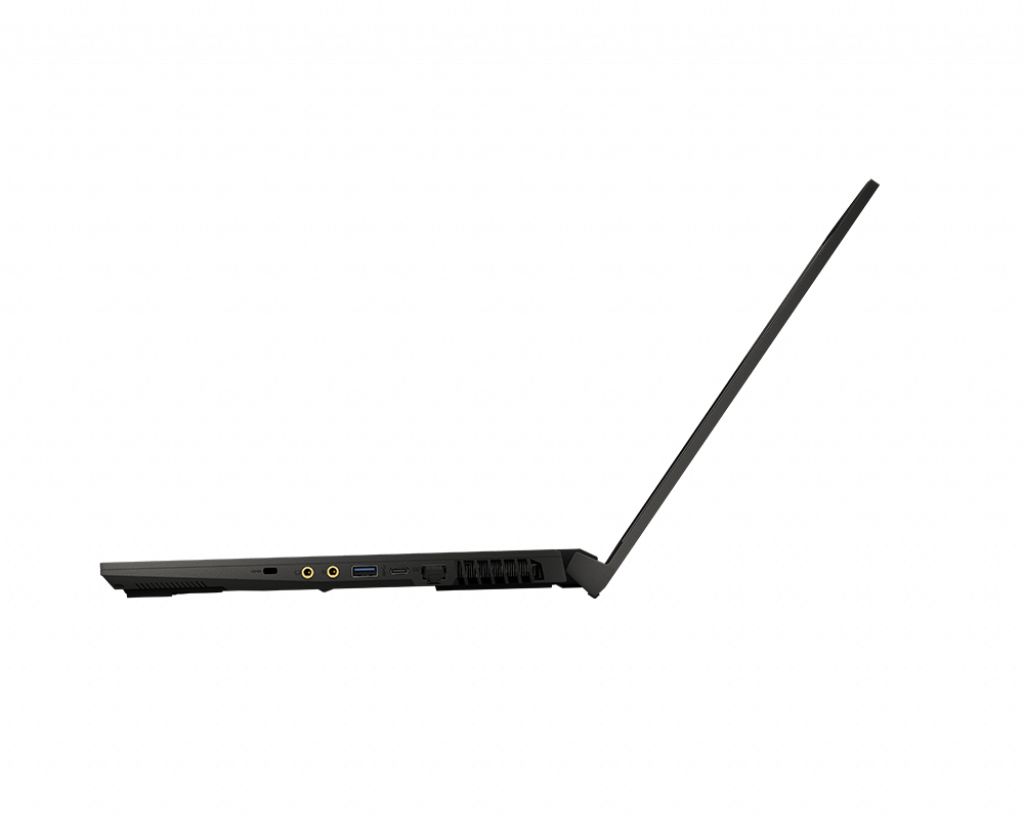
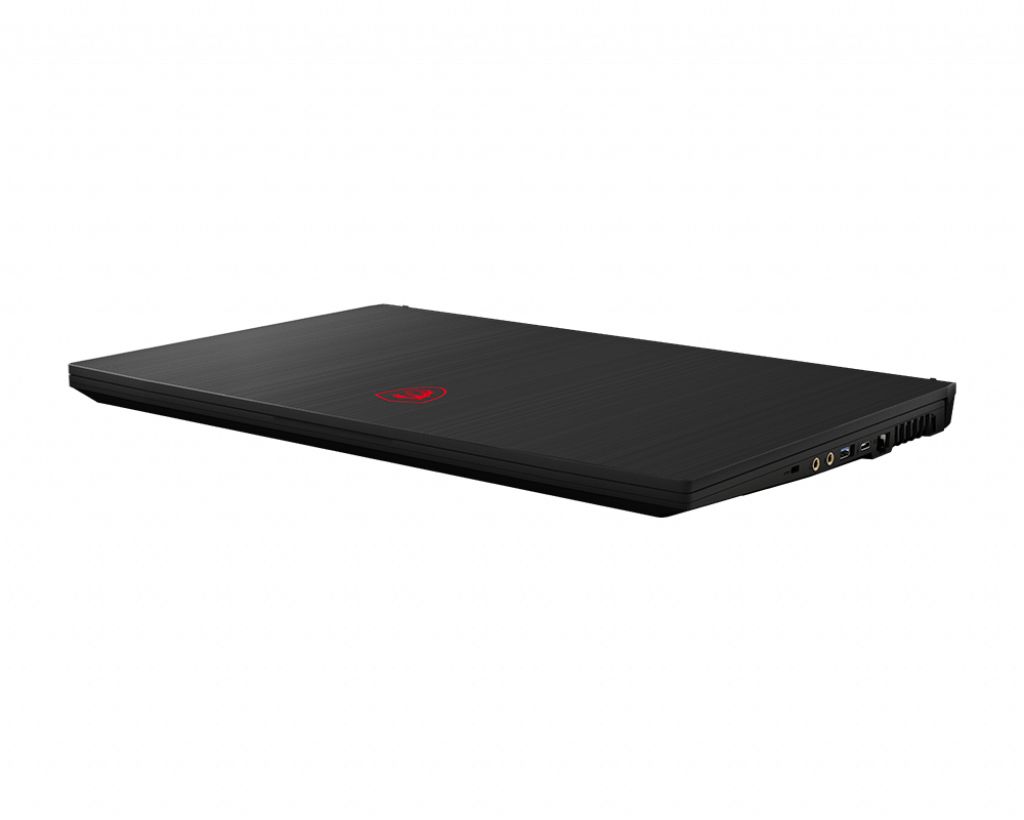
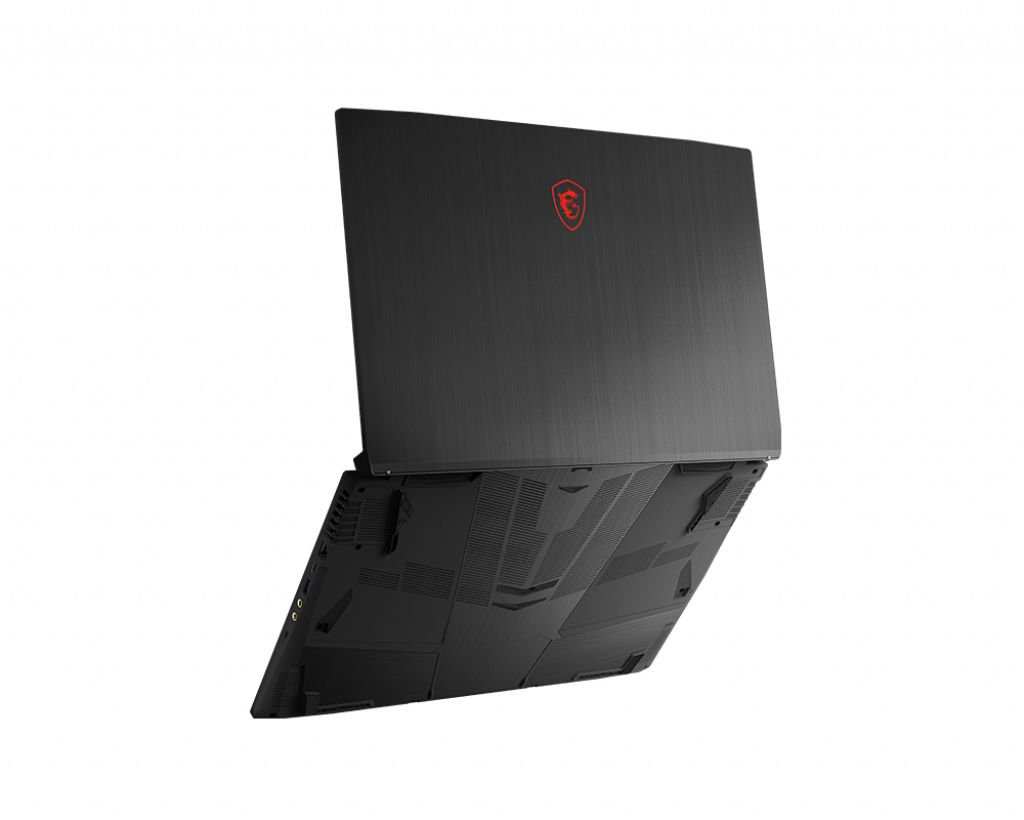
The MSI GF75 9SC-079IT Thin Gaming series laptop features DDR4-SDRAM memory upgrade specifications. This model contains 2x SO-DIMM slots supporting maximum RAM capacity of 64 GB. Compatible memory operates at 2666 MHz frequency with SO-DIMM form factor. Upgrade configurations allow users to expand existing memory modules within the available slots to reach the maximum capacity specifications for enhanced multitasking performance.
Memory Upgrade Specifications
| Specification | Value |
|---|---|
| Memory slots | 2x SO-DIMM |
| Form factor | SO-DIMM |
| Memory type | DDR4-SDRAM |
| Frequency | 2666 MHz |
| Maximum RAM | 64 GB |
| Voltage | 1.2V |
| Number of pins | 260-pin |
| Interface | PC4 |
| PC Speed Rating | PC4-2666 (PC4-21328) |
| Bandwidth | 21.3 GB/s |
| Laptop Release date | 08 May 2019 |
Additional Notes
- The MSI GF75 9SC-079IT Thin uses standard laptop memory modules rather than desktop DIMMs, limiting aftermarket availability compared to tower PCs.
- DDR4-2666 operates at a lower data transfer rate than DDR4-3200, which may create slight performance gaps in memory-intensive applications despite the chipset supporting higher speeds.
- The 2 SO-DIMM configuration requires replacing existing modules entirely to reach maximum capacity, as intermediate upgrades will still occupy both available slots.
- Accessing memory slots on thin-chassis gaming laptops typically requires complete bottom panel removal, exposing warranty seals in some regional variants.
- The 64 GB ceiling reflects Intel 9th generation chipset memory controller limits, preventing future expansion beyond this threshold regardless of module availability.
- Dual-channel architecture requires matched module pairs for optimal bandwidth, meaning mismatched capacities will force the system into single-channel mode on the larger module's excess capacity.
- DDR4 voltage standards at 1.2V reduce thermal output compared to previous generations, though sustained gaming loads will still elevate DIMM temperatures in compact enclosures.
- Non-ECC memory specification means the system lacks error correction capabilities, prioritizing cost efficiency over data integrity in professional workloads.
- The 2666 MHz frequency represents JEDEC standard rather than XMP/overclocked speeds, ensuring broad compatibility without BIOS-level timing adjustments.
- SO-DIMM physical dimensions measure 67.6mm versus desktop's 133.35mm length, making module interchange between form factors mechanically impossible.