MSI Gaming GF75 9SC-072NL Thin RAM upgrade specifications
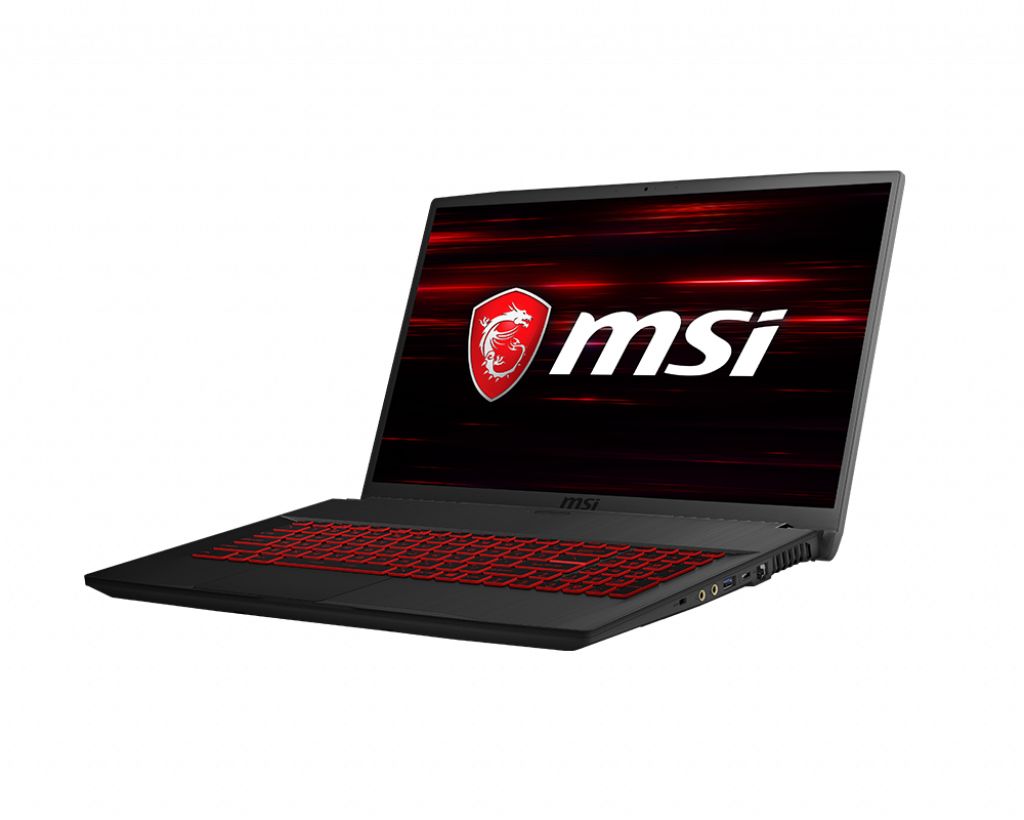

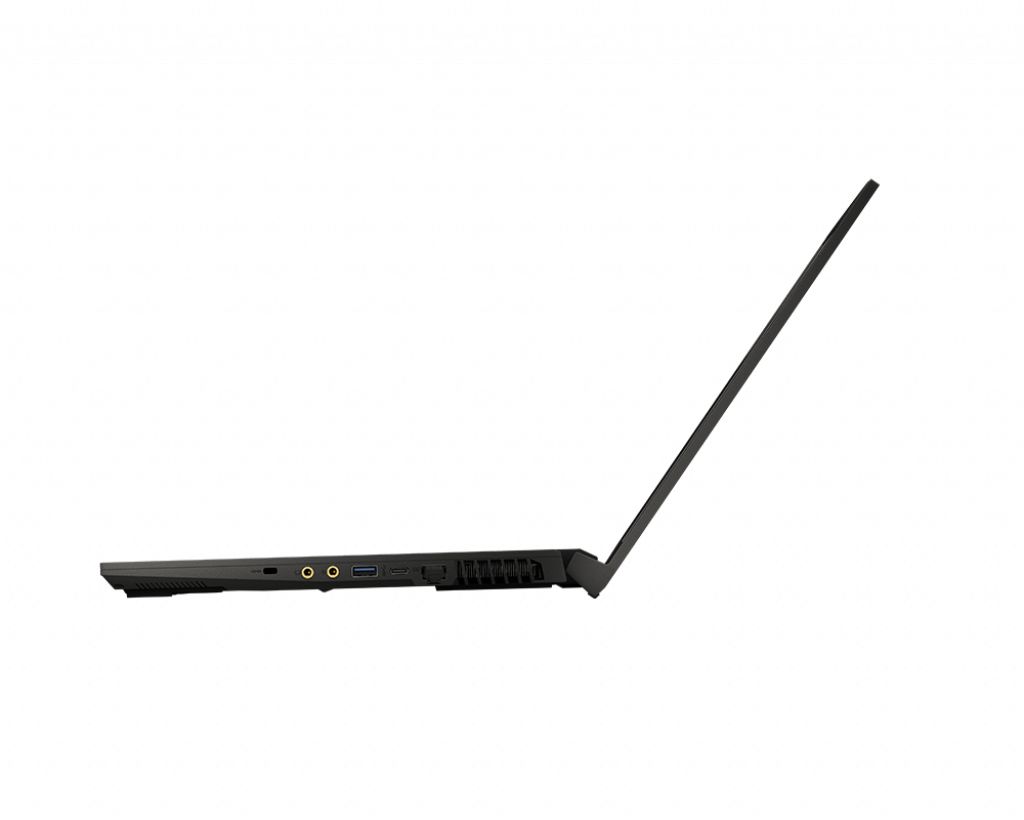
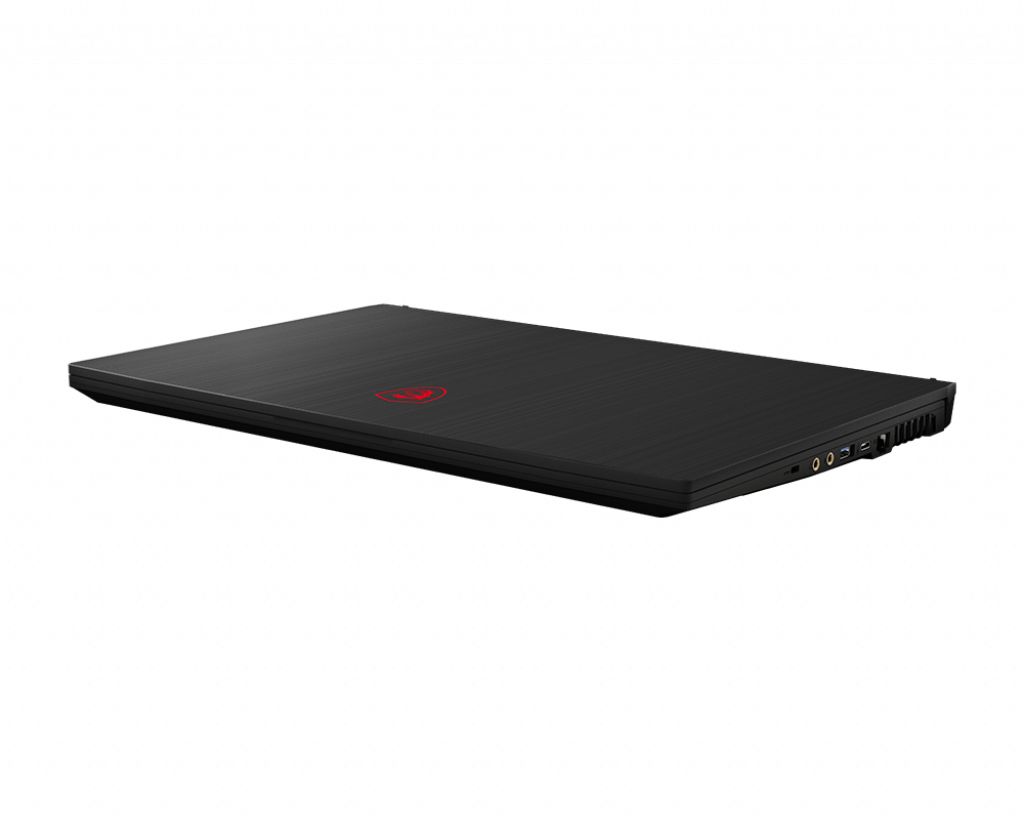
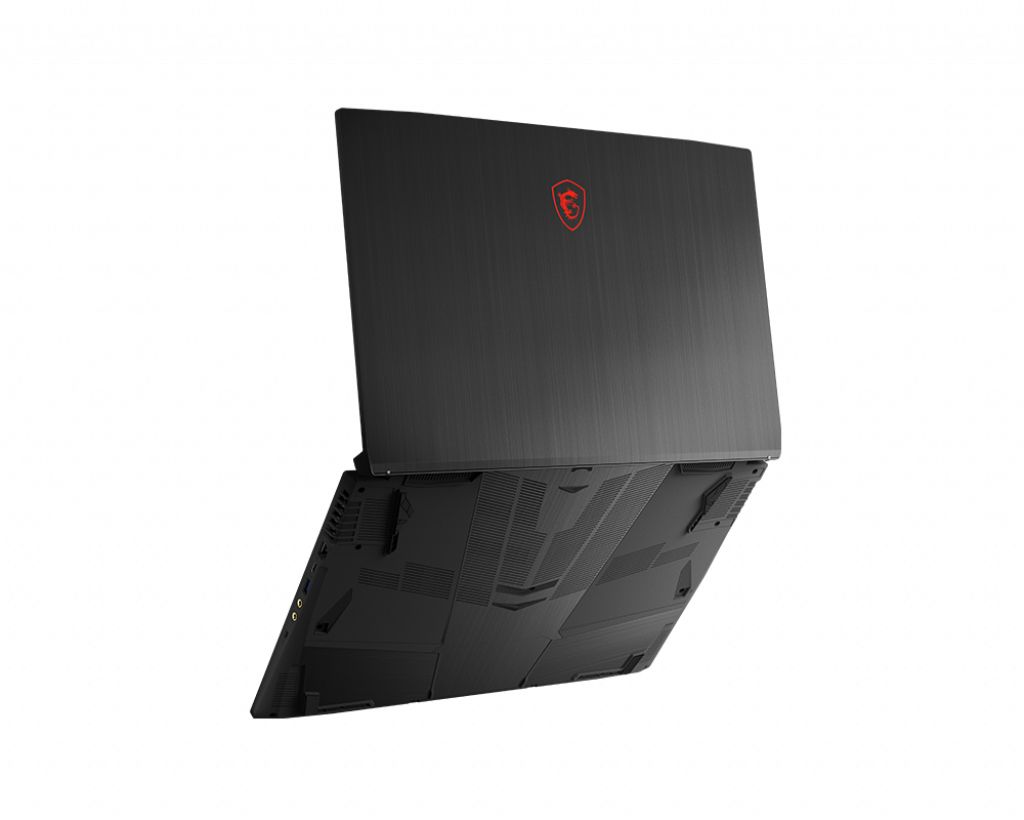
The MSI GF75 9SC-072NL Thin gaming laptop features DDR4-SDRAM memory upgrade specifications with 2x SO-DIMM slots supporting a maximum capacity of 64 GB RAM. The memory upgrade operates at 2666 MHz frequency using the SO-DIMM form factor. Compatible memory modules must meet these specifications for proper installation and operation. The GF series laptop accommodates memory upgrades to expand system performance capabilities for enhanced multitasking and application performance.
Memory Upgrade Specifications
| Specification | Value |
|---|---|
| Memory slots | 2x SO-DIMM |
| Form factor | SO-DIMM |
| Memory type | DDR4-SDRAM |
| Frequency | 2666 MHz |
| Maximum RAM | 64 GB |
| Voltage | 1.2V |
| Number of pins | 260-pin |
| Interface | PC4 |
| PC Speed Rating | PC4-2666 (PC4-21328) |
| Bandwidth | 21.3 GB/s |
| Laptop Release date | 03 May 2019 |
Additional Notes
- The MSI GF75 9SC-072NL Thin uses SO-DIMM slots, which are laptop-specific form factors and incompatible with desktop DDR4 modules, restricting sourcing to mobile memory only.
- DDR4-2666 MHz operates at a generation-appropriate speed for 9th-generation Intel processors, but memory bandwidth peaks at approximately 21.3 GB/s, creating a potential throughput ceiling for sustained GPU memory transfers during rendering workloads.
- 2 SO-DIMM slots with 64 GB maximum capacity means each slot accepts 32 GB modules; the factory configuration likely uses 2x8 GB or 2x16 GB, leaving upgrade options limited to 2x32 GB as the only path to maximum capacity.
- SO-DIMM slots occupy minimal physical space beneath the palm rest or keyboard deck; thermal clearance above installed modules may restrict passive heat spreaders, potentially requiring low-profile memory variants for safe installation.
- DDR4-2666 is the native supported frequency; memory overclocking profiles in BIOS will not increase the effective clock rate beyond OEM specifications on locked consumer platforms, maintaining stock latency performance.
- Adding RAM does not increase storage capacity or GPU VRAM; performance gains in gaming apply only to CPU-bound operations and system multitasking, not frame rate in scenarios where the dedicated graphics processor is the limiting factor.
- Warranty retention typically permits ram module replacement under maintenance clauses; however, mixing single-channel and dual-channel configurations or exceeding rated speeds may void coverage for memory-related failures.