MSI Gaming GF75 9SC-051 Thin RAM upgrade specifications


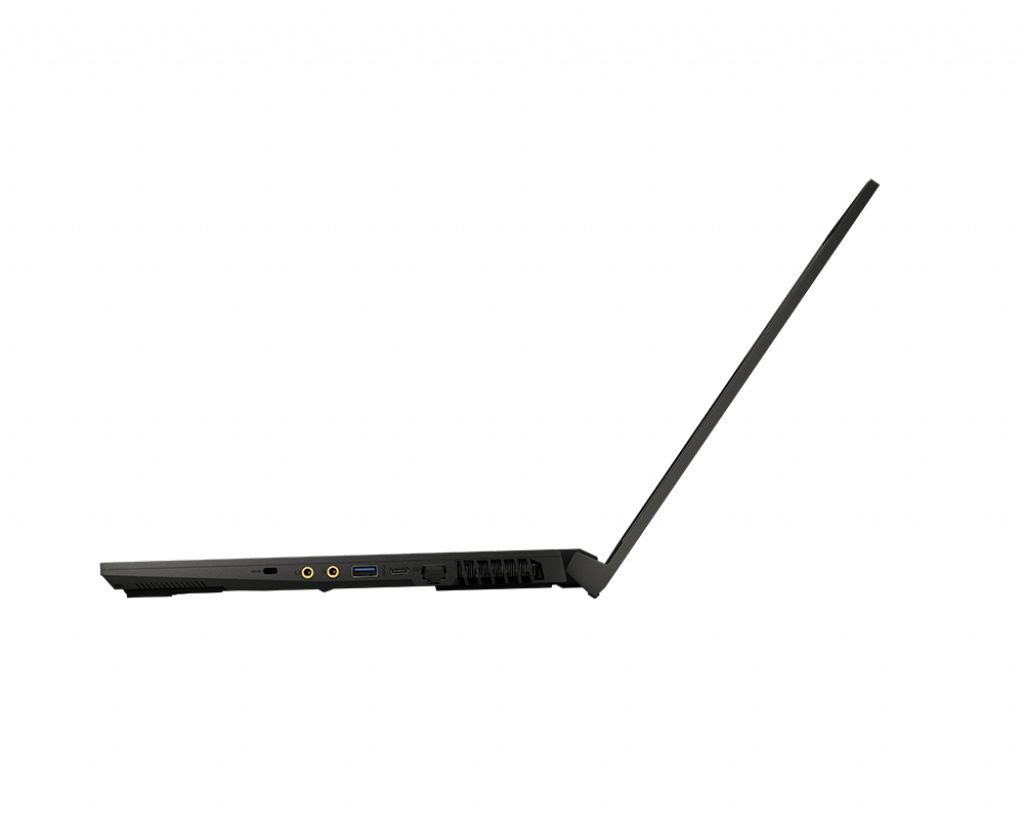
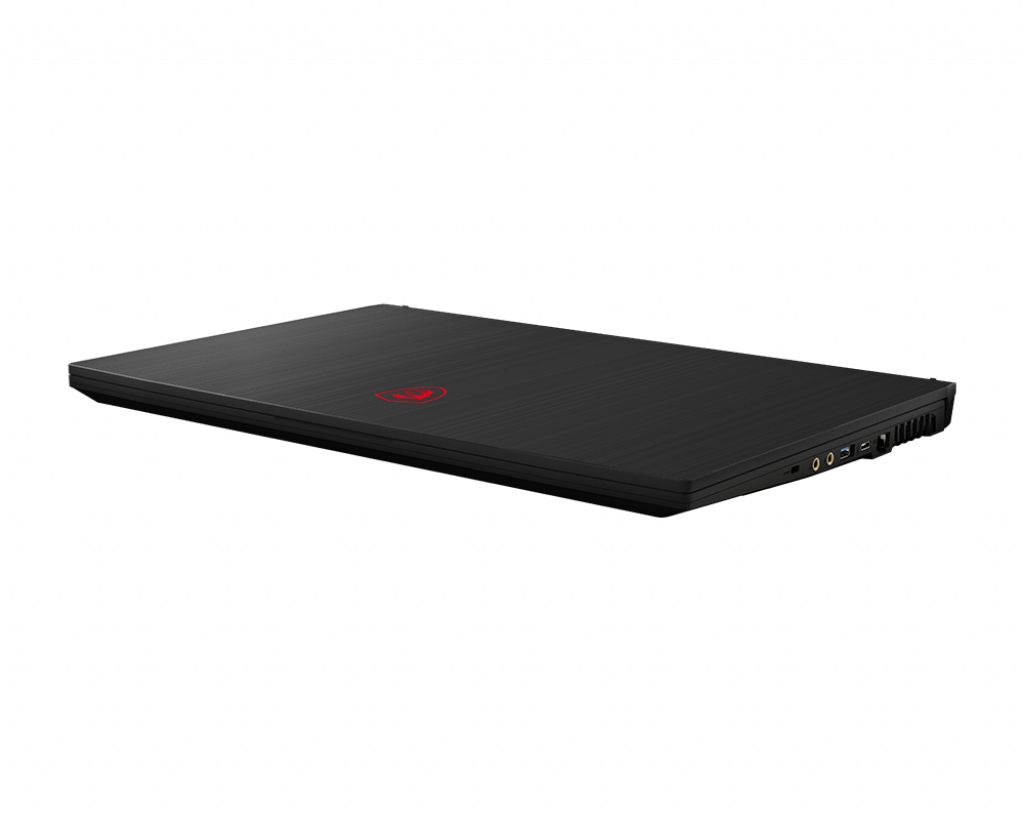
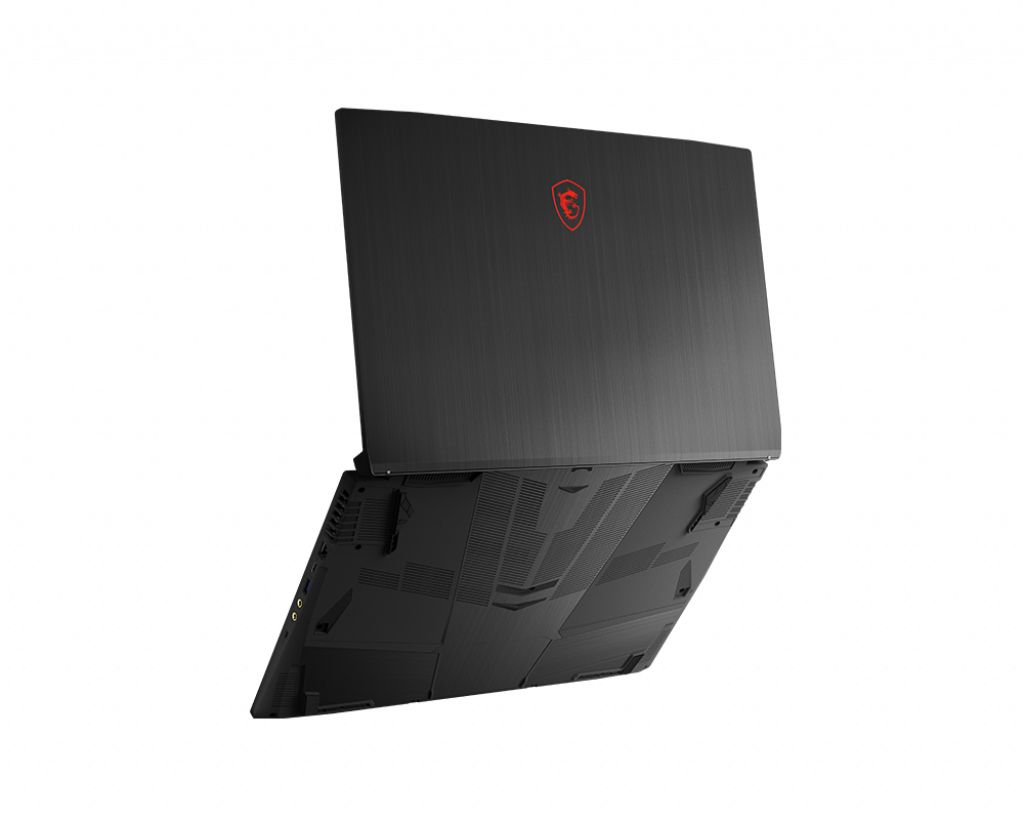
The MSI GF75 9SC-051 Thin Gaming series laptop features DDR4-SDRAM memory with 2x SO-DIMM slots for upgrade capability. Maximum RAM capacity reaches 64 GB, supporting memory modules operating at 2666 MHz frequency. The SO-DIMM form factor specifications are compatible with standard notebook memory upgrades. Current memory configuration details and available upgrade slots enable users to expand the laptop's RAM capacity according to compatible DDR4 specifications and maximum supported capacity.
Memory Upgrade Specifications
| Specification | Value |
|---|---|
| Memory slots | 2x SO-DIMM |
| Form factor | SO-DIMM |
| Memory type | DDR4-SDRAM |
| Frequency | 2666 MHz |
| Maximum RAM | 64 GB |
| Voltage | 1.2V |
| Number of pins | 260-pin |
| Interface | PC4 |
| PC Speed Rating | PC4-2666 (PC4-21328) |
| Bandwidth | 21.3 GB/s |
| Laptop Release date | 22 March 2019 |
Additional Notes
- The MSI GF75 9SC-051 Thin supports dual-channel memory architecture through its 2 SO-DIMM slots, enabling approximately 10 to 15 percent higher memory bandwidth compared to single-channel configurations when matched modules are installed.
- Both SO-DIMM slots must remain accessible without motherboard removal for warranty-compliant upgrades, as most manufacturers void coverage when full disassembly is required.
- The 64 GB maximum capacity requires 2 modules of 32 GB each, which represents the highest density commonly available for DDR4 SO-DIMM at 2666 MHz, though these modules carry premium pricing compared to 16 GB options.
- The 2666 MHz specification indicates compatibility with JEDEC standard DDR4-2666, meaning modules rated at higher speeds like 3200 MHz will downclock automatically to match the chipset limitation.
- Installation of mismatched module capacities will still function but forces all memory to operate in asymmetric mode, reducing the dual-channel benefit to only the matched portion of total capacity.
- The SO-DIMM form factor measures 67.6 mm in length, approximately half the size of desktop DIMM modules, preventing physical compatibility with standard desktop RAM despite identical DDR4 technology.
- Systems running at 2666 MHz provide memory bandwidth of approximately 21.3 GB per second per channel, totaling 42.6 GB per second in dual-channel mode under theoretical maximum conditions.
- Operating voltage for DDR4-2666 SO-DIMM standardizes at 1.2 volts, reducing heat output and power consumption compared to DDR3 modules that required 1.5 volts.
- Memory upgrades beyond 16 GB total capacity typically benefit content creation and virtual machine workloads more significantly than gaming, where GPU performance remains the primary bottleneck.
- Latency specifications like CL19 or CL17 affect real-world responsiveness but remain secondary to ensuring module compatibility with the 2666 MHz frequency ceiling.