MSI Gaming GF75 Thin 10SDR-270FR RAM upgrade specifications
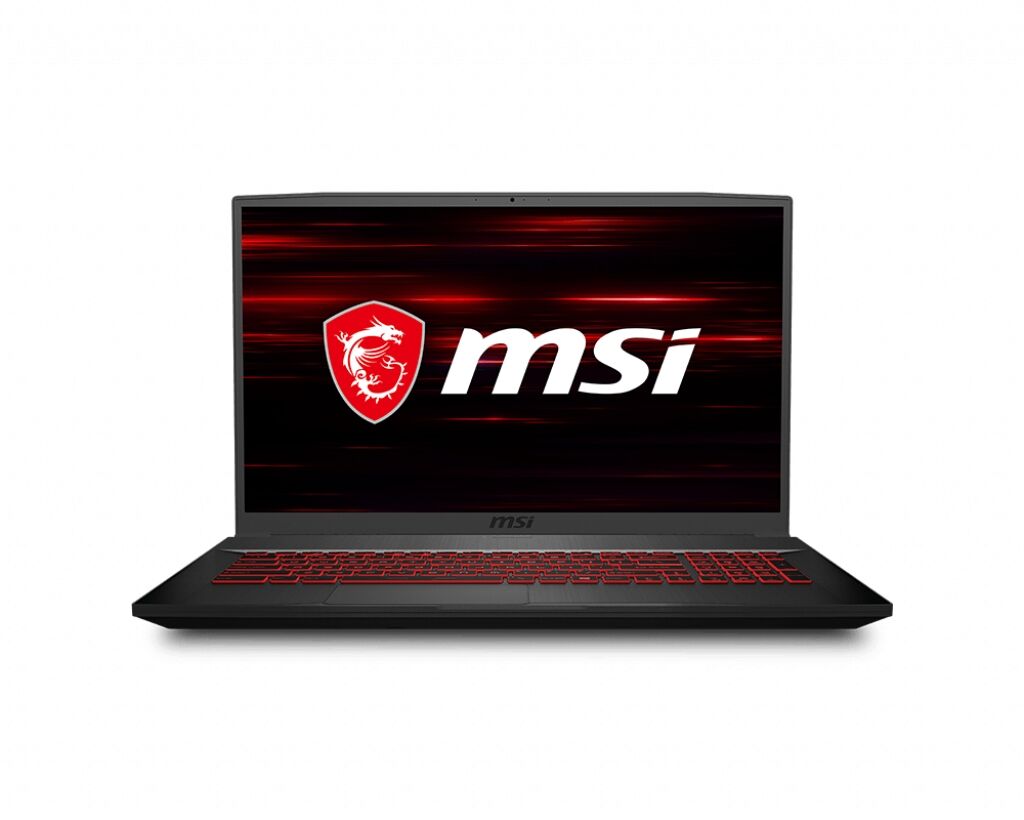
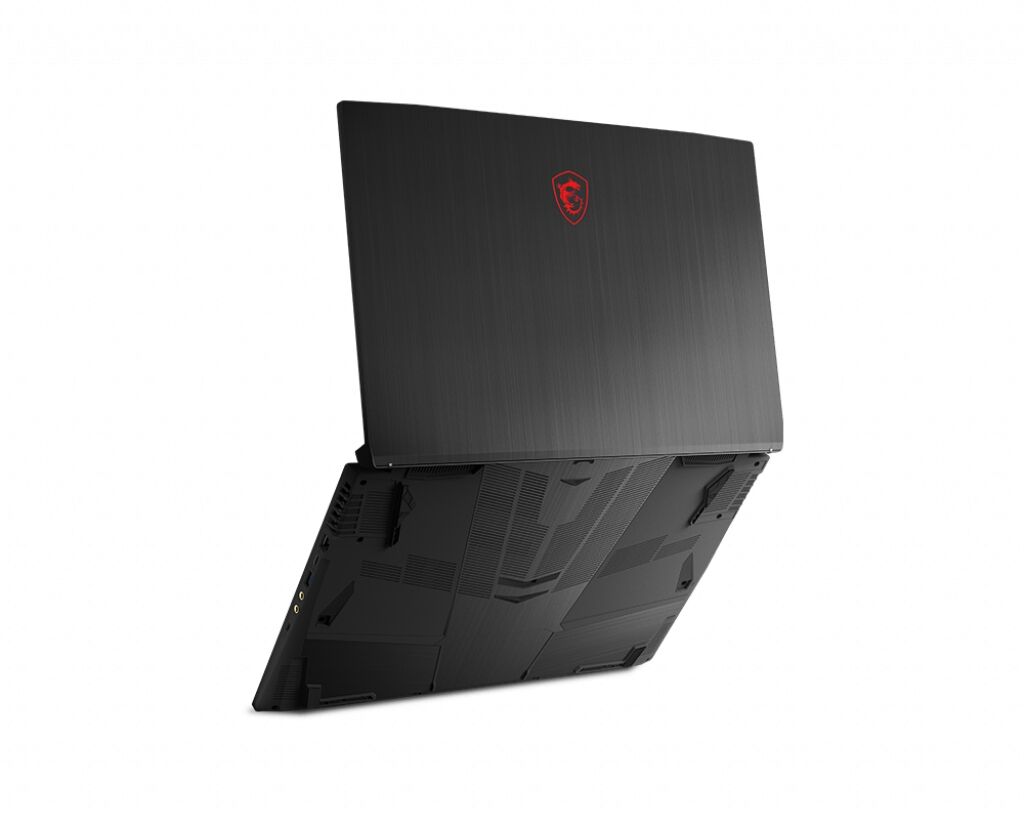
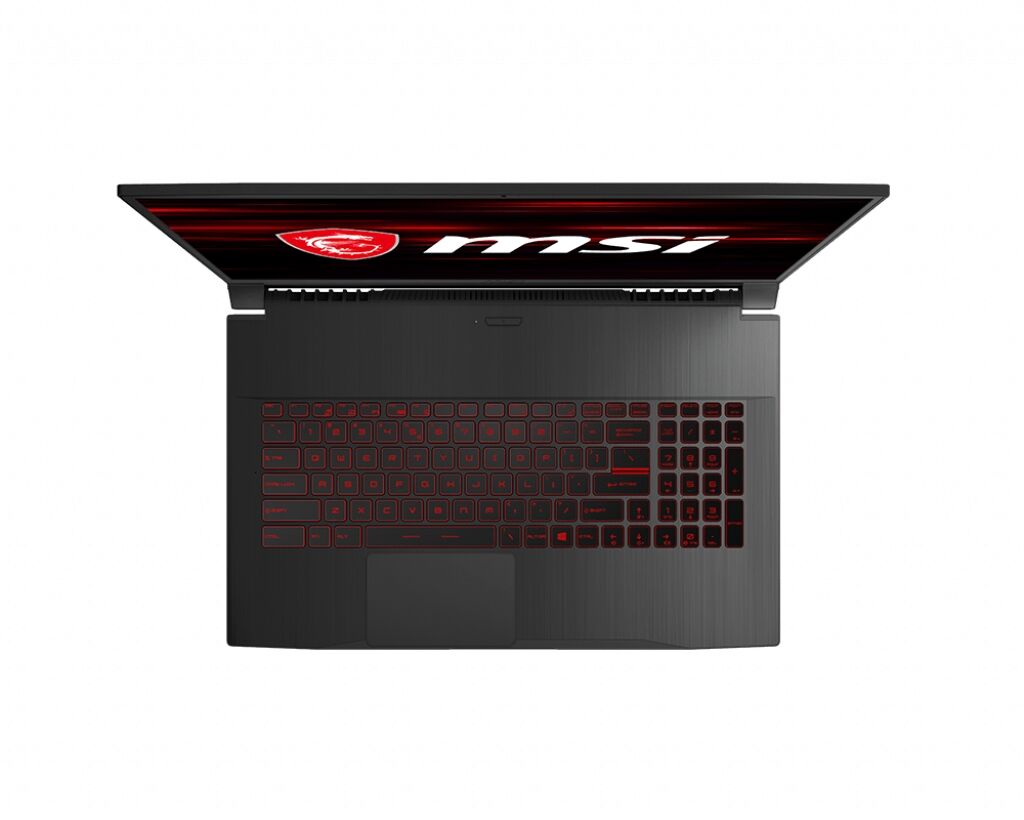
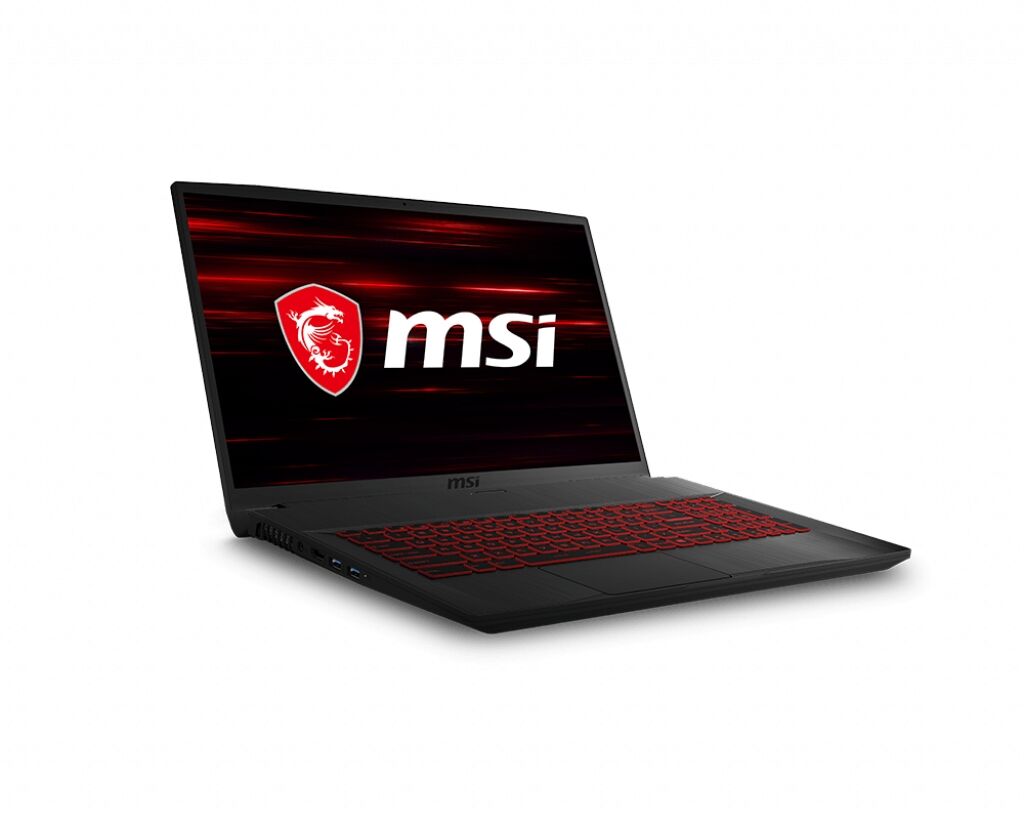
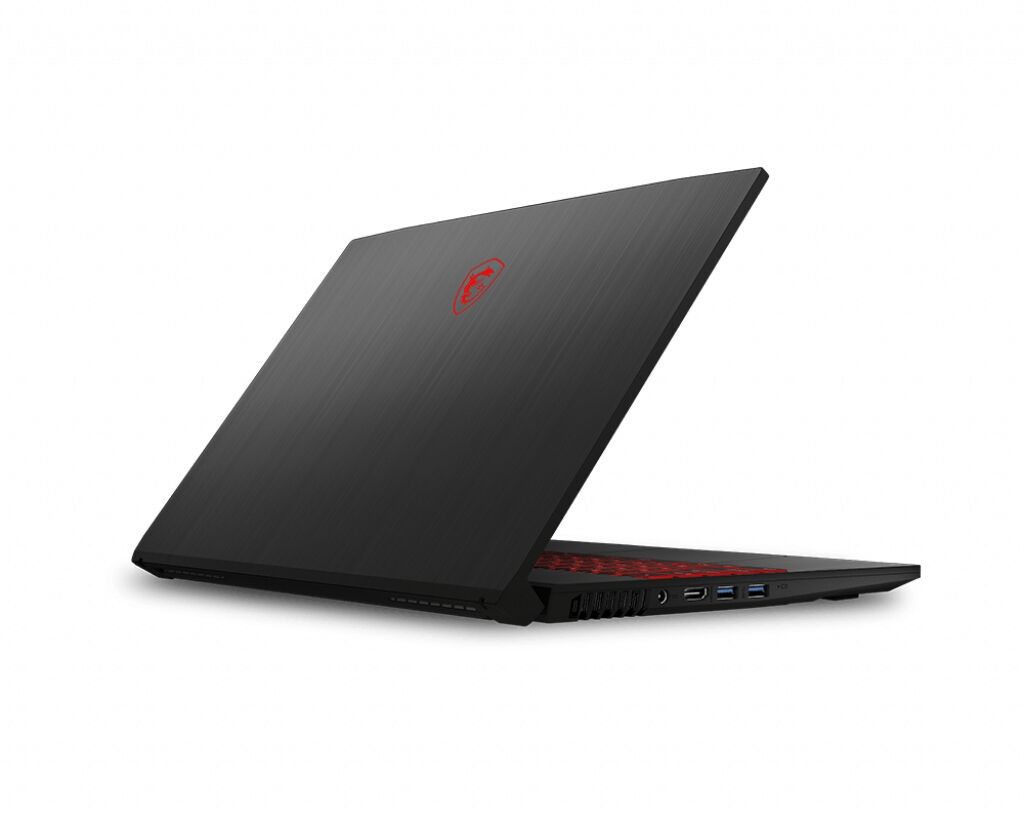
The MSI GF75 Thin 10SDR-270FR gaming laptop features DDR4-SDRAM memory upgrade capabilities. The system contains 2x SO-DIMM slots for memory expansion. Maximum supported RAM capacity reaches 64 GB total. Compatible memory modules operate at 2666 MHz frequency and utilize the SO-DIMM form factor. Specifications indicate DDR4 upgrade compatibility, allowing users to expand the laptop's memory configuration up to the maximum capacity supported by the GF75 Thin 10SDR-270FR platform.
Memory Upgrade Specifications
| Specification | Value |
|---|---|
| Memory slots | 2x SO-DIMM |
| Form factor | SO-DIMM |
| Memory type | DDR4-SDRAM |
| Frequency | 2666 MHz |
| Maximum RAM | 64 GB |
| Voltage | 1.2V |
| Number of pins | 260-pin |
| Interface | PC4 |
| PC Speed Rating | PC4-2666 (PC4-21328) |
| Bandwidth | 21.3 GB/s |
| Laptop Release date | 13 October 2020 |
Additional Notes
- The MSI GF75 Thin 10SDR-270FR accepts only DDR4 SO-DIMM modules, excluding desktop-sized DIMMs and older DDR3 variants regardless of physical adapters.
- Both memory slots support dual-channel architecture when populated with matched capacity modules, doubling theoretical memory bandwidth compared to single-module configurations.
- The 2666 MHz frequency specification represents the maximum validated speed, with higher-rated modules automatically downclocked to this ceiling by the system firmware.
- Mixing memory modules with different speeds forces all installed RAM to operate at the lowest common frequency among the set.
- The 64 GB ceiling requires 2 modules of 32 GB each, a configuration that may limit availability from certain manufacturers compared to standard 8 GB or 16 GB densities.
- Accessing the SO-DIMM slots typically requires bottom panel removal, with potential warranty implications depending on regional consumer protection laws and manufacturer policies.
- Unmatched module capacities between slots maintain functionality but disable dual-channel operation, reverting to single-channel mode with associated bandwidth reduction.
- ECC memory modules remain incompatible with this consumer-grade platform despite sharing the DDR4 SO-DIMM form factor.
- Timing specifications (CAS latency) absent from official documentation suggest the system accepts JEDEC standard values, with XMP profiles potentially ignored or unavailable in BIOS.
- Operating voltage remains fixed at DDR4 standard 1.2V, precluding low-voltage or overvolting scenarios common in enthusiast desktop platforms.