MSI Gaming GF75 Thin 10SCXR-615FR RAM upgrade specifications

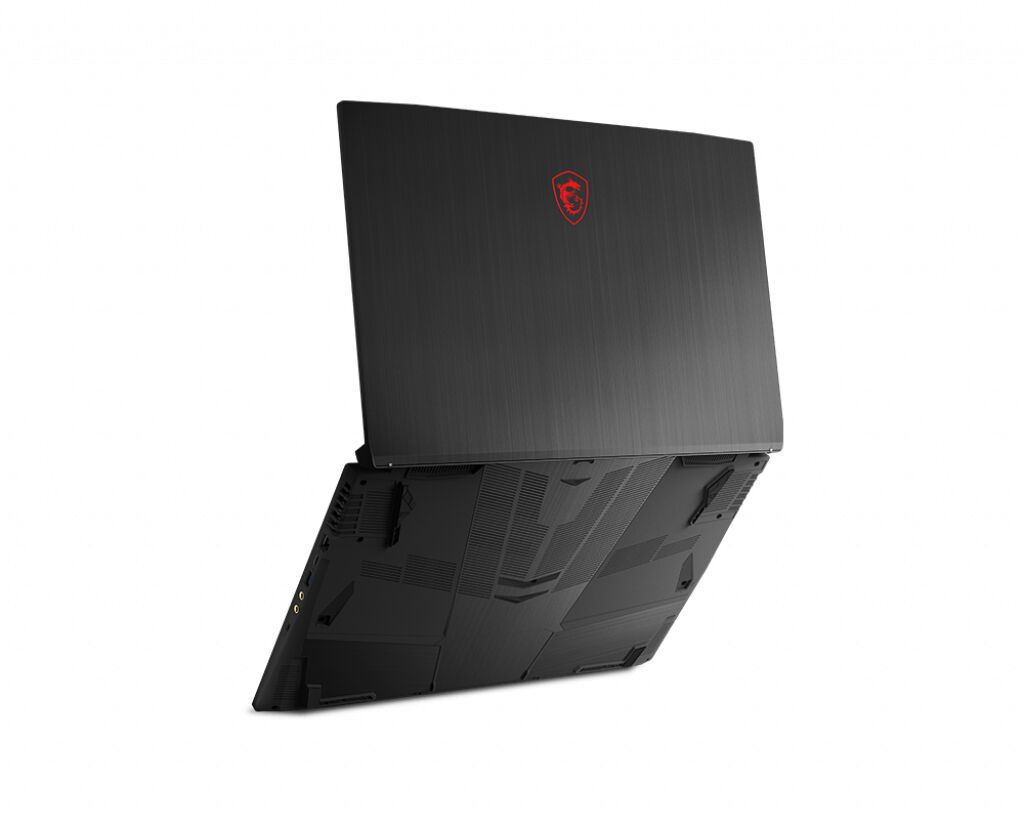



The MSI GF75 Thin 10SCXR-615FR Gaming series laptop features DDR4-SDRAM memory upgrade specifications. The system includes 2x SO-DIMM slots supporting a maximum RAM capacity of 64 GB. Compatible memory modules operate at 2666 MHz frequency utilizing the SO-DIMM form factor. Specifications enable users to upgrade the laptop's memory configuration by installing compatible DDR4 modules in the available slots to achieve the maximum supported capacity of 64 GB total RAM.
Memory Upgrade Specifications
| Specification | Value |
|---|---|
| Memory slots | 2x SO-DIMM |
| Form factor | SO-DIMM |
| Memory type | DDR4-SDRAM |
| Frequency | 2666 MHz |
| Maximum RAM | 64 GB |
| Voltage | 1.2V |
| Number of pins | 260-pin |
| Interface | PC4 |
| PC Speed Rating | PC4-2666 (PC4-21328) |
| Bandwidth | 21.3 GB/s |
| Laptop Release date | 19 December 2020 |
Additional Notes
- The MSI GF75 Thin 10SCXR-615FR accommodates only 2 memory slots, which eliminates staged upgrade strategies. Any capacity increase requires full module replacement rather than supplementary installation, doubling replacement costs compared to systems with 4+ slots.
- DDR4-2666 MHz specification indicates this generation predates mainstream DDR4-3200 adoption. Installing faster DDR4 modules will force automatic downclocking to 2666 MHz, negating performance gains from premium memory while creating incompatibility risk with BIOS versioning on older chipsets.
- SO-DIMM form factor constrains module selection to laptop-specific inventory only. Desktop DDR4 modules are physically incompatible and cannot be mechanically inserted, eliminating opportunistic repurposing of surplus desktop components.
- The 64 GB ceiling (2x 32 GB) represents a hard platform limitation tied to the CPU's integrated memory controller architecture. Modules exceeding 32 GB per slot will not initialize or will operate at reduced capacity, eliminating future-proof purchasing options.
- 2 physical slots operating as a single channel configuration mandate that both slots remain populated for balanced performance. Removing one module to troubleshoot memory errors leaves the system in a degraded state where the remaining module runs at half bandwidth efficiency until the matching pair is restored.