MSI Gaming GF75 Thin 10SCXR-291XFR RAM upgrade specifications


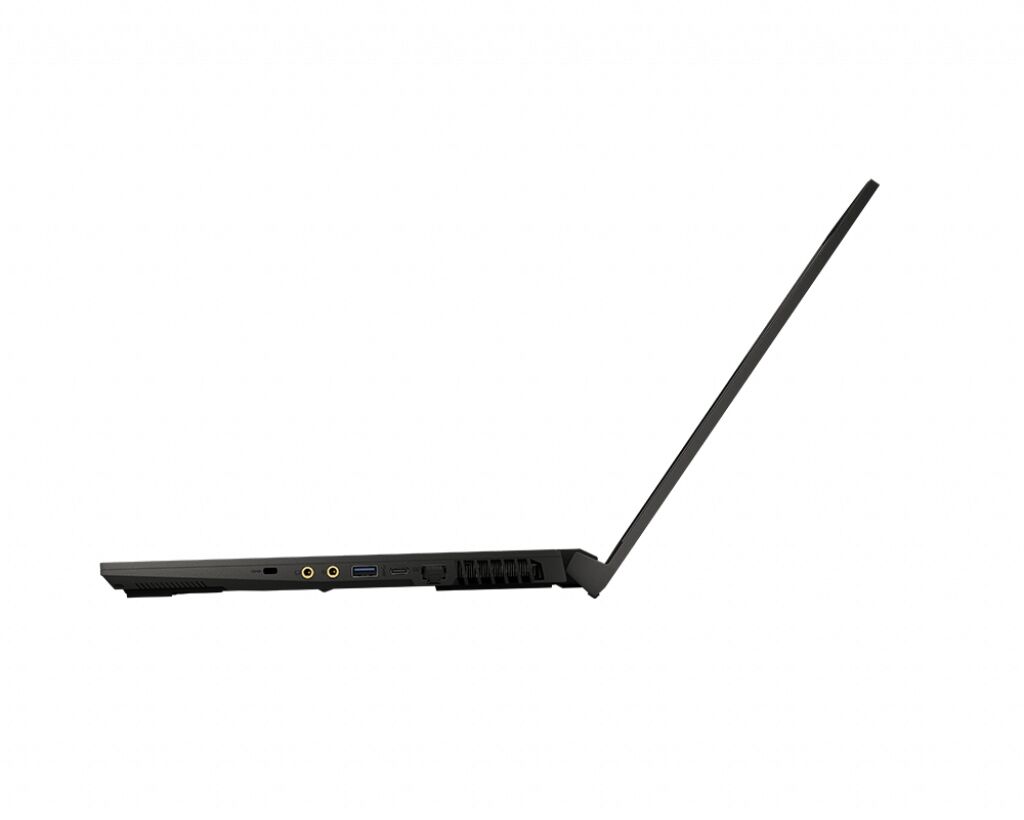
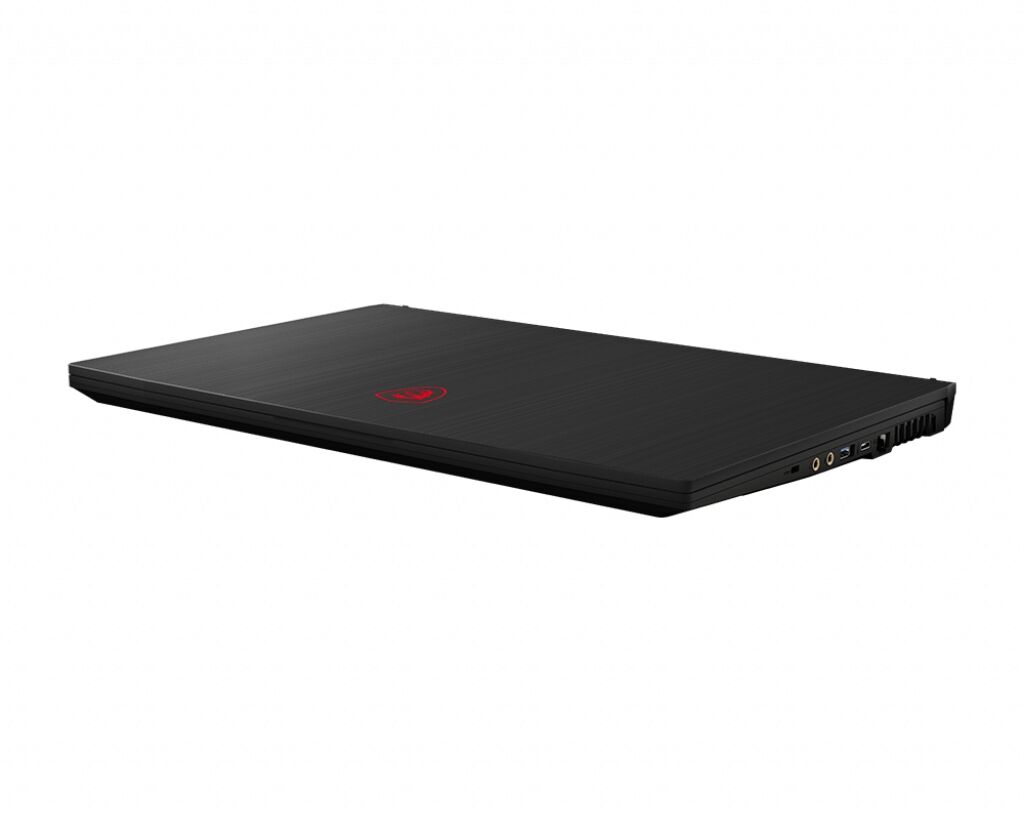
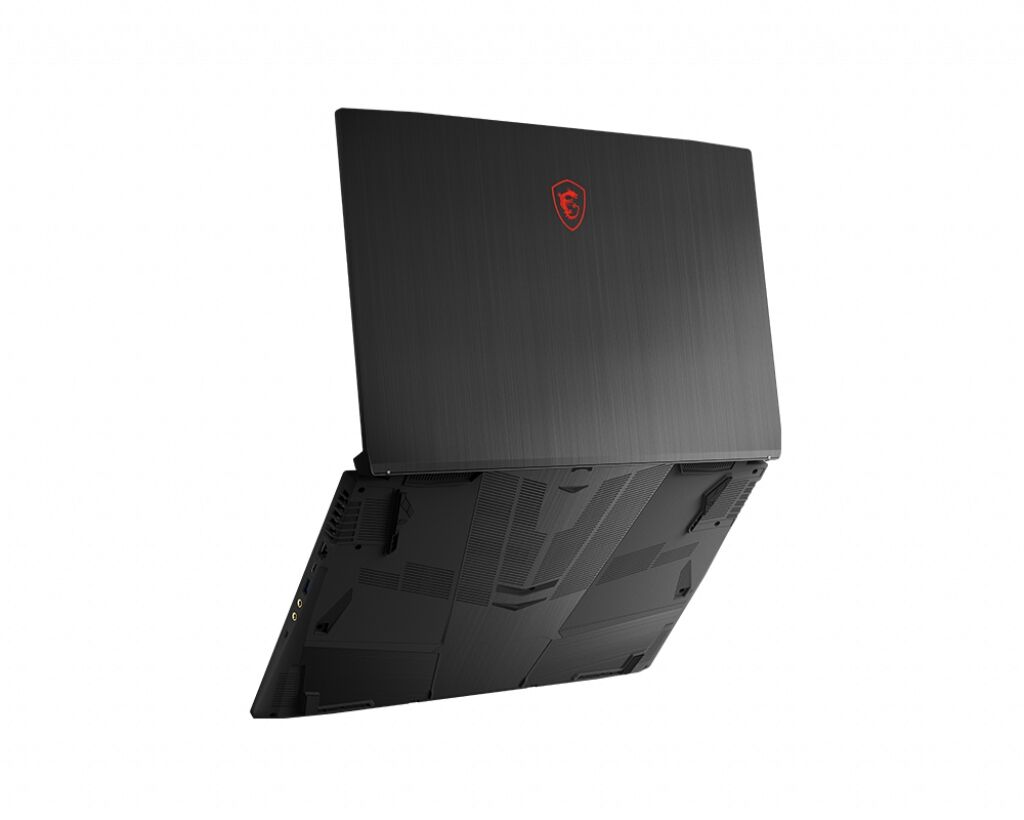
The MSI GF75 Thin 10SCXR-291XFR gaming laptop features upgrade specifications including two SO-DIMM memory slots supporting DDR4-SDRAM at 2666 MHz frequency. Maximum RAM capacity reaches 64 GB total. Compatible memory modules utilize the SO-DIMM form factor. Current configuration and upgrade options allow for memory expansion within specifications compatible with the GF75 Thin 10SCXR-291XFR model. RAM upgrade slots accommodate DDR4 technology, enabling memory capacity enhancements up to maximum specifications for the Gaming GF series laptop.
Memory Upgrade Specifications
| Specification | Value |
|---|---|
| Memory slots | 2x SO-DIMM |
| Form factor | SO-DIMM |
| Memory type | DDR4-SDRAM |
| Frequency | 2666 MHz |
| Maximum RAM | 64 GB |
| Voltage | 1.2V |
| Number of pins | 260-pin |
| Interface | PC4 |
| PC Speed Rating | PC4-2666 (PC4-21328) |
| Bandwidth | 21.3 GB/s |
| Laptop Release date | 22 August 2020 |
Additional Notes
- The 2666 MHz frequency limitation originates from the Intel 10th generation mobile processor's memory controller, which locks the effective speed regardless of higher-rated module installation.
- Installing a single module in either slot forces the system into single-channel mode, halving memory bandwidth to approximately 21 GB/s compared to the dual-channel configuration's 42 GB/s.
- The 64 GB maximum capacity requires two 32 GB SO-DIMM modules, which must be DDR4-2666 specification to maintain compatibility with the MSI GF75 Thin 10SCXR-291XFR chipset validation.
- Mixing modules with different densities or timings may trigger automatic downclocking to the lowest common denominator, potentially reducing performance below the specified 2666 MHz.
- SO-DIMM module height typically does not present clearance issues in this chassis design, but modules exceeding 30mm may interfere with the bottom panel assembly during reinstallation.
- Memory access requires complete disassembly of the bottom cover, voiding certain regional warranty protections unless performed by authorized service centers in markets with strict consumer protection regulations.
- Non-ECC unbuffered modules are mandatory, as the mobile platform lacks error-correction support and will reject registered or ECC-enabled SO-DIMMs during POST.
- Thermal performance during sustained workloads depends on maintaining dual-channel population, as asymmetric configurations can create hotspots in the memory controller die area.
- Voltage specification is locked at 1.2V standard for DDR4, preventing the use of low-voltage or overclocking-oriented modules that require non-standard power delivery.