MSI Gaming GF75 Thin 10SCXR-255FR RAM upgrade specifications

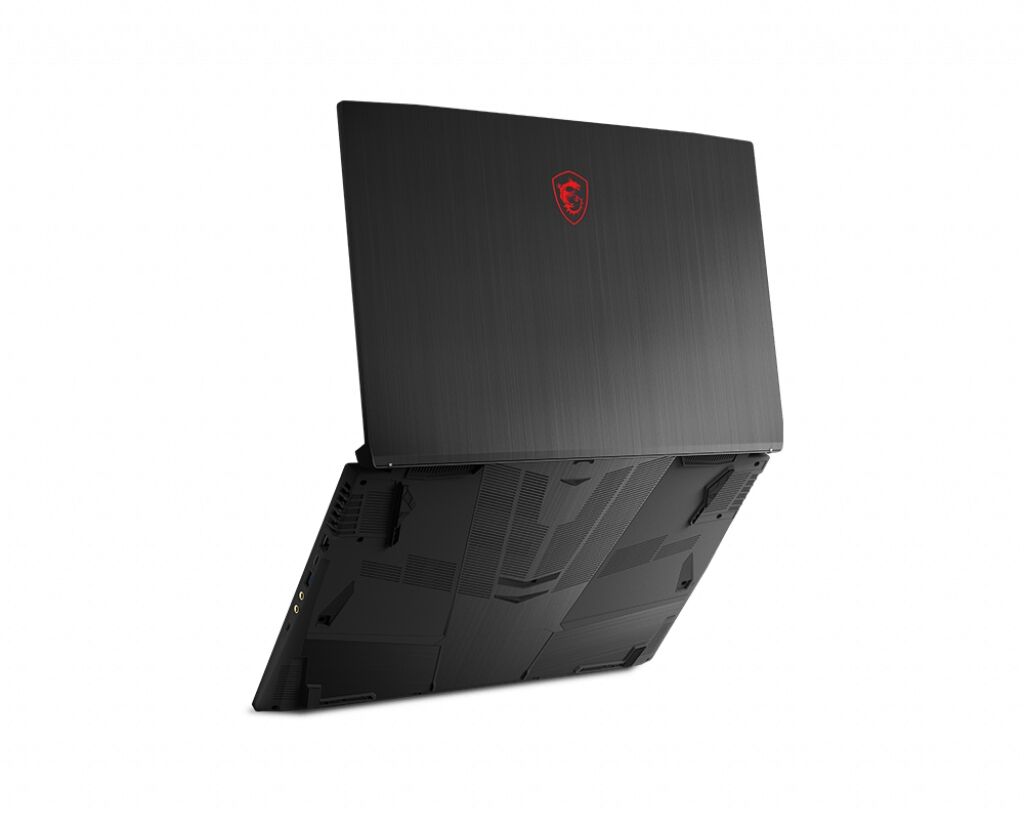
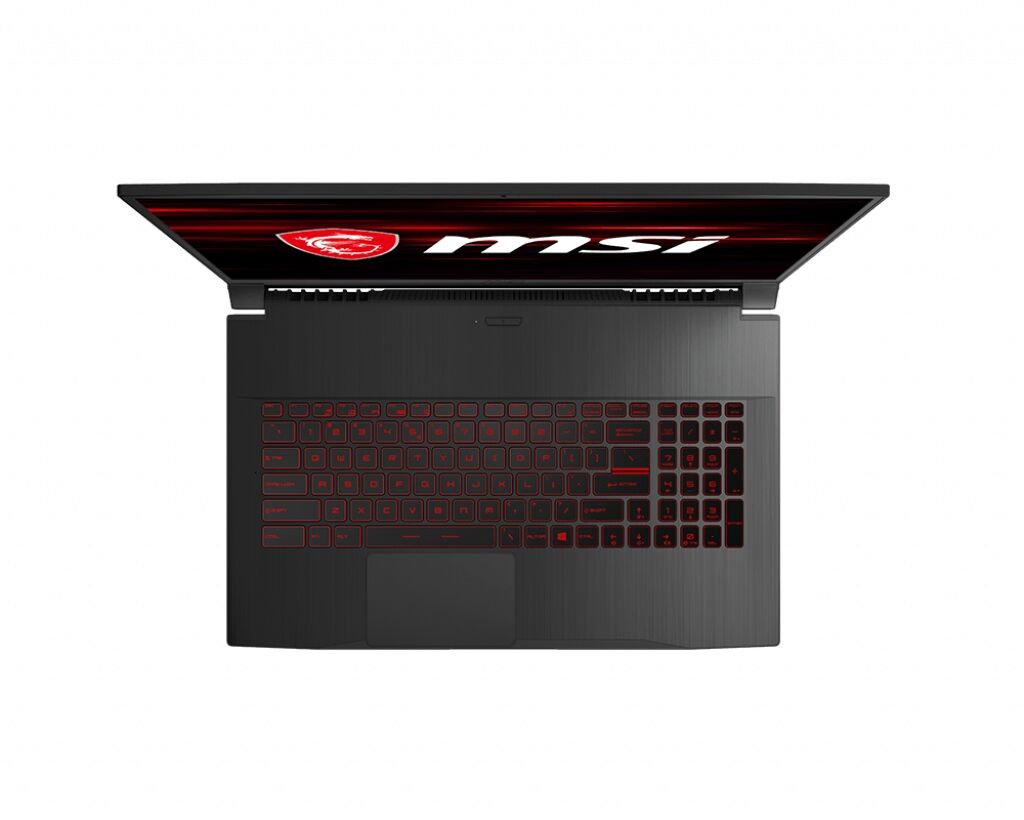


The MSI GF75 Thin 10SCXR-255FR gaming laptop features DDR4-SDRAM memory specifications with 2x SO-DIMM slots for upgrade capacity. Maximum RAM compatibility extends to 64 GB, supporting memory modules at 2666 MHz frequency. The Gaming GF series model utilizes SO-DIMM form factor for memory expansion. Compatible RAM upgrades allow users to increase system memory through the available dual slots, enhancing multitasking performance and application responsiveness on the MSI Gaming GF75 Thin series machine.
Memory Upgrade Specifications
| Specification | Value |
|---|---|
| Memory slots | 2x SO-DIMM |
| Form factor | SO-DIMM |
| Memory type | DDR4-SDRAM |
| Frequency | 2666 MHz |
| Maximum RAM | 64 GB |
| Voltage | 1.2V |
| Number of pins | 260-pin |
| Interface | PC4 |
| PC Speed Rating | PC4-2666 (PC4-21328) |
| Bandwidth | 21.3 GB/s |
| Laptop Release date | 22 August 2020 |
Additional Notes
- The MSI GF75 Thin 10SCXR-255FR supports DDR4-3200 standard specifications, but operates natively at 2666 MHz, creating a 534 MHz frequency gap that prevents full utilization of higher-speed modules without manual BIOS overclocking, which voids standard warranty coverage.
- SO-DIMM memory slots impose strict physical constraints; replacement modules cannot exceed 67.6 mm in height, eliminating most aftermarket heatspreader designs and restricting compatible module selection to low-profile variants only.
- Dual SO-DIMM architecture means capacity scaling requires both slots to be populated simultaneously; upgrading to 64 GB necessitates replacing both existing modules rather than adding a single higher-capacity stick, doubling replacement cost relative to single-slot upgrades.
- The 2666 MHz native frequency indicates a 6th or 7th generation Intel processor platform; DDR4 modules rated for 3000+ MHz will downclock to 2666 MHz automatically, making premium high-speed RAM economically inefficient for this system.
- Maximum supported capacity of 64 GB creates a practical ceiling; single-channel or asymmetric dual-channel configurations reduce memory bandwidth by 50%, resulting in measurable performance degradation in bandwidth-intensive gaming workloads and video editing tasks.
- DDR4-2666 modules manufactured after 2021 have become progressively scarce in new inventory; sourcing original specification-matched RAM may require purchasing used or refurbished modules, with corresponding reliability uncertainties and shorter vendor support periods.