MSI Gaming GF75 Thin 10SCSR-481XFR RAM upgrade specifications

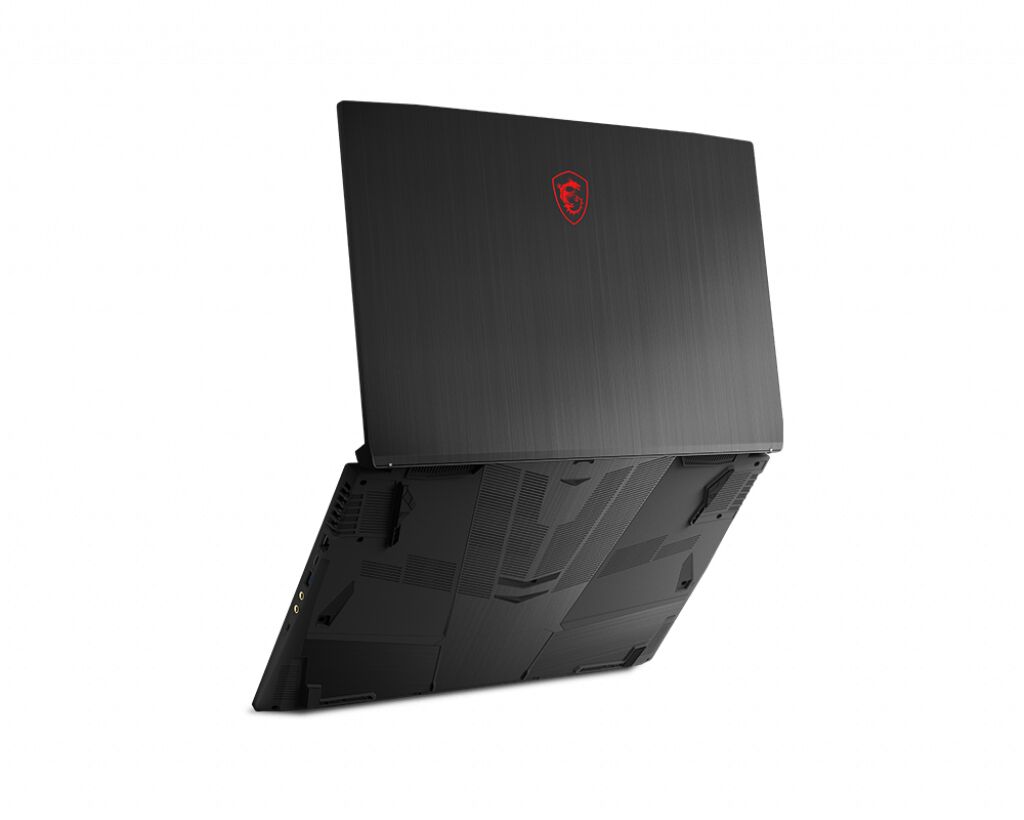
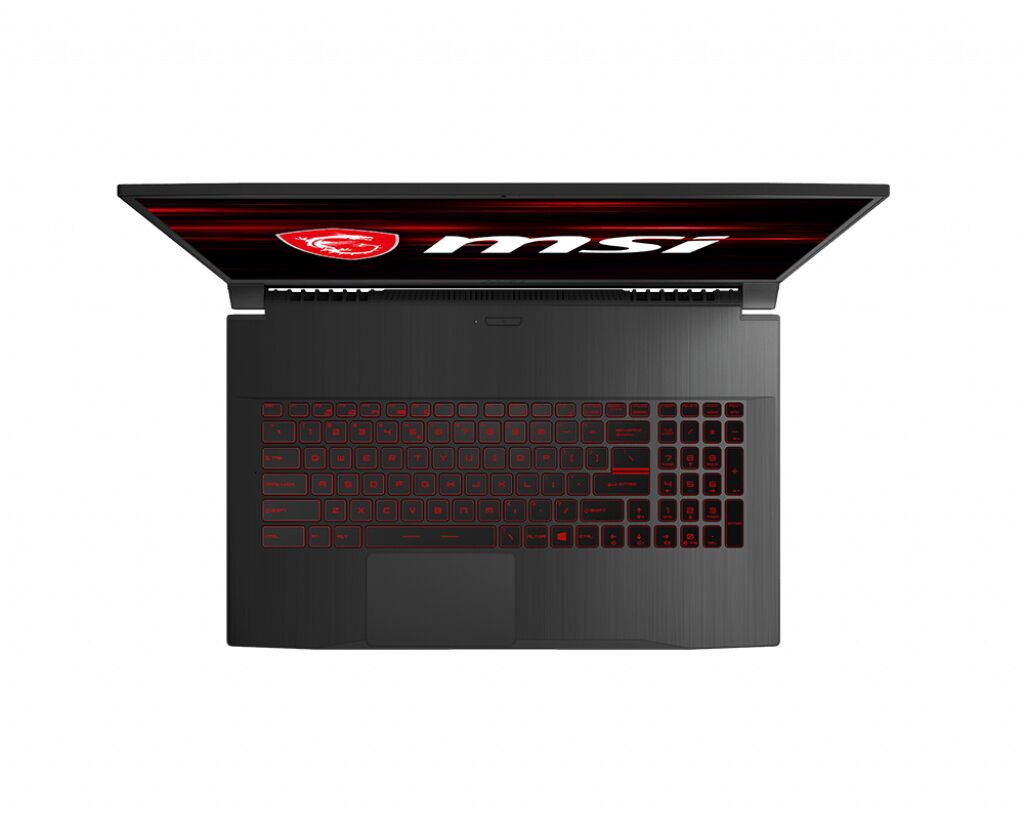


MSI GF75 Thin 10SCSR-481XFR gaming laptop features DDR4-SDRAM memory upgrade capability with two SO-DIMM slots supporting maximum capacity of 64 GB. Memory specifications include 2666 MHz frequency operation. Compatible RAM upgrades utilize SO-DIMM form factor for this gaming series model. Existing memory configuration and maximum RAM specifications enable users to expand storage capacity according to performance requirements and compatibility standards.
Memory Upgrade Specifications
| Specification | Value |
|---|---|
| Memory slots | 2x SO-DIMM |
| Form factor | SO-DIMM |
| Memory type | DDR4-SDRAM |
| Frequency | 2666 MHz |
| Maximum RAM | 64 GB |
| Voltage | 1.2V |
| Number of pins | 260-pin |
| Interface | PC4 |
| PC Speed Rating | PC4-2666 (PC4-21328) |
| Bandwidth | 21.3 GB/s |
| Laptop Release date | 01 January 2021 |
Additional Notes
- The MSI GF75 Thin 10SCSR-481XFR supports DDR4 memory operating at 2666 MHz, which represents a notable constraint for gaming workloads; upgrading to faster DDR4 modules (3200 MHz or higher) will not yield performance gains due to the platform's fixed frequency specification, resulting in automatic throttling to 2666 MHz.
- With 2 SO-DIMM slots and a 64 GB maximum capacity ceiling, the upgrade path terminates at 32 GB per module; single-rank versus dual-rank module selection will affect latency characteristics, though both configurations remain within warranty-safe parameters if obtained from OEM-approved suppliers.
- The SO-DIMM form factor requires disassembly of the base panel to access the memory slots; physical installation requires minimal tools, but improper seating can result in intermittent crashes or failure-to-boot states that may void warranty coverage if damage occurs during removal or reinsertion of retention clips.
- DDR4-2666 bandwidth (approximately 21.3 GB/s per channel with dual-channel configuration) introduces a secondary bottleneck for GPU-intensive operations; gaming framerates will remain bounded by graphics subsystem capabilities rather than memory throughput, but content creation tasks may experience measurable delays during large file transfers or rendering operations.
- Mixing memory modules of differing capacities, speeds, or latency profiles will cause the system to operate at the specifications of the slowest module; populating slots asymmetrically reduces dual-channel performance to single-channel operation, resulting in measurable bandwidth reduction during memory-intensive workloads.