MSI Gaming GF75 Thin 10SCSR-251FR RAM upgrade specifications
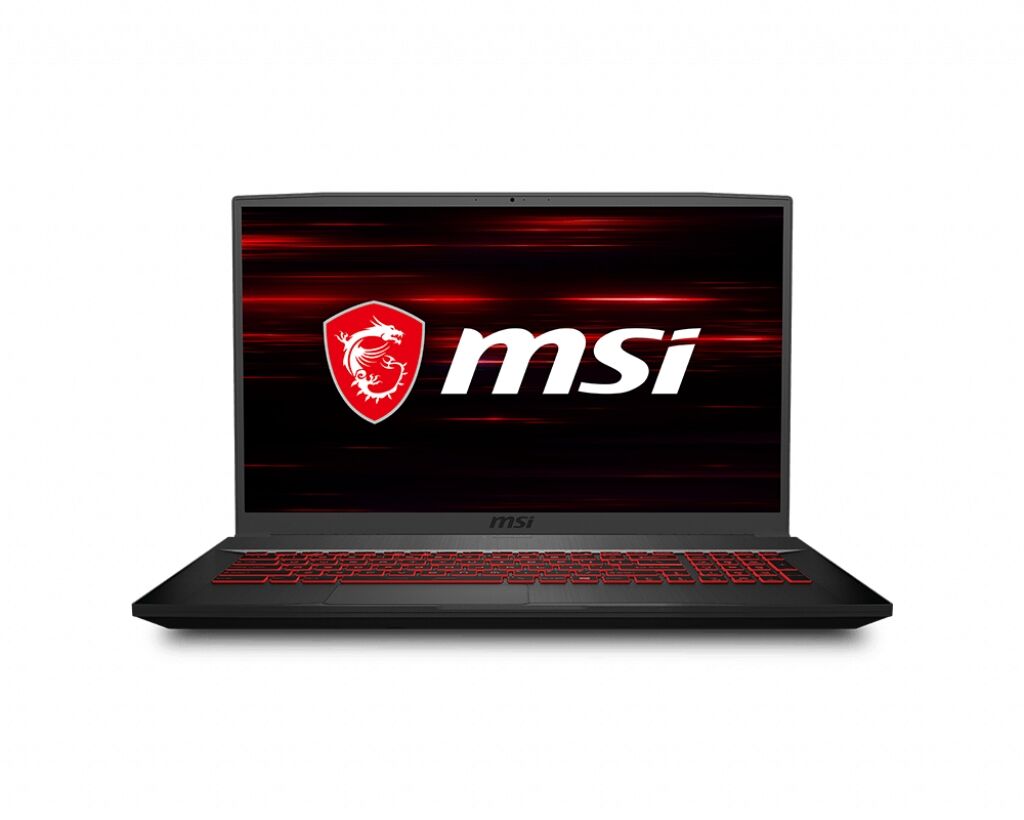
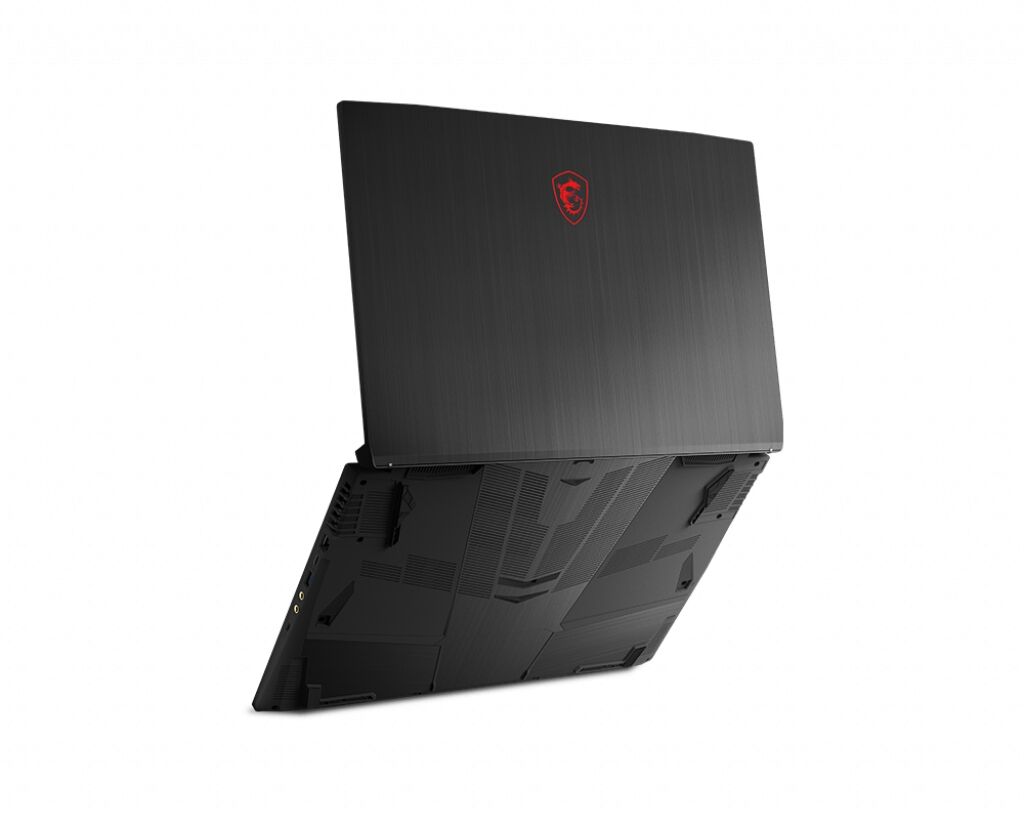
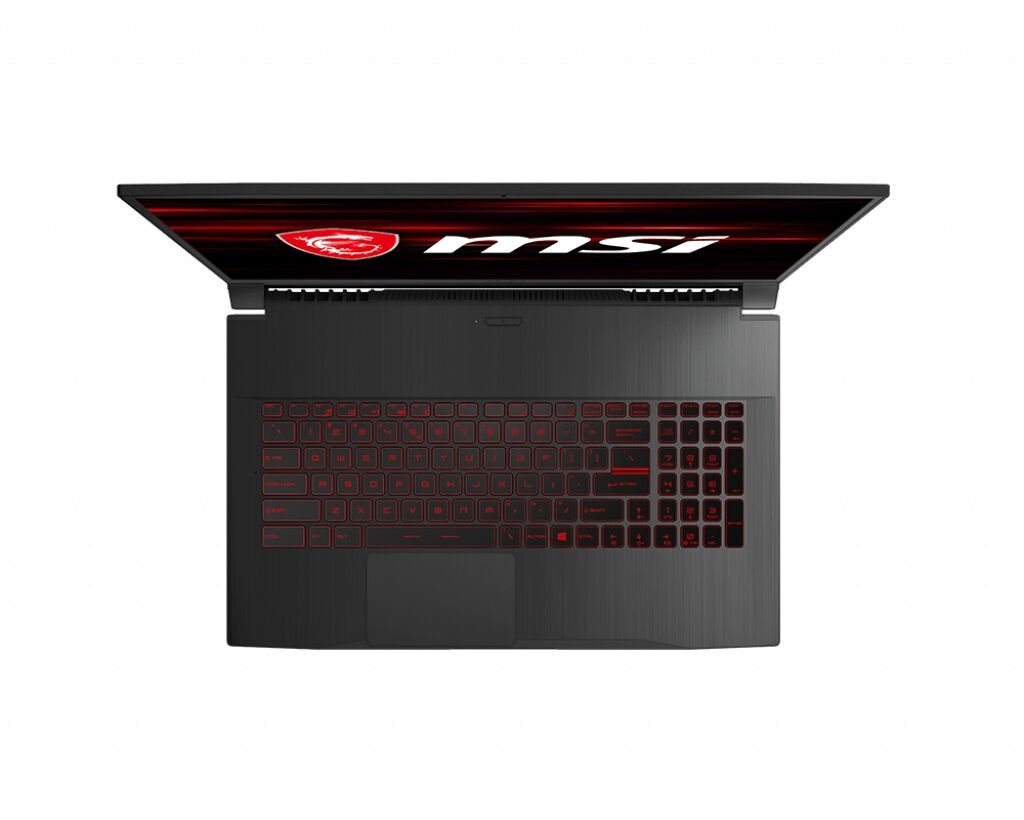


The MSI GF75 Thin 10SCSR-251FR Gaming series laptop features two SO-DIMM slots for memory expansion. Compatible RAM upgrades utilize DDR4-SDRAM specifications operating at 2666 MHz frequency. The laptop supports a maximum capacity of 64 GB total memory across both upgrade slots. Specifications indicate SO-DIMM form factor compatibility for this GF series model, enabling users to expand the memory configuration beyond factory default settings.
Memory Upgrade Specifications
| Specification | Value |
|---|---|
| Memory slots | 2x SO-DIMM |
| Form factor | SO-DIMM |
| Memory type | DDR4-SDRAM |
| Frequency | 2666 MHz |
| Maximum RAM | 64 GB |
| Voltage | 1.2V |
| Number of pins | 260-pin |
| Interface | PC4 |
| PC Speed Rating | PC4-2666 (PC4-21328) |
| Bandwidth | 21.3 GB/s |
| Laptop Release date | 22 August 2020 |
Additional Notes
- The MSI GF75 Thin 10SCSR-251FR supports a maximum capacity of 64 GB through dual 32 GB modules, though this configuration exceeds typical gaming workload requirements and primarily benefits content creation tasks involving large datasets or virtual machines.
- The 2666 MHz frequency represents a JEDEC standard speed limitation enforced by the Intel 10th generation mobile platform, meaning higher-speed modules rated at 3200 MHz or above will automatically downclock to this baseline specification.
- Both memory slots utilize SO-DIMM 260-pin connectors operating in dual-channel mode, requiring matched module pairs for optimal memory interleaving and bandwidth utilization across the integrated memory controller.
- Modules must comply with DDR4 voltage specifications at 1.2V, as the laptop's power delivery subsystem lacks support for overclocked XMP profiles or alternative voltage configurations common in desktop platforms.
- Access to the memory compartment typically requires complete bottom panel removal rather than a dedicated service door, necessitating careful cable management and thermal paste inspection if the cooling assembly obstructs socket access.
- Mixing module capacities between slots remains functionally possible but disables symmetric dual-channel operation, forcing the memory controller into flex mode with reduced bandwidth on the larger module's excess capacity.
- The theoretical maximum bandwidth of 42.6 GB/s assumes ideal dual-channel configuration with matched modules, though real-world performance depends on memory timings beyond the primary frequency specification.
- Warranty preservation requires using JEDEC-compliant modules without third-party heat spreaders exceeding standard SO-DIMM height specifications, as oversized components may prevent proper chassis closure or interfere with thermal solutions.