MSI Gaming GF75 Thin 10SC-006FR RAM upgrade specifications
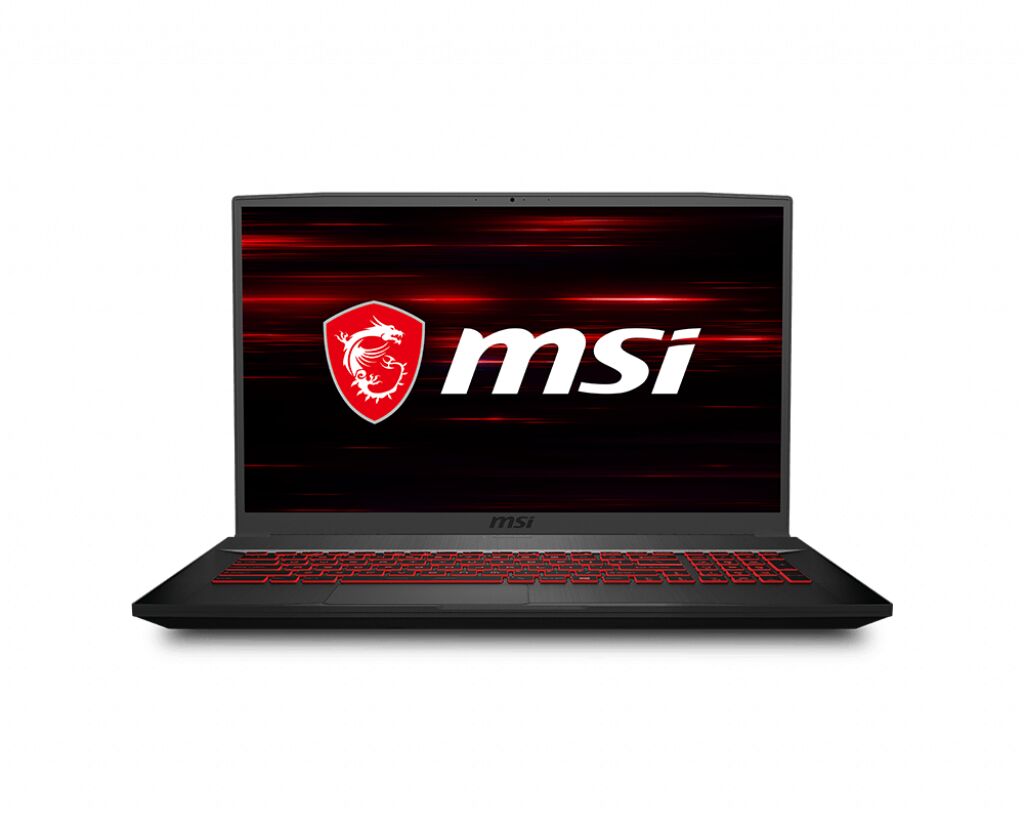
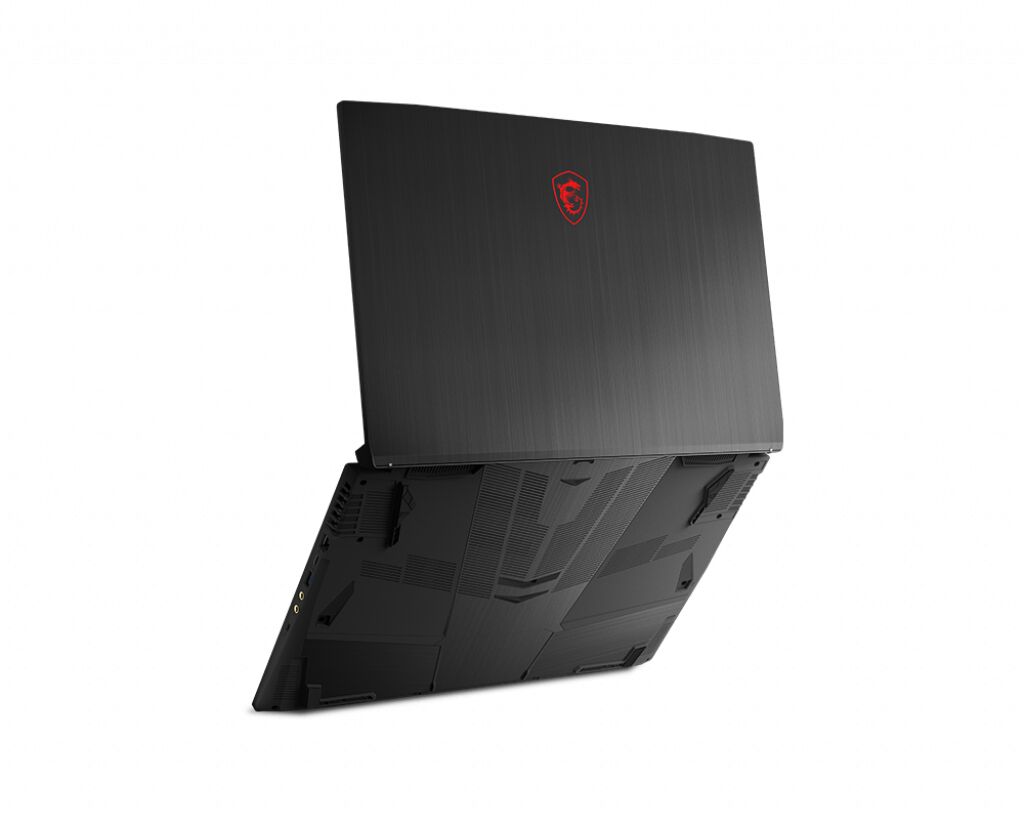
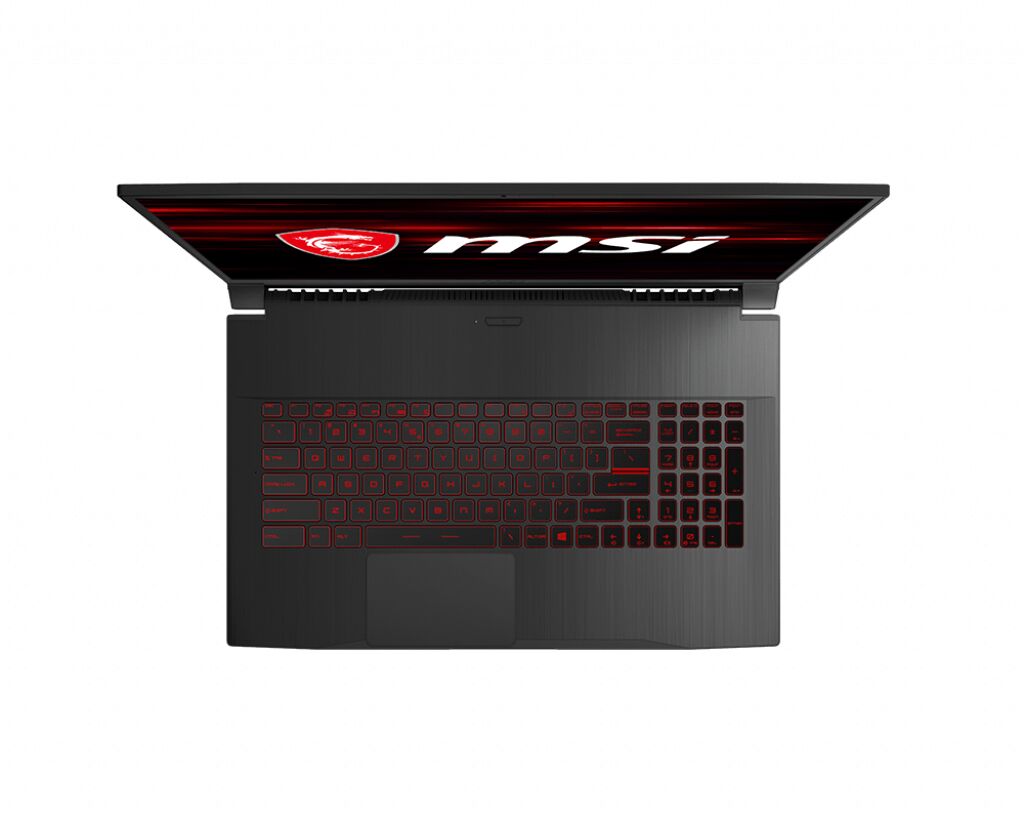
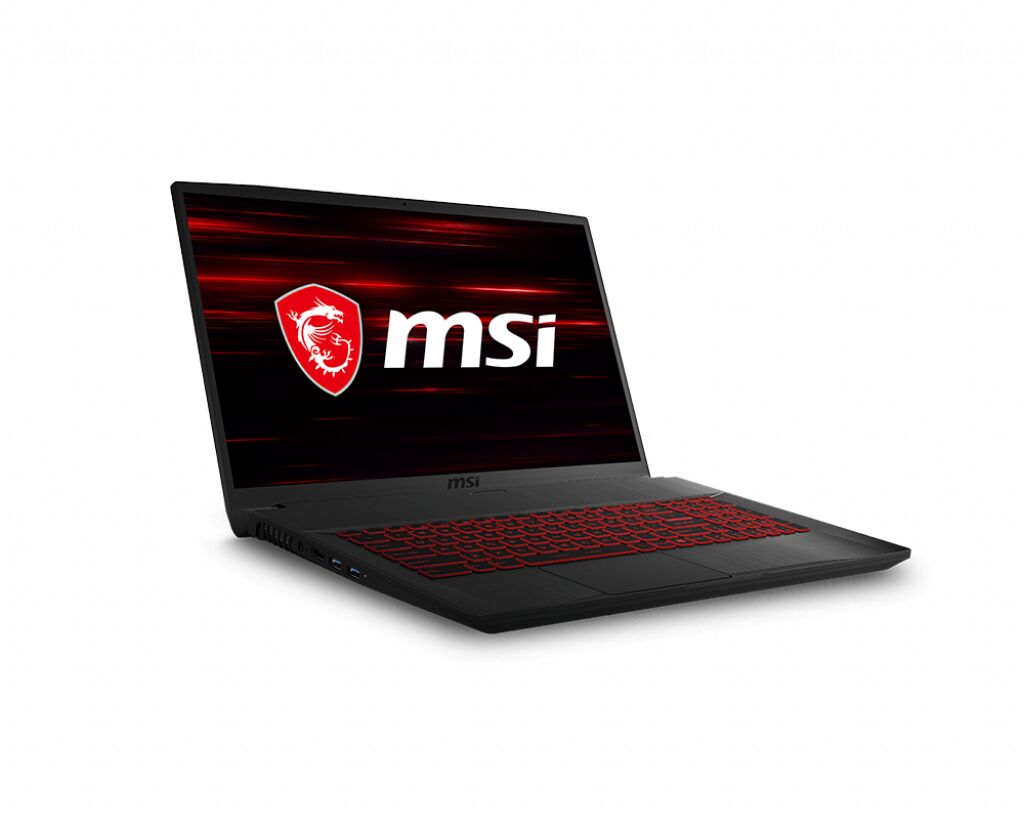
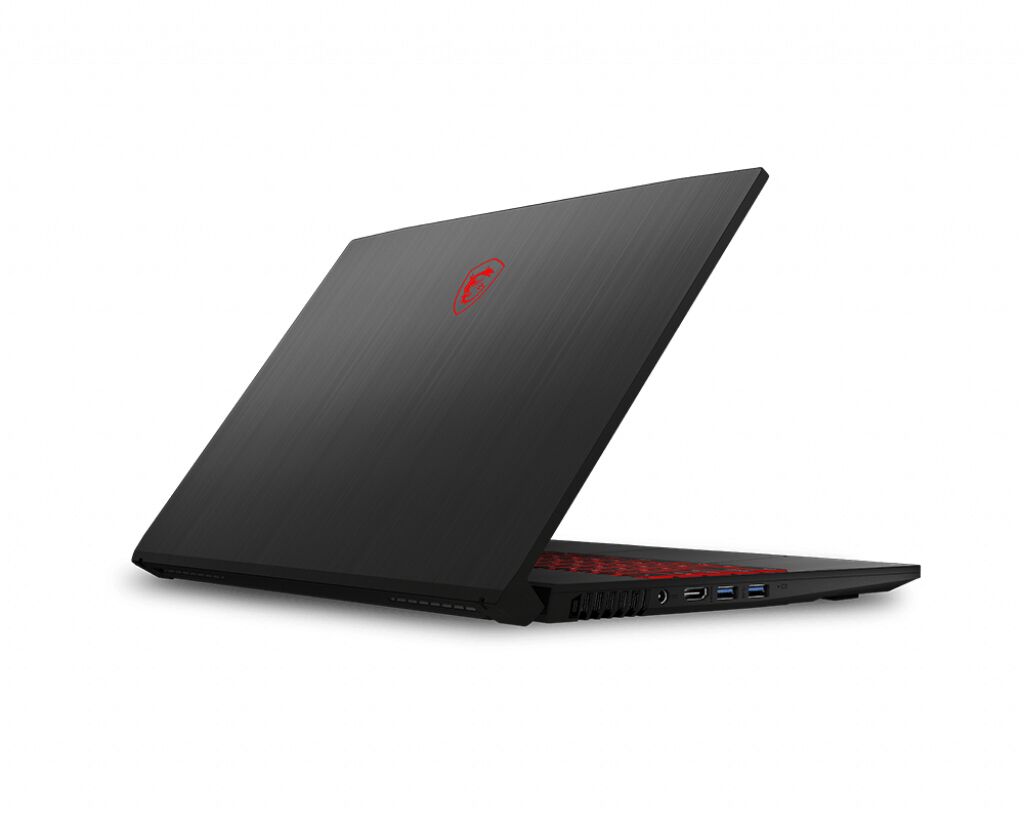
The MSI GF75 Thin 10SC-006FR gaming laptop supports DDR4-SDRAM memory upgrades across two SO-DIMM slots. Compatible memory operates at 3200 MHz frequency, with maximum RAM capacity of 64 GB. Upgrade specifications indicate the GF75 Thin 10SC-006FR accommodates SO-DIMM memory modules, allowing users to expand system memory from factory-installed configurations up to the 64 GB maximum. Memory slots accept standard DDR4-SDRAM modules compatible with the Gaming GF series specifications.
Memory Upgrade Specifications
| Specification | Value |
|---|---|
| Memory slots | 2x SO-DIMM |
| Form factor | SO-DIMM |
| Memory type | DDR4-SDRAM |
| Frequency | 3200 MHz |
| Maximum RAM | 64 GB |
| Voltage | 1.2V |
| Number of pins | 260-pin |
| Interface | PC4 |
| PC Speed Rating | PC4-3200 (PC4-25600) |
| Bandwidth | 25.6 GB/s |
| Laptop Release date | 31 January 2021 |
Additional Notes
- The 3200 MHz frequency specification requires Intel 10th generation Comet Lake platform support, as earlier generations default to lower speeds through automatic downclocking.
- Dual-channel architecture activation depends on installing matched capacity modules in both SO-DIMM slots, as asymmetric configurations force single-channel operation with reduced memory bandwidth.
- The 64 GB maximum capacity indicates compatibility with individual 32 GB modules, though such high-density SO-DIMMs may require specific BIOS versions or chipset firmware updates.
- Non-ECC unbuffered DDR4 modules are mandatory, as the mobile platform architecture rejects registered or error-correcting memory types during POST initialization.
- CAS latency and timing specifications beyond 3200 MHz base frequency may impact stability, particularly when combining modules from different manufacturers despite matching speed ratings.
- The SO-DIMM slots in this MSI GF75 Thin 10SC-006FR configuration share bandwidth allocation with integrated graphics when discrete GPU is idle, creating potential memory contention during mixed workloads.
- JEDEC-standard DDR4-3200 operates at 1.2 volts, while XMP profiles at identical speeds may specify 1.35 volts and face compatibility rejection on mobile platforms with locked voltage controllers.
- Thermal constraints in thin-chassis designs limit sustained memory frequency under load, as passive cooling relies on bottom panel ventilation without dedicated RAM heat spreaders.
- Warranty preservation typically requires avoiding bottom panel removal tools that damage seal stickers, though memory access doors eliminate this concern where present.
- Population of both slots with maximum capacity modules eliminates future expandability, making initial configuration decisions permanent without complete module replacement.