MSI Gaming GF75 Thin 10SC-007XFR RAM upgrade specifications
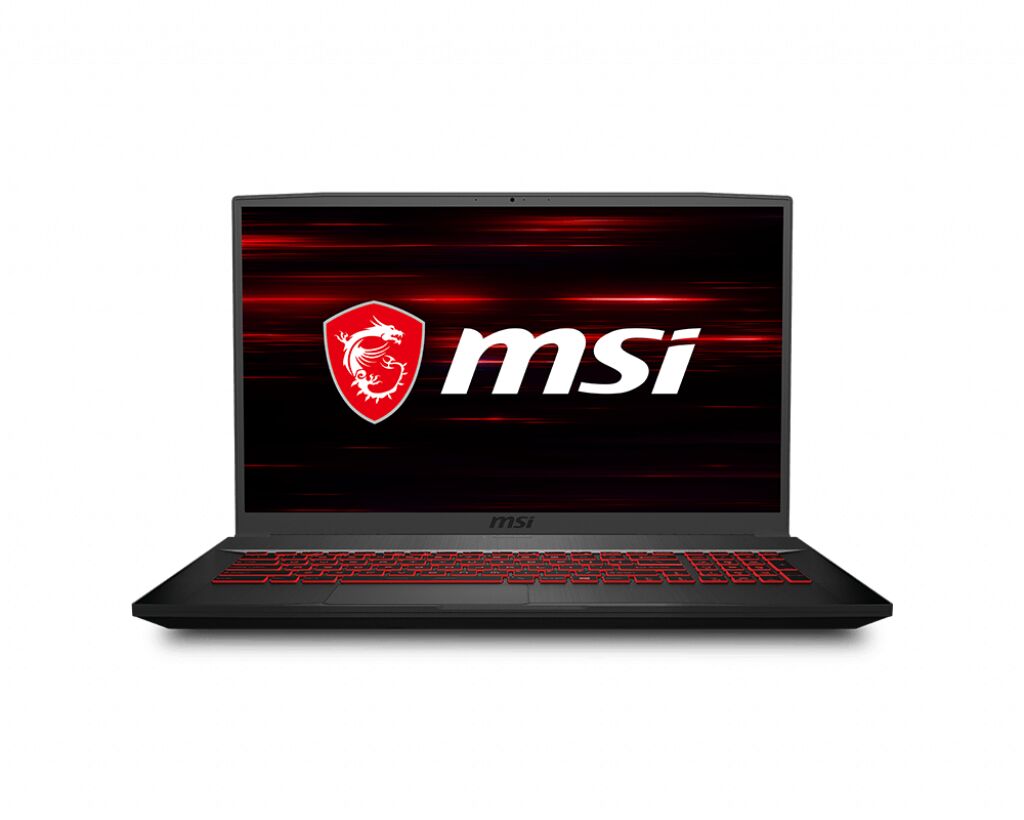
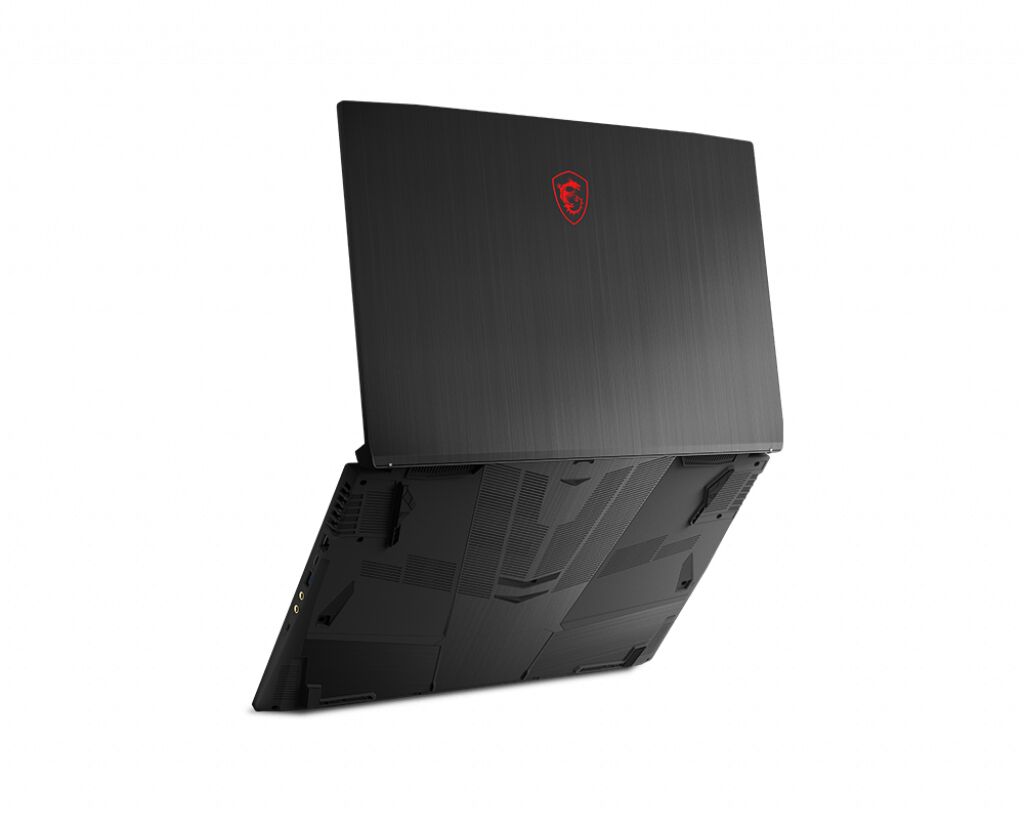
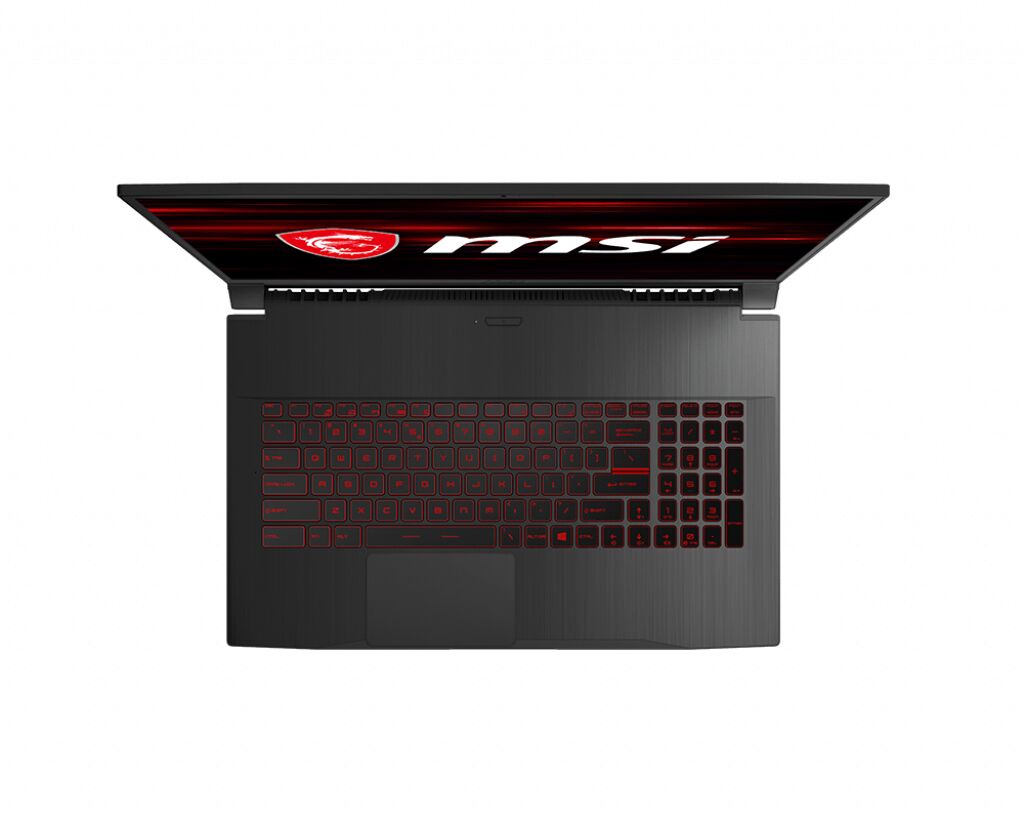
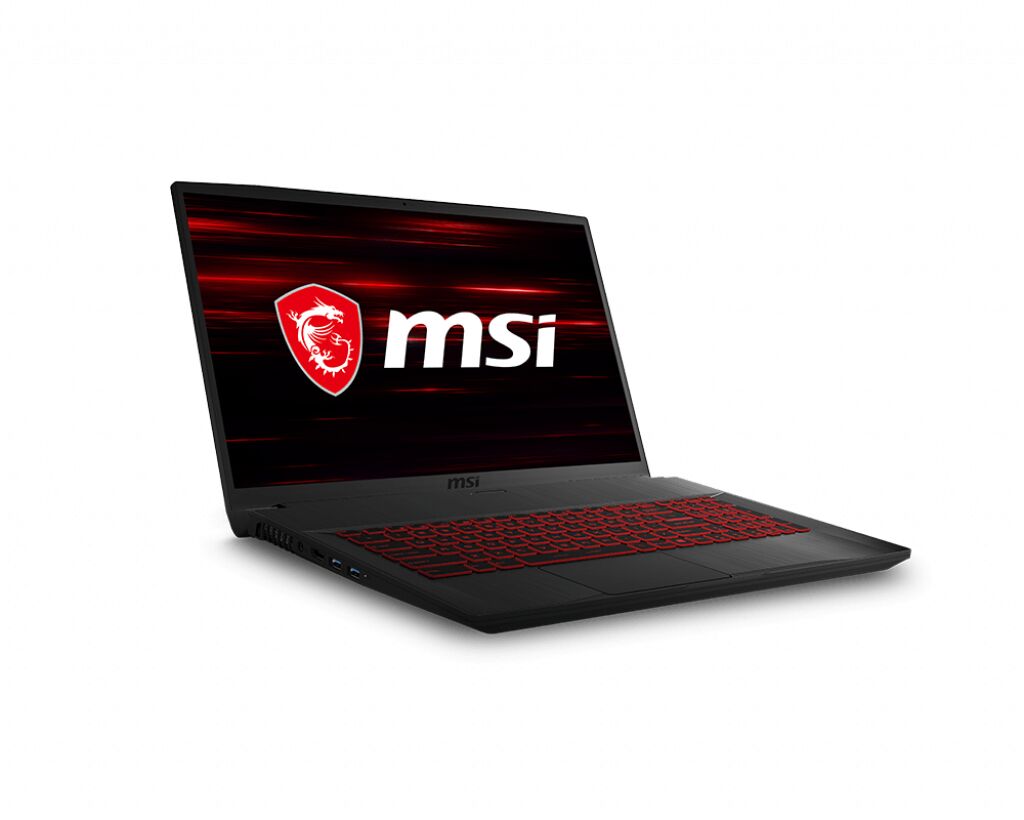

The MSI GF75 Thin 10SC-007XFR Gaming series laptop supports DDR4-SDRAM memory upgrades. The machine features 2x SO-DIMM slots for RAM installation, with a maximum capacity of 64 GB total memory. Compatible modules operate at 3200 MHz frequency. Upgrade specifications indicate SO-DIMM form factor modules are required for memory expansion on the MSI GF75 Thin 10SC-007XFR model.
Memory Upgrade Specifications
| Specification | Value |
|---|---|
| Memory slots | 2x SO-DIMM |
| Form factor | SO-DIMM |
| Memory type | DDR4-SDRAM |
| Frequency | 3200 MHz |
| Maximum RAM | 64 GB |
| Voltage | 1.2V |
| Number of pins | 260-pin |
| Interface | PC4 |
| PC Speed Rating | PC4-3200 (PC4-25600) |
| Bandwidth | 25.6 GB/s |
| Laptop Release date | 10 February 2021 |
Additional Notes
- The MSI GF75 Thin 10SC-007XFR supports dual-channel memory architecture through its 2 SO-DIMM slots, enabling potential bandwidth doubling when matched modules are installed.
- The 3200 MHz frequency specification represents JEDEC standard DDR4-3200, which operates at PC4-25600 bandwidth delivering 25.6 GB/s per channel theoretical maximum.
- Achieving the stated 64 GB ceiling requires 2 modules of 32 GB capacity each, limiting module density options for maximum configuration.
- DDR4 SO-DIMM modules use 260-pin connectors and operate at 1.2V standard voltage, distinguishing them from desktop DIMM counterparts with 288 pins.
- Mixed capacity configurations remain functional but must maintain identical frequency ratings to prevent the memory controller from downclocking to the lowest common speed.
- Access to SO-DIMM slots typically requires bottom panel removal, which may affect warranty status depending on regional regulations and manufacturer policies.
- Non-ECC unbuffered modules are required for consumer laptop platforms, as registered or ECC variants introduce incompatibility with the mobile chipset.
- Single-module configurations limit bandwidth to single-channel operation, cutting theoretical memory throughput by approximately 50% compared to dual-channel setups.
- CAS latency variations between modules, even at matching frequencies, can introduce minor performance inconsistencies in mixed-brand installations.
- The 10th generation Intel mobile platform underlying this system includes memory training routines that automatically configure timing parameters during POST.