MSI Gaming GF76 11SC-659NL Katana RAM upgrade specifications
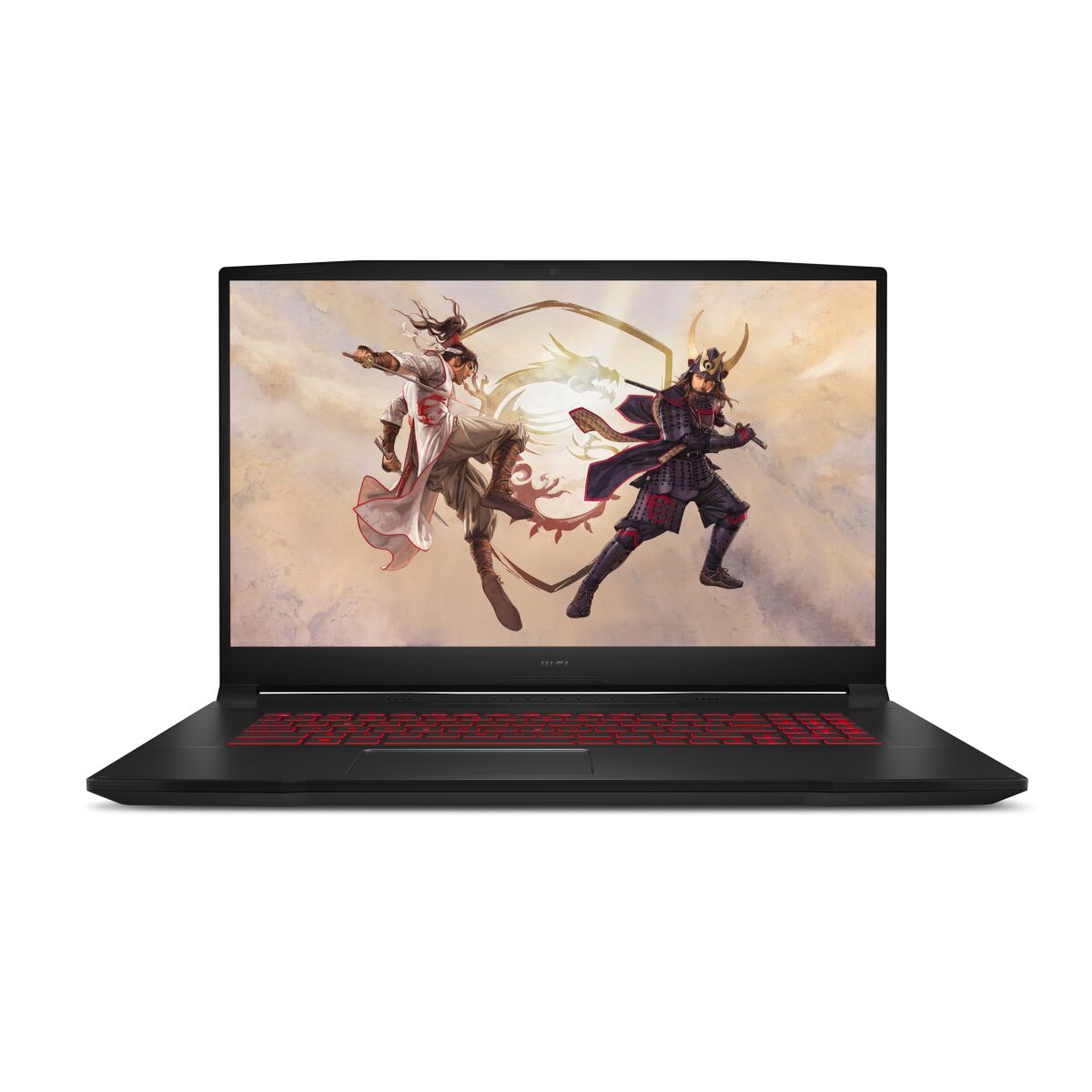
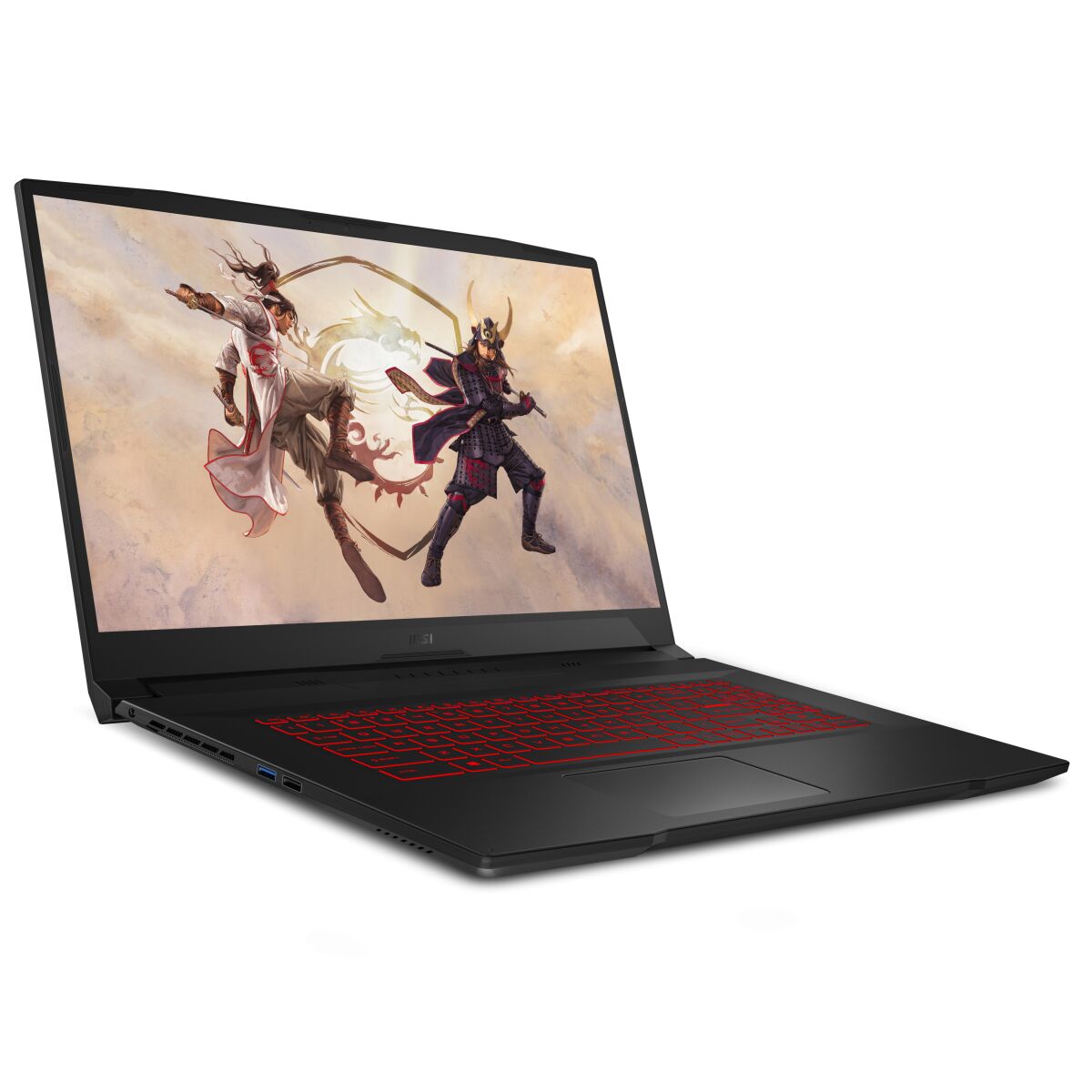
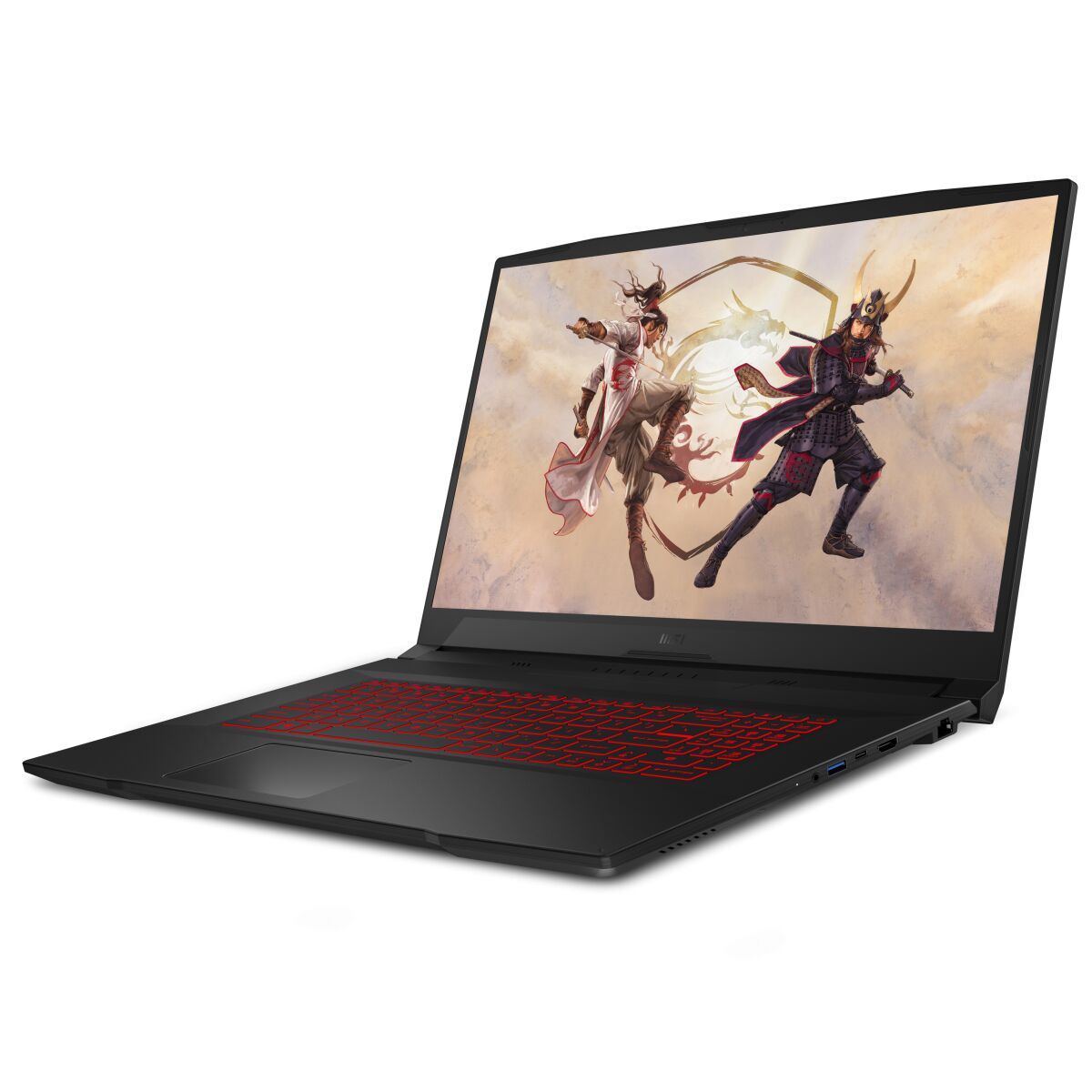
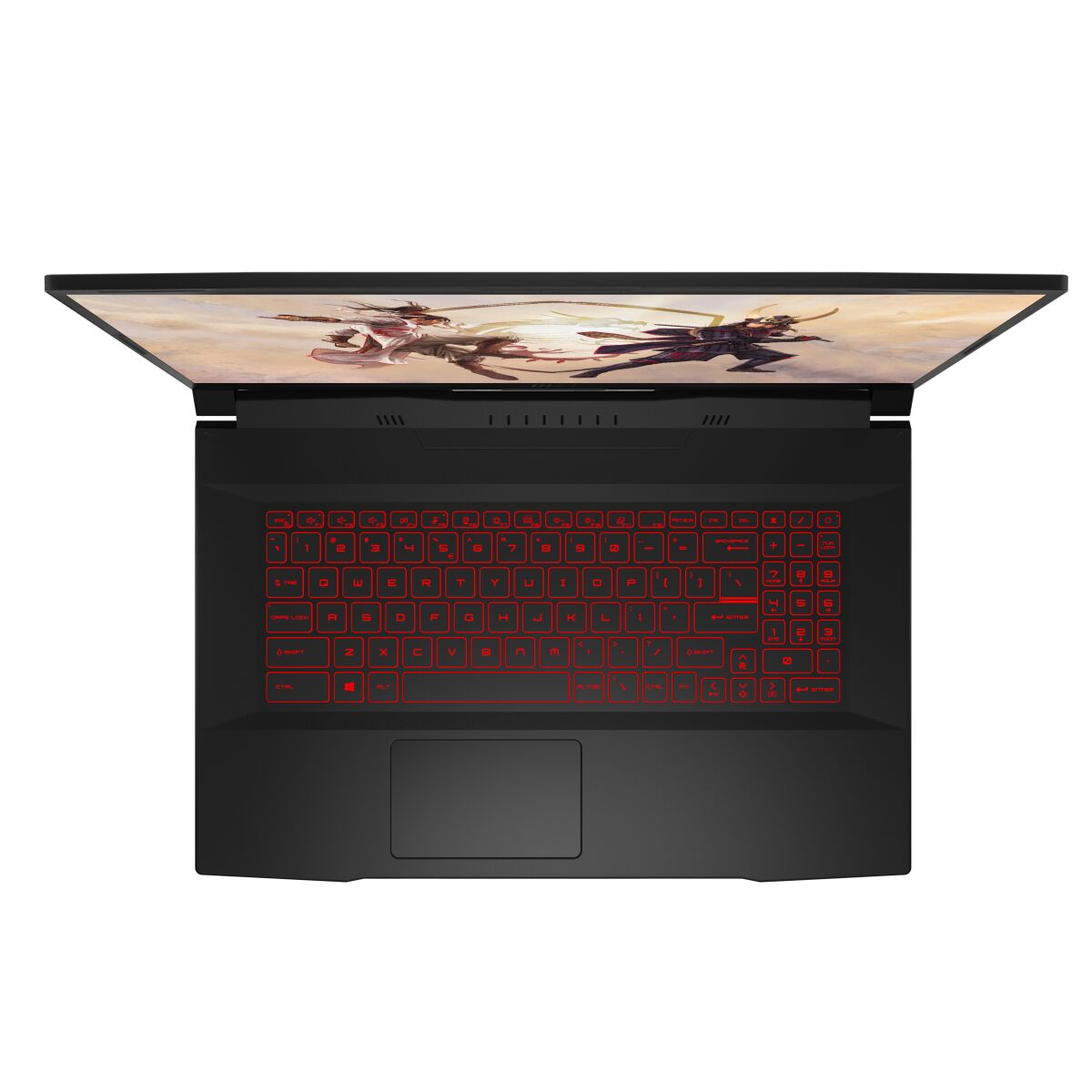
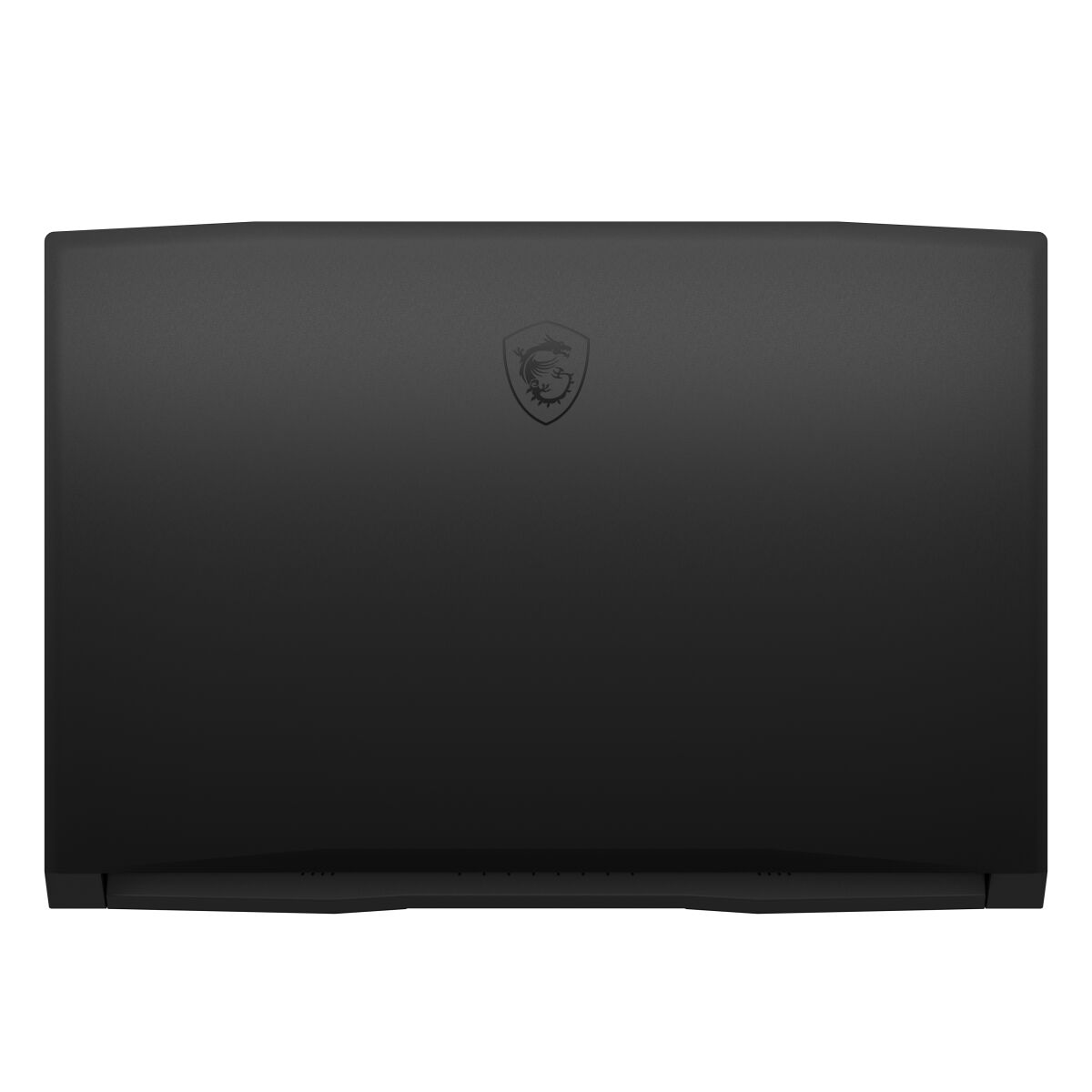
MSI GF76 11SC-659NL Katana gaming laptop features DDR4-SDRAM memory with 2x SO-DIMM slots for RAM upgrade. Maximum memory capacity reaches 64 GB total, supporting modules at 3200 MHz frequency. Compatible SO-DIMM form factor memory modules enable expansion up to specified maximum capacity. Current and upgraded memory configurations comply with MSI GF Gaming series specifications for performance optimization.
Memory Upgrade Specifications
| Specification | Value |
|---|---|
| Memory slots | 2x SO-DIMM |
| Form factor | SO-DIMM |
| Memory type | DDR4-SDRAM |
| Frequency | 3200 MHz |
| Maximum RAM | 64 GB |
| Voltage | 1.2V |
| Number of pins | 260-pin |
| Interface | PC4 |
| PC Speed Rating | PC4-3200 (PC4-25600) |
| Bandwidth | 25.6 GB/s |
| Laptop Release date | 26 January 2022 |
Additional Notes
- The 3200 MHz frequency represents the maximum officially supported speed, but actual performance depends on the Intel 11th generation processor's memory controller capabilities and BIOS implementation.
- Both SO-DIMM slots must be populated with identical capacity and speed modules to enable dual-channel mode, which doubles memory bandwidth from 25.6 GB/s to 51.2 GB/s.
- The 64 GB maximum capacity requires 2 modules of 32 GB each, which may limit availability compared to more common 16 GB configurations.
- DDR4 SO-DIMM modules operate at 1.2V standard voltage, and voltage modifications are typically locked in gaming laptops to prevent thermal and stability issues.
- Installing mismatched modules will force the system to run both at the speed of the slower module, potentially downclocking from 3200 MHz to 2933 MHz or 2666 MHz.
- Access to the memory slots on the MSI GF76 11SC-659NL Katana typically requires bottom panel removal, which may involve multiple screw types and plastic clip disengagement.
- DDR4-3200 modules with higher XMP profiles will not automatically overclock beyond 3200 MHz unless the BIOS explicitly supports manual frequency adjustment for this model.
- Mixing single-rank and dual-rank memory modules can create performance asymmetry and may prevent the system from posting or cause instability under heavy workloads.
- The SO-DIMM form factor restricts aftermarket heatspreader options, meaning thermal performance relies entirely on the laptop's cooling system and ambient airflow.
- Non-branded or value RAM may lack proper SPD programming for 3200 MHz operation, forcing the system to default to JEDEC standard speeds of 2400 MHz or 2666 MHz.