MSI Gaming GF76 11SC-657NL Katana RAM upgrade specifications


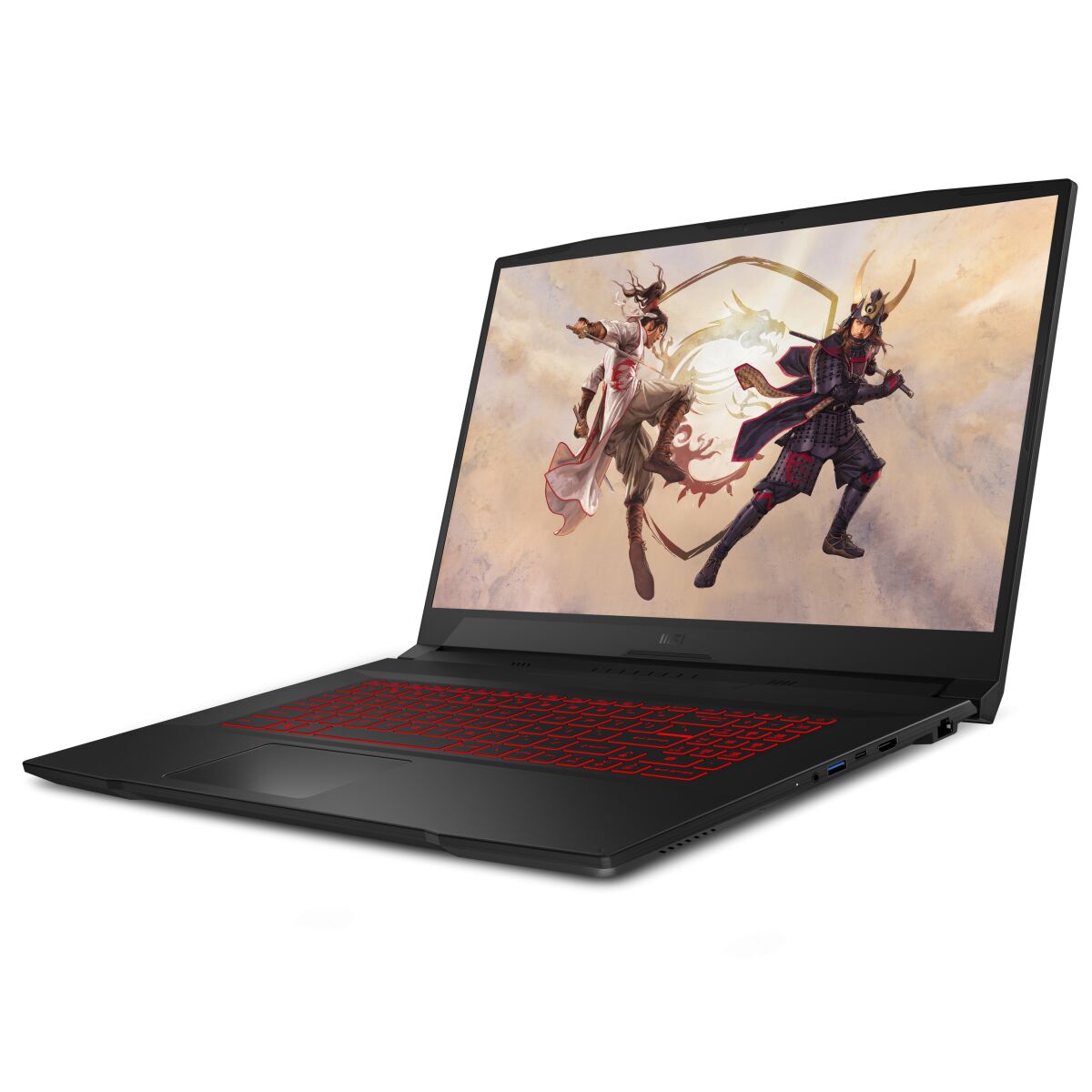

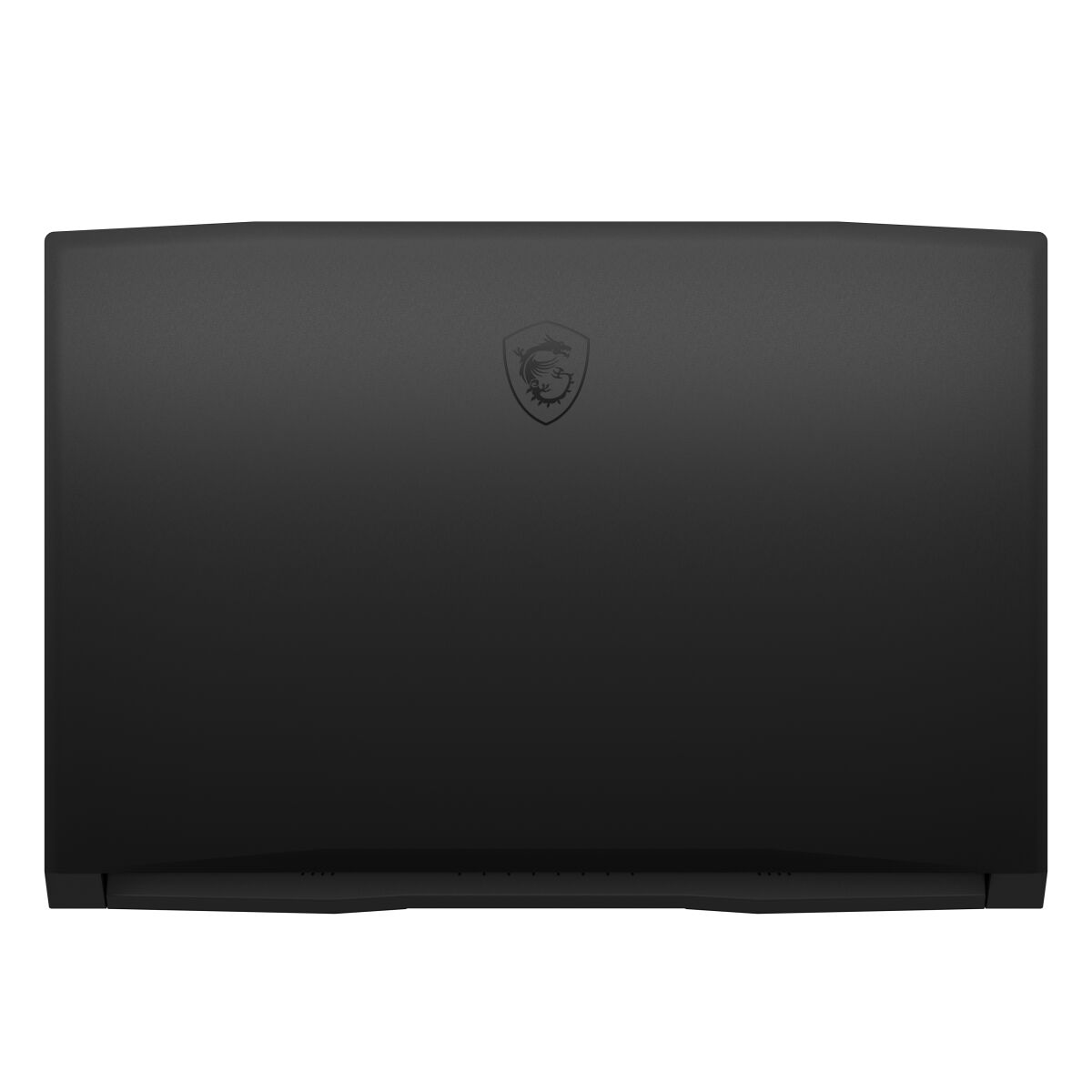
MSI GF76 11SC-657NL Katana gaming laptop supports DDR4-SDRAM memory upgrade with two SO-DIMM slots. Maximum RAM capacity reaches 64 GB total. Compatible memory modules operate at 3200 MHz frequency. Each slot accommodates SO-DIMM form factor memory modules. Upgrade specifications enable expansion from factory configuration to maximum supported capacity of 64 GB across both memory slots. DDR4-SDRAM technology defines compatible memory type for this gaming series model.
Memory Upgrade Specifications
| Specification | Value |
|---|---|
| Memory slots | 2x SO-DIMM |
| Form factor | SO-DIMM |
| Memory type | DDR4-SDRAM |
| Frequency | 3200 MHz |
| Maximum RAM | 64 GB |
| Voltage | 1.2V |
| Number of pins | 260-pin |
| Interface | PC4 |
| PC Speed Rating | PC4-3200 (PC4-25600) |
| Bandwidth | 25.6 GB/s |
| Laptop Release date | 26 January 2022 |
Additional Notes
- The MSI GF76 11SC-657NL Katana memory controller architecture enforces a 32 GB per slot ceiling, which determines the 64 GB system maximum rather than chipset limitations.
- DDR4-3200 operates at PC4-25600 bandwidth specification, delivering 25.6 GB/s theoretical throughput per channel in dual-channel configuration.
- Both SO-DIMM slots must be populated with matched capacity modules to activate dual-channel mode, which doubles effective memory bandwidth compared to single-module operation.
- The 11th generation Intel Core platform supports JEDEC standard DDR4-3200 natively without requiring XMP profile activation or BIOS adjustments.
- SO-DIMM module height clearance typically does not pose installation conflicts in this chassis design, as gaming laptops accommodate standard profile modules up to 30mm.
- Mixing DDR4 modules with different speeds forces all installed memory to downclock to the lowest common frequency, negating any performance benefit from higher-rated modules.
- CAS latency timings between CL19 and CL22 produce negligible real-world performance differences at 3200 MHz in gaming workloads, making primary timings a secondary selection criterion.
- Non-ECC unbuffered memory represents the only compatible SO-DIMM type, as registered or ECC variants lack support in consumer mobile platforms.
- Thermal constraints in confined laptop environments make low-voltage 1.2V DDR4 modules preferable over standard 1.35V variants to minimize heat contribution.
- User-accessible memory compartment design typically permits RAM replacement without voiding manufacturer warranty, though verification of regional warranty terms remains advisable.
- Single-rank versus dual-rank module architecture affects memory interleaving efficiency, with dual-rank configurations occasionally providing 3 to 5 percent performance gains in memory-intensive applications.
- The absence of RAM soldered to the motherboard allows complete capacity control through module selection alone, unlike hybrid configurations with fixed onboard memory.