MSI Gaming GF75 Thin 9SC-408MX RAM upgrade specifications
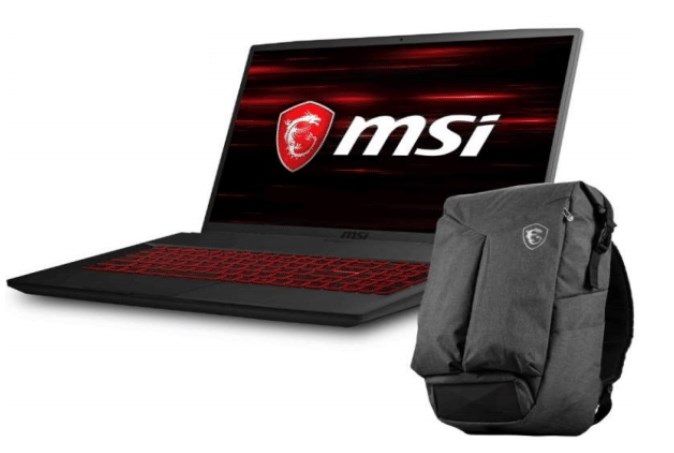
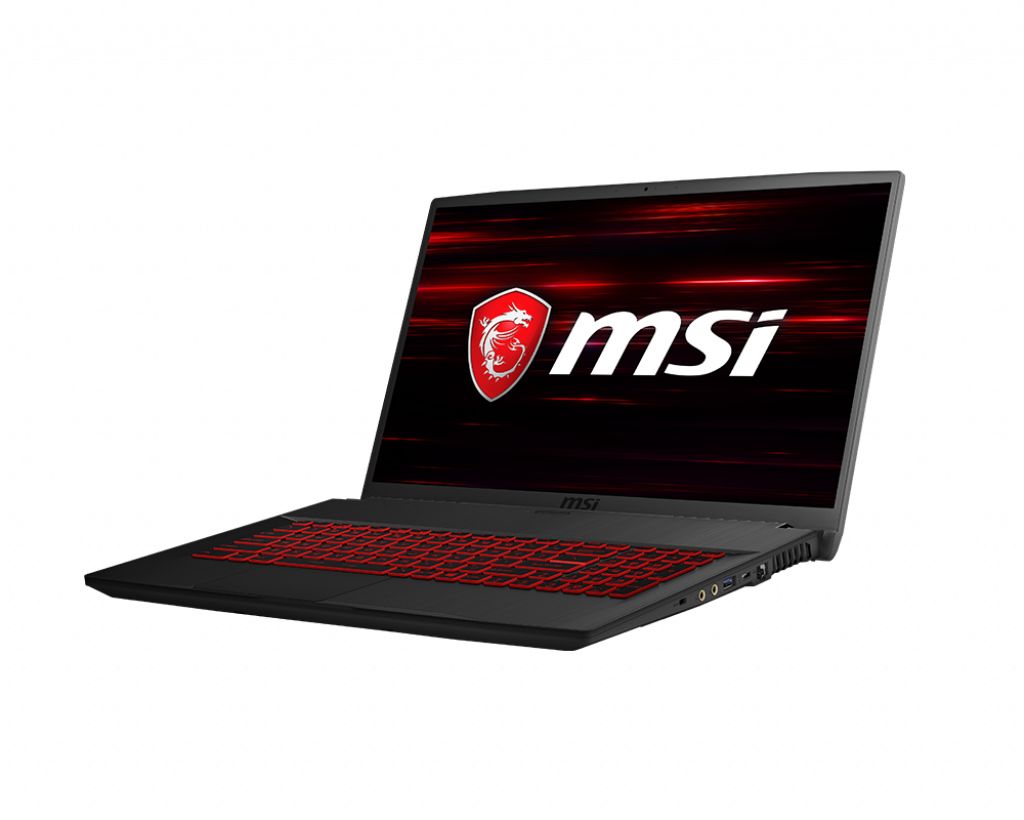
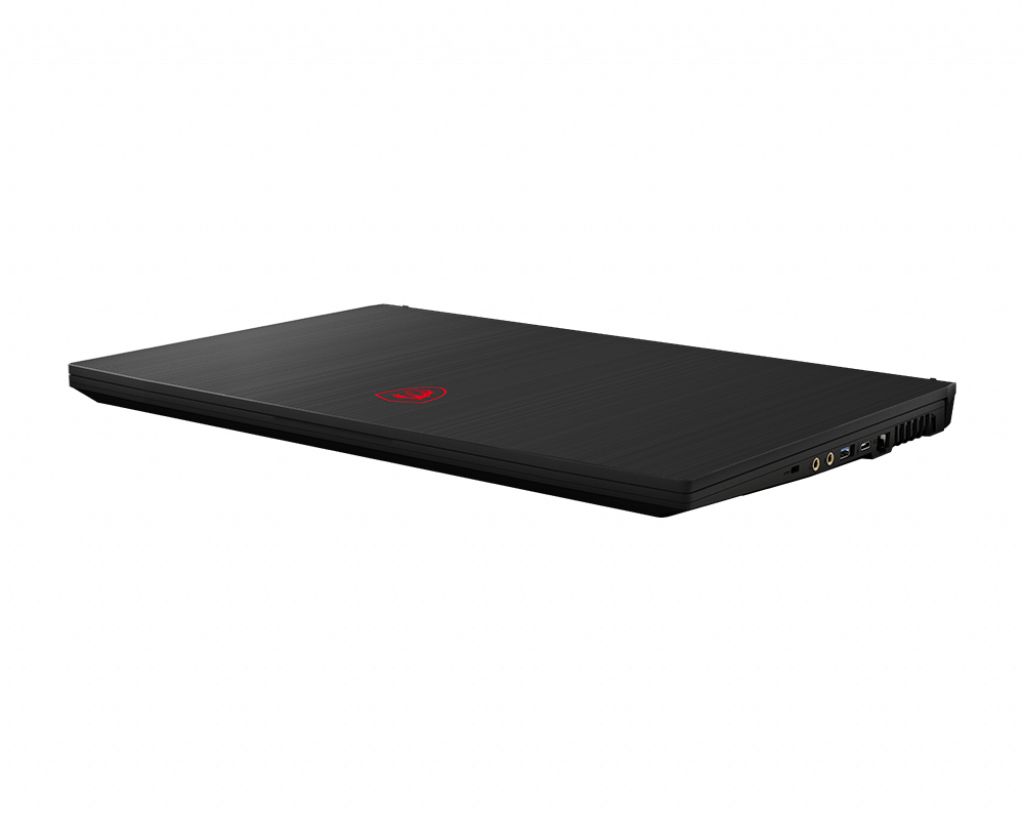
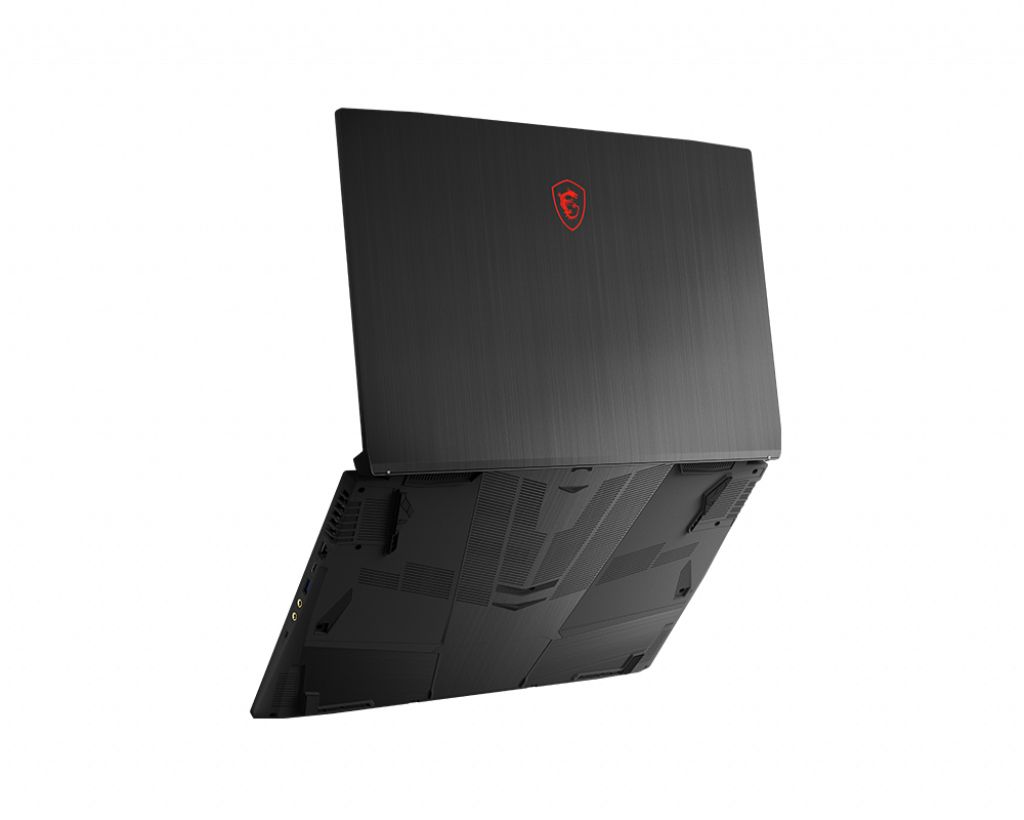
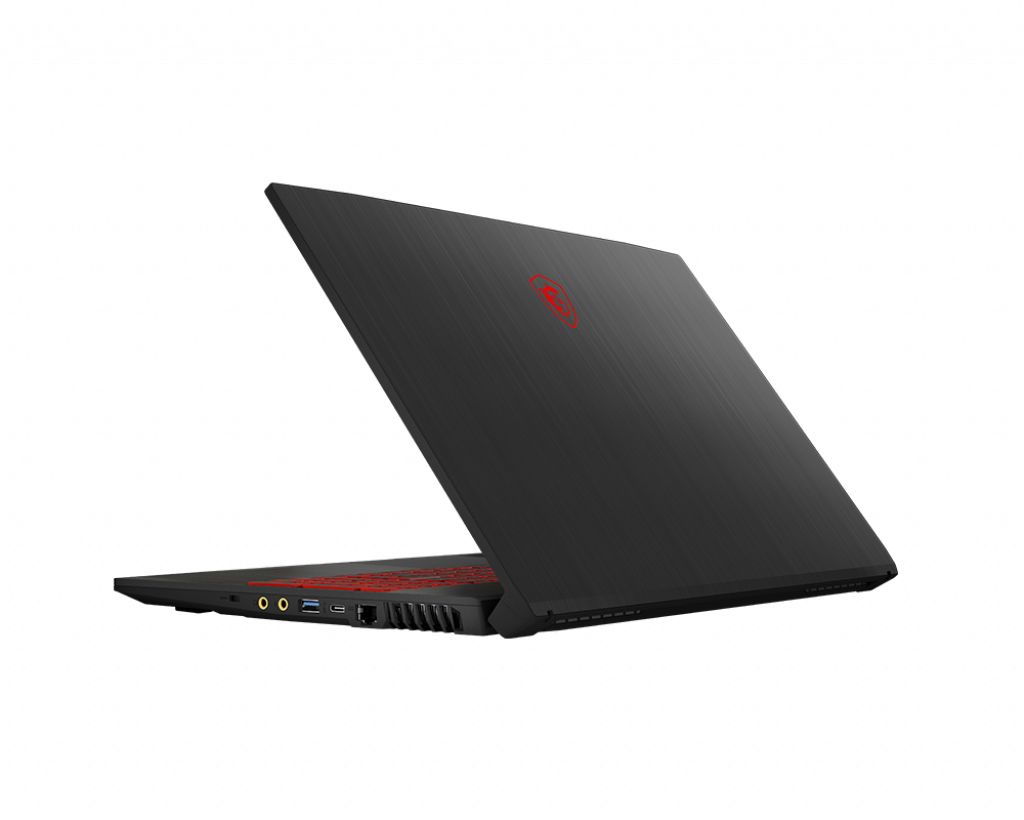
MSI GF75 Thin 9SC-408MX gaming laptop features DDR4-SDRAM memory upgrade specifications with two SO-DIMM slots supporting maximum RAM capacity of 64 GB. Compatible memory operates at 2666 MHz frequency. The Gaming GF series model accommodates SO-DIMM form factor modules for RAM expansion, enabling users to enhance system performance through memory upgrade installation in available slots.
Memory Upgrade Specifications
| Specification | Value |
|---|---|
| Memory slots | 2x SO-DIMM |
| Form factor | SO-DIMM |
| Memory type | DDR4-SDRAM |
| Frequency | 2666 MHz |
| Maximum RAM | 64 GB |
| Voltage | 1.2V |
| Number of pins | 260-pin |
| Interface | PC4 |
| PC Speed Rating | PC4-2666 (PC4-21328) |
| Bandwidth | 21.3 GB/s |
| Laptop Release date | 15 October 2019 |
Additional Notes
- The MSI GF75 Thin 9SC-408MX supports DDR4-2666 MHz memory, which represents a bandwidth ceiling of approximately 21.3 GB/s per channel. Modern gaming workloads and content creation applications may experience latency-sensitive performance degradation when paired with faster GPU or CPU configurations.
- Installation of aftermarket SO-DIMM modules requires complete system shutdown and battery removal. The 2-slot configuration provides no redundancy; a single module failure renders the system non-functional unless the remaining slot contains working memory.
- Upgrading to the 64 GB maximum capacity requires 2x32 GB SO-DIMM modules. Compatibility verification against the manufacturer's qualified vendor list is necessary before purchase, as not all third-party modules support rated timings at 2666 MHz in this chassis.
- The laptop's 9th-generation processor architecture (9SC designation) pairs with DDR4-2666 native support. Mixing matched pairs with mismatched speeds or timings introduces instability risk and voids memory-related warranty coverage.
- SO-DIMM form factor constrains upgrade sourcing to mobile-grade modules only. Desktop DDR4 memory remains physically incompatible regardless of frequency matching, eliminating the option to repurpose existing components.
- Thermal constraints within the thin chassis design may impact sustained memory performance under extended gaming sessions. Modules featuring standard height profiles and passive thermal design operate within safe operating parameters; taller heatspreaders risk contact with internal components.