MSI Gaming GF75 Thin 9SC-027 RAM upgrade specifications
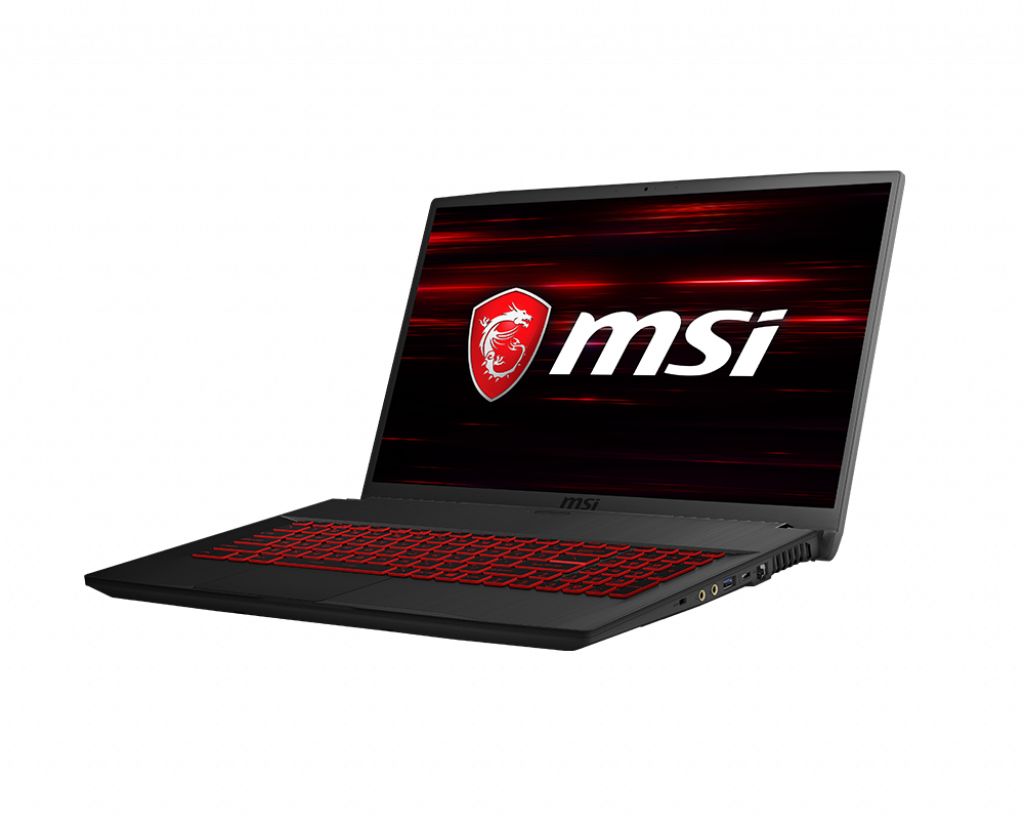
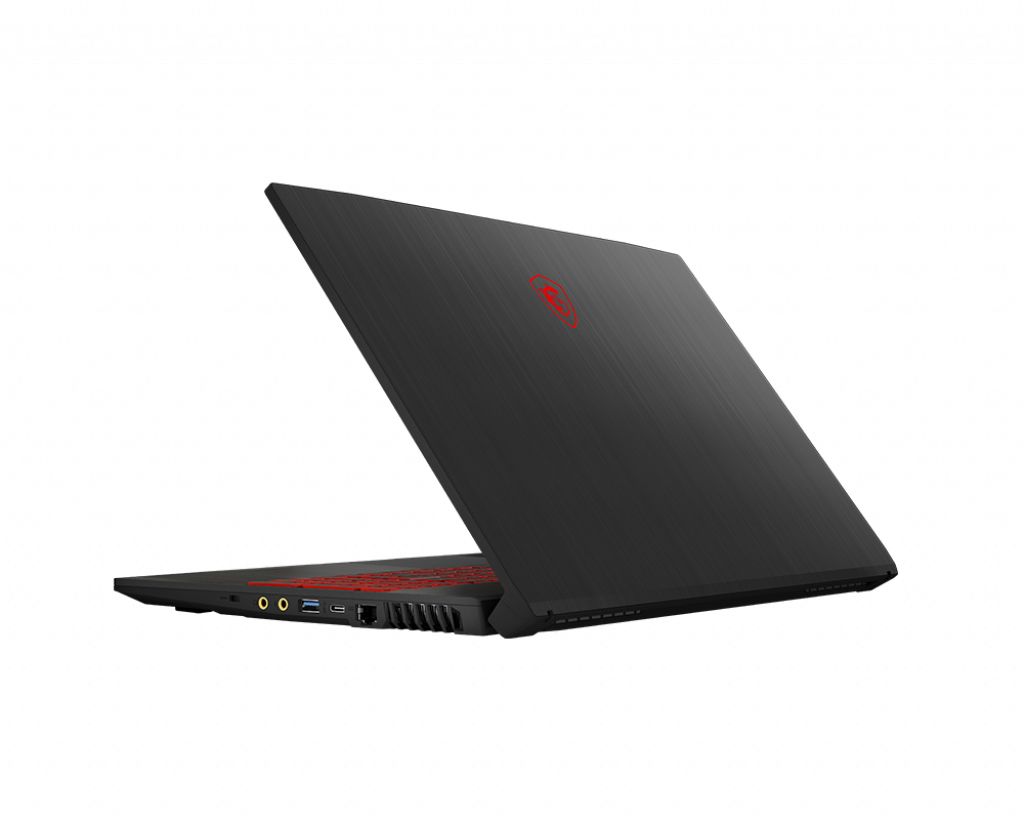
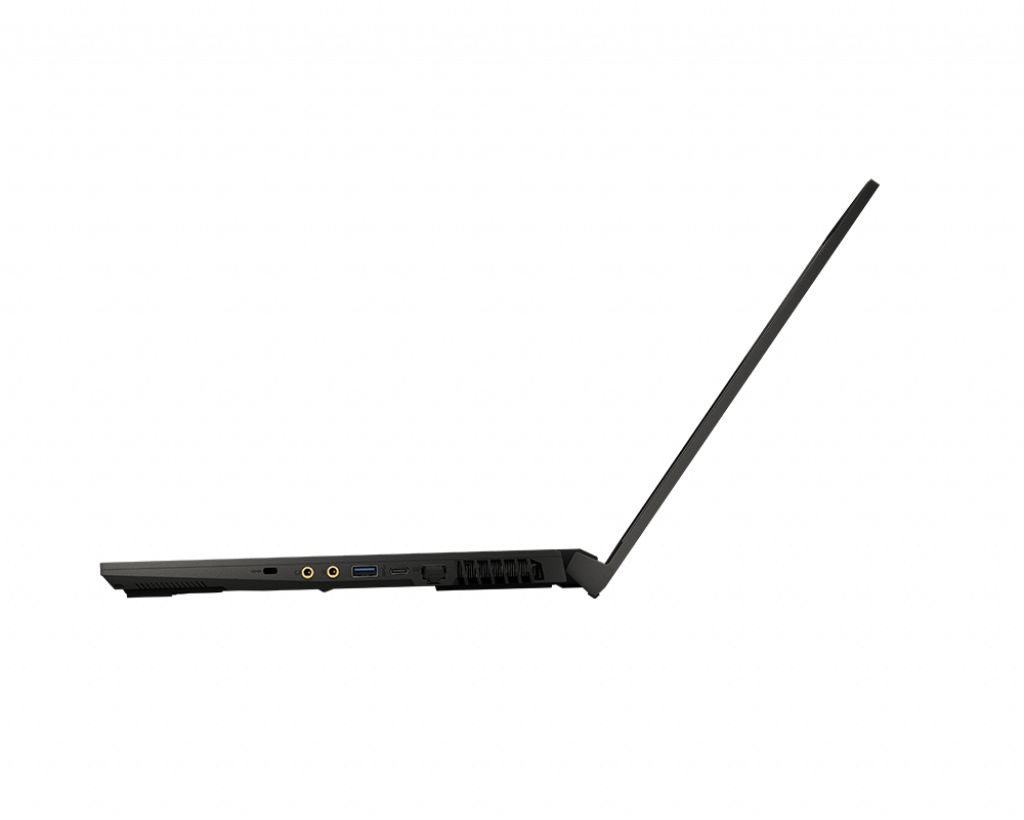
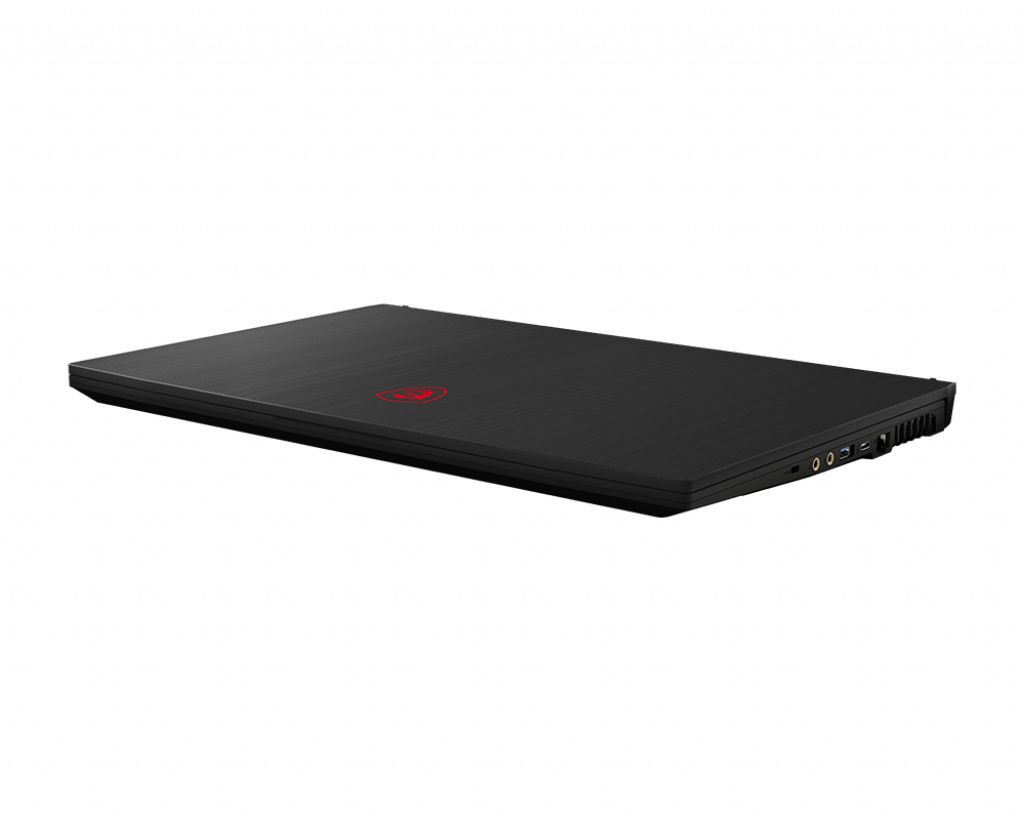
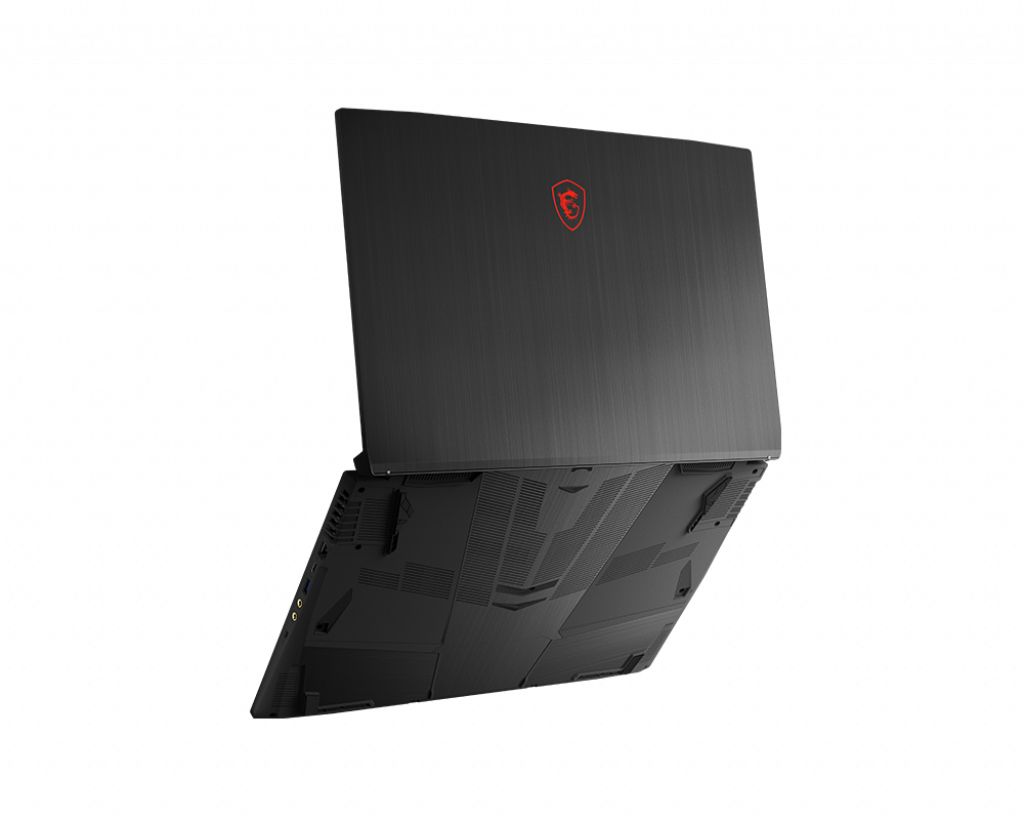
MSI GF75 Thin 9SC-027 gaming laptop memory upgrade specifications include two SO-DIMM slots supporting DDR4-SDRAM memory modules operating at 2666 MHz frequency. Maximum RAM capacity reaches 64 GB total. Compatible upgrade options utilize standard SO-DIMM form factor modules. Specifications indicate supported memory configurations for this MSI GF series gaming model.
Memory Upgrade Specifications
| Specification | Value |
|---|---|
| Memory slots | 2x SO-DIMM |
| Form factor | SO-DIMM |
| Memory type | DDR4-SDRAM |
| Frequency | 2666 MHz |
| Maximum RAM | 64 GB |
| Voltage | 1.2V |
| Number of pins | 260-pin |
| Interface | PC4 |
| PC Speed Rating | PC4-2666 (PC4-21328) |
| Bandwidth | 21.3 GB/s |
| Laptop Release date | 29 March 2019 |
Additional Notes
- The MSI GF75 Thin 9SC-027 contains 2 memory slots with no additional expansion capacity beyond the single upgrade path, requiring replacement of existing modules rather than addition of new ones to exceed current installed capacity.
- DDR4-2666 MHz frequency represents a memory bandwidth ceiling of approximately 21 GB/s per channel, creating a potential bottleneck for graphics-intensive workloads when paired with higher-tier GPUs that may saturate this throughput limitation during texture streaming and frame buffer operations.
- SO-DIMM form factor constrains component sourcing to laptop-specific modules, eliminating compatibility with standard desktop DDR4 memory and requiring verification of individual module latency (CAS) ratings and manufacturing revisions to avoid intermittent stability issues.
- The 64 GB theoretical maximum requires installation of 2x32 GB modules, which may exceed thermal design parameters for the SO-DIMM slots if high-performance variants with active heat spreaders are selected, potentially triggering thermal throttling during sustained gaming sessions.
- Upgrading beyond factory-installed capacity voids manufacturer warranty coverage on memory-related hardware failures in most markets, necessitating retention of original modules for warranty service claims or restoration to factory specifications.
- DDR4-2666 specification predates JEDEC standardization of faster speeds (DDR4-3000 and above), meaning replacement modules marketed for newer gaming platforms may operate at reduced frequency or require manual BIOS configuration to achieve rated speeds, introducing compatibility uncertainty.