MSI Gaming GF75 Thin 9SC-039XES RAM upgrade specifications

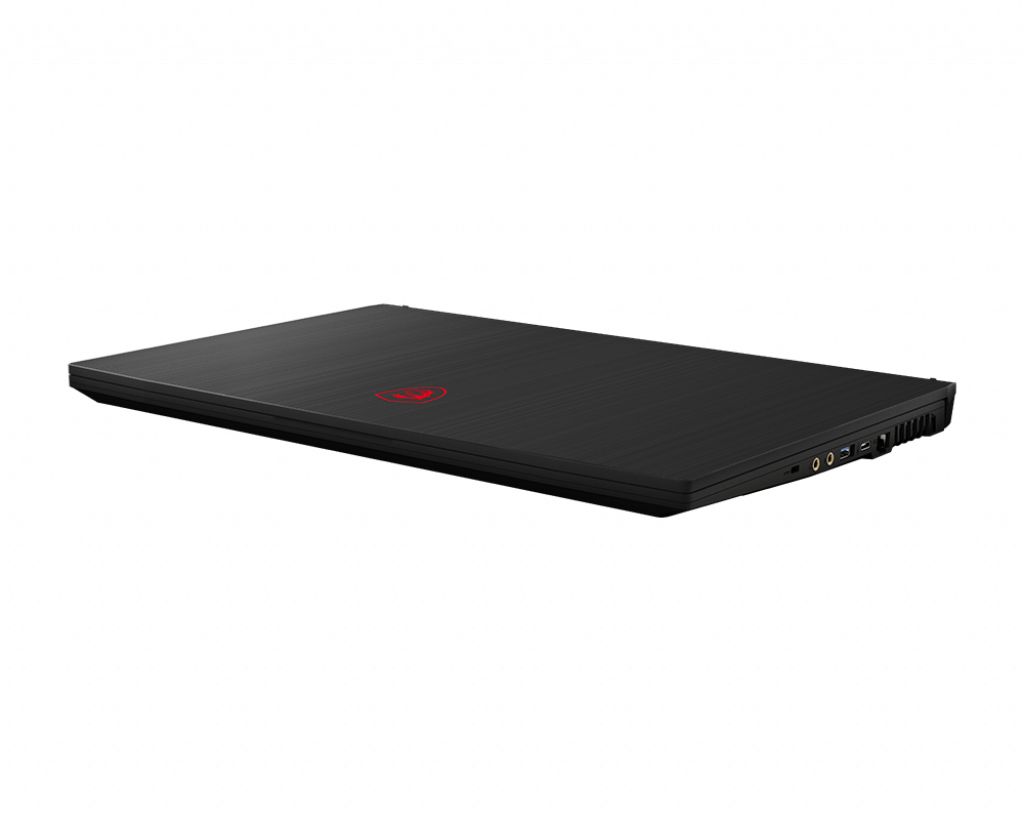
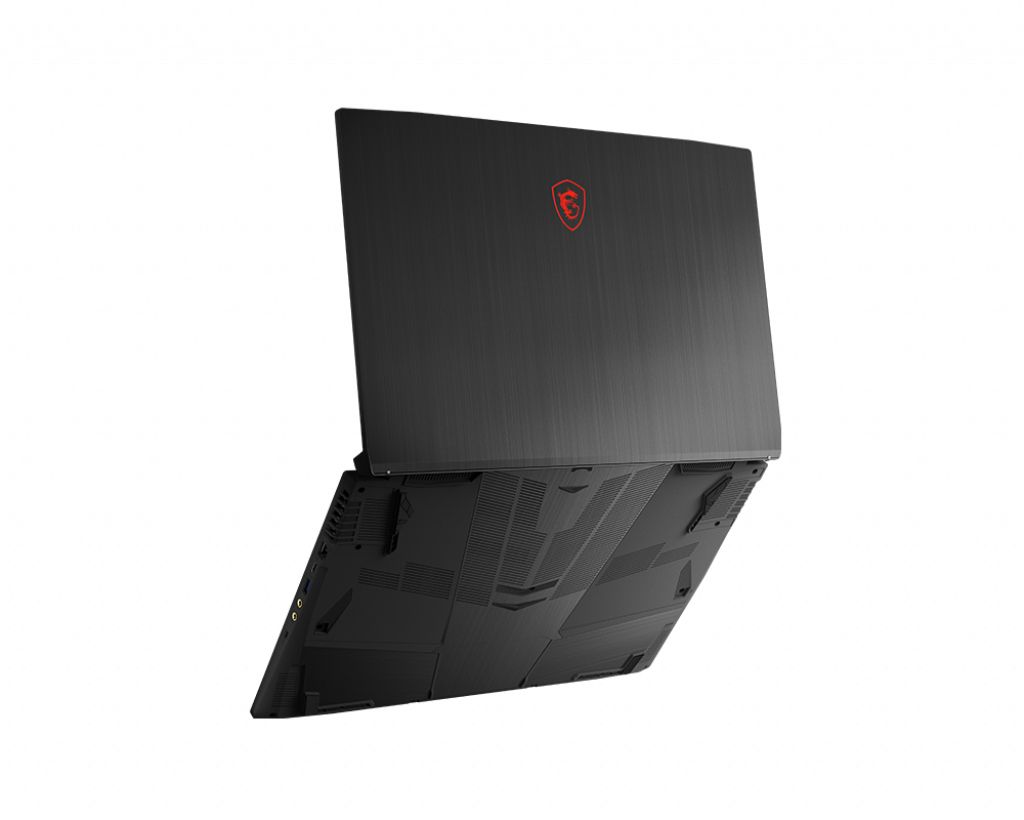

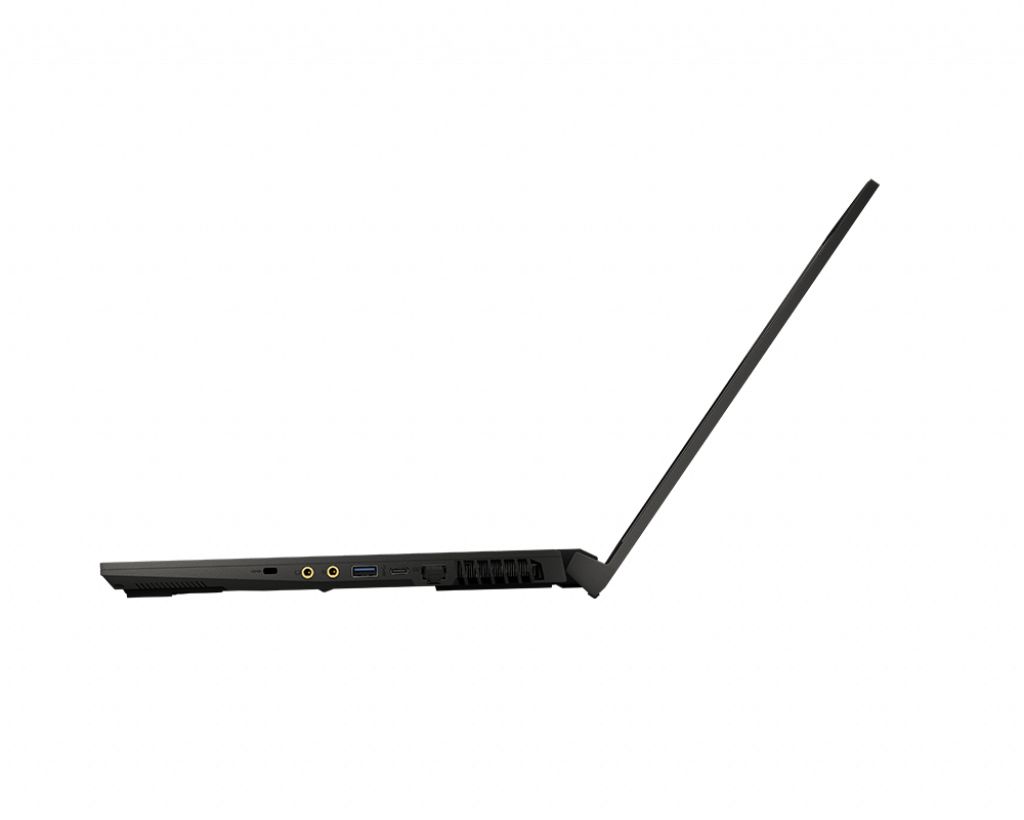
MSI GF75 Thin 9SC-039XES gaming laptop supports DDR4-SDRAM memory upgrade through two SO-DIMM slots. Maximum compatible RAM capacity reaches 64 GB total. Standard memory specifications operate at 2666 MHz frequency. Upgrade configurations accommodate SO-DIMM form factor modules. MSI GF series specifications enable memory expansion from factory baseline to maximum 64 GB capacity across dual memory slots for enhanced system performance.
Memory Upgrade Specifications
| Specification | Value |
|---|---|
| Memory slots | 2x SO-DIMM |
| Form factor | SO-DIMM |
| Memory type | DDR4-SDRAM |
| Frequency | 2666 MHz |
| Maximum RAM | 64 GB |
| Voltage | 1.2V |
| Number of pins | 260-pin |
| Interface | PC4 |
| PC Speed Rating | PC4-2666 (PC4-21328) |
| Bandwidth | 21.3 GB/s |
| Laptop Release date | 19 April 2019 |
Additional Notes
- The DDR4-2666 specification limits the memory controller to a maximum theoretical bandwidth of 21.3 GB/s per channel, which may constrain performance in memory-intensive tasks such as video rendering or large dataset processing.
- The 2 SO-DIMM slot configuration allows dual-channel operation when both slots are populated with matched modules, doubling the effective memory bandwidth compared to single-channel configurations.
- Achieving the 64 GB maximum capacity requires 2 modules of 32 GB each, a configuration that was uncommon in the DDR4 SO-DIMM market during the MSI GF75 Thin 9SC-039XES production period and may present sourcing challenges.
- Installing modules with higher native speeds (DDR4-3200 or DDR4-2933) will result in automatic downclocking to 2666 MHz, as the system enforces the lowest common frequency specification.
- Mixing modules with different capacities or timings will force the memory controller to operate at the specification of the slowest module, potentially degrading performance even if higher-rated memory is installed.
- The SO-DIMM form factor restricts compatibility to laptop-specific modules, as desktop DIMM modules are physically incompatible due to different pin counts and physical dimensions.
- Memory upgrades on this platform typically do not void manufacturer warranties when performed by the user, as the bottom panel provides accessible memory slots without requiring disassembly of sealed components.
- The Intel 9th generation mobile chipset supporting this memory configuration does not include native support for error-correcting code (ECC) memory, limiting module selection to non-ECC variants.
- Operating voltage for DDR4-2666 modules is standardized at 1.2V, ensuring compatibility across manufacturers and reducing the risk of stability issues from voltage mismatches.
- Single-rank versus dual-rank module architecture can affect performance differently depending on workload, with dual-rank modules sometimes providing marginal improvements in sustained memory operations despite identical capacity and frequency ratings.