MSI Gaming GF76 11SC-416XFR Katana RAM upgrade specifications
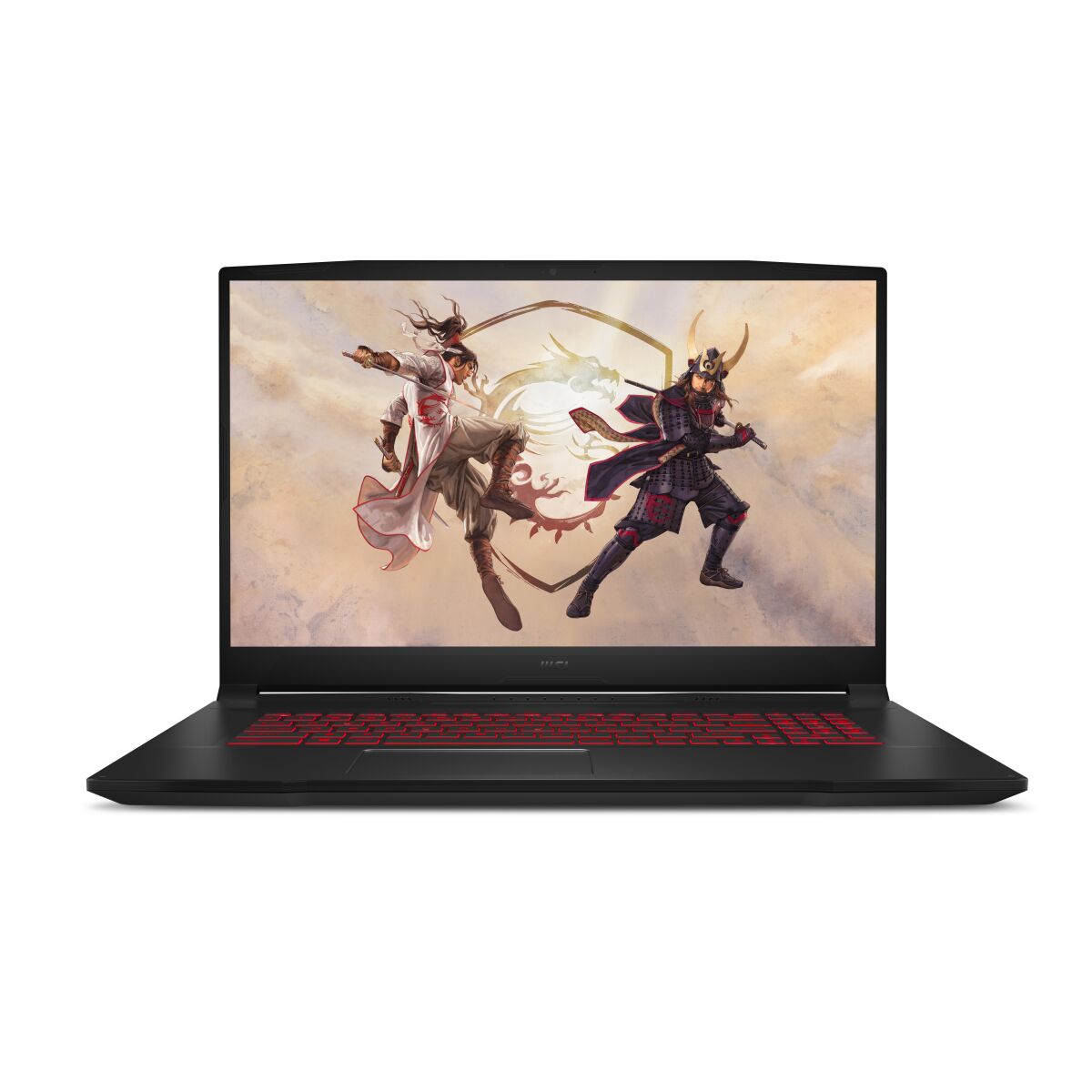
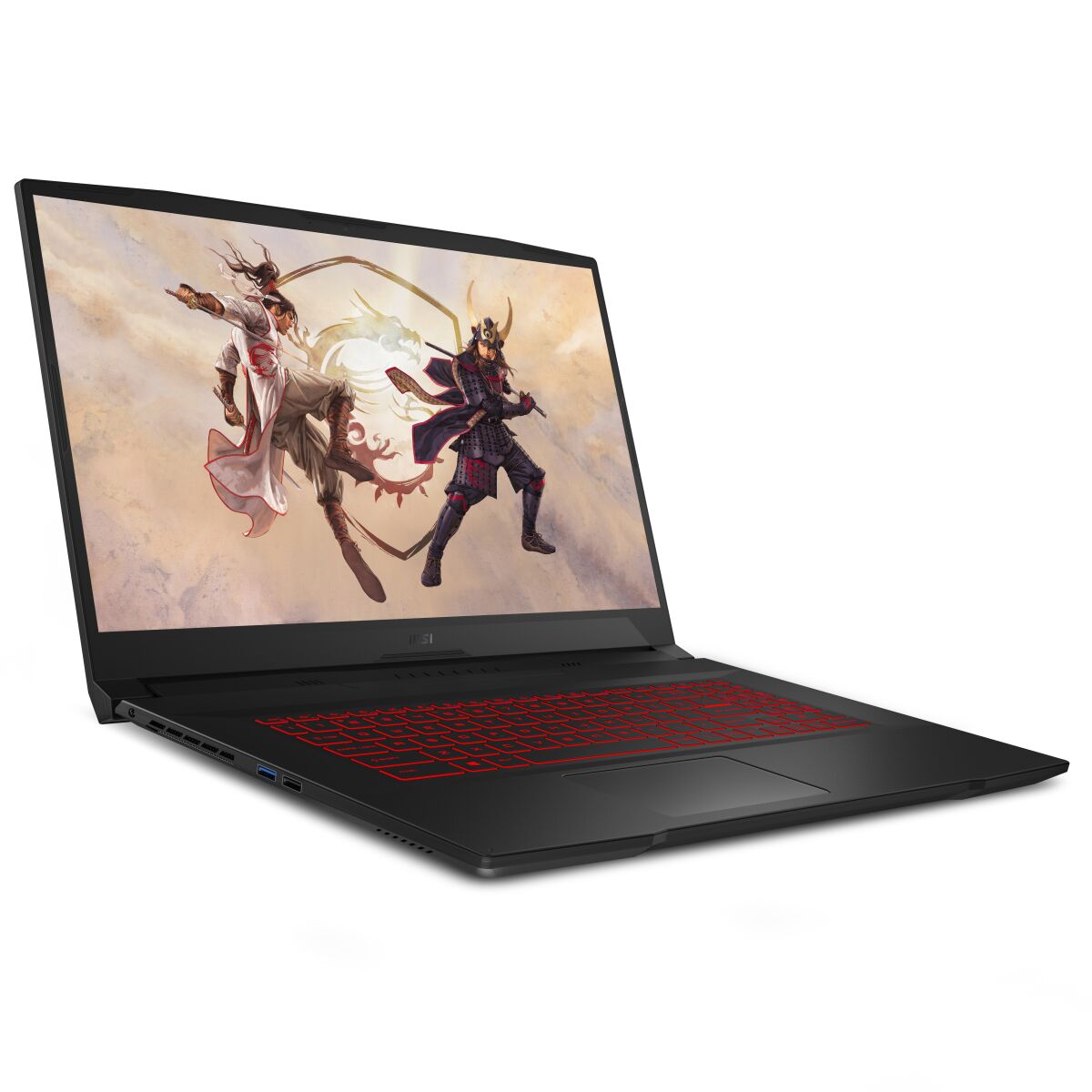
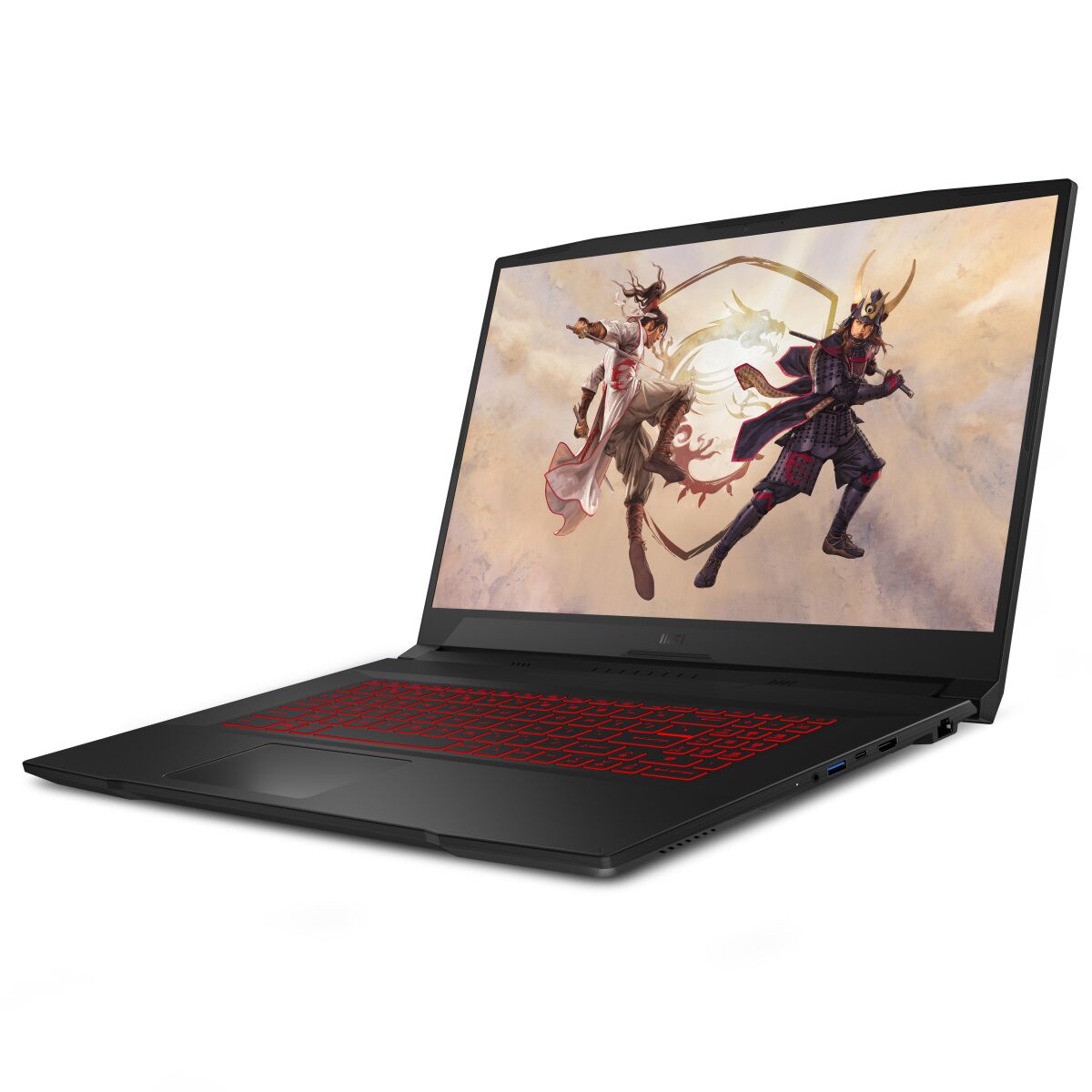
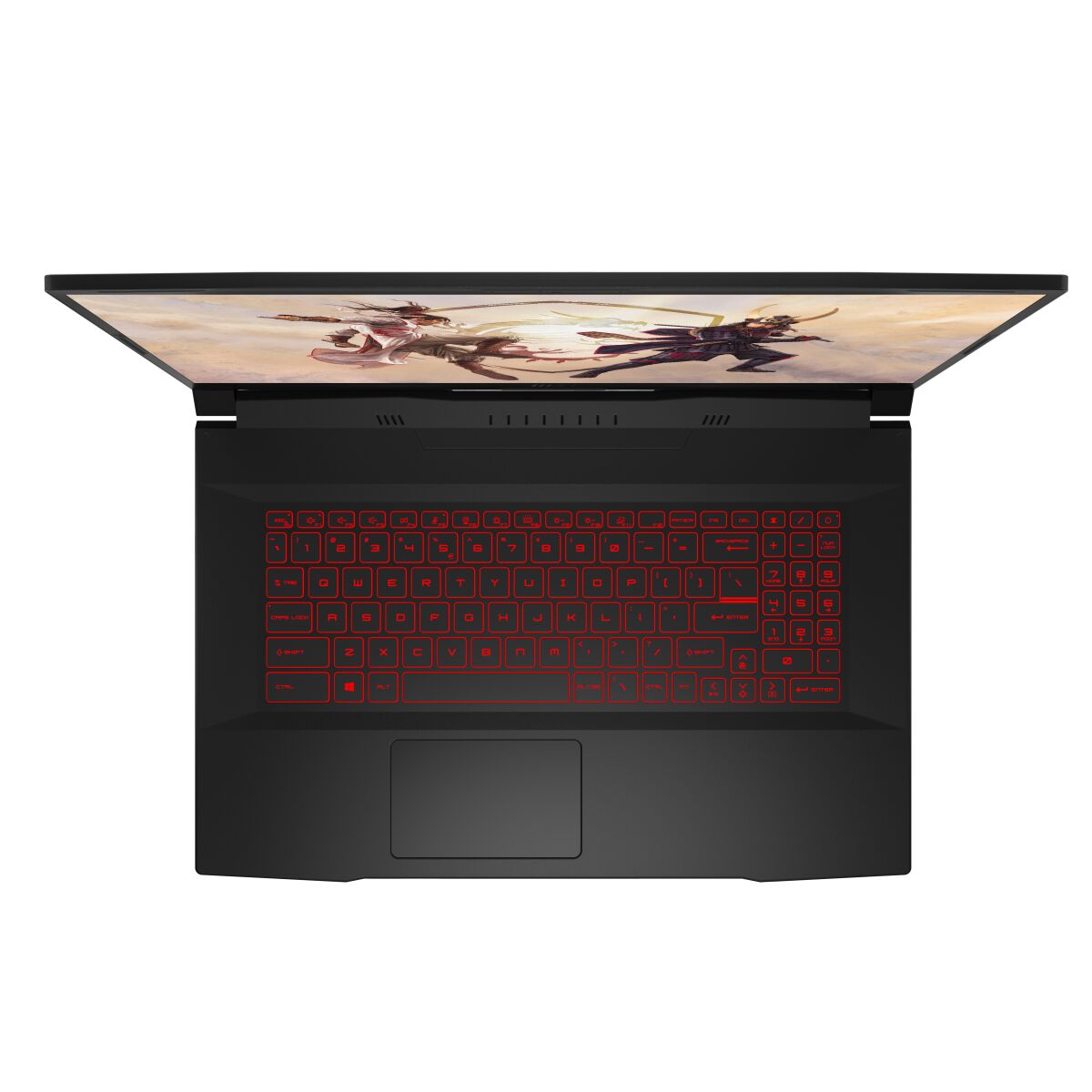
MSI GF76 11SC-416XFR Katana gaming laptop features DDR4-SDRAM memory configuration with 2x SO-DIMM slots supporting maximum RAM capacity of 64 GB. Memory specifications include 3200 MHz frequency operating at SO-DIMM form factor. Upgrade compatibility requires DDR4 modules matching specifications. Current memory configuration upgradeable to maximum capacity through available slots. Gaming series GF supports DDR4 memory expansion for enhanced performance.
Memory Upgrade Specifications
| Specification | Value |
|---|---|
| Memory slots | 2x SO-DIMM |
| Form factor | SO-DIMM |
| Memory type | DDR4-SDRAM |
| Frequency | 3200 MHz |
| Maximum RAM | 64 GB |
| Voltage | 1.2V |
| Number of pins | 260-pin |
| Interface | PC4 |
| PC Speed Rating | PC4-3200 (PC4-25600) |
| Bandwidth | 25.6 GB/s |
| Laptop Release date | 16 December 2021 |
Additional Notes
- The MSI GF76 11SC-416XFR Katana uses laptop-class SO-DIMM memory rather than desktop UDIMM modules, restricting sourcing to mobile-specific stock and eliminating desktop DDR4 inventory as viable alternatives.
- Dual-slot architecture caps expansion at 64 GB total capacity, creating a hard ceiling for workloads requiring 128 GB or higher memory configurations.
- 3200 MHz specification indicates 11th-generation Intel platform constraints; DDR4-3600 or DDR4-4000 modules may be mechanically compatible but will throttle to 3200 MHz specification, eliminating performance justification for premium-tier memory purchasing.
- SO-DIMM physical dimensions (67.6 x 30 mm) demand precise clearance around adjacent components; aftermarket thermal solutions or upgraded storage devices may physically obstruct DIMM seating positions during installation.
- Single-rank or dual-rank module selection impacts interleave patterns and latency behavior; mixing module densities (e.g., 16 GB and 32 GB) reduces symmetrical dual-channel efficiency compared to matched-capacity pairs.
- DDR4-SDRAM voltage specification (typically 1.2V) varies minimally across manufacturers, but modules rated for reduced voltage (1.1V) offer negligible thermal benefit in laptop environments constrained by shared cooling solutions.
- Warranty coverage depends on component sourcing; original equipment manufacturer modules retain full protection, while third-party modules may void coverage if thermal or power delivery issues arise during failure investigation.