MSI Gaming GF76 11UC-655NL Katana RAM upgrade specifications


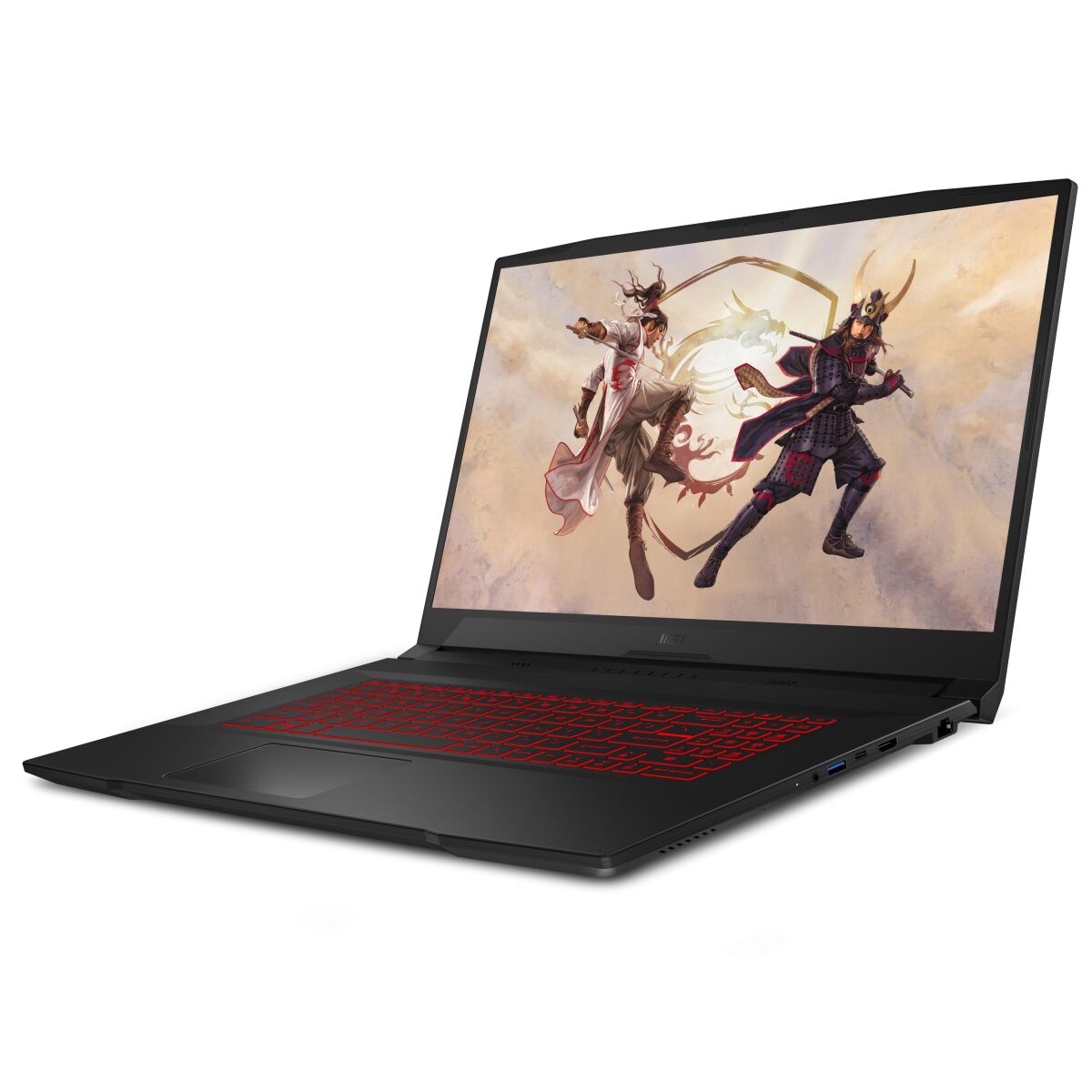
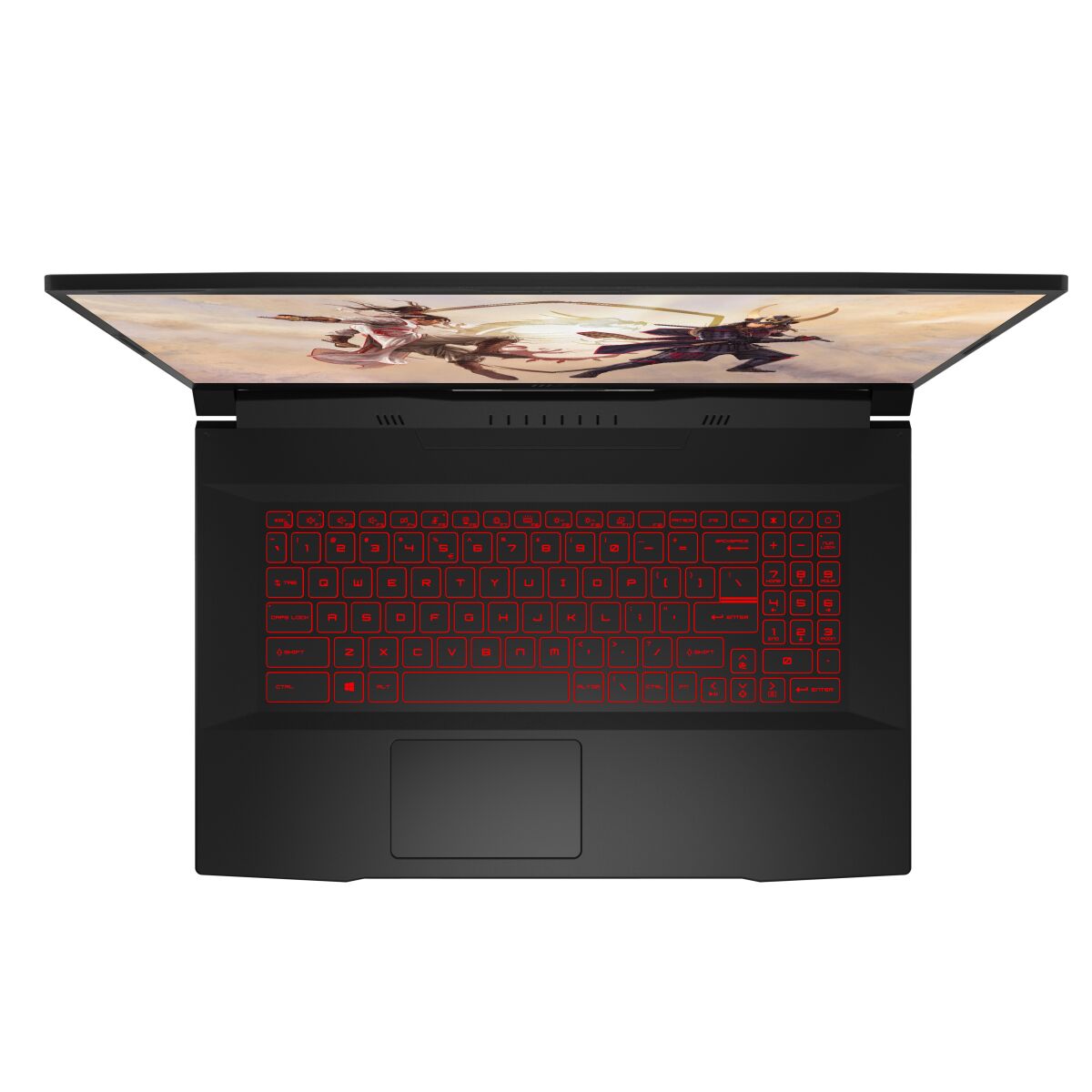
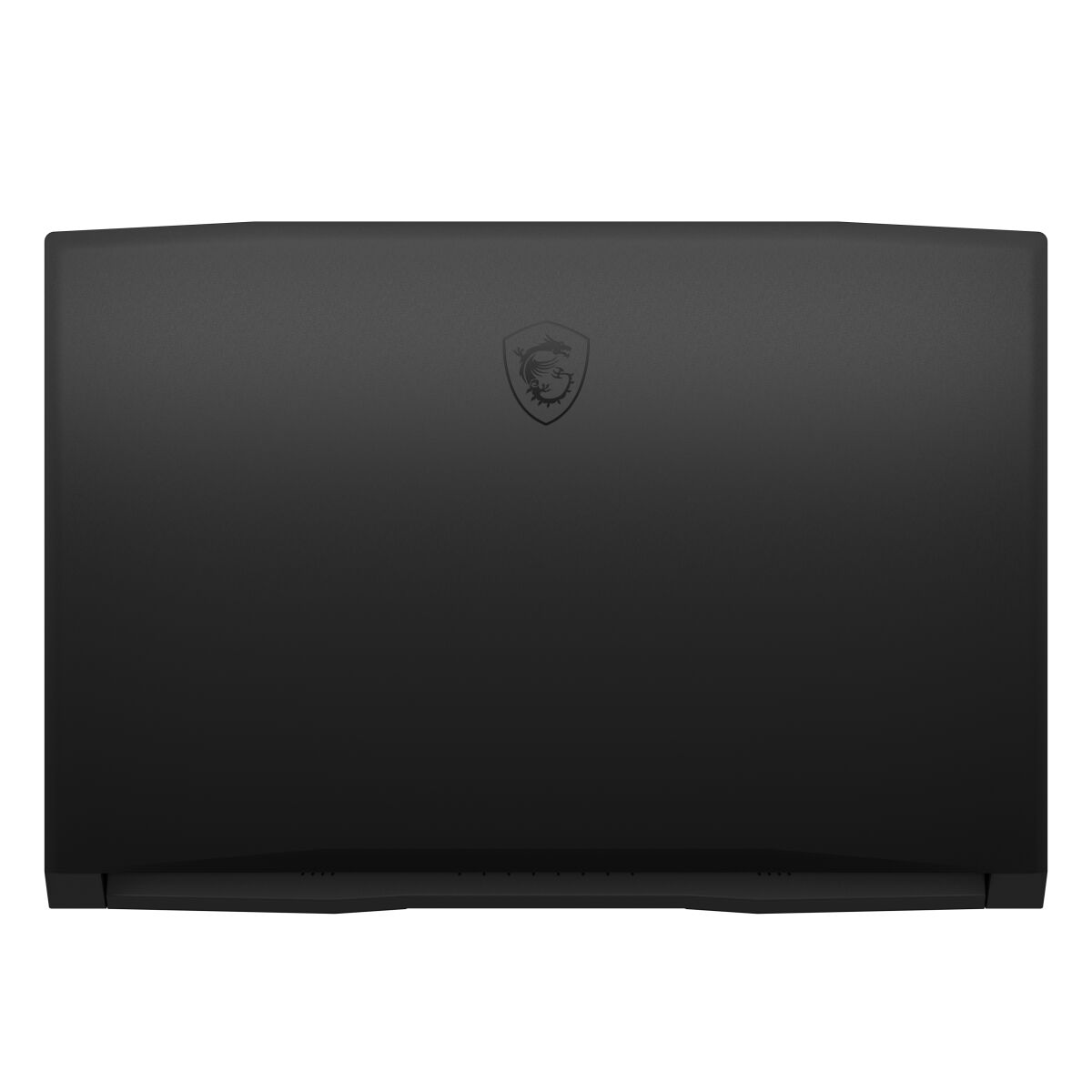
The MSI GF76 11UC-655NL Katana gaming laptop features two SO-DIMM slots for DDR4-SDRAM memory upgrades. The system supports DDR4-3200 MHz specifications with a maximum RAM capacity of 64 GB. Each slot accommodates compatible SO-DIMM modules, enabling memory configurations up to the specified maximum capacity. Upgrade options allow for dual-module installation in both available slots, with specifications adhering to DDR4 standards for the GF series platform.
Memory Upgrade Specifications
| Specification | Value |
|---|---|
| Memory slots | 2x SO-DIMM |
| Form factor | SO-DIMM |
| Memory type | DDR4-SDRAM |
| Frequency | 3200 MHz |
| Maximum RAM | 64 GB |
| Voltage | 1.2V |
| Number of pins | 260-pin |
| Interface | PC4 |
| PC Speed Rating | PC4-3200 (PC4-25600) |
| Bandwidth | 25.6 GB/s |
| Laptop Release date | 26 January 2022 |
Additional Notes
- The MSI GF76 11UC-655NL Katana contains 2 SO-DIMM slots operating in dual-channel configuration, which means both slots must be populated to achieve rated bandwidth performance for gaming workloads.
- DDR4-3200 memory operates at a fixed frequency tier; aftermarket modules rated above 3200 MHz will downclock to 3200 MHz due to BIOS constraints on 11th-generation Intel platforms, negating the cost premium of faster memory.
- The 64 GB maximum capacity ceiling (32 GB per slot) restricts future expansion paths; upgrading beyond this threshold requires complete module replacement rather than additive expansion.
- SO-DIMM form factor requires low-profile modules to ensure clearance with the internal heatsink assembly; standard-height memory may cause physical interference during installation.
- Upgrading from factory configuration to maximum capacity requires purchasing 2 matching 32 GB modules simultaneously, as single-stick installation prevents dual-channel operation and halves effective memory bandwidth.
- The dual-channel architecture means mismatched module capacities (for example, pairing 16 GB with 32 GB) reduce both modules to operate at single-channel speeds on the smaller module's capacity, resulting in performance degradation beyond the mismatch point.
- Warranty coverage typically remains intact for DDR4-3200 SO-DIMM upgrades from recognized manufacturers, but mixing OEM modules with third-party replacements may void protection; retaining original modules before upgrade is recommended for warranty claims.