MSI Gaming GF76 11UD-001 Katana RAM upgrade specifications

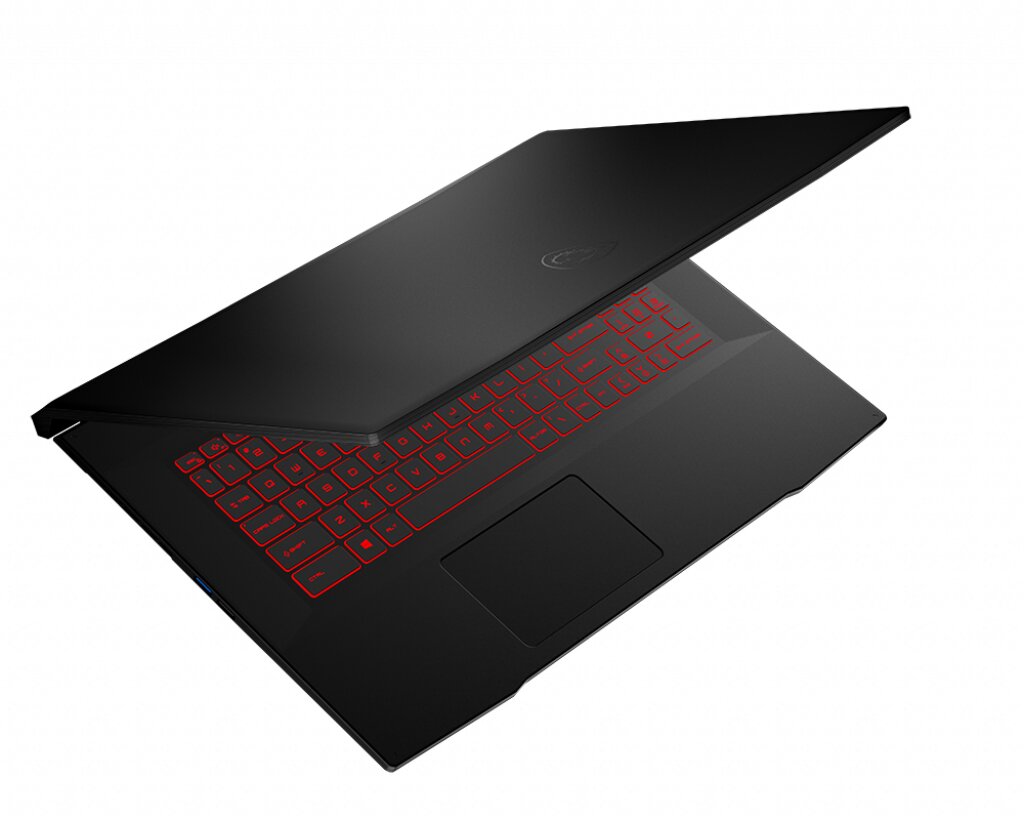

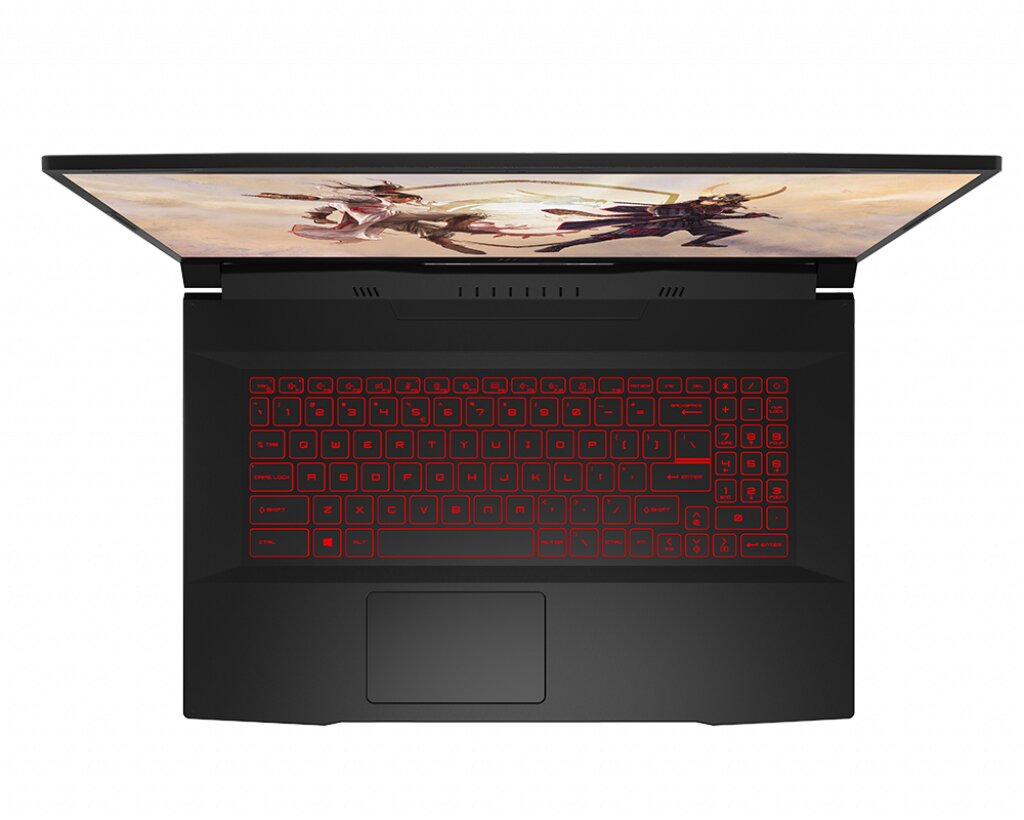
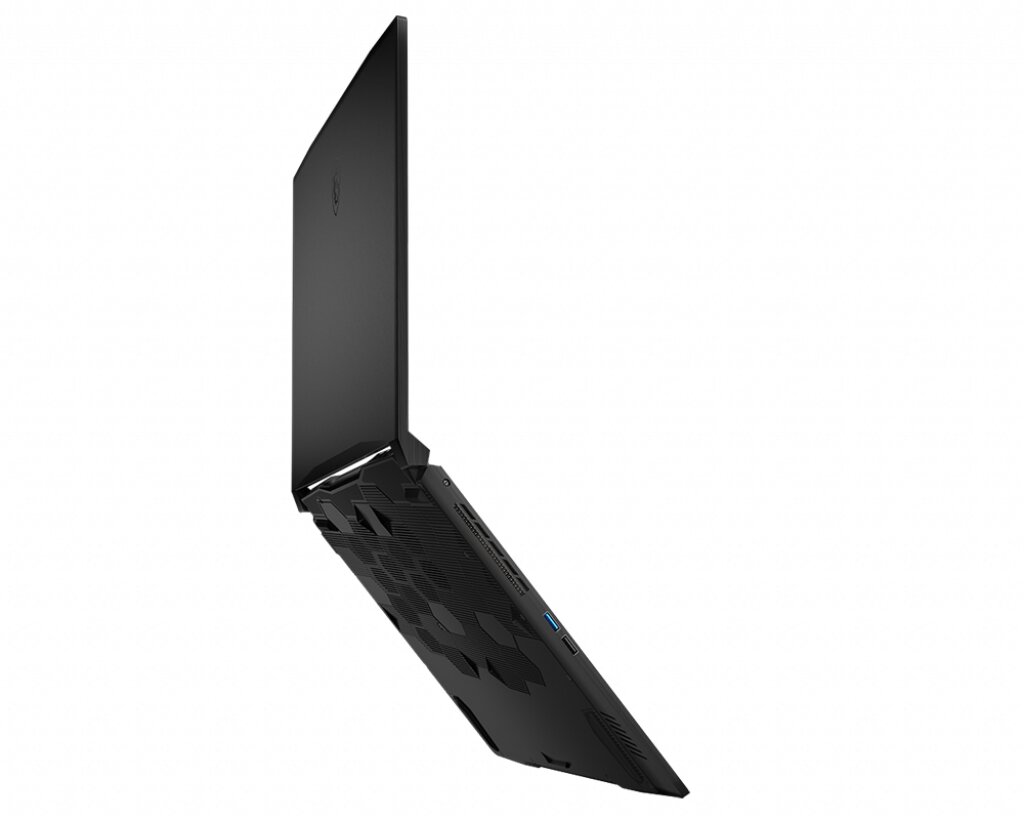
MSI GF76 11UD-001 Katana gaming laptop supports DDR4-SDRAM memory upgrades with two SO-DIMM slots. Maximum memory capacity reaches 64 GB when both slots are populated. Compatible RAM operates at 3200 MHz frequency. Upgrade specifications enable users to install memory modules in the available SO-DIMM slots to increase total system RAM capacity. The GF76 Katana series supports modular memory expansion for enhanced multitasking and performance requirements.
Memory Upgrade Specifications
| Specification | Value |
|---|---|
| Memory slots | 2x SO-DIMM |
| Form factor | SO-DIMM |
| Memory type | DDR4-SDRAM |
| Frequency | 3200 MHz |
| Maximum RAM | 64 GB |
| Voltage | 1.2V |
| Number of pins | 260-pin |
| Interface | PC4 |
| PC Speed Rating | PC4-3200 (PC4-25600) |
| Bandwidth | 25.6 GB/s |
| Laptop Release date | 09 August 2021 |
Additional Notes
- The MSI GF76 11UD-001 Katana utilizes SO-DIMM modules rather than standard desktop DIMMs, requiring physically smaller memory modules that measure approximately 67.6mm in length compared to 133.35mm for desktop RAM.
- The 64 GB maximum capacity indicates chipset-level addressing limitations, meaning any configuration exceeding this threshold will either fail to boot or cause the system to recognize only a portion of the installed memory.
- DDR4-3200 represents the JEDEC-standard operating frequency, but actual performance depends on whether the 11th generation Intel processor's memory controller supports this speed bin or defaults to a lower JEDEC standard like 2933 MHz or 2666 MHz.
- Dual-channel architecture requires matched pairs in both slots to achieve full bandwidth utilization, as mismatched module capacities will force the system into asymmetric or single-channel mode, reducing memory throughput by approximately 50 percent.
- The 2 SO-DIMM slot configuration eliminates incremental upgrade paths beyond the initial installation, as both slots must be populated or replaced entirely to change total capacity.
- DDR4 voltage tolerance typically ranges from 1.2V to 1.35V, but exceeding manufacturer specifications may void warranty coverage despite being technically compatible with certain XMP or overclocked profiles.
- Module height clearance typically does not constrain SO-DIMM installations in laptops, but heat spreader designs exceeding standard profiles may interfere with bottom panel closure or internal shielding components.
- The absence of ECC support in consumer DDR4-SDRAM means memory errors will not be automatically detected or corrected, potentially causing data corruption or system instability under sustained high-utilization workloads.
- Mixing memory modules from different manufacturers or production batches increases the risk of timing incompatibilities, even when rated speeds match, due to variations in SPD programming and chip binning tolerances.
- Access to memory slots requires complete disassembly of the bottom chassis panel, and potentially disconnection of the battery connector, to prevent electrical damage during module installation.