MSI Gaming GF76 11UG-421CA Katana RAM upgrade specifications

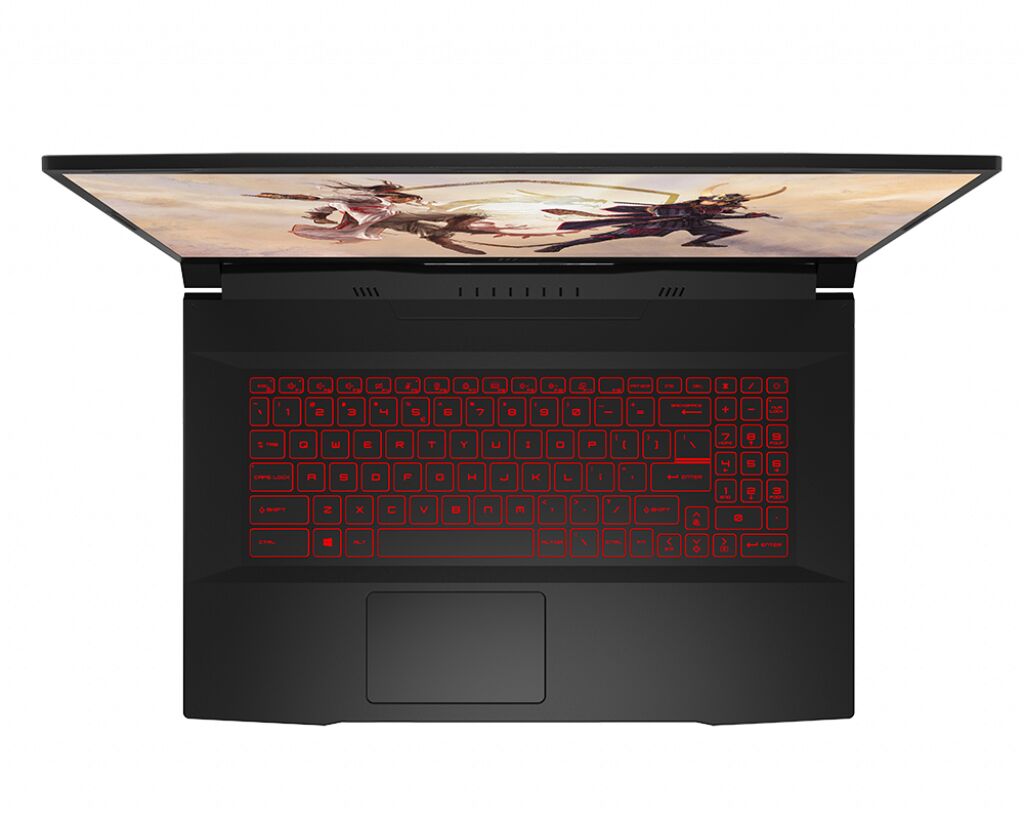
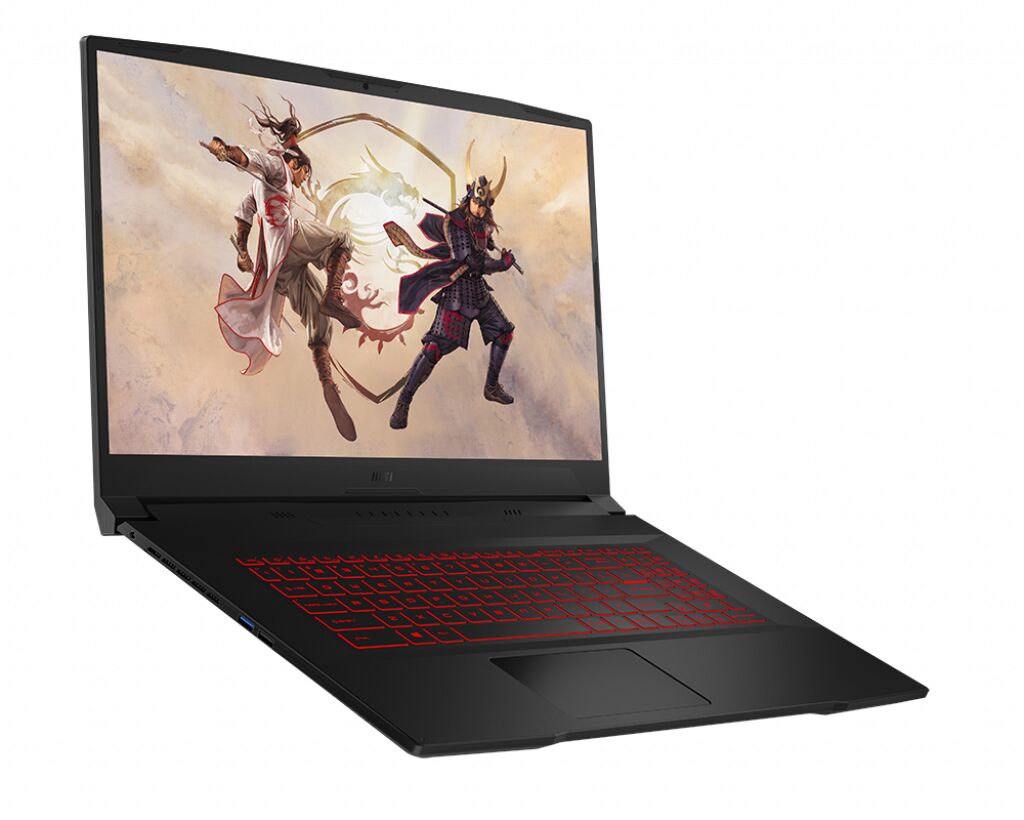
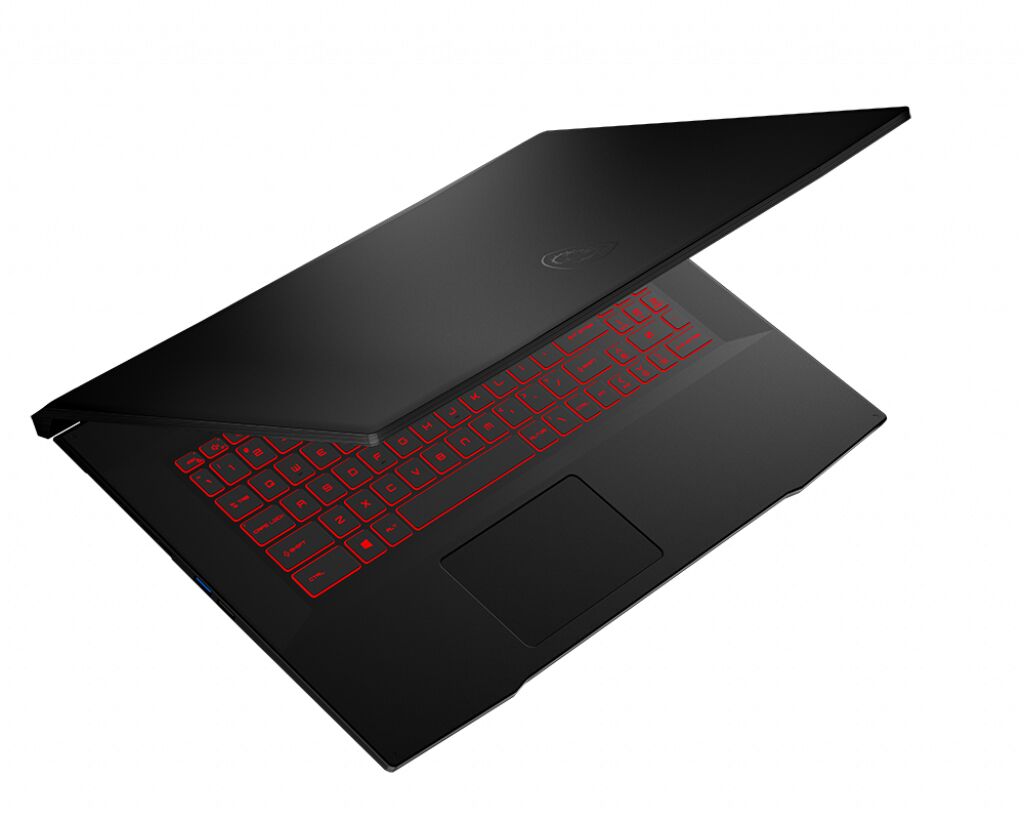
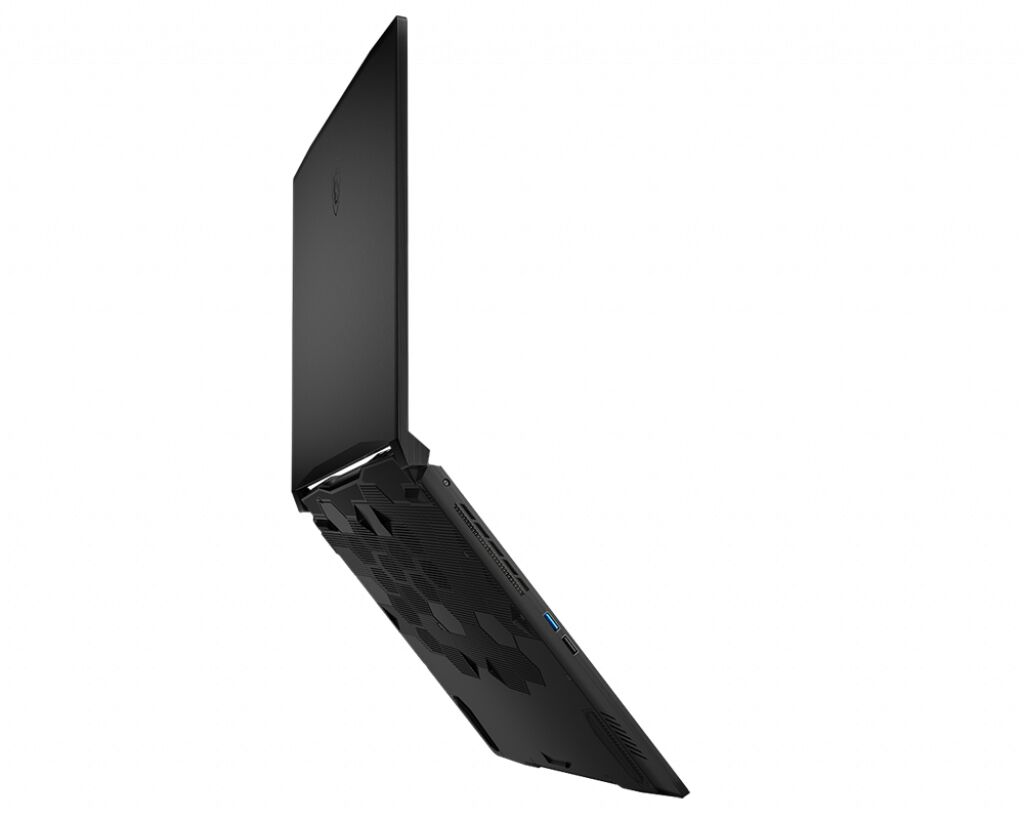
The MSI GF76 11UG-421CA Katana gaming laptop supports DDR4-SDRAM memory upgrades through two SO-DIMM slots. Maximum RAM capacity reaches 64 GB, with compatible modules operating at 3200 MHz frequency. Memory upgrade specifications for the GF series model enable expansion from factory configuration to achieve maximum supported capacity via compatible DDR4 SO-DIMM modules installed in available slots.
Memory Upgrade Specifications
| Specification | Value |
|---|---|
| Memory slots | 2x SO-DIMM |
| Form factor | SO-DIMM |
| Memory type | DDR4-SDRAM |
| Frequency | 3200 MHz |
| Maximum RAM | 64 GB |
| Voltage | 1.2V |
| Number of pins | 260-pin |
| Interface | PC4 |
| PC Speed Rating | PC4-3200 (PC4-25600) |
| Bandwidth | 25.6 GB/s |
| Laptop Release date | 03 May 2022 |
Additional Notes
- The MSI GF76 11UG-421CA Katana utilizes standard SO-DIMM modules rather than soldered memory, allowing field-replaceable upgrades without specialized tools or board-level repair skills.
- DDR4-3200 represents the baseline JEDEC specification for this generation, meaning modules rated at higher frequencies will typically downclock to 3200 MHz unless XMP profiles are supported and enabled in BIOS.
- The 64 GB maximum capacity requires dual 32 GB modules operating in tandem, as single-module configurations will halve available memory bandwidth by disabling dual-channel operation.
- Mixing modules with different densities, ranks, or voltage specifications may force the memory controller to operate at the lowest common denominator settings, potentially reducing effective frequency below the rated 3200 MHz.
- The SO-DIMM form factor imposes physical length restrictions of 67.6 mm, making standard desktop DIMM modules mechanically incompatible regardless of electrical specifications.
- Access to both memory slots typically requires complete bottom panel removal, as gaming chassis designs rarely provide dedicated service doors for individual SODIMM sockets.
- Operating a single module in one slot will result in single-channel mode, effectively cutting memory bandwidth in half compared to a matched pair configuration, which may create performance constraints in bandwidth-sensitive applications.
- DDR4 voltage specification of 1.2V standard means modules requiring 1.35V or higher for rated speeds may cause stability issues or refuse to POST if the system firmware lacks support for non-standard voltage profiles.
- Reaching the 64 GB ceiling requires modules with 16 Gbit density chips, which only became widely available in consumer markets after 2020 and may carry price premiums over more common 8 Gbit configurations.
- Warranty preservation typically depends on using modules that meet or exceed JEDEC DDR4-3200 specifications, as non-standard overclocking profiles may void coverage if instability causes system damage.