MSI Gaming GF76 12UC-416XPL RAM upgrade specifications



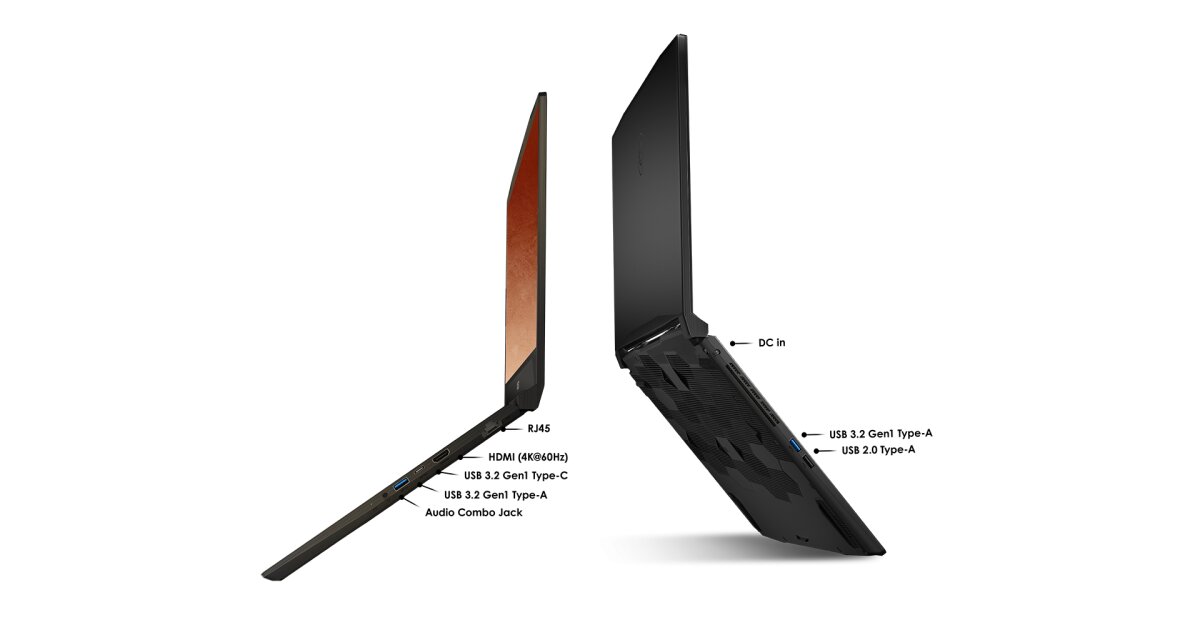
MSI GF76 12UC-416XPL Gaming series laptop supports DDR4-SDRAM memory upgrade through 2x SO-DIMM slots. Maximum RAM capacity reaches 64 GB with 3200 MHz frequency specifications. Compatible memory modules utilize SO-DIMM form factor for laptop upgrade compatibility. MSI GF76 12UC-416XPL specifications enable dual-slot memory configuration supporting enhanced multitasking performance through expanded RAM capacity upgrades.
Memory Upgrade Specifications
| Specification | Value |
|---|---|
| Memory slots | 2x SO-DIMM |
| Form factor | SO-DIMM |
| Memory type | DDR4-SDRAM |
| Frequency | 3200 MHz |
| Maximum RAM | 64 GB |
| Voltage | 1.2V |
| Number of pins | 260-pin |
| Interface | PC4 |
| PC Speed Rating | PC4-3200 (PC4-25600) |
| Bandwidth | 25.6 GB/s |
| Laptop Release date | 28 April 2023 |
Additional Notes
- The MSI GF76 12UC-416XPL supports dual-channel memory architecture, enabling simultaneous data transfer across both SO-DIMM slots for doubled theoretical bandwidth compared to single-channel configurations.
- DDR4-3200 operates at PC4-25600 standard, delivering 25.6 GB/s bandwidth per module, which doubles to 51.2 GB/s in dual-channel mode when both slots contain matching modules.
- The 64 GB maximum capacity requires installing 2 modules of 32 GB density, which necessitates compatible modules built with higher-density memory chips not universally available in all DDR4 SO-DIMM product lines.
- Mixing modules with different speeds results in automatic downclocking to the slowest module's frequency, potentially limiting performance if pairing 3200 MHz with lower-speed components.
- Non-matching modules in dual-channel mode trigger flex mode operation, where only the overlapping capacity between the 2 modules runs in dual-channel while excess capacity reverts to slower single-channel access.
- The SO-DIMM form factor measures 67.6 mm in length compared to standard 133.35 mm desktop DIMMs, preventing physical compatibility with desktop memory despite identical DDR4 technology.
- Installation requires accessing the bottom panel, which typically involves removing multiple screws and potentially breaking factory seals that may affect warranty coverage depending on regional consumer protection regulations.
- DDR4-3200 operates at 1.2V standard voltage, reducing power consumption and heat generation compared to older DDR3 technology that required 1.5V operation.
- The 3200 MHz specification represents effective transfer rate through double data rate technology, while the actual clock frequency runs at 1600 MHz with data transferred on both rising and falling clock edges.
- CAS latency timing varies among 3200 MHz modules, with common configurations ranging from CL16 to CL22, where lower CL values provide reduced absolute latency despite identical frequency specifications.
- Upgrading from factory-installed capacity requires either replacing existing modules entirely or adding to vacant slots, with replacement offering matched module benefits while slot-filling preserves existing investment.
- Higher density modules generate additional heat during sustained workloads, potentially requiring enhanced chassis airflow to maintain optimal operating temperatures below 85°C throttling thresholds.