MSI Gaming GF76 12UC-249AU Katana RAM upgrade specifications
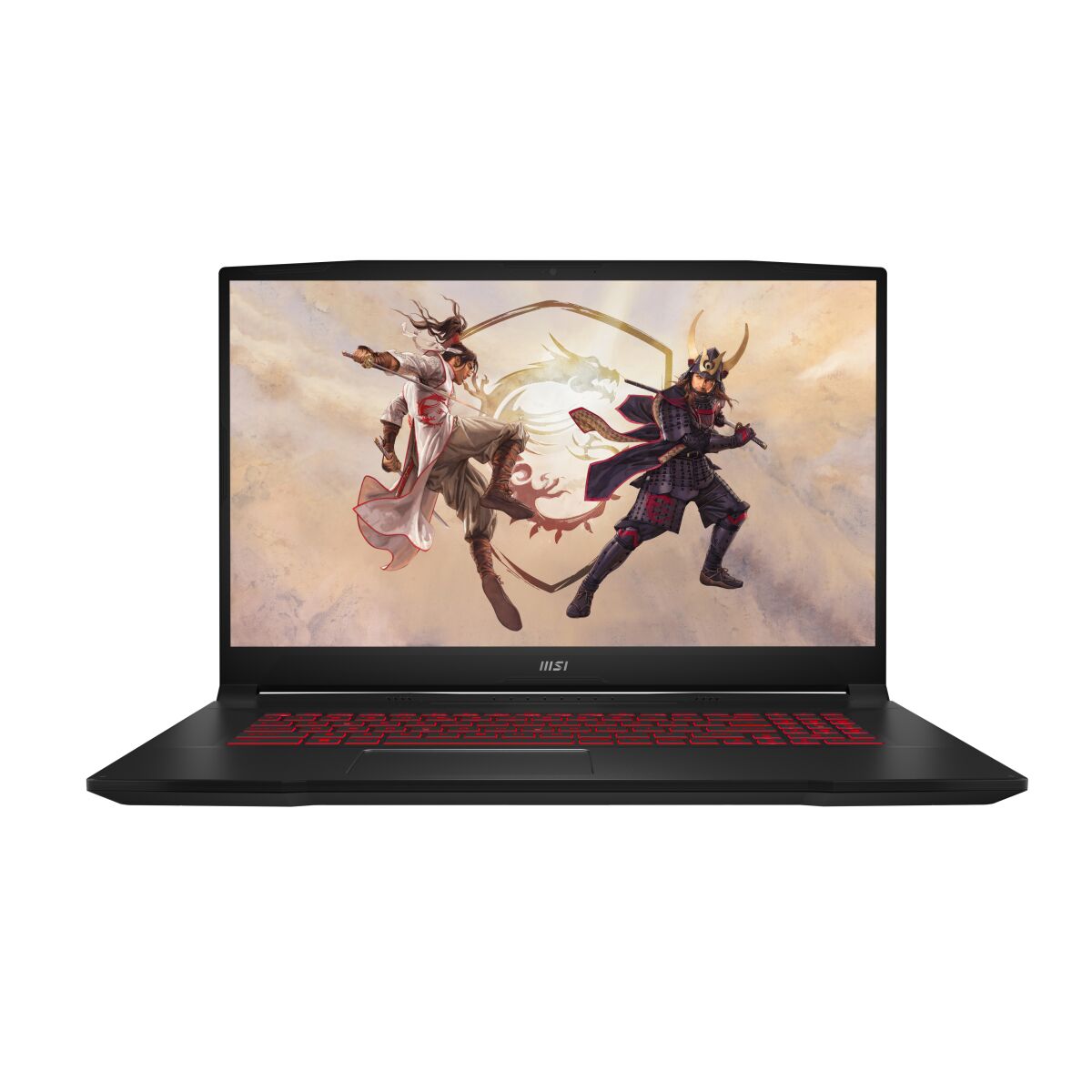


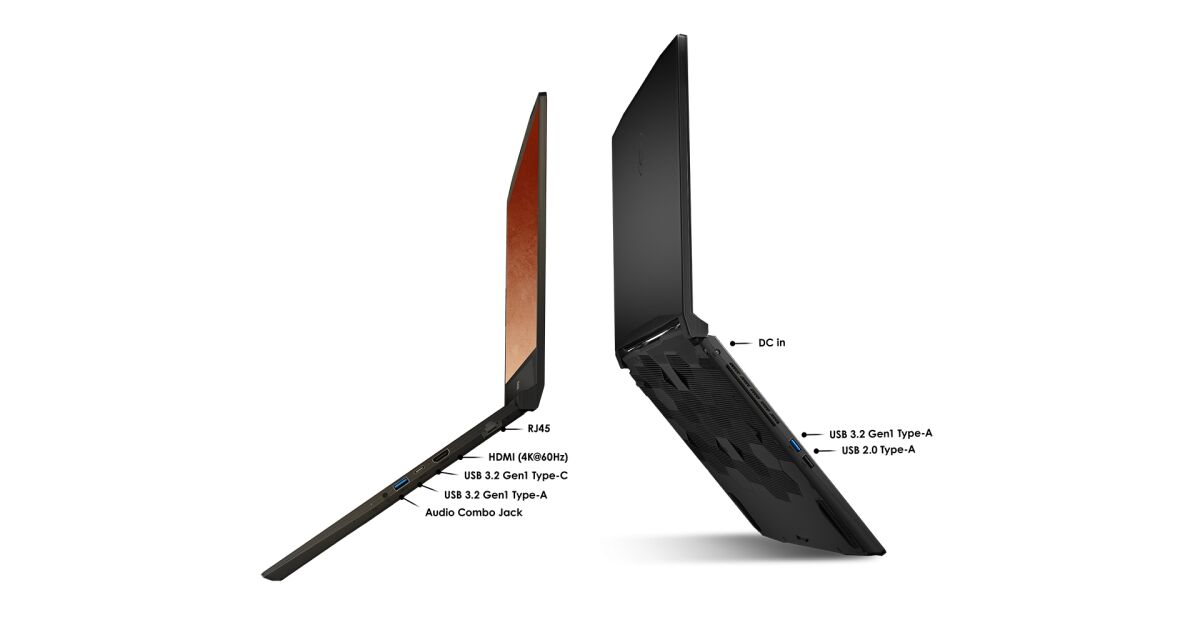
The MSI GF76 12UC-249AU Katana gaming laptop features DDR4-SDRAM memory upgrade capabilities. The device contains 2x SO-DIMM slots supporting maximum capacity of 64 GB total RAM. Compatible memory specifications include DDR4 modules operating at 3200 MHz frequency. The SO-DIMM form factor enables modular memory upgrades for the MSI Gaming GF series laptop. Specifications indicate support for expandable memory configurations to enhance system performance and multitasking capacity.
Memory Upgrade Specifications
| Specification | Value |
|---|---|
| Memory slots | 2x SO-DIMM |
| Form factor | SO-DIMM |
| Memory type | DDR4-SDRAM |
| Frequency | 3200 MHz |
| Maximum RAM | 64 GB |
| Voltage | 1.2V |
| Number of pins | 260-pin |
| Interface | PC4 |
| PC Speed Rating | PC4-3200 (PC4-25600) |
| Bandwidth | 25.6 GB/s |
| Laptop Release date | 22 July 2022 |
Additional Notes
- The MSI GF76 12UC-249AU Katana dual-channel architecture requires matched SO-DIMM pairs for optimal memory interleaving, as asymmetric configurations will force single-channel operation and reduce bandwidth by approximately 50%.
- DDR4-3200 operates at PC4-25600 specification, delivering 25.6 GB/s theoretical bandwidth per channel, though actual sustained throughput depends on the 12th generation Intel processor's memory controller implementation.
- The 64 GB ceiling translates to 32 GB modules per slot, which requires double-ranked memory density that generates higher thermal output compared to single-ranked configurations during sustained workloads.
- SO-DIMM installation requires bottom panel removal, and the compact gaming chassis design may necessitate thermal paste reapplication if CPU cooling assembly blocks direct memory access.
- Mixing 3200 MHz modules with lower-frequency DDR4 will downclock the entire memory subsystem to the slowest module's rated speed, negating the higher specification.
- JEDEC-standard DDR4 voltage of 1.2V ensures compatibility, while XMP-profiled modules may require BIOS intervention to achieve advertised speeds beyond JEDEC baseline timings.
- The 260-pin SO-DIMM connector specification physically prevents desktop DIMM installation, eliminating accidental incompatible purchases but limiting available module inventory compared to desktop counterparts.
- Warranty preservation typically permits user-accessible memory upgrades without seal breakage, though verification of regional MSI service policies prevents post-installation coverage disputes.
- Dual-slot population enables future incremental upgrades, allowing initial single-module deployment with subsequent capacity expansion without replacing existing hardware.
- Non-ECC unbuffered memory specification matches consumer-grade requirements, as server-oriented registered or ECC modules lack chipset support and will fail POST initialization.