MSI Gaming GF76 12UC-208 Katana RAM upgrade specifications
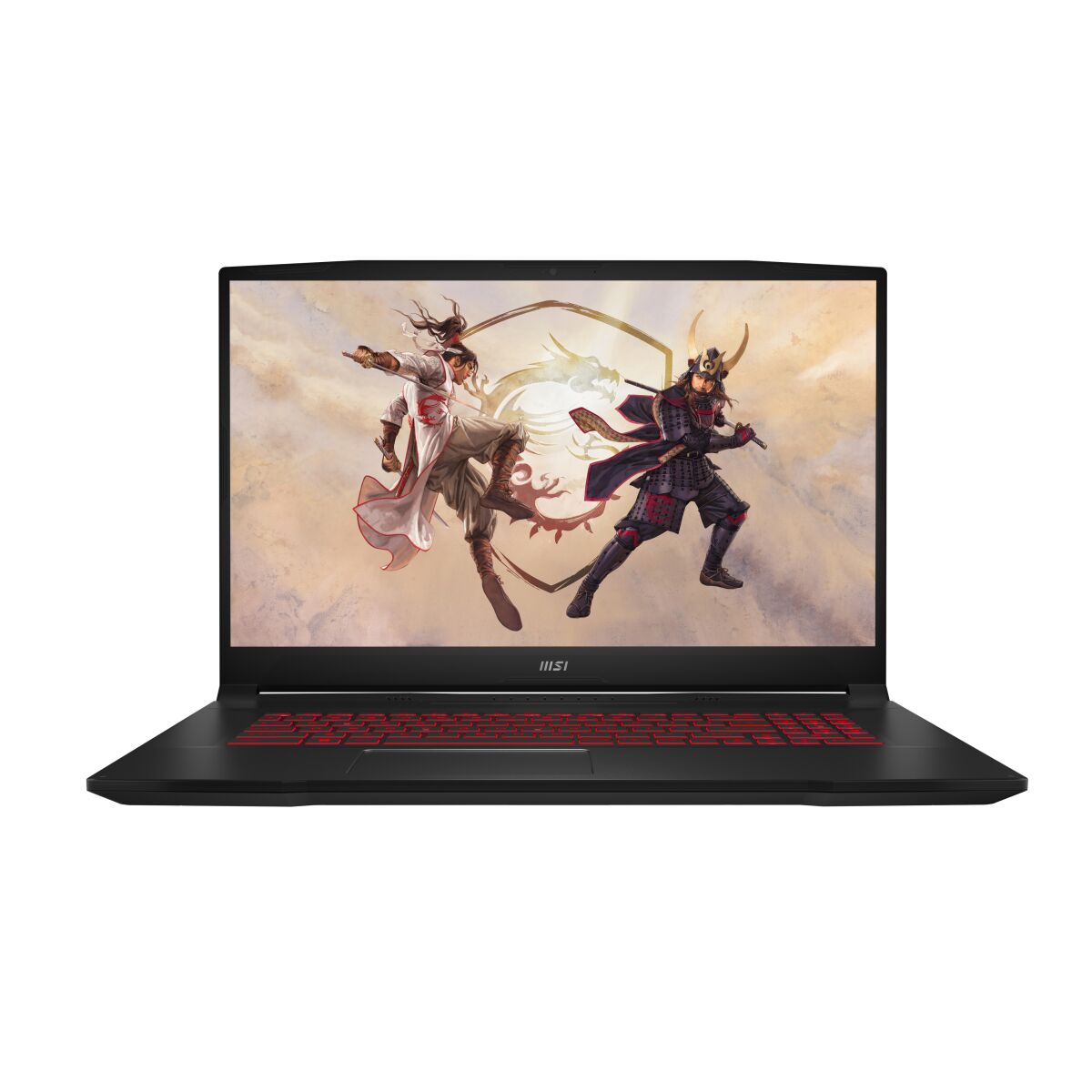
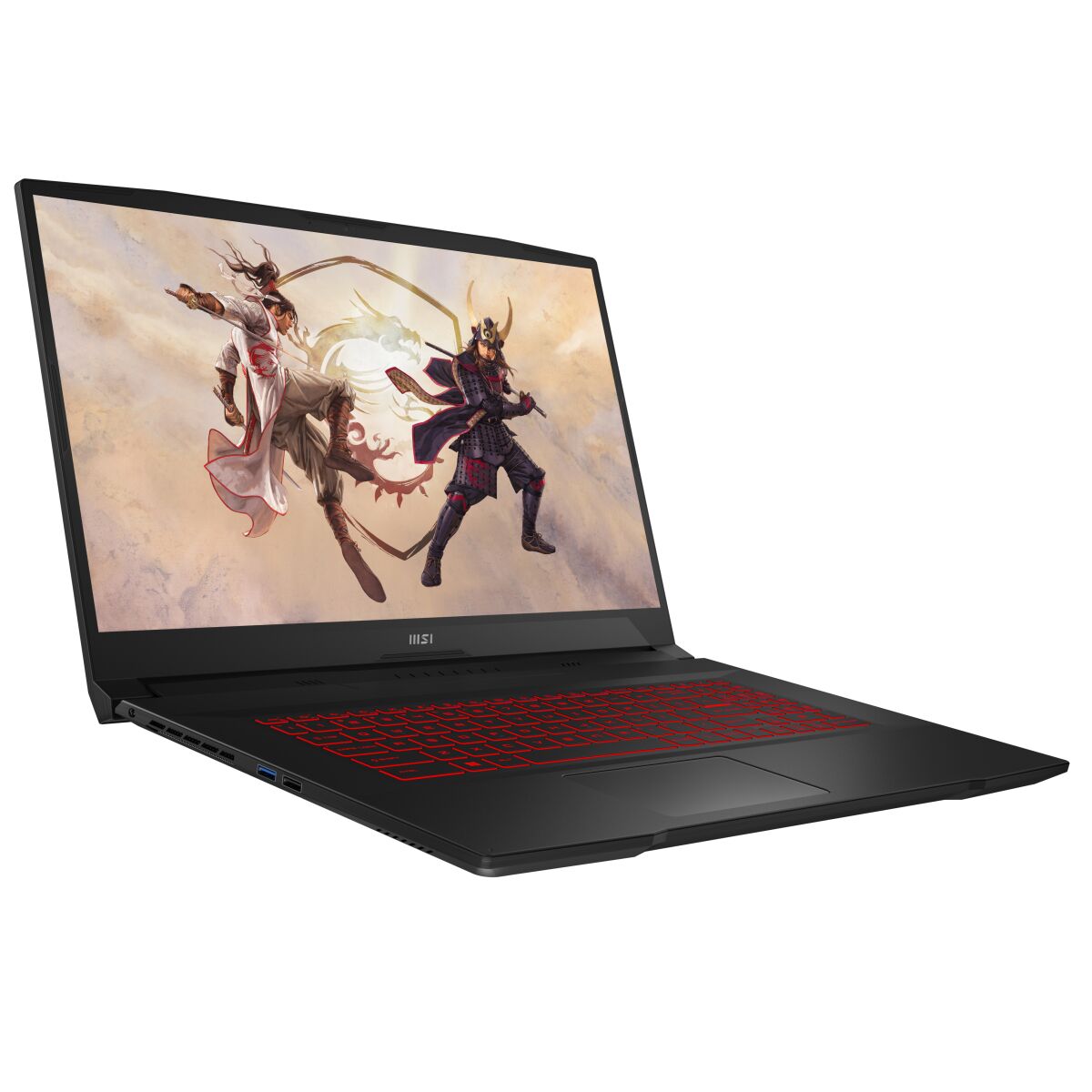
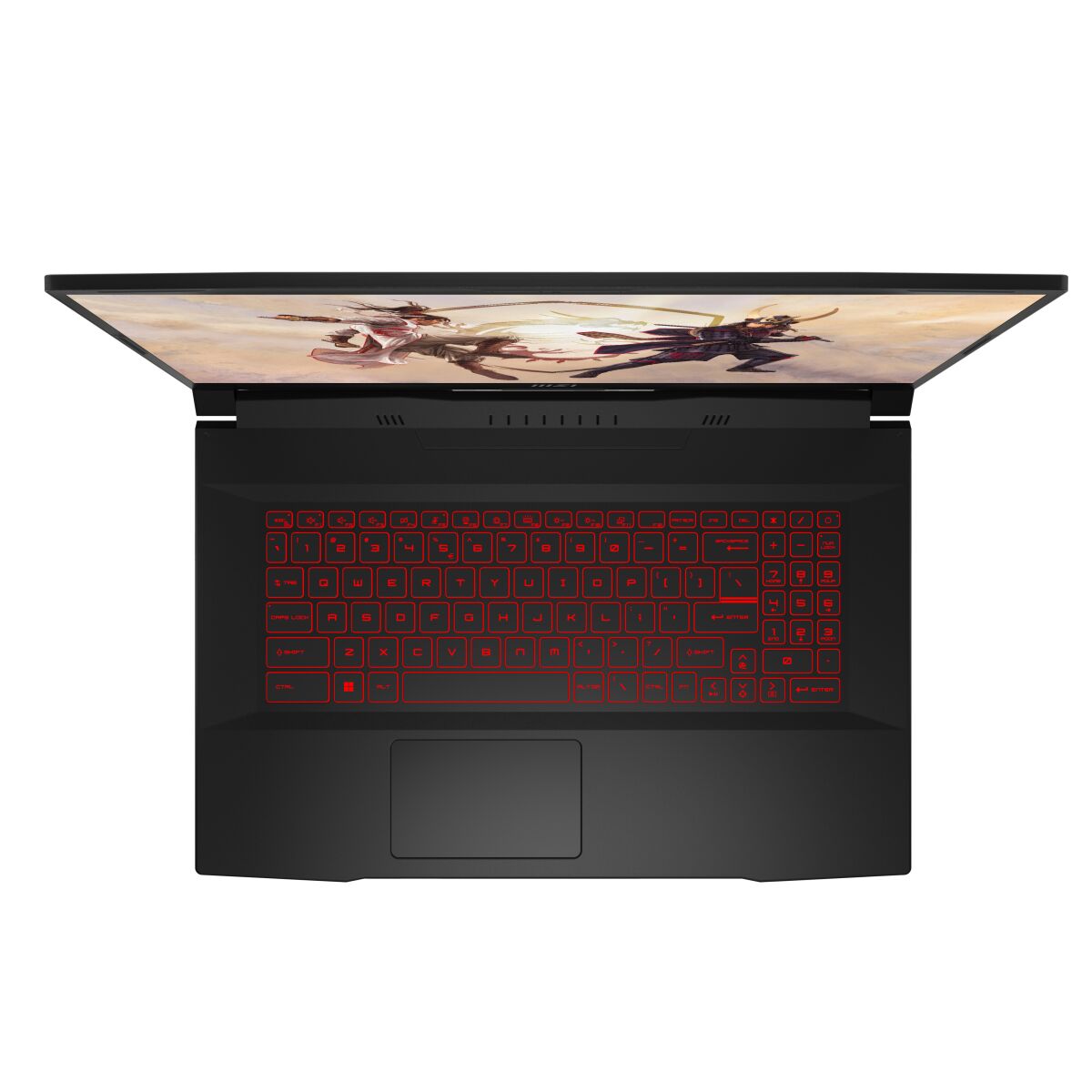
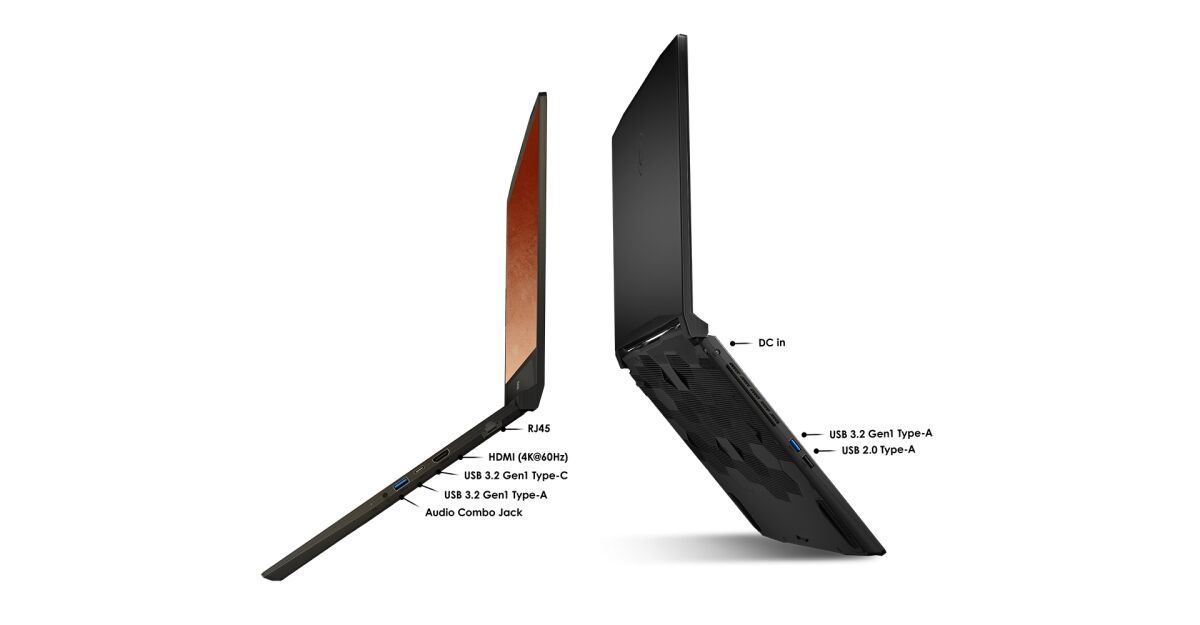
MSI GF76 12UC-208 Katana gaming laptop features two SO-DIMM memory slots supporting DDR4-SDRAM modules at 3200 MHz frequency. Maximum RAM capacity reaches 64 GB total. Compatible memory upgrade specifications include SO-DIMM form factor modules. Existing memory configuration allows expansion through available slots. DDR4 RAM upgrade options provide increased system memory for enhanced multitasking performance. Maximum specifications support up to 32 GB per slot for complete memory expansion on the GF76 Katana series.
Memory Upgrade Specifications
| Specification | Value |
|---|---|
| Memory slots | 2x SO-DIMM |
| Form factor | SO-DIMM |
| Memory type | DDR4-SDRAM |
| Frequency | 3200 MHz |
| Maximum RAM | 64 GB |
| Voltage | 1.2V |
| Number of pins | 260-pin |
| Interface | PC4 |
| PC Speed Rating | PC4-3200 (PC4-25600) |
| Bandwidth | 25.6 GB/s |
| Laptop Release date | 13 May 2022 |
Additional Notes
- The MSI GF76 12UC-208 Katana supports dual-channel memory architecture through its 2 SO-DIMM slots, which can improve memory bandwidth by up to 100% compared to single-channel configurations when matched modules are installed.
- DDR4-3200 represents the maximum officially supported speed, though actual performance depends on the Intel 12th generation processor's memory controller capabilities and thermal conditions during sustained workloads.
- The 64 GB maximum capacity requires 2 modules of 32 GB each, which limits density options and may reduce availability of compatible modules from certain manufacturers.
- SO-DIMM modules operate at 1.2V standard voltage for DDR4, ensuring compatibility with the laptop's power delivery system without requiring BIOS voltage adjustments.
- Memory upgrades require bottom panel removal to access the SO-DIMM slots, which typically does not void manufacturer warranty if performed without damaging security seals or internal components.
- Mixing different capacity modules across the 2 slots will disable dual-channel mode for the excess memory beyond the smallest module, creating asymmetric performance characteristics.
- Non-matching CAS latency timings between installed modules may force the memory controller to default to the slower timing specification, potentially reducing performance below rated specifications.
- The 3200 MHz frequency provides sufficient bandwidth for integrated graphics tasks, though discrete GPU performance in this system remains independent of memory speed within DDR4 specifications.
- Upgrading from factory-installed configurations requires matching the existing memory's rank organization (single-rank or dual-rank) to maintain optimal compatibility with the chipset's trace routing.
- SO-DIMM form factor compatibility excludes standard DIMM desktop modules, which are physically incompatible due to different pin counts and notch positions despite sharing DDR4 technology.