MSI Gaming GF76 12UC-088ES Katana RAM upgrade specifications
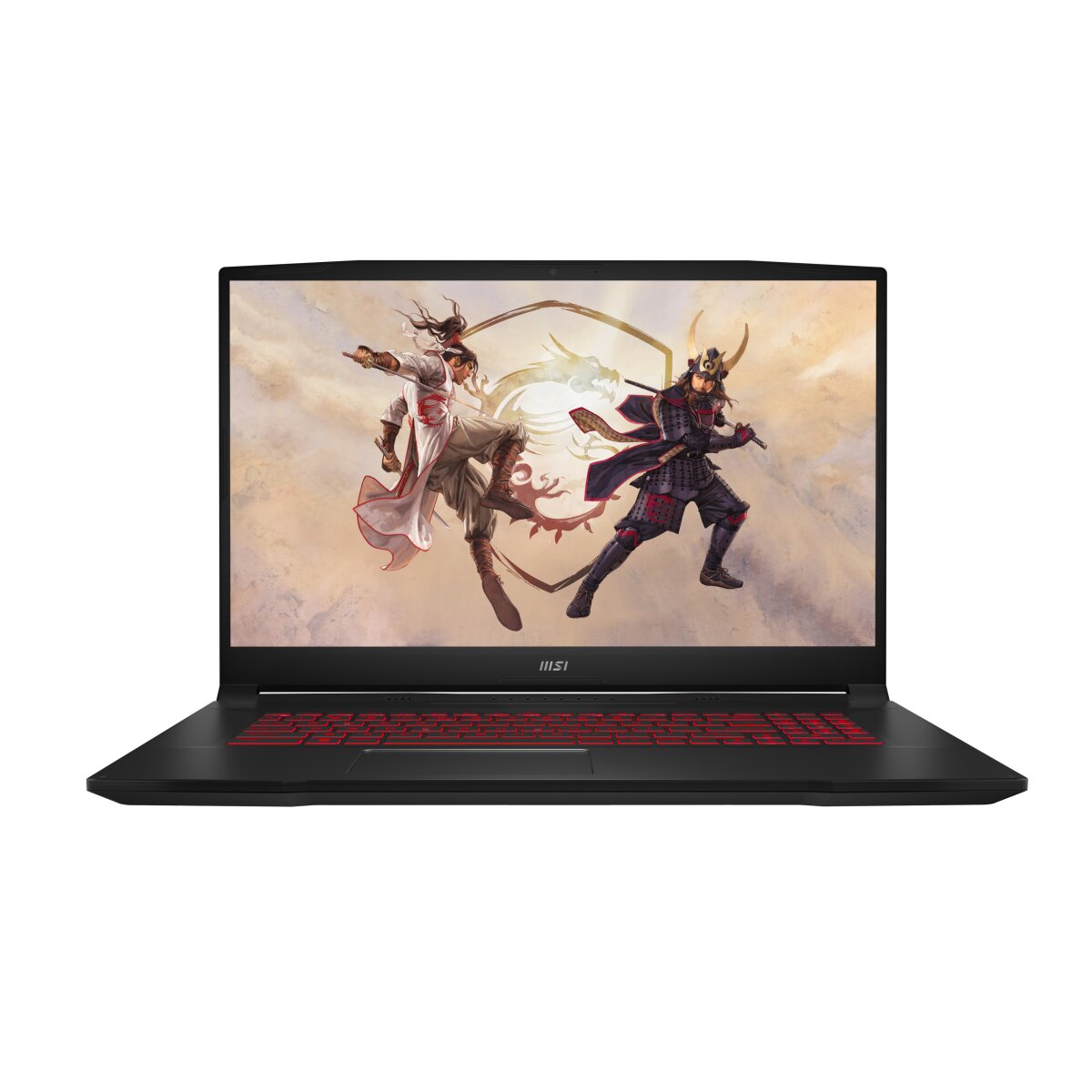
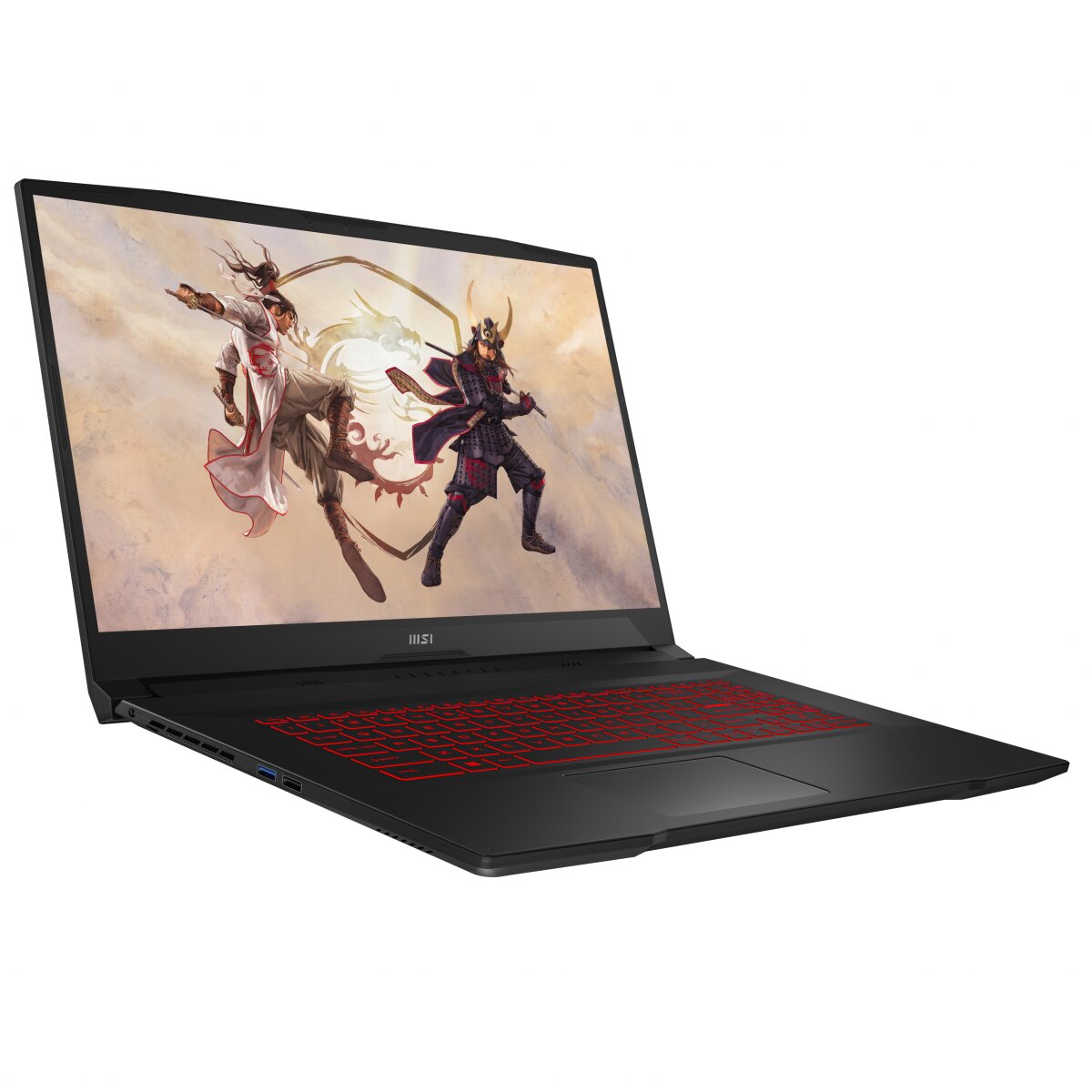
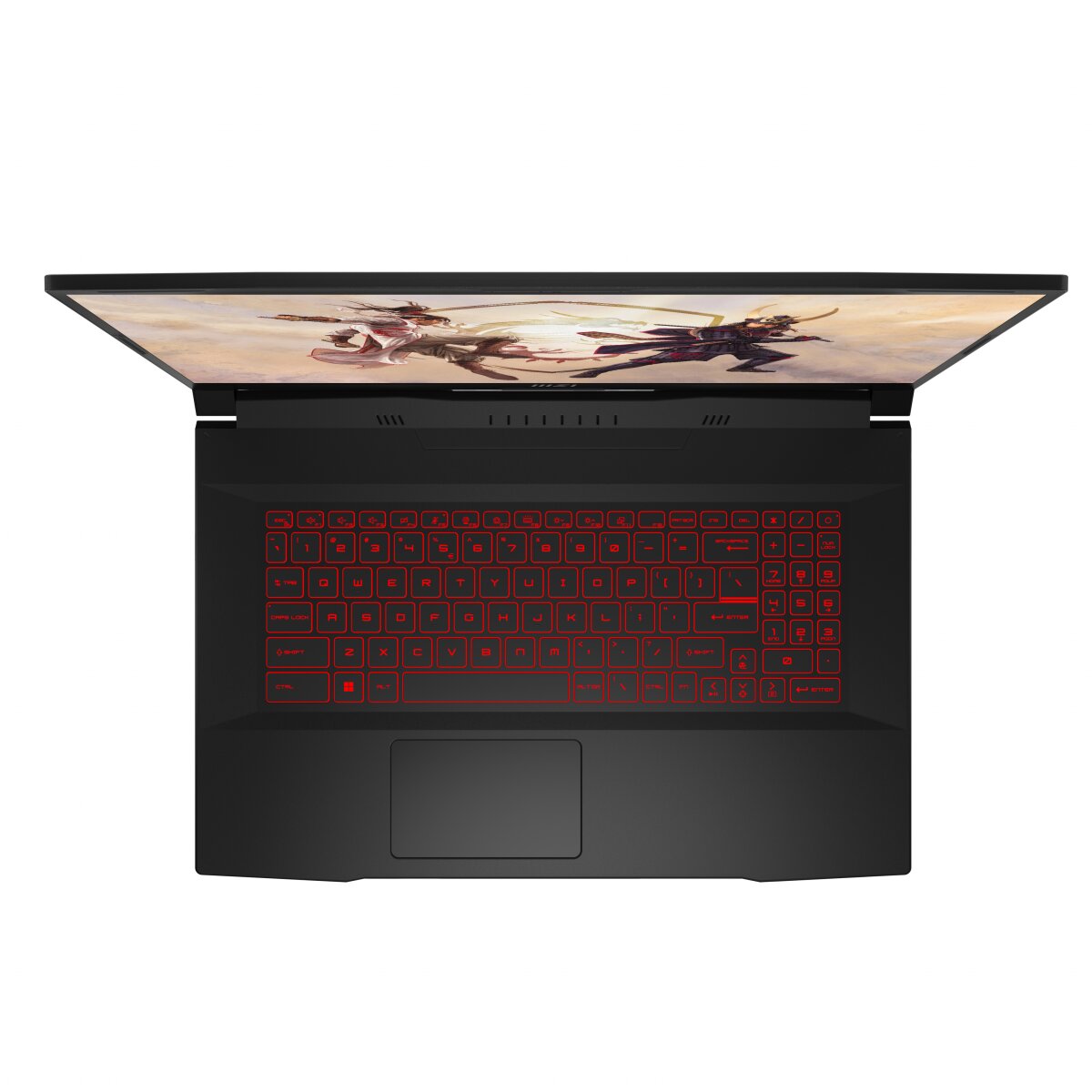
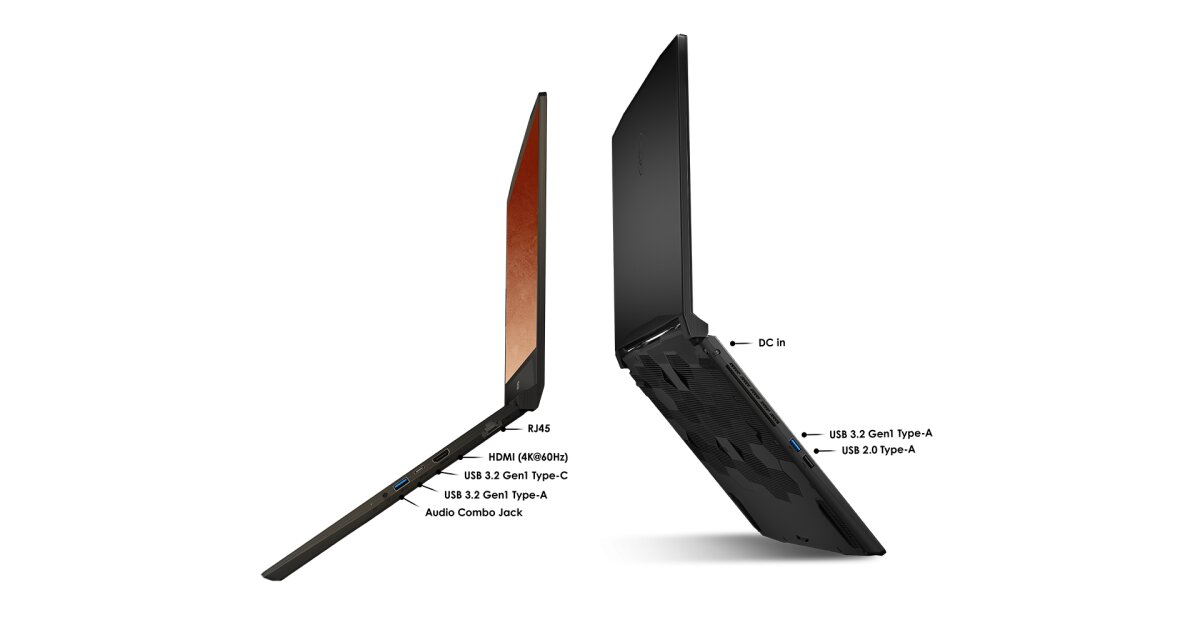
MSI GF76 12UC-088ES Katana gaming laptop memory upgrade specifications. Equipped with 2x SO-DIMM slots supporting DDR4-SDRAM memory modules at 3200 MHz frequency. Maximum compatible RAM capacity reaches 64 GB total. SO-DIMM form factor specifications ensure compatibility with standard laptop memory modules. Existing memory configuration supports dual-channel DDR4 architecture. Upgrade capacity allows installation of higher-density memory modules in available slots for enhanced system performance and multitasking capabilities.
Memory Upgrade Specifications
| Specification | Value |
|---|---|
| Memory slots | 2x SO-DIMM |
| Form factor | SO-DIMM |
| Memory type | DDR4-SDRAM |
| Frequency | 3200 MHz |
| Maximum RAM | 64 GB |
| Voltage | 1.2V |
| Number of pins | 260-pin |
| Interface | PC4 |
| PC Speed Rating | PC4-3200 (PC4-25600) |
| Bandwidth | 25.6 GB/s |
| Laptop Release date | 04 April 2022 |
Additional Notes
- The MSI GF76 12UC-088ES Katana supports DDR4 modules exclusively, making DDR5 memory incompatible regardless of adapter attempts.
- Both SO-DIMM slots must operate at identical speeds to maintain dual-channel bandwidth, meaning mixed frequency configurations will downclock to the slower module's rating.
- The 3200 MHz specification represents JEDEC standard support, though actual operating frequency depends on CPU memory controller capabilities and BIOS implementation.
- Achieving the 64 GB ceiling requires 2 modules of 32 GB each, as the dual-slot configuration mathematically limits other capacity combinations beyond this threshold.
- Installing mismatched capacity modules between slots will still enable dual-channel mode but only for the matched portion, reverting excess capacity to single-channel operation.
- The SO-DIMM form factor physically prevents standard desktop DIMM installation due to pin count differences and module length specifications.
- Gaming workloads at 1080p resolution typically saturate performance gains beyond 16 GB, though 32 GB provides headroom for content creation and virtual machine operations.
- Warranty preservation requires avoiding voltage modifications above DDR4 standard specifications, as XMP profiles may void coverage depending on regional service terms.
- Heat dissipation in compact laptop chassis makes passive SO-DIMM modules preferable to aftermarket versions with integrated heat spreaders that may cause clearance conflicts.
- Single-rank versus dual-rank module architecture affects memory interleaving efficiency, with dual-rank configurations offering marginal bandwidth improvements in memory-intensive applications.