MSI Gaming GF76 12UE-019AU Katana RAM upgrade specifications
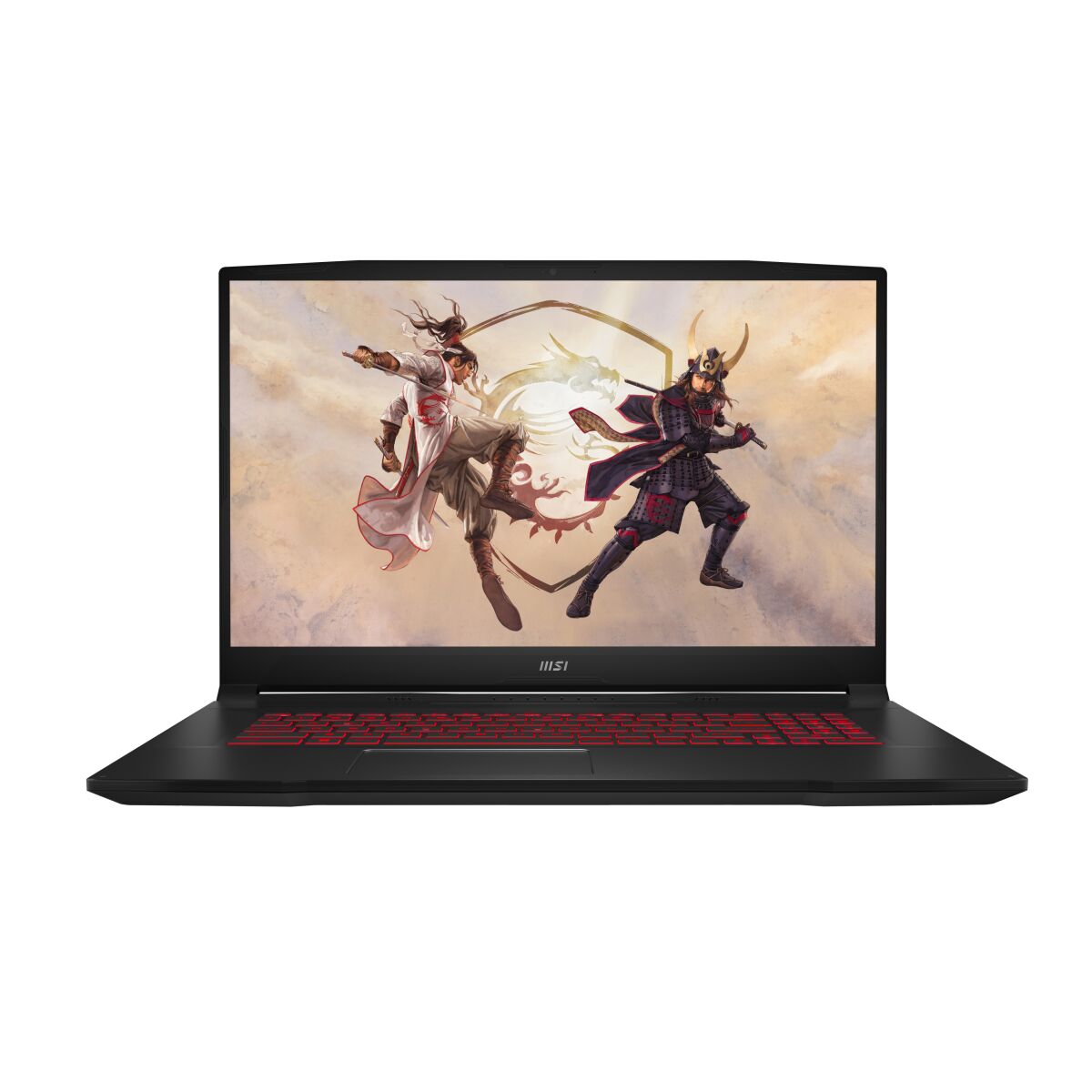


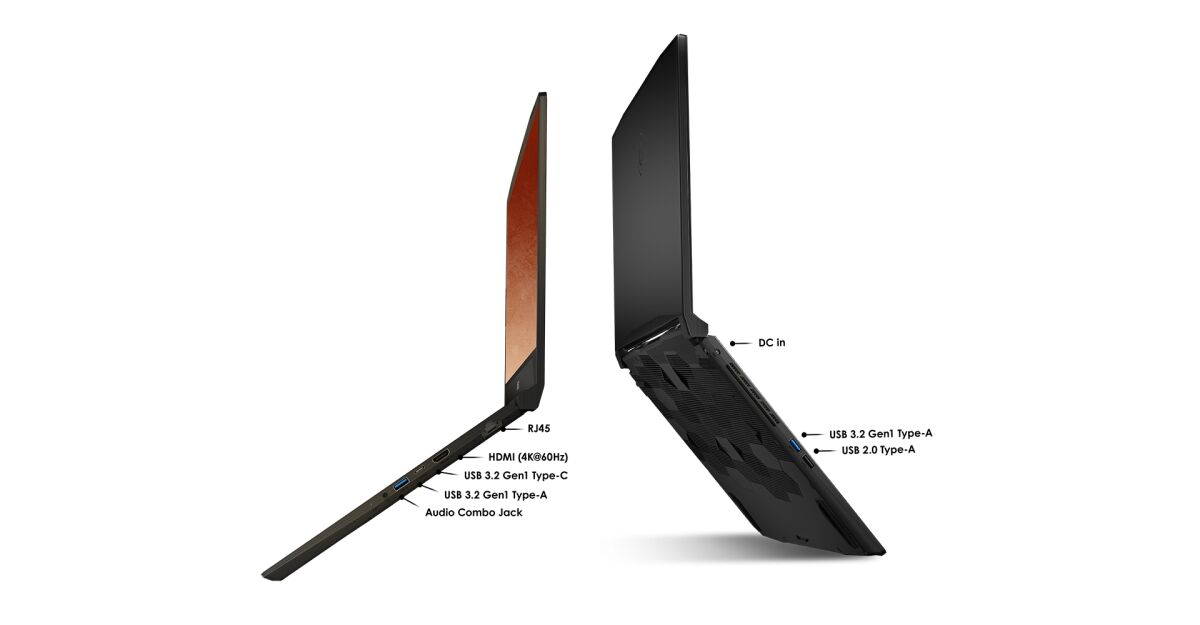
The MSI GF76 12UE-019AU Katana gaming laptop features DDR4-SDRAM memory specifications with 2x SO-DIMM slots for RAM upgrades. Maximum compatible memory capacity reaches 64 GB total. Operating frequency is 3200 MHz. SO-DIMM form factor memory modules are required for compatible upgrades. The MSI Gaming GF series supports these memory specifications for system expansion and performance enhancement.
Memory Upgrade Specifications
| Specification | Value |
|---|---|
| Memory slots | 2x SO-DIMM |
| Form factor | SO-DIMM |
| Memory type | DDR4-SDRAM |
| Frequency | 3200 MHz |
| Maximum RAM | 64 GB |
| Voltage | 1.2V |
| Number of pins | 260-pin |
| Interface | PC4 |
| PC Speed Rating | PC4-3200 (PC4-25600) |
| Bandwidth | 25.6 GB/s |
| Laptop Release date | 22 July 2022 |
Additional Notes
- The MSI GF76 12UE-019AU Katana utilizes standard DDR4 SO-DIMM modules, ensuring broad compatibility with third-party memory from vendors like Crucial, Kingston, and Corsair.
- The 3200 MHz specification indicates official support for JEDEC DDR4-3200 profiles, though actual speed may depend on the installed 12th generation Intel processor's memory controller capabilities.
- The 64 GB maximum capacity suggests the system supports dual-rank 32 GB SO-DIMM modules per slot, which are less common and typically priced at a premium compared to standard 16 GB modules.
- Installing mismatched memory modules between the 2 slots may force both modules to operate at the lower speed or cause the system to default to single-channel mode, reducing memory bandwidth by approximately 50 percent.
- Access to the SO-DIMM slots typically requires bottom panel removal, which may involve voiding seals or stickers that could affect warranty coverage in certain regions.
- DDR4-3200 represents the baseline speed for this platform, meaning faster DDR4 modules rated at 3600 MHz or higher will downclock to 3200 MHz unless manual overclocking through BIOS is supported and enabled.
- The dual-channel architecture provides optimal bandwidth when both slots are populated with identical capacity and speed modules, critical for GPU-intensive gaming workloads that rely on shared system memory.
- Memory latency specifications such as CAS latency are not enforced by the chipset, allowing modules with different timing configurations to function together, though performance consistency may vary.
- SO-DIMM modules generate heat under sustained loads, and installations in both slots may reduce airflow compared to single-module configurations, potentially affecting thermal performance in compact laptop chassis designs.
- The absence of ECC memory support means all installed modules must be non-ECC DDR4 SO-DIMM variants, as mixing ECC and non-ECC memory will prevent system boot.