MSI Gaming GF76 12UD-087XES Katana RAM upgrade specifications
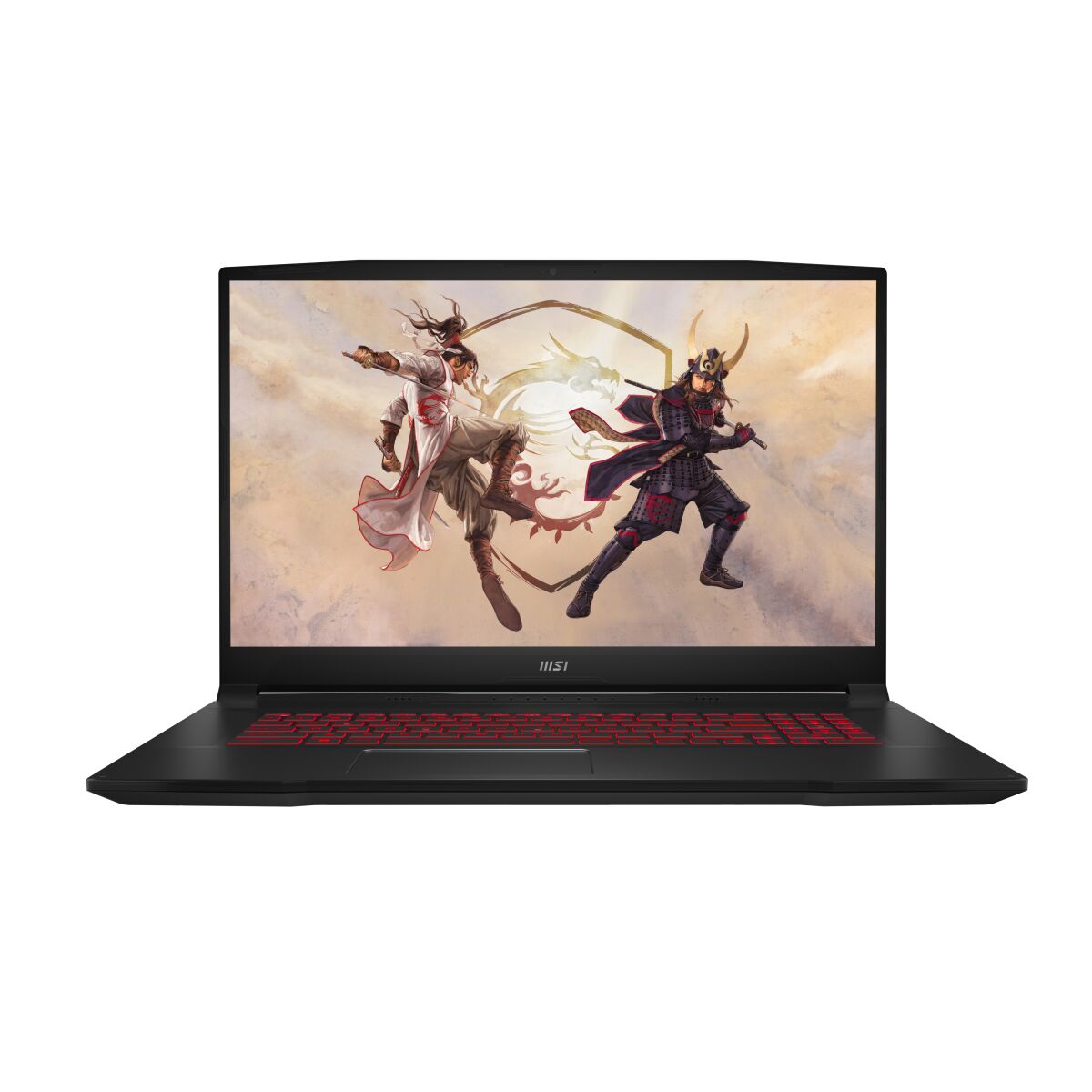
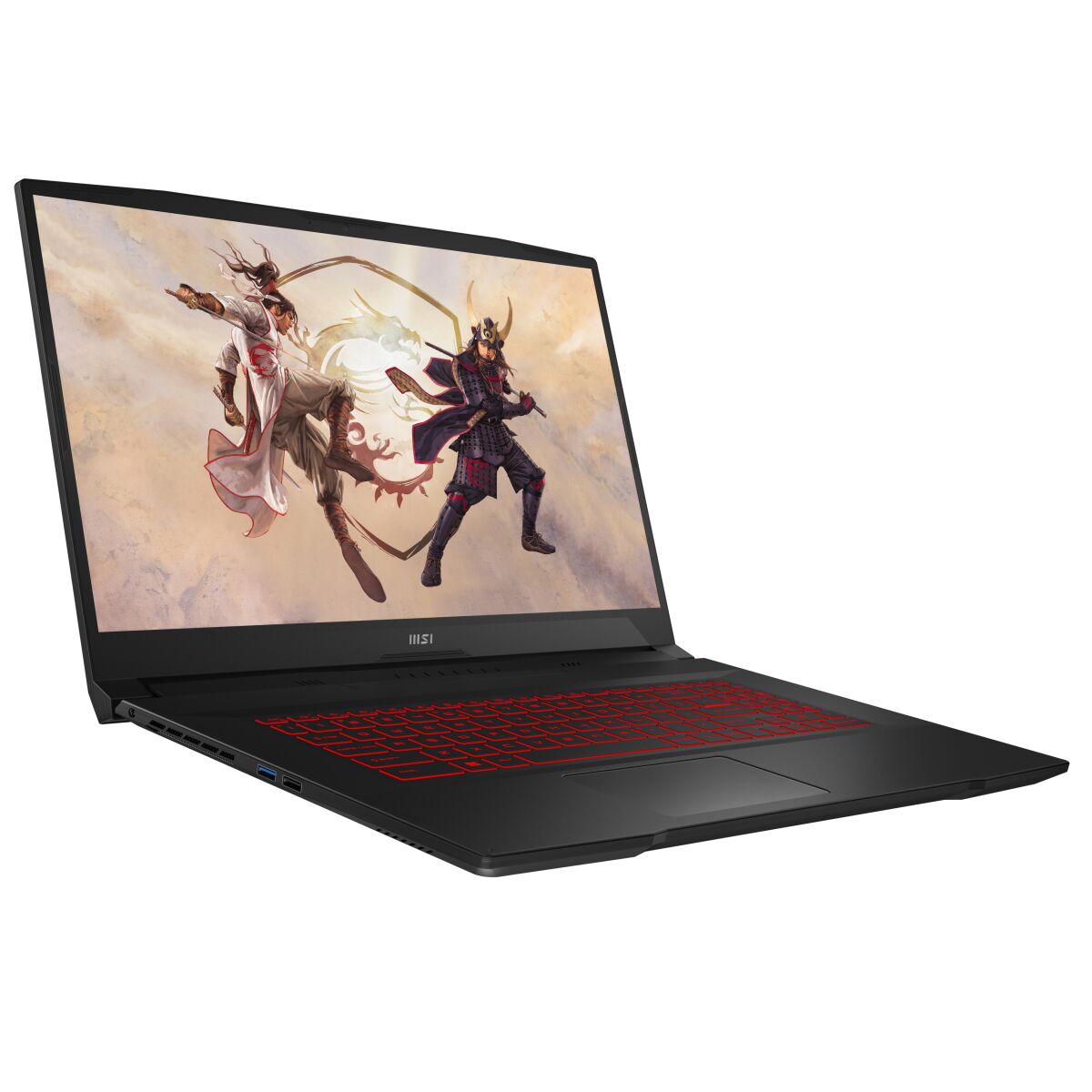

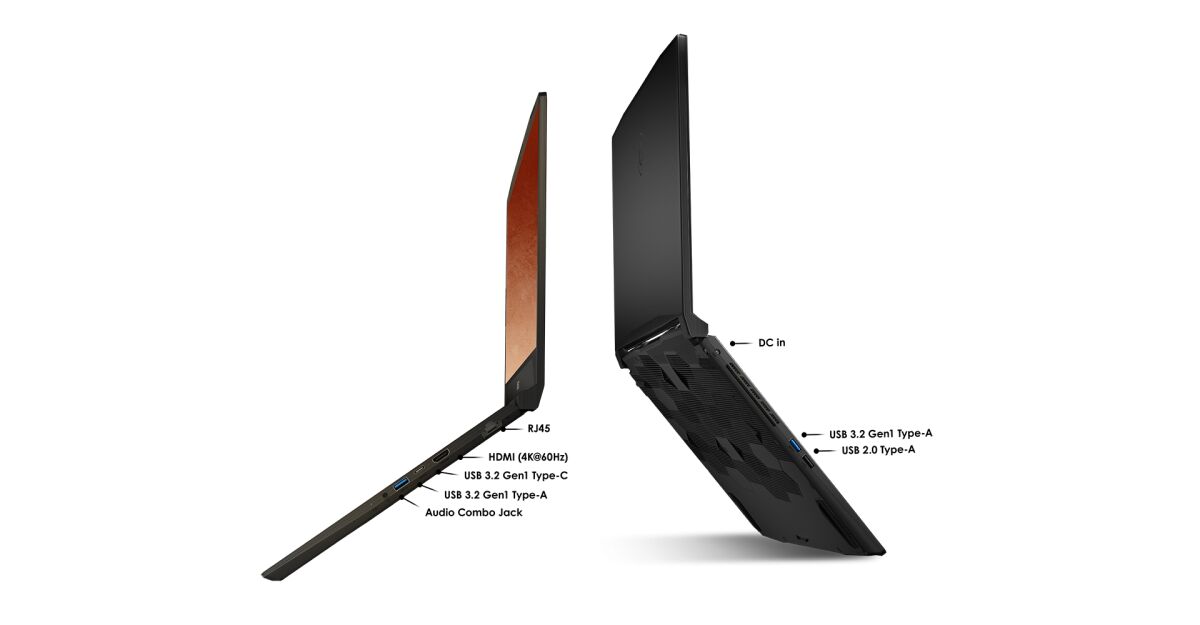
The MSI GF76 12UD-087XES Katana gaming laptop features DDR4-SDRAM memory specifications with two SO-DIMM slots for RAM upgrades. Maximum memory capacity reaches 64 GB total, supporting DDR4-3200 MHz frequency modules. Compatible memory upgrades utilize the SO-DIMM form factor standard for laptop installations. Current specifications and upgrade slots enable users to expand system memory through replacement or addition of compatible DDR4 modules, enhancing multitasking performance on the GF series platform.
Memory Upgrade Specifications
| Specification | Value |
|---|---|
| Memory slots | 2x SO-DIMM |
| Form factor | SO-DIMM |
| Memory type | DDR4-SDRAM |
| Frequency | 3200 MHz |
| Maximum RAM | 64 GB |
| Voltage | 1.2V |
| Number of pins | 260-pin |
| Interface | PC4 |
| PC Speed Rating | PC4-3200 (PC4-25600) |
| Bandwidth | 25.6 GB/s |
| Laptop Release date | 04 April 2022 |
Additional Notes
- The MSI GF76 12UD-087XES Katana supports dual-channel memory architecture through its 2 SO-DIMM configuration, enabling up to double the theoretical memory bandwidth compared to single-channel operation when both slots are populated with matched modules.
- DDR4-3200 represents the native JEDEC standard speed for this platform, meaning modules will operate at this frequency without requiring XMP profile activation or manual BIOS adjustments.
- The 64 GB maximum capacity limitation stems from the memory controller's addressable range and chipset specifications, restricting individual module density to 32 GB per slot.
- SO-DIMM form factor requires modules approximately 67.6 mm in length, which differs from desktop DIMM standards and limits compatibility to laptop-specific memory modules.
- Installing mismatched module capacities or speeds across the 2 slots may force the system to operate in flex mode or single-channel mode, potentially reducing memory bandwidth by up to 50 percent.
- DDR4 voltage specifications typically default to 1.2V for standard operation, though high-performance modules may require 1.35V, which could impact thermal characteristics within the chassis airflow design.
- The 3200 MHz frequency translates to a CAS latency window where CL22 modules represent standard timings while CL20 or lower indicates tightened latencies that may improve responsiveness in memory-sensitive workloads.
- Accessing the memory slots likely requires bottom panel removal, and warranty seals may be present depending on regional regulations, making documentation of the upgrade process advisable before proceeding.
- Backward compatibility with DDR4-2933, DDR4-2666, or DDR4-2400 modules exists, but the memory controller will downclock all installed modules to match the slowest frequency present in the configuration.
- Heat spreader height on aftermarket modules must remain within SO-DIMM dimensional tolerances to avoid physical interference with the keyboard assembly or chassis components in the confined laptop interior.