MSI Gaming GF76 12UD-086ES Katana RAM upgrade specifications
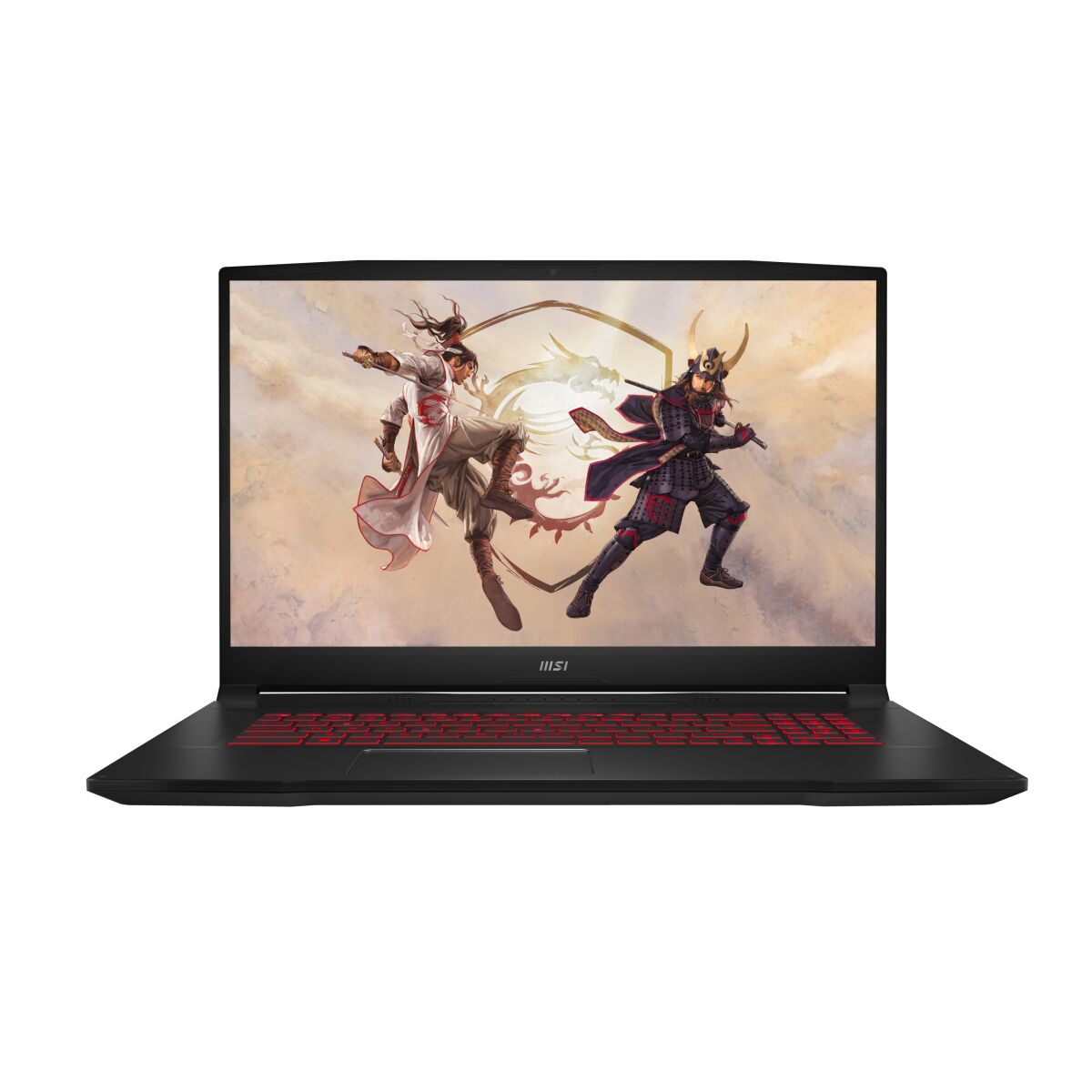
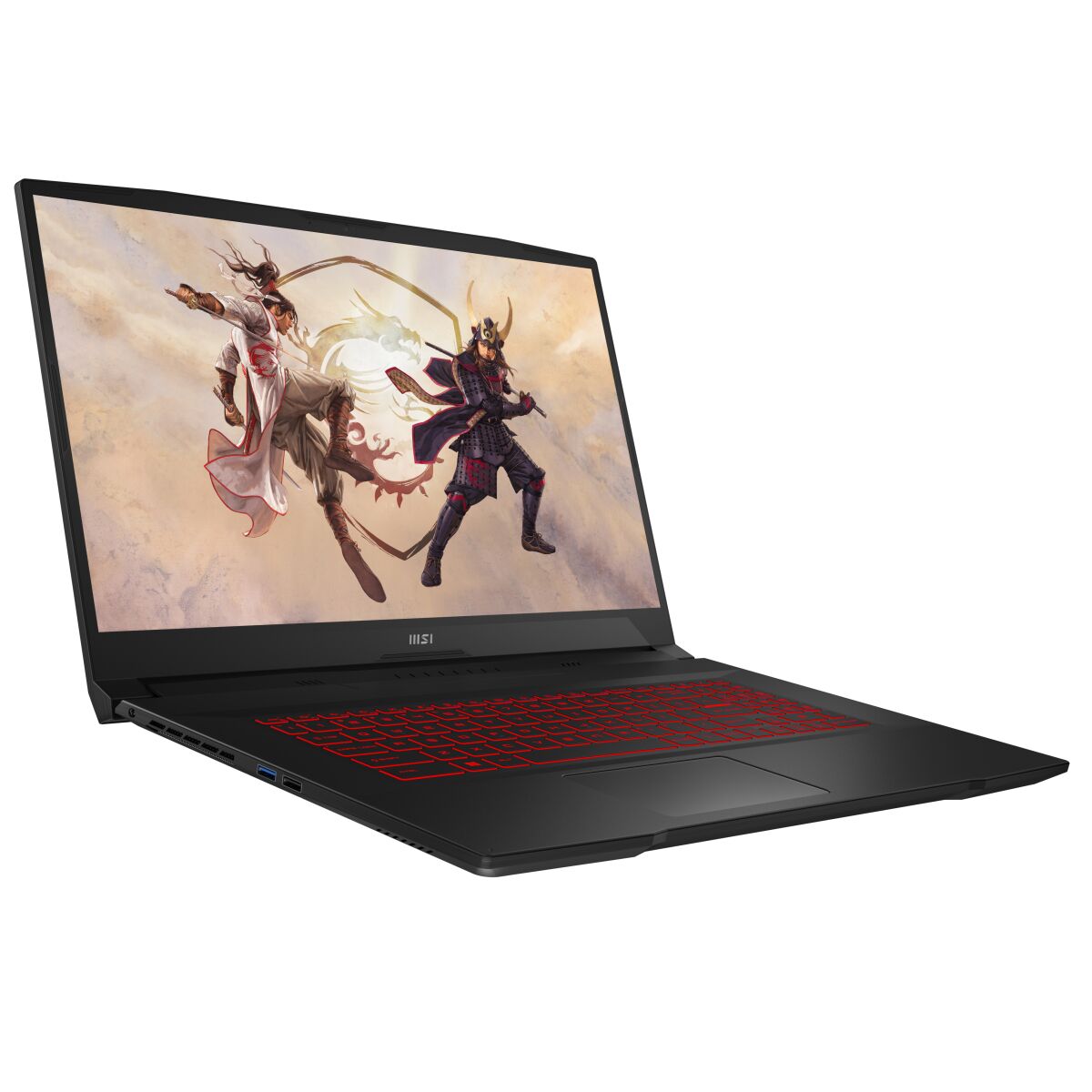
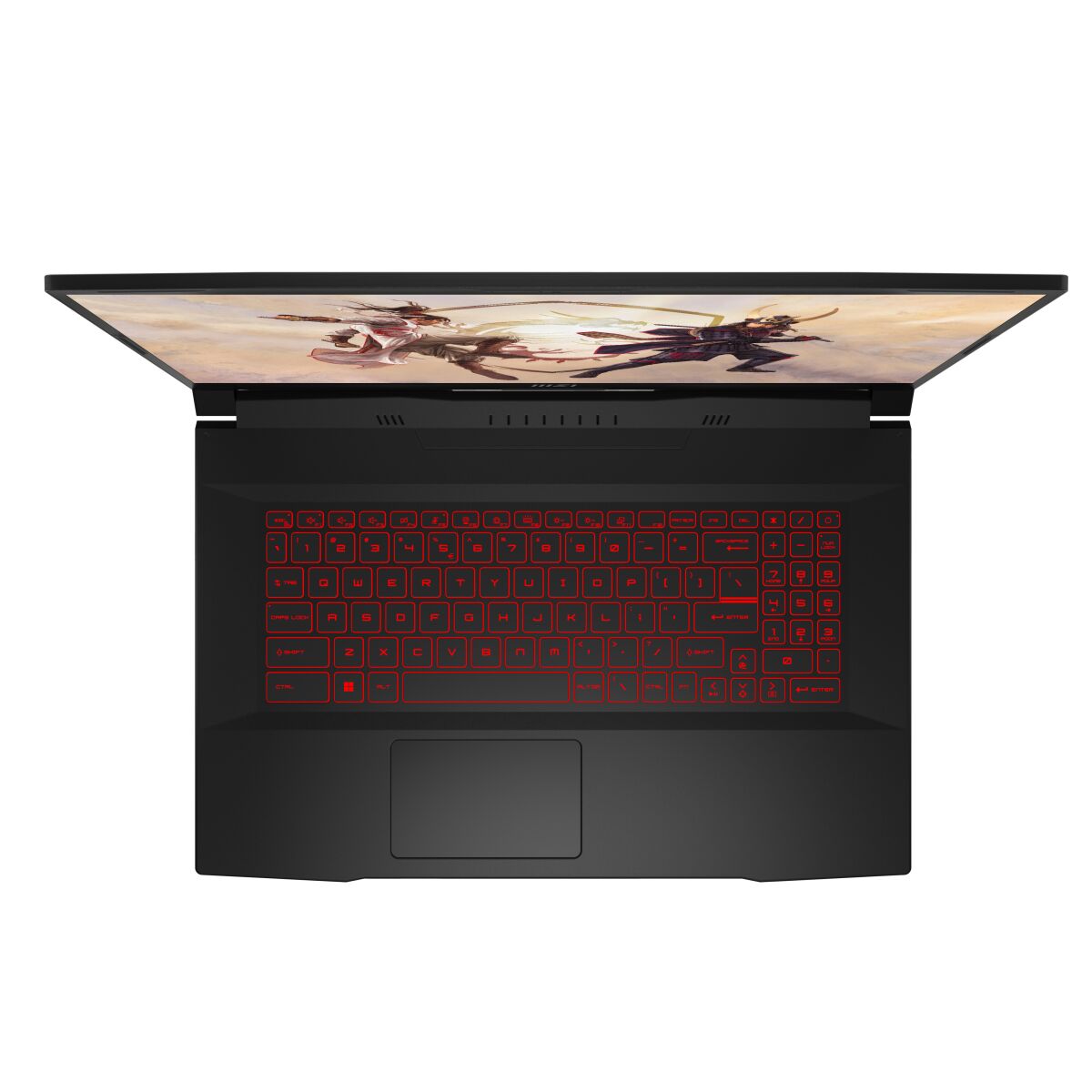
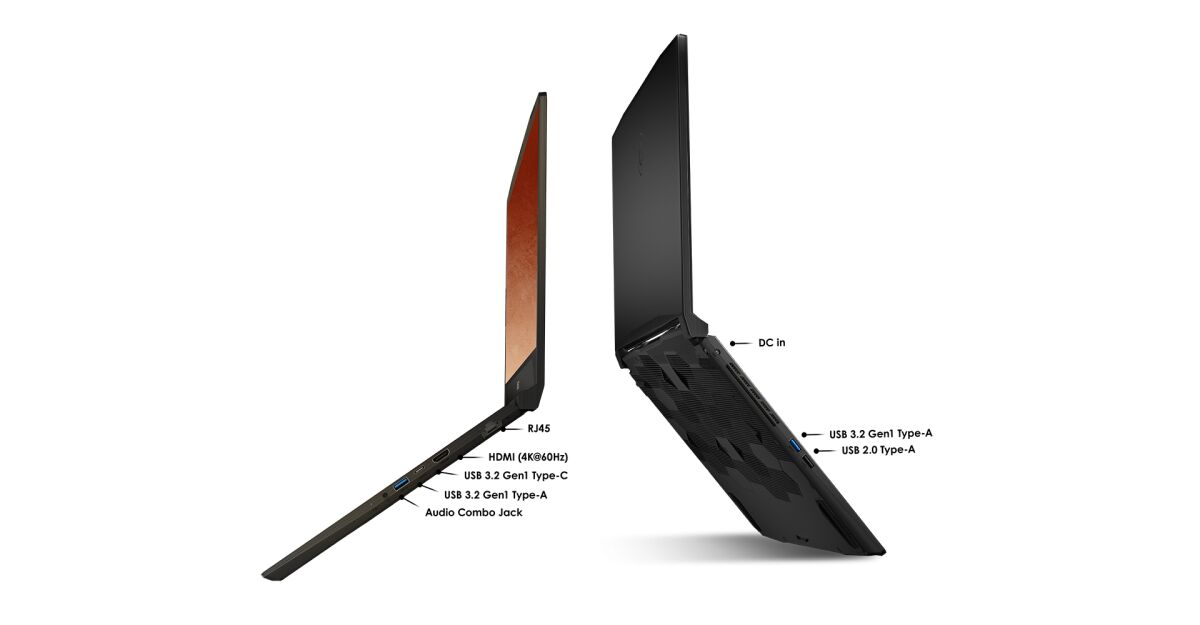
MSI GF76 12UD-086ES Katana Gaming series laptop supports DDR4-SDRAM memory upgrades through 2x SO-DIMM slots. Compatible RAM modules operate at 3200 MHz frequency with maximum capacity of 64 GB total system memory. Upgrade specifications indicate SO-DIMM form factor compatibility for memory expansion. Current slots accommodate individual modules up to 32 GB each, enabling full memory configuration to reach maximum supported capacity. MSI GF76 12UD-086ES Katana specifications require DDR4 technology for compatible upgrades across available expansion slots.
Memory Upgrade Specifications
| Specification | Value |
|---|---|
| Memory slots | 2x SO-DIMM |
| Form factor | SO-DIMM |
| Memory type | DDR4-SDRAM |
| Frequency | 3200 MHz |
| Maximum RAM | 64 GB |
| Voltage | 1.2V |
| Number of pins | 260-pin |
| Interface | PC4 |
| PC Speed Rating | PC4-3200 (PC4-25600) |
| Bandwidth | 25.6 GB/s |
| Laptop Release date | 04 April 2022 |
Additional Notes
- The MSI GF76 12UD-086ES Katana accepts standard 260-pin SO-DIMM modules, which differ physically from desktop 288-pin DIMMs and cannot be interchanged.
- DDR4-3200 represents the optimal frequency threshold for this platform; modules rated at higher speeds will function but automatically downclock to 3200 MHz.
- Dual-channel operation requires matched capacity modules in both slots to activate full memory bandwidth, which directly impacts integrated graphics performance and CPU data throughput.
- The 64 GB ceiling allows for 2x32 GB configuration using dual-rank modules, though single-rank alternatives may exhibit marginally lower latency in certain workloads.
- DDR5 modules are electrically and physically incompatible with this DDR4 platform due to different voltage requirements and notch positioning.
- Memory speed verification requires accessing BIOS or system utilities, as 3200 MHz operation may need XMP profile activation depending on module specifications.
- Aftermarket RAM installation through the bottom access panel typically preserves manufacturer warranty, unlike soldered memory configurations found in ultraportable designs.
- Mixing modules with different timings will force the system to operate all memory at the slowest common denominator specifications.
- Non-ECC unbuffered modules are required; server-grade registered or ECC memory will cause boot failures or remain undetected.
- The SO-DIMM form factor imposes thermal constraints compared to desktop platforms, making low-profile heat spreaders preferable to avoid clearance conflicts with the chassis.