MSI Gaming GF76 12UD-036XES Katana RAM upgrade specifications



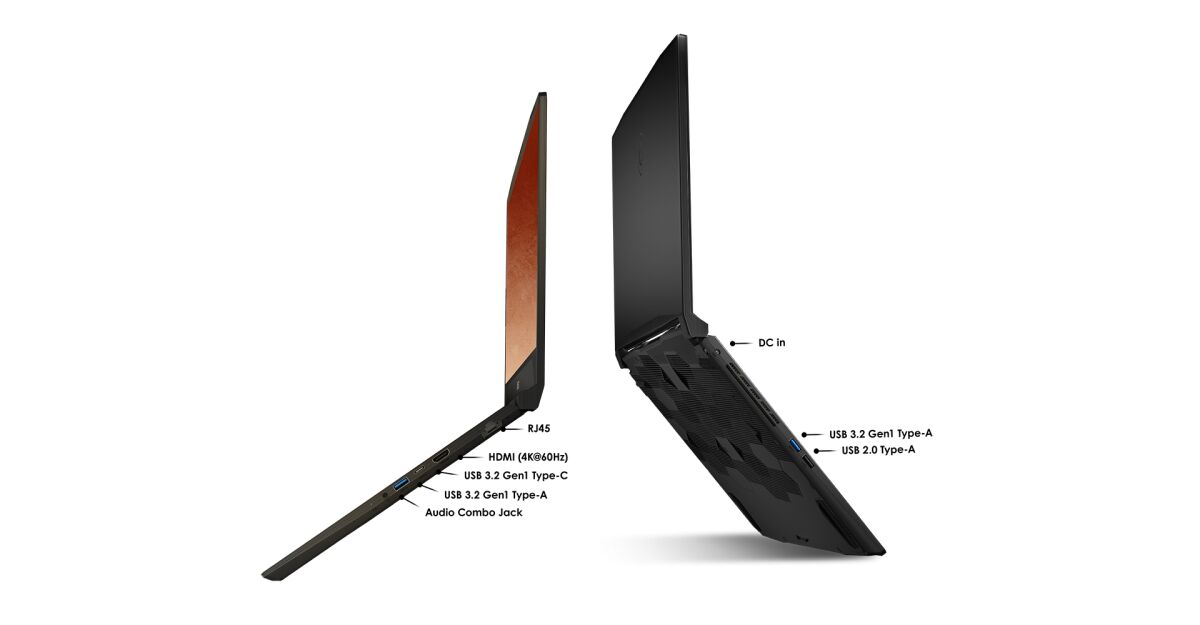
The MSI GF76 12UD-036XES Katana gaming laptop supports DDR4-SDRAM memory upgrades through two SO-DIMM slots. The maximum compatible RAM capacity reaches 64 GB total. Memory specifications include DDR4 modules operating at 3200 MHz frequency. Upgrade configurations allow installation of matched SO-DIMM modules in both available slots to enhance system performance and multitasking capabilities.
Memory Upgrade Specifications
| Specification | Value |
|---|---|
| Memory slots | 2x SO-DIMM |
| Form factor | SO-DIMM |
| Memory type | DDR4-SDRAM |
| Frequency | 3200 MHz |
| Maximum RAM | 64 GB |
| Voltage | 1.2V |
| Number of pins | 260-pin |
| Interface | PC4 |
| PC Speed Rating | PC4-3200 (PC4-25600) |
| Bandwidth | 25.6 GB/s |
| Laptop Release date | 23 February 2022 |
Additional Notes
- The MSI GF76 12UD-036XES Katana employs laptop-class SO-DIMM slots rather than desktop DIMM sockets, restricting upgrade components to mobile memory modules and eliminating compatibility with standard desktop RAM.
- DDR4-3200 memory operates at a frequency ceiling that predates DDR5 adoption; faster DDR4 modules (3600 MHz or higher) will downclock to 3200 MHz, making premium memory purchases wasteful for this platform.
- 2 SO-DIMM slots with 64 GB total capacity indicates 32 GB per-module maximum density; reaching the 64 GB ceiling requires both slots populated with high-density modules, leaving no expansion room for future upgrades beyond full replacement.
- The 3200 MHz specification reflects a 12th-generation Intel platform ceiling; memory bandwidth becomes a secondary bottleneck relative to the discrete GPU in gaming scenarios, but latency-sensitive productivity workloads may benefit from tighter CAS timings within the DDR4 standard.
- Single-channel to dual-channel configuration transitions during a RAM upgrade alter memory throughput by approximately 2x; upgrading from a single populated slot to 2 populated slots produces noticeable performance gains independent of total capacity.
- SO-DIMM installation requires removing the base panel and typically involves no thermal concerns; RAM swaps fall within standard user-serviceable operations and carry negligible warranty risk if executed without ESD contact to adjacent components.