MSI Gaming GF76 12UD-030AU Katana RAM upgrade specifications
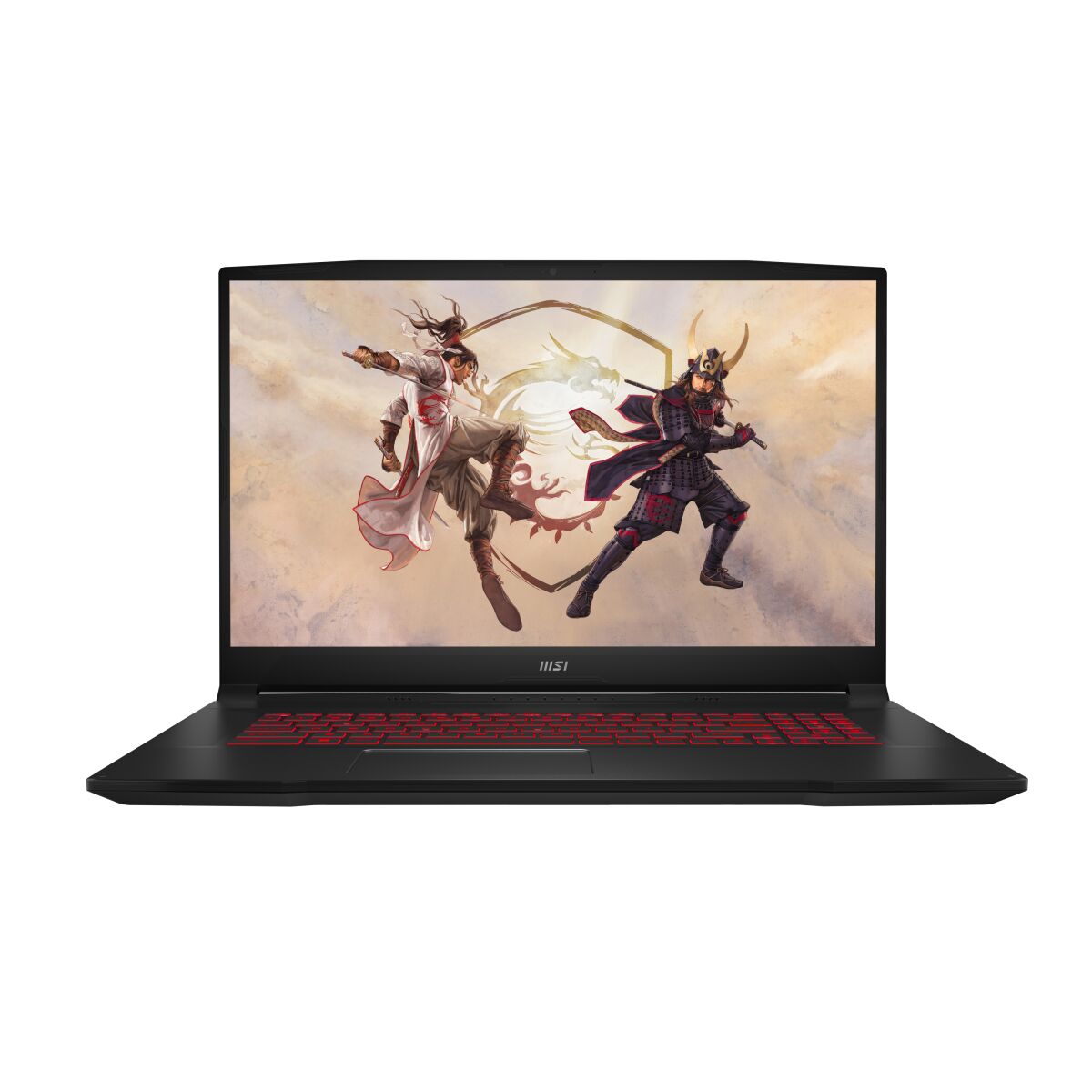
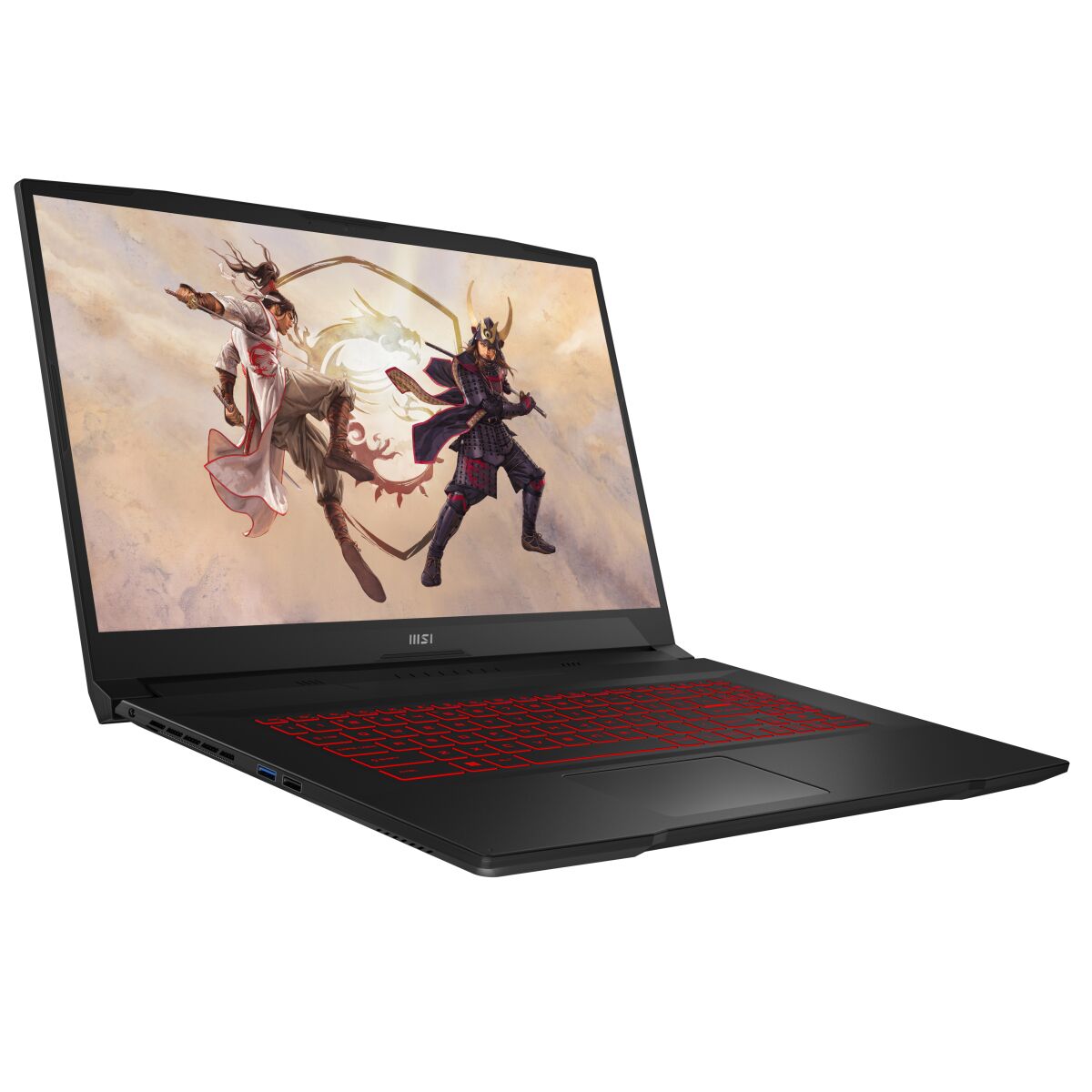
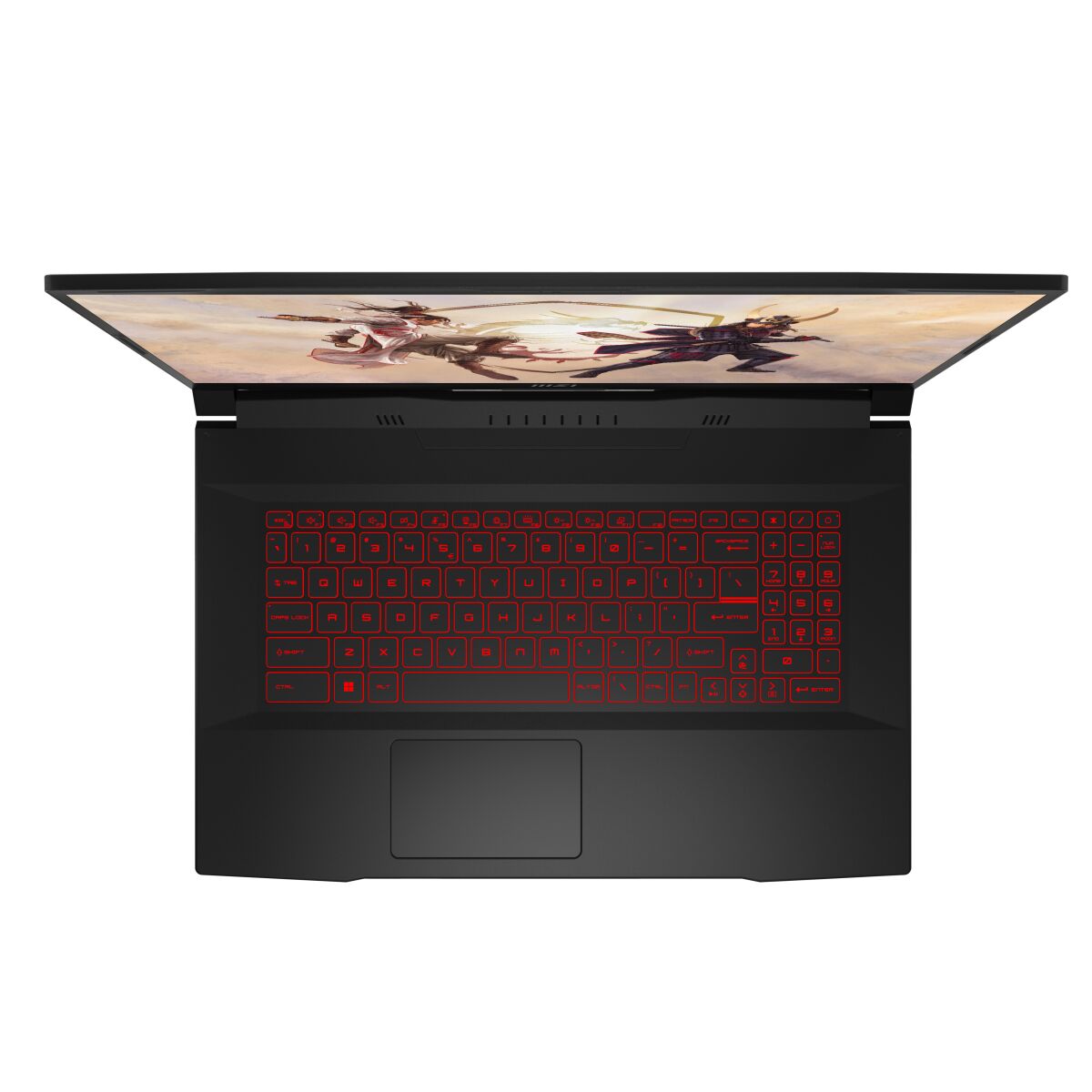
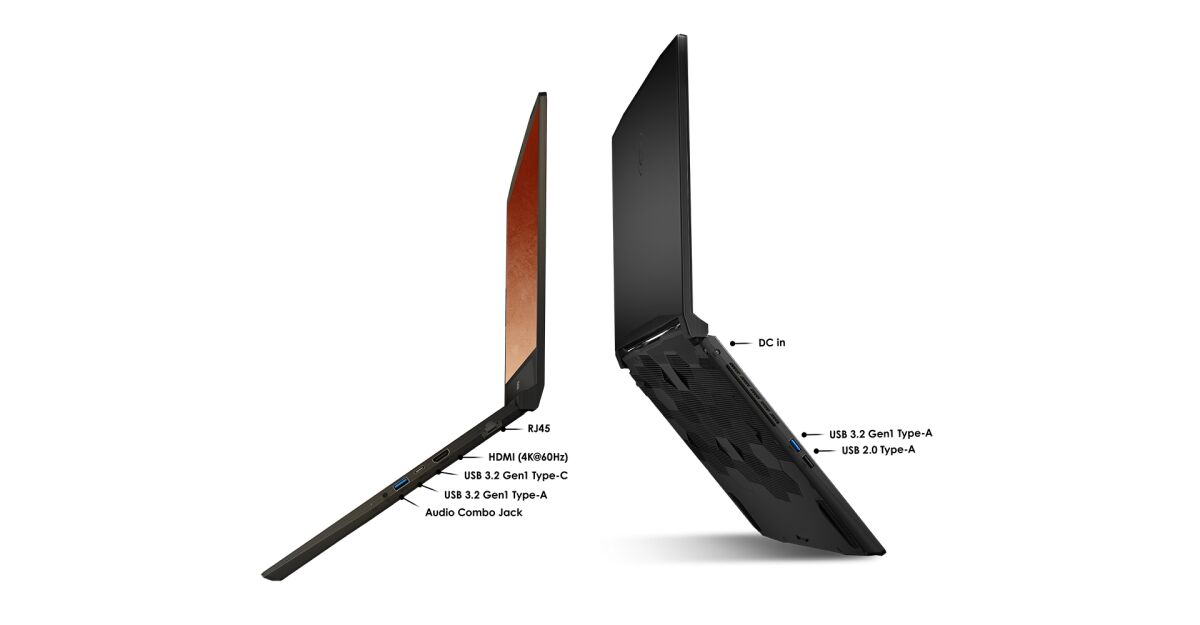
MSI GF76 12UD-030AU Katana gaming laptop supports DDR4-SDRAM memory upgrades via 2x SO-DIMM slots. The system accommodates maximum RAM capacity of 64 GB total, with compatible modules operating at 3200 MHz frequency. Existing memory configurations can be expanded by replacing or supplementing current SO-DIMM modules. Specifications indicate this Gaming GF series model supports dual-channel memory architecture for enhanced performance. RAM upgrade specifications confirm compatibility with standard DDR4 SO-DIMM form factor modules rated for 3200 MHz operation.
Memory Upgrade Specifications
| Specification | Value |
|---|---|
| Memory slots | 2x SO-DIMM |
| Form factor | SO-DIMM |
| Memory type | DDR4-SDRAM |
| Frequency | 3200 MHz |
| Maximum RAM | 64 GB |
| Voltage | 1.2V |
| Number of pins | 260-pin |
| Interface | PC4 |
| PC Speed Rating | PC4-3200 (PC4-25600) |
| Bandwidth | 25.6 GB/s |
| Laptop Release date | 22 July 2022 |
Additional Notes
- The MSI GF76 12UD-030AU Katana uses SO-DIMM form factor memory, which is physically smaller than standard DIMM modules and requires careful installation in a confined laptop chassis space.
- DDR4-3200 memory is a generation behind current DDR5 standards, limiting bandwidth to approximately 51.2 GB/s per channel, which may present a bottleneck for concurrent workloads involving high-speed storage and discrete GPU operations.
- The 2-slot architecture means upgrading to 64 GB requires replacing both existing modules rather than adding a single stick, necessitating removal and storage of the original memory.
- Populating both SO-DIMM slots to maximum capacity (32 GB per slot) requires verification of specific module compatibility, as some higher-capacity DDR4 SO-DIMMs exhibit marginal voltage or thermal stability in dual-channel configurations within gaming laptop form factors.
- The 3200 MHz specification is the tested standard for this platform; memory modules rated above this frequency may operate at reduced speed or require manual BIOS adjustment, which voids thermal and performance warranties.
- DDR4 SO-DIMM supply has contracted significantly due to DDR5 market transition, making future replacement modules potentially difficult to source or more expensive than equivalent DDR5 components in desktop systems.
- Heat dissipation becomes relevant when upgrading both slots simultaneously, as stacked memory modules in a gaming laptop generate cumulative thermal load that affects adjacent components and system throttling behavior during sustained CPU/GPU activity.