MSI Gaming GF76 12UD-026UK Katana RAM upgrade specifications
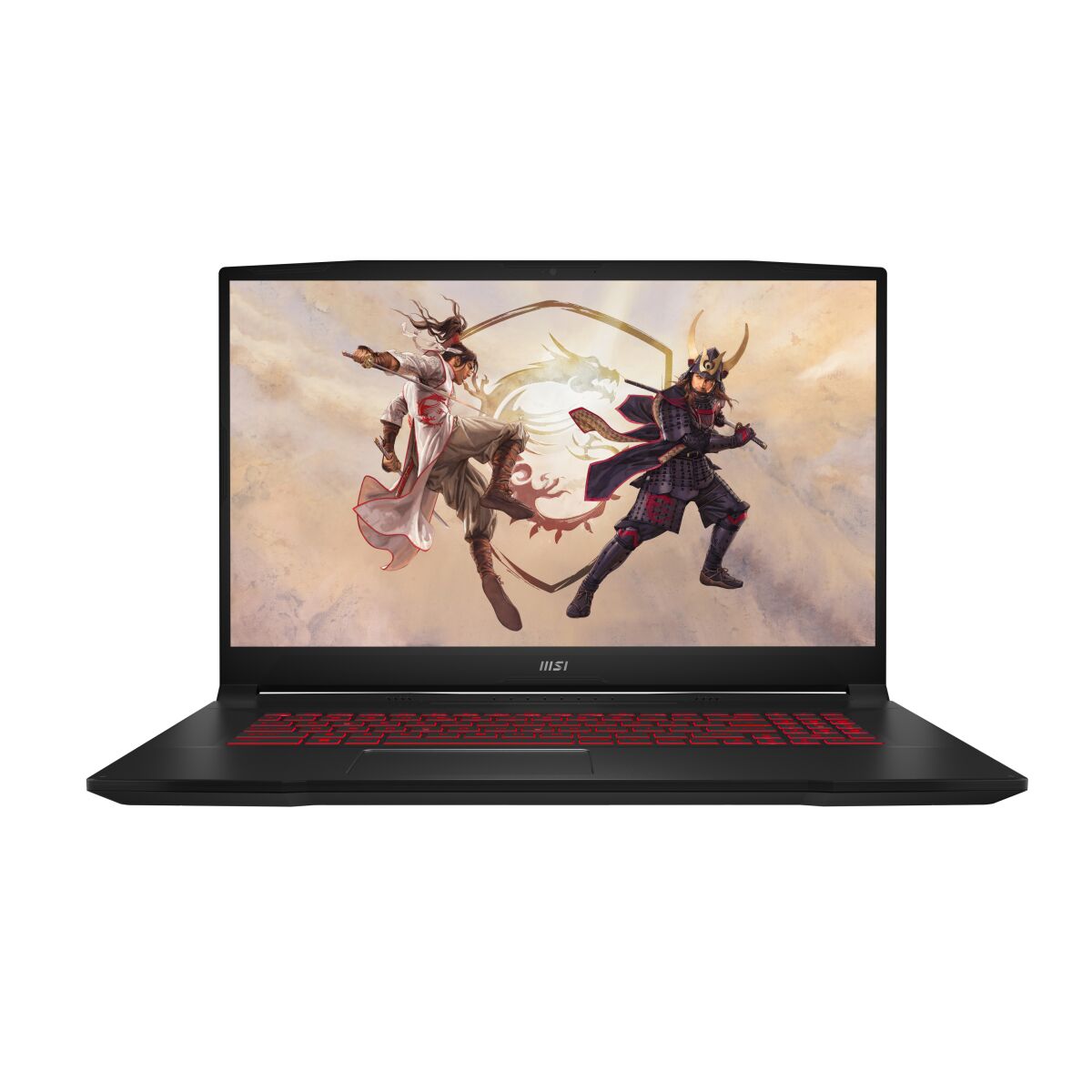
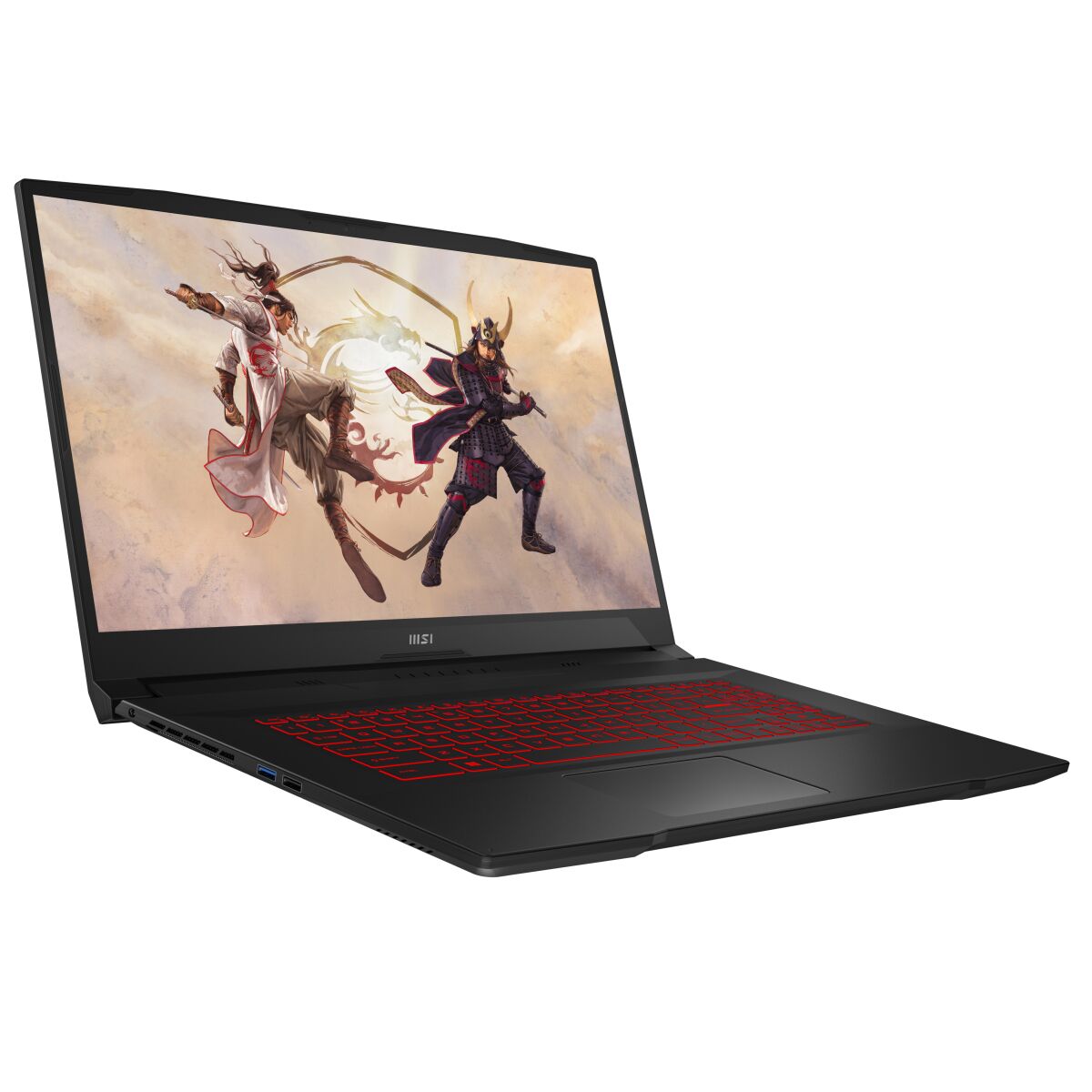

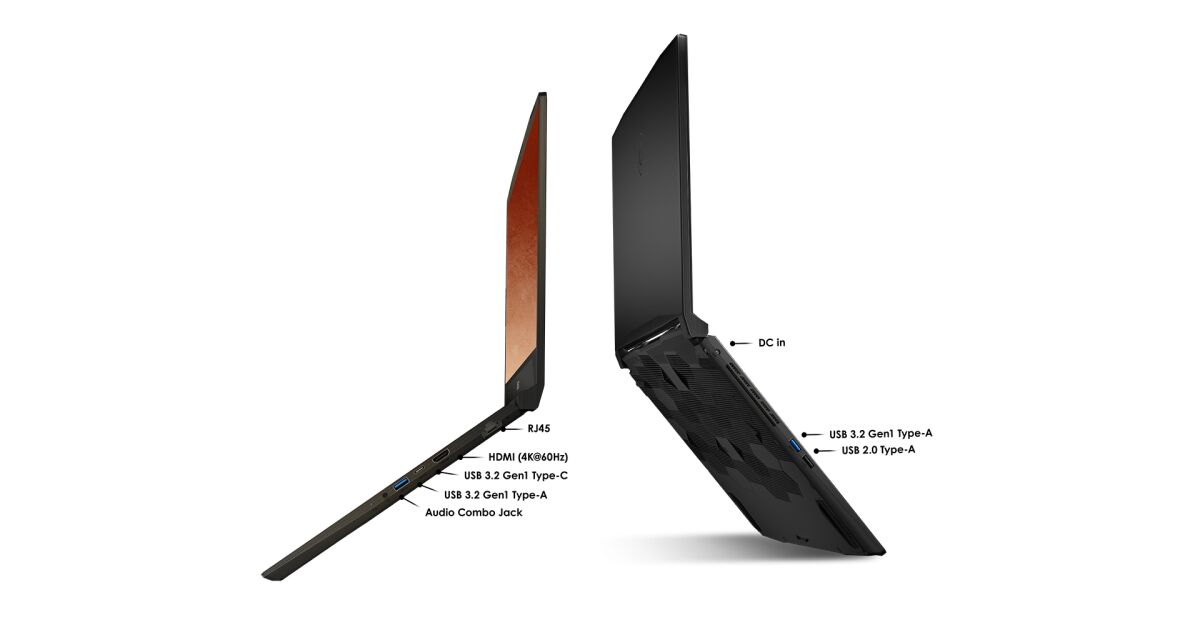
MSI GF76 12UD-026UK Katana gaming laptop supports DDR4-SDRAM memory upgrades across 2x SO-DIMM slots. Maximum RAM capacity reaches 64 GB, with memory operating at 3200 MHz frequency. Compatible RAM modules utilize SO-DIMM form factor specifications. Current upgrade specifications enable users to expand memory capacity for enhanced system performance and multitasking capabilities.
Memory Upgrade Specifications
| Specification | Value |
|---|---|
| Memory slots | 2x SO-DIMM |
| Form factor | SO-DIMM |
| Memory type | DDR4-SDRAM |
| Frequency | 3200 MHz |
| Maximum RAM | 64 GB |
| Voltage | 1.2V |
| Number of pins | 260-pin |
| Interface | PC4 |
| PC Speed Rating | PC4-3200 (PC4-25600) |
| Bandwidth | 25.6 GB/s |
| Laptop Release date | 23 March 2022 |
Additional Notes
- The MSI GF76 12UD-026UK Katana supports a maximum capacity of 64 GB through 2 modules of 32 GB each, requiring dual-rank SO-DIMM modules that may be limited in market availability compared to standard 16 GB options.
- DDR4-3200 represents the Joint Electron Device Engineering Council (JEDEC) standard speed for this generation, meaning faster XMP-rated modules will downclock to 3200 MHz on this platform without performance benefit.
- The SO-DIMM form factor measures 67.6 mm in length, significantly shorter than desktop DIMM modules, making standard desktop memory physically incompatible despite identical voltage and generation specifications.
- Both memory slots operate in dual-channel mode when populated with matched modules, delivering 51.2 GB/s theoretical bandwidth compared to 25.6 GB/s in single-channel configuration with one occupied slot.
- Mixing modules with different speeds will force all installed memory to operate at the frequency of the slowest module, potentially reducing system performance if mismatched components are combined.
- Accessing the SO-DIMM slots typically requires bottom panel removal, which may void warranty seals on certain regional variants depending on the manufacturer's service policies for user-accessible components.
- Non-ECC unbuffered modules are required for consumer-grade laptops, as registered or error-correcting memory types designed for server applications will not initialize during POST.
- The 1.2-volt DDR4 specification provides lower power consumption than DDR3 predecessors, though higher-density 32 GB modules may generate additional heat in the confined laptop chassis during sustained workloads.
- Upgrading from single-channel to dual-channel configuration can improve integrated graphics performance by up to 30 percent in memory-bandwidth-sensitive applications, even without changing total capacity.
- CAS latency timings (CL) remain fixed at JEDEC specifications regardless of module rating, meaning CL16, CL18, or CL22 rated memory will perform identically at the locked 3200 MHz frequency.