MSI Gaming GF76 12UD-017XFR Katana RAM upgrade specifications
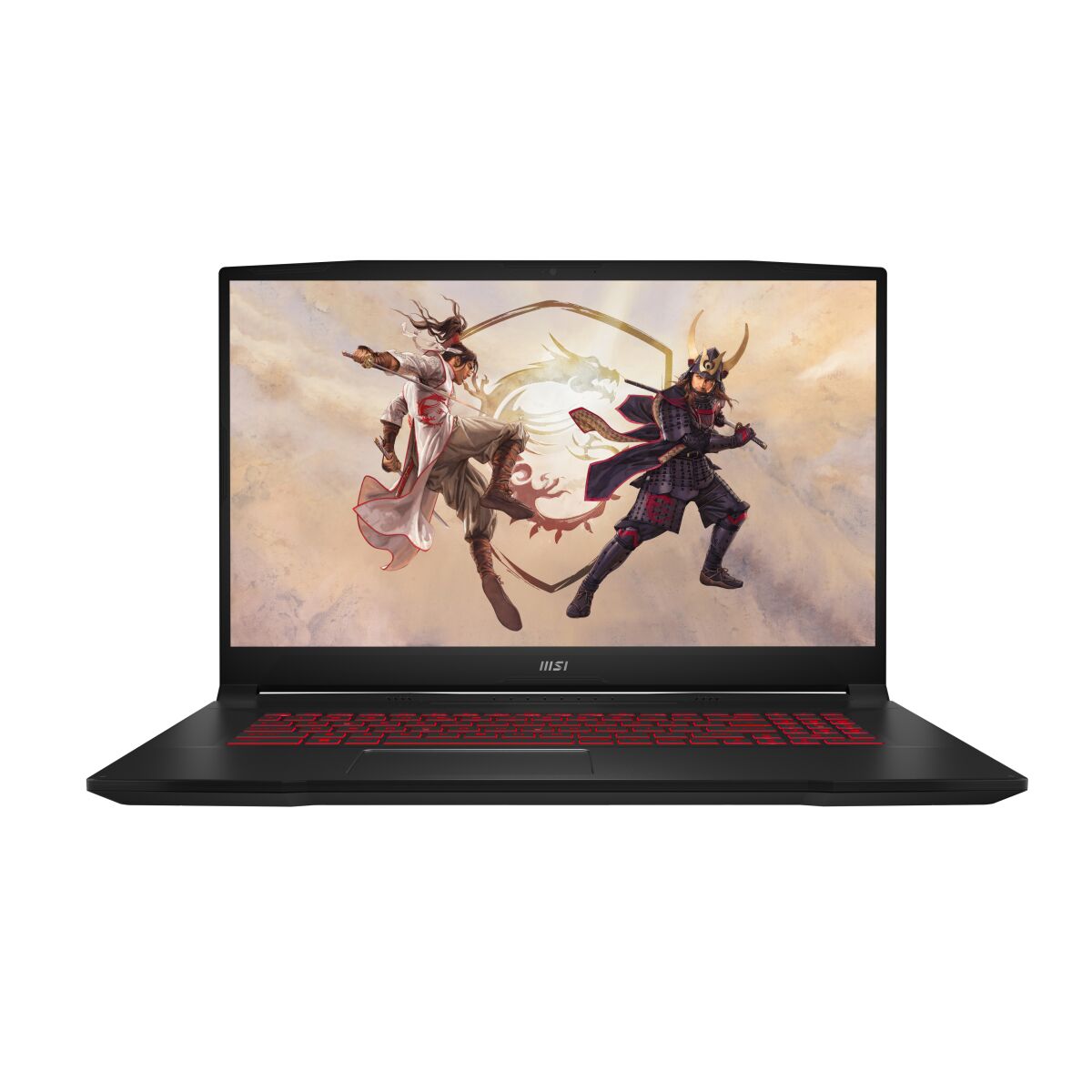
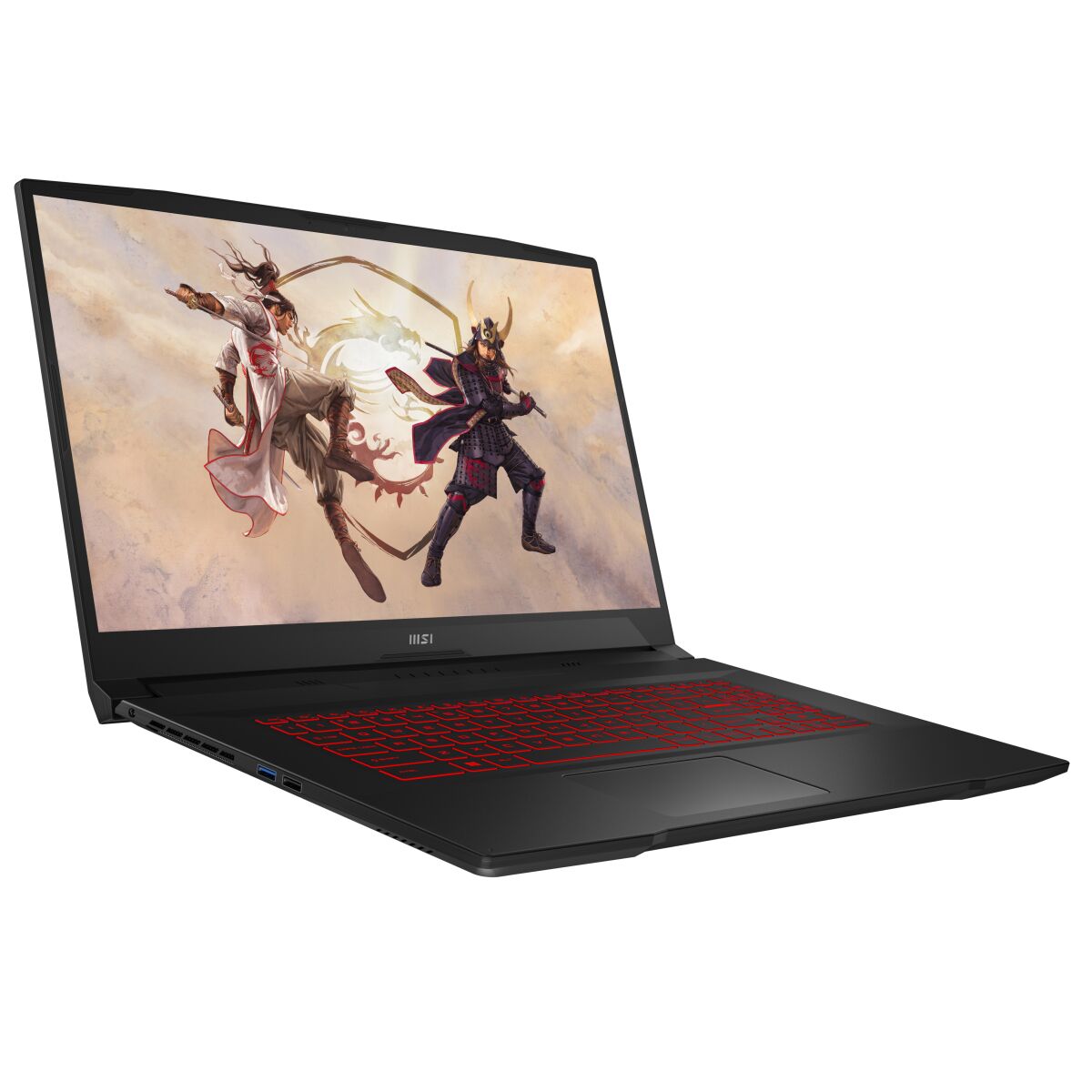
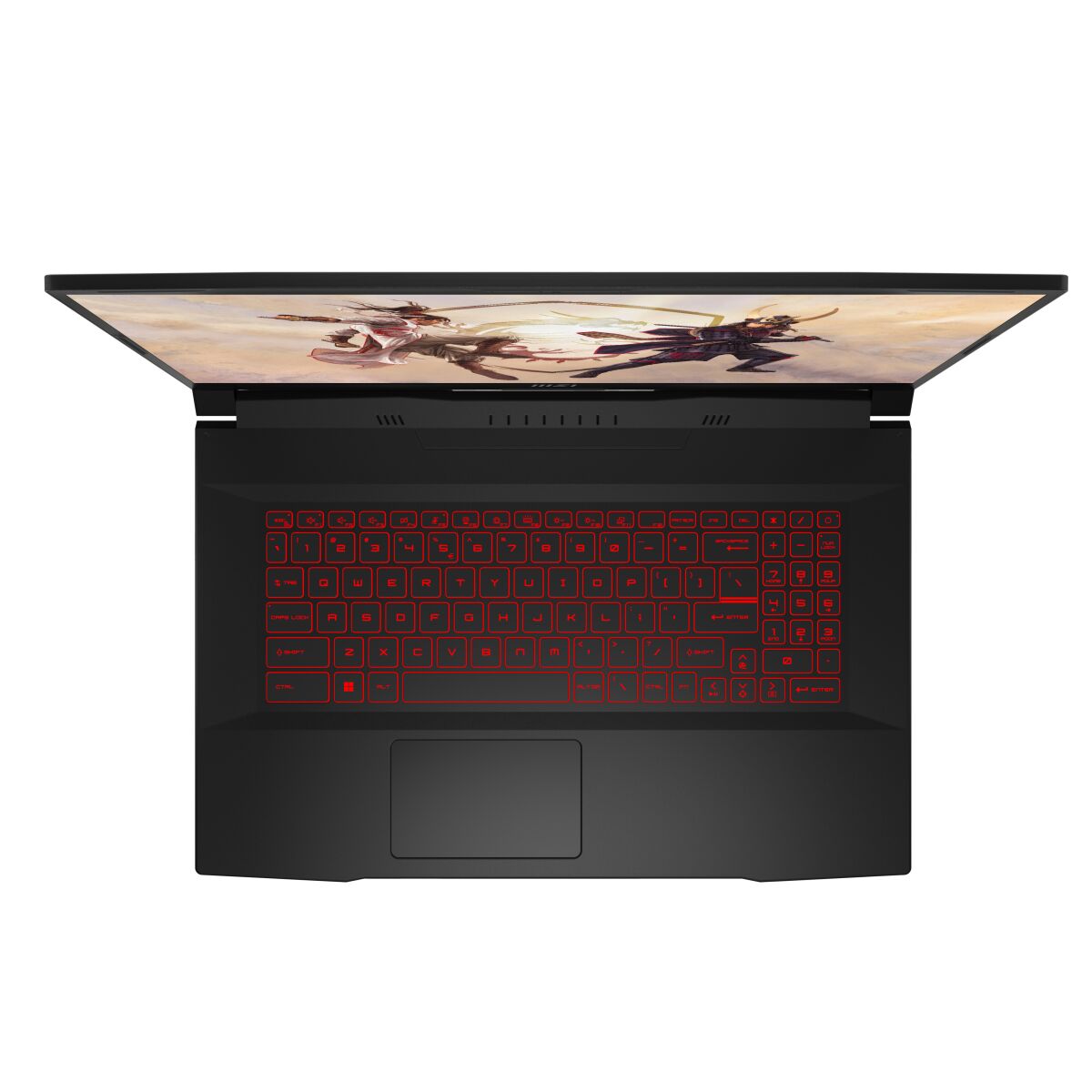
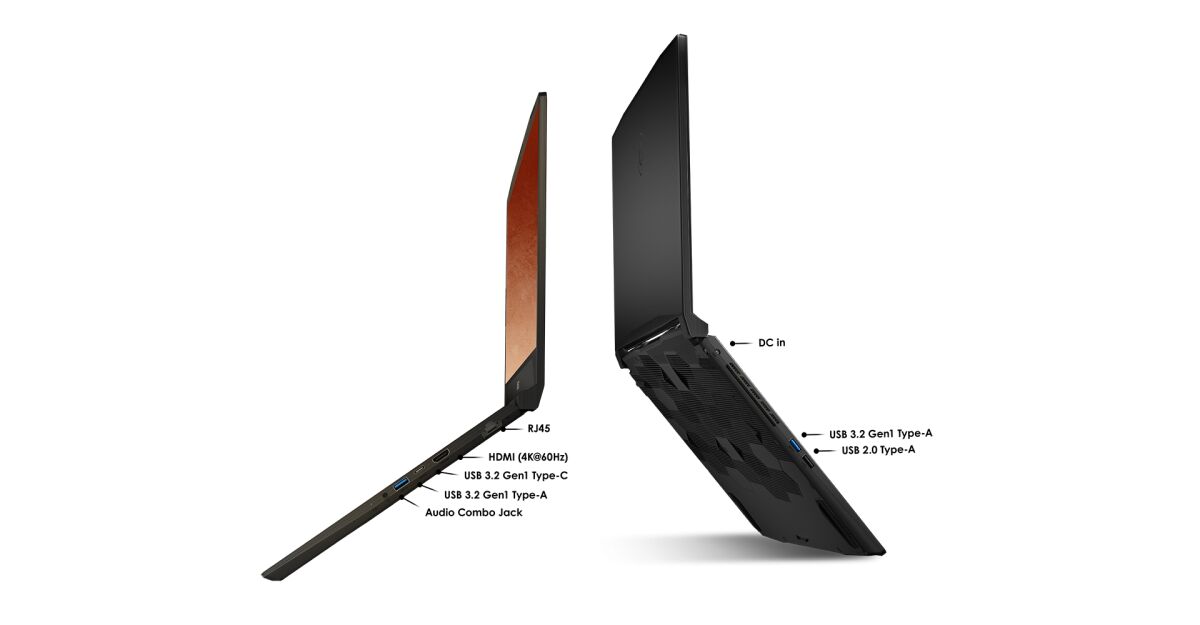
MSI GF76 12UD-017XFR Katana gaming laptop RAM upgrade specifications include DDR4-SDRAM memory configuration with 2x SO-DIMM slots supporting maximum capacity of 64 GB total. Memory operates at 3200 MHz frequency with SO-DIMM form factor. Compatible memory modules must meet DDR4 specifications for guaranteed performance with GF76 Katana series architecture.
Memory Upgrade Specifications
| Specification | Value |
|---|---|
| Memory slots | 2x SO-DIMM |
| Form factor | SO-DIMM |
| Memory type | DDR4-SDRAM |
| Frequency | 3200 MHz |
| Maximum RAM | 64 GB |
| Voltage | 1.2V |
| Number of pins | 260-pin |
| Interface | PC4 |
| PC Speed Rating | PC4-3200 (PC4-25600) |
| Bandwidth | 25.6 GB/s |
| Laptop Release date | 22 March 2022 |
Additional Notes
- The MSI GF76 12UD-017XFR Katana supports DDR4 memory exclusively, preventing installation of DDR5 modules even if physical insertion were attempted.
- Both memory slots accept SO-DIMM form factor only, rendering standard desktop DIMM modules incompatible due to different pin configurations and physical dimensions.
- The 64 GB maximum capacity limitation exists at the chipset or motherboard design level, making any configuration beyond 2x32 GB unstable or unrecognized regardless of module availability.
- Native 3200 MHz frequency support allows matching-speed modules to operate at full specification without manual BIOS adjustments or XMP profile activation.
- Installing mismatched frequency modules forces both to downclock to the slower module's speed, creating a performance bottleneck that affects memory-intensive applications.
- Dual-channel architecture requires matched module pairs in both slots to achieve maximum memory bandwidth, with asymmetric configurations halving theoretical throughput.
- Single SO-DIMM operation remains functional but cuts available memory bandwidth in half compared to dual-channel configurations, impacting gaming frame rates and rendering tasks.
- The SO-DIMM slot design allows user-accessible upgrades without specialized disassembly tools, though warranty terms vary by region regarding seal breakage.
- Non-ECC unbuffered modules represent the only compatible specification, as ECC or registered memory types encounter electrical signaling incompatibilities with consumer chipsets.
- Lower frequency DDR4 modules at 2400 MHz or 2666 MHz physically install but operate below system potential, leaving memory bandwidth performance on the table.
- Voltage specification adherence to 1.2V standard proves critical, as higher-voltage enthusiast modules risk thermal issues or chipset damage in confined laptop thermal envelopes.