MSI Gaming GF76 12UD-016FR Katana RAM upgrade specifications
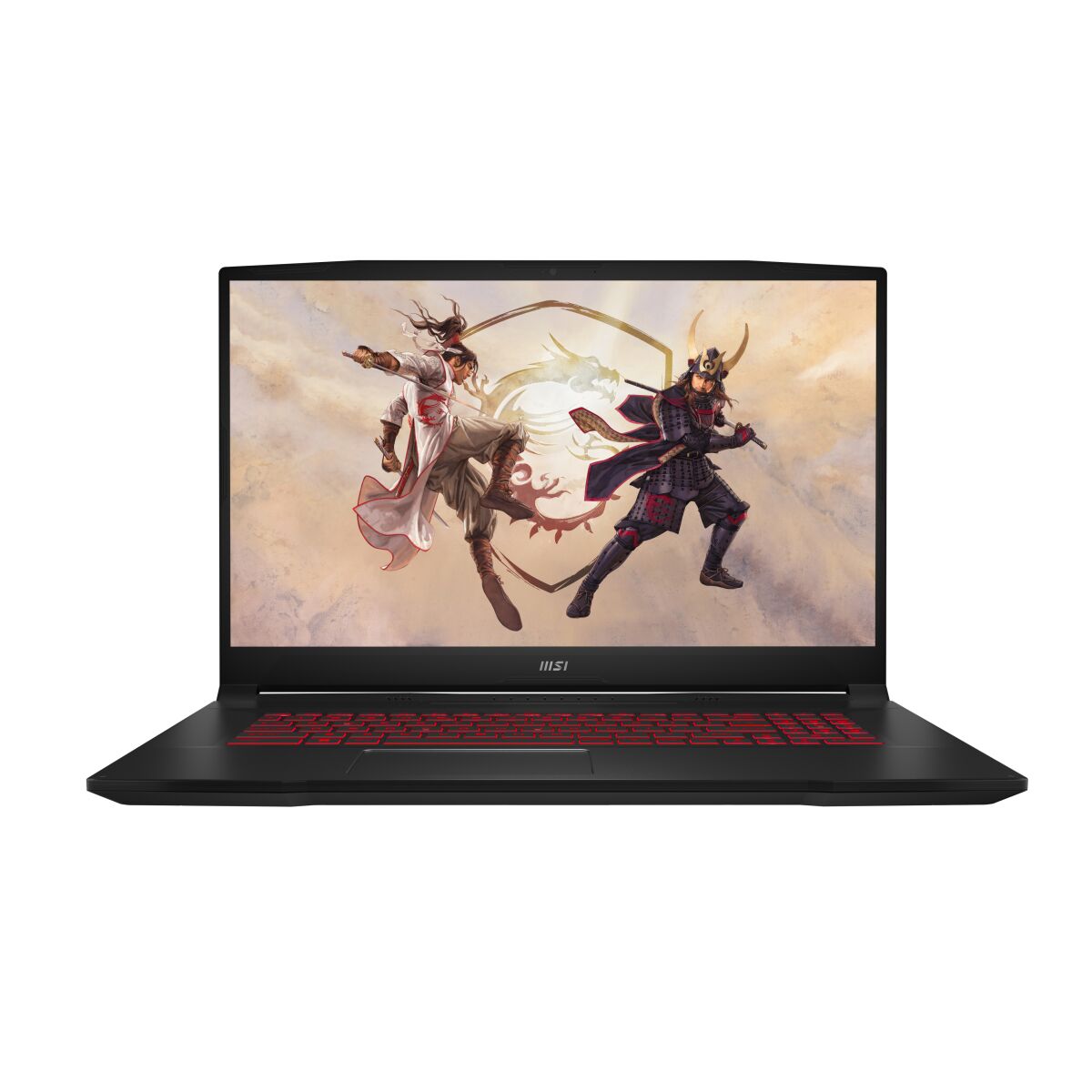
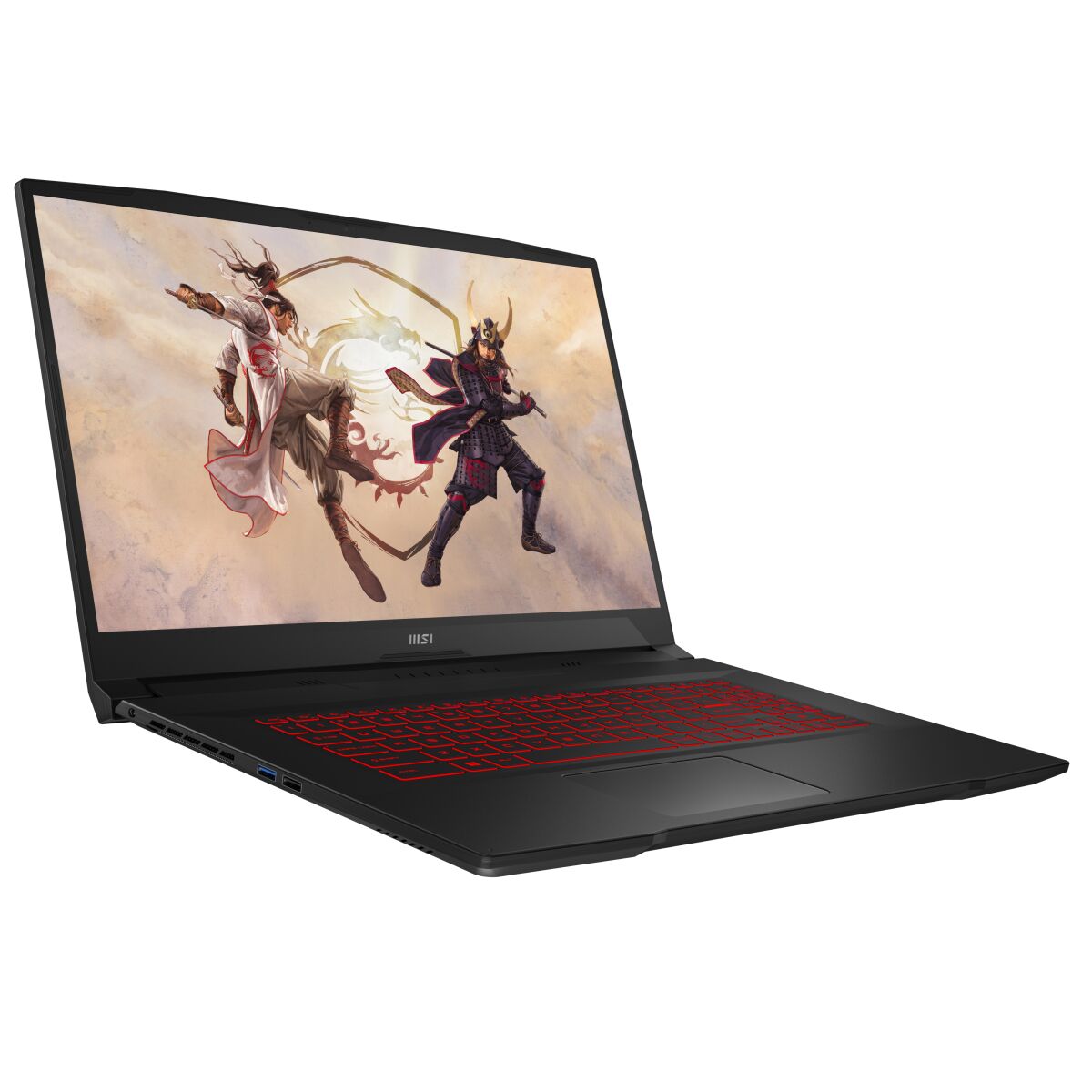

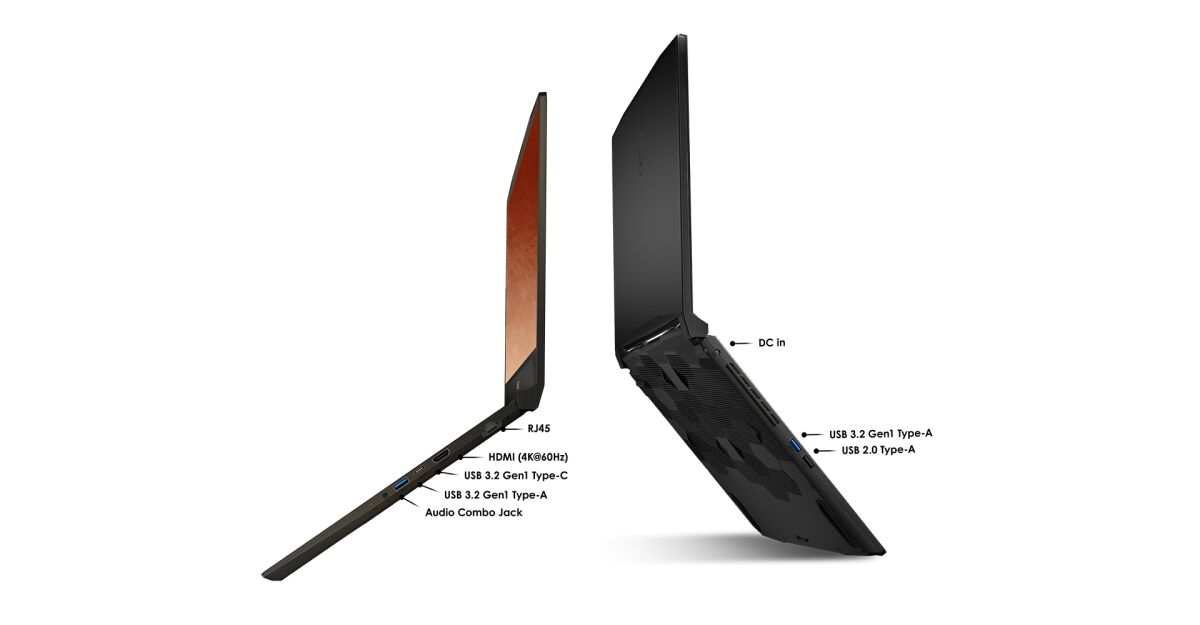
The MSI GF76 12UD-016FR Katana gaming laptop features DDR4-SDRAM memory configuration with 2x SO-DIMM slots for upgrade capacity. Maximum supported memory capacity reaches 64 GB total. Compatible RAM modules operate at 3200 MHz frequency and utilize SO-DIMM form factor. Specifications indicate upgrade potential for users requiring enhanced multitasking performance and demanding application support. The GF gaming series supports memory expansion within specifications for this particular model configuration.
Memory Upgrade Specifications
| Specification | Value |
|---|---|
| Memory slots | 2x SO-DIMM |
| Form factor | SO-DIMM |
| Memory type | DDR4-SDRAM |
| Frequency | 3200 MHz |
| Maximum RAM | 64 GB |
| Voltage | 1.2V |
| Number of pins | 260-pin |
| Interface | PC4 |
| PC Speed Rating | PC4-3200 (PC4-25600) |
| Bandwidth | 25.6 GB/s |
| Laptop Release date | 29 April 2022 |
Additional Notes
- The dual SO-DIMM configuration enables symmetric memory population, which activates dual-channel bandwidth for improved graphics performance in integrated and discrete GPU scenarios.
- The 64 GB ceiling requires two 32 GB modules, a capacity tier that operates at higher voltage than standard 16 GB modules and may reduce availability among third-party manufacturers.
- DDR4-3200 represents the Jedec standard maximum for this generation, meaning overclocked or XMP profiles are incompatible with SO-DIMM form factors in mobile platforms.
- The MSI GF76 12UD-016FR Katana memory controller locks frequency at 3200 MHz regardless of installed module speed ratings, rendering higher-spec modules functionally identical to baseline variants.
- SO-DIMM installation requires accessing the bottom panel, which typically involves multiple screw types and potential cable disconnection depending on chassis design generation.
- Single-rank versus dual-rank module architecture affects bandwidth delivery, with dual-rank configurations providing marginally better performance in memory-intensive workloads despite identical capacity ratings.
- Mixing module capacities across slots forces the controller into asymmetric flex mode, which maintains dual-channel operation only for the matched portion of installed capacity.
- The absence of ECC support in consumer DDR4 SO-DIMM configurations means bit-flip errors remain undetected, a standard limitation in gaming-focused mobile platforms.
- Thermal throttling under sustained memory access depends on ambient case airflow rather than module heatspreaders, which are non-standard in SO-DIMM designs.
- Warranty preservation requires manufacturer-approved memory configurations, though most OEMs permit user-installed modules provided original components remain undamaged during access.