MSI Gaming GF76 12UD-035ES Katana RAM upgrade specifications
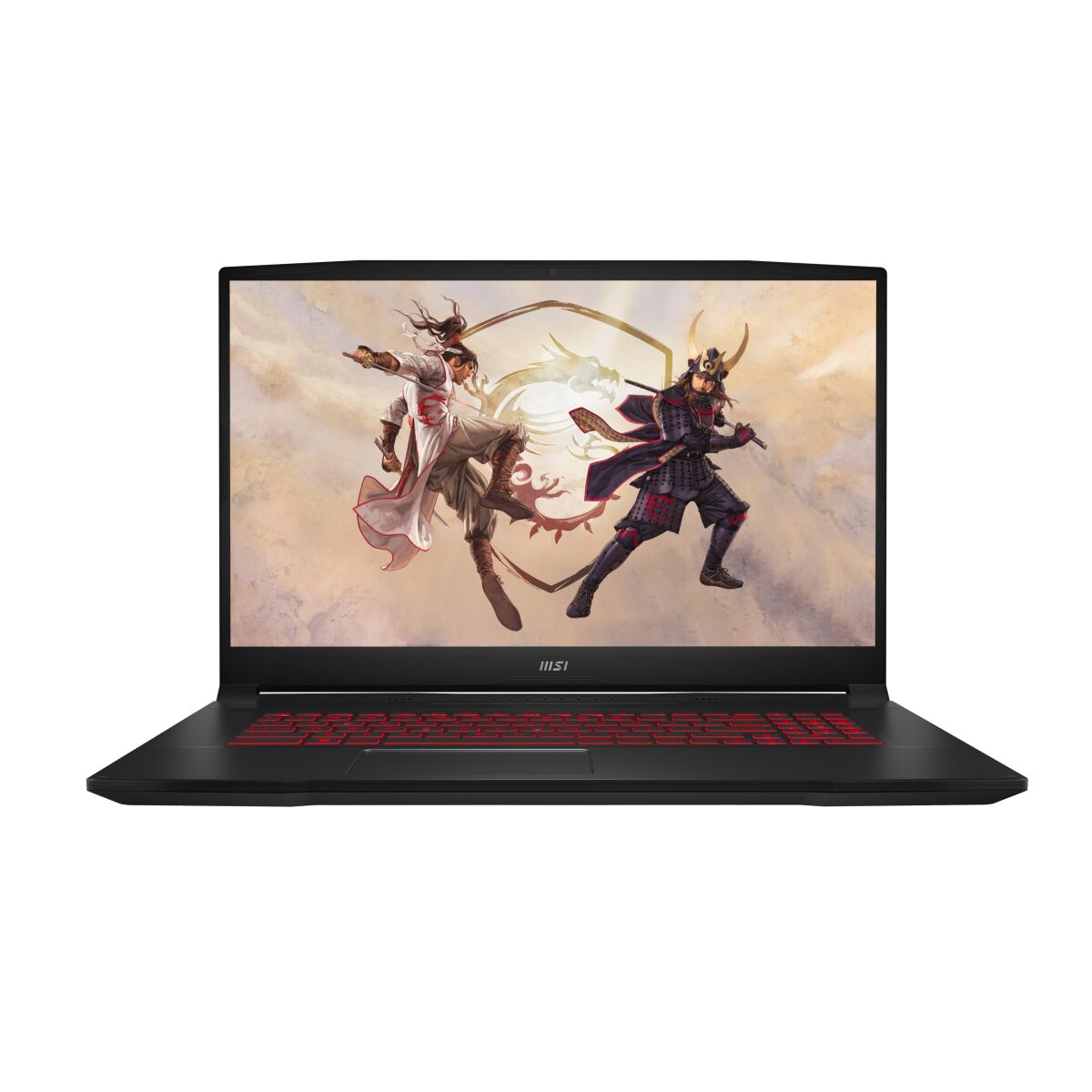
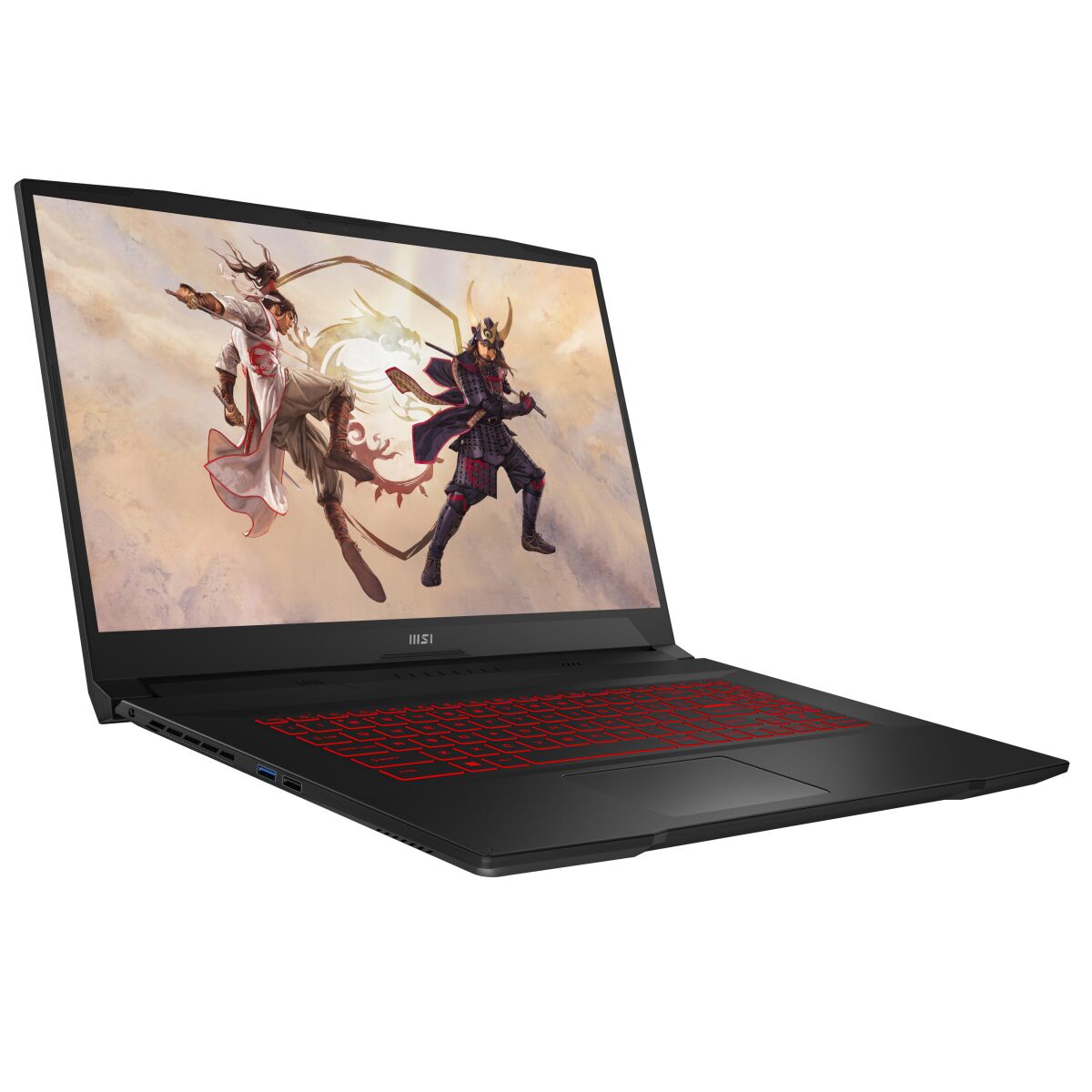
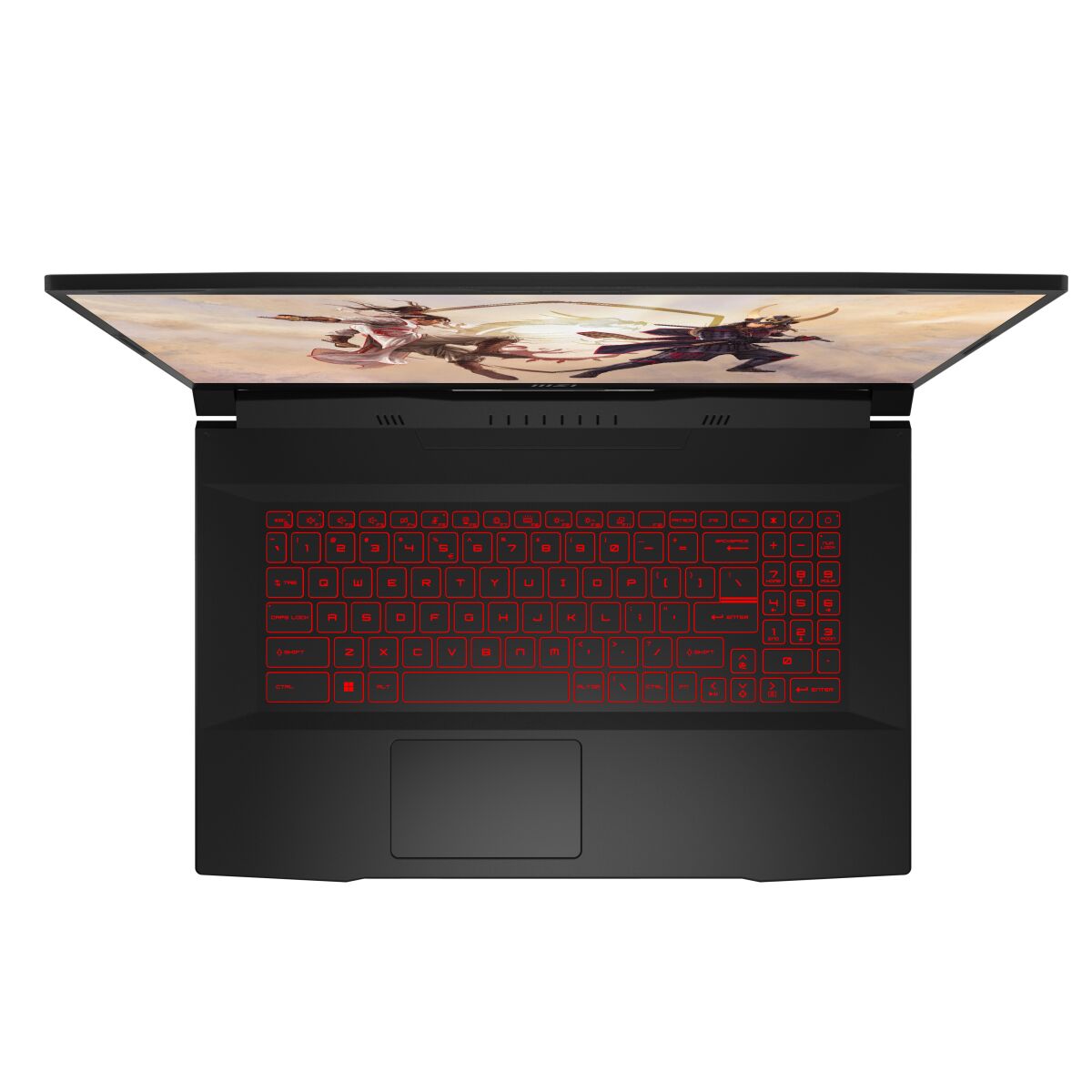
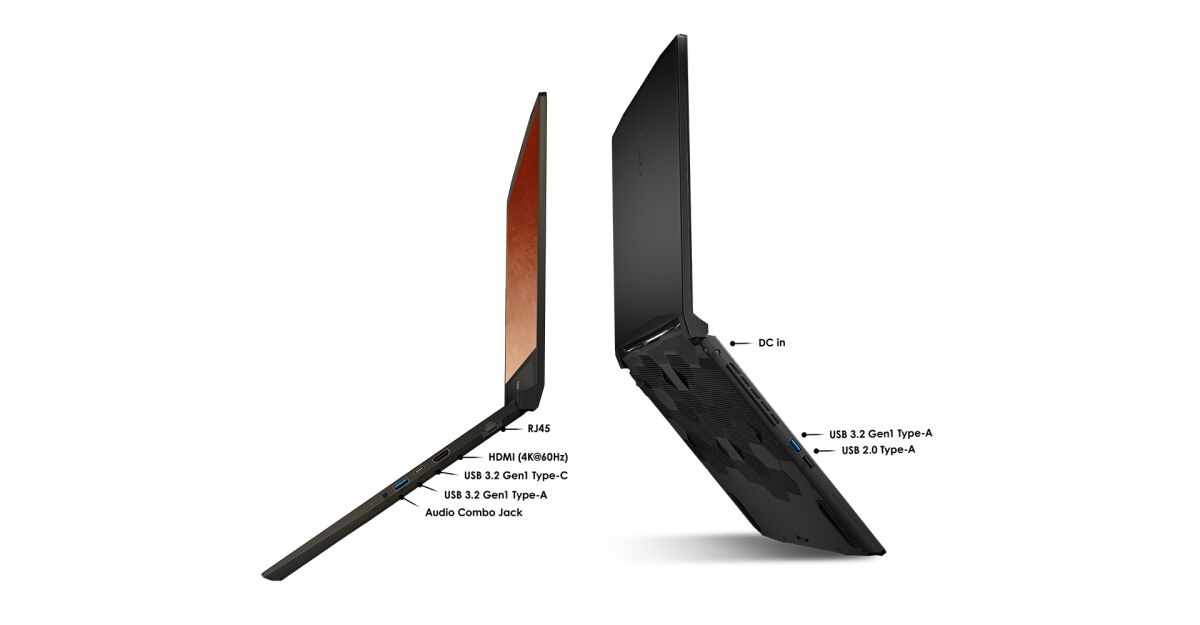
The MSI GF76 12UD-035ES Katana gaming laptop features DDR4-SDRAM memory specifications with two SO-DIMM slots supporting maximum capacity of 64 GB. The RAM upgrade supports frequencies up to 3200 MHz. Compatible memory modules must utilize the SO-DIMM form factor for proper installation. Specifications indicate the GF series Katana model accommodates memory expansion through its dual-slot architecture, enabling users to upgrade from factory-installed configurations to the maximum 64 GB capacity. Upgrade compatibility requires DDR4-SDRAM technology adherence across both memory slots.
Memory Upgrade Specifications
| Specification | Value |
|---|---|
| Memory slots | 2x SO-DIMM |
| Form factor | SO-DIMM |
| Memory type | DDR4-SDRAM |
| Frequency | 3200 MHz |
| Maximum RAM | 64 GB |
| Voltage | 1.2V |
| Number of pins | 260-pin |
| Interface | PC4 |
| PC Speed Rating | PC4-3200 (PC4-25600) |
| Bandwidth | 25.6 GB/s |
| Laptop Release date | 23 February 2022 |
Additional Notes
- The MSI GF76 12UD-035ES Katana supports dual-channel memory architecture, which delivers double the theoretical bandwidth compared to single-module configurations when both SO-DIMM slots are populated with matched pairs.
- Desktop-standard DIMM modules are physically incompatible with this system, as the SO-DIMM form factor measures 67.6 mm in length versus the 133.35 mm length of standard DIMMs.
- The 3200 MHz specification represents DDR4-3200 or PC4-25600 memory, translating to 25.6 GB/s theoretical bandwidth per channel or 51.2 GB/s in dual-channel mode.
- Modules exceeding the 3200 MHz native frequency may physically install but will downclock to the chipset's maximum supported speed, potentially wasting the cost premium of higher-rated memory.
- The 64 GB maximum capacity requires 2 modules of 32 GB each, which mandates double-rank or quad-rank DRAM organization that can introduce minor latency penalties compared to single-rank configurations.
- DDR5 modules are electrically and physically incompatible due to different notch positioning, pin counts (260-pin DDR4 vs 262-pin DDR5), and voltage requirements.
- Mixed-capacity configurations, such as pairing a 16 GB module with an 8 GB module, will operate in flex mode where only the matched 16 GB portion runs in dual-channel while the remaining 8 GB operates in single-channel mode.
- Non-matching memory timings between modules may force both to run at the slower module's specifications, reducing effective performance below the rated 3200 MHz capability.
- ECC SO-DIMM modules with parity checking are typically incompatible with consumer gaming platforms that lack the required memory controller support.
- Voltage variations outside the DDR4 standard of 1.2V nominal operation, such as overclocking profiles requiring 1.35V or higher, may not function properly without BIOS support for XMP/DOCP profiles.