MSI Gaming GF76 12UGS-412BE Katana RAM upgrade specifications
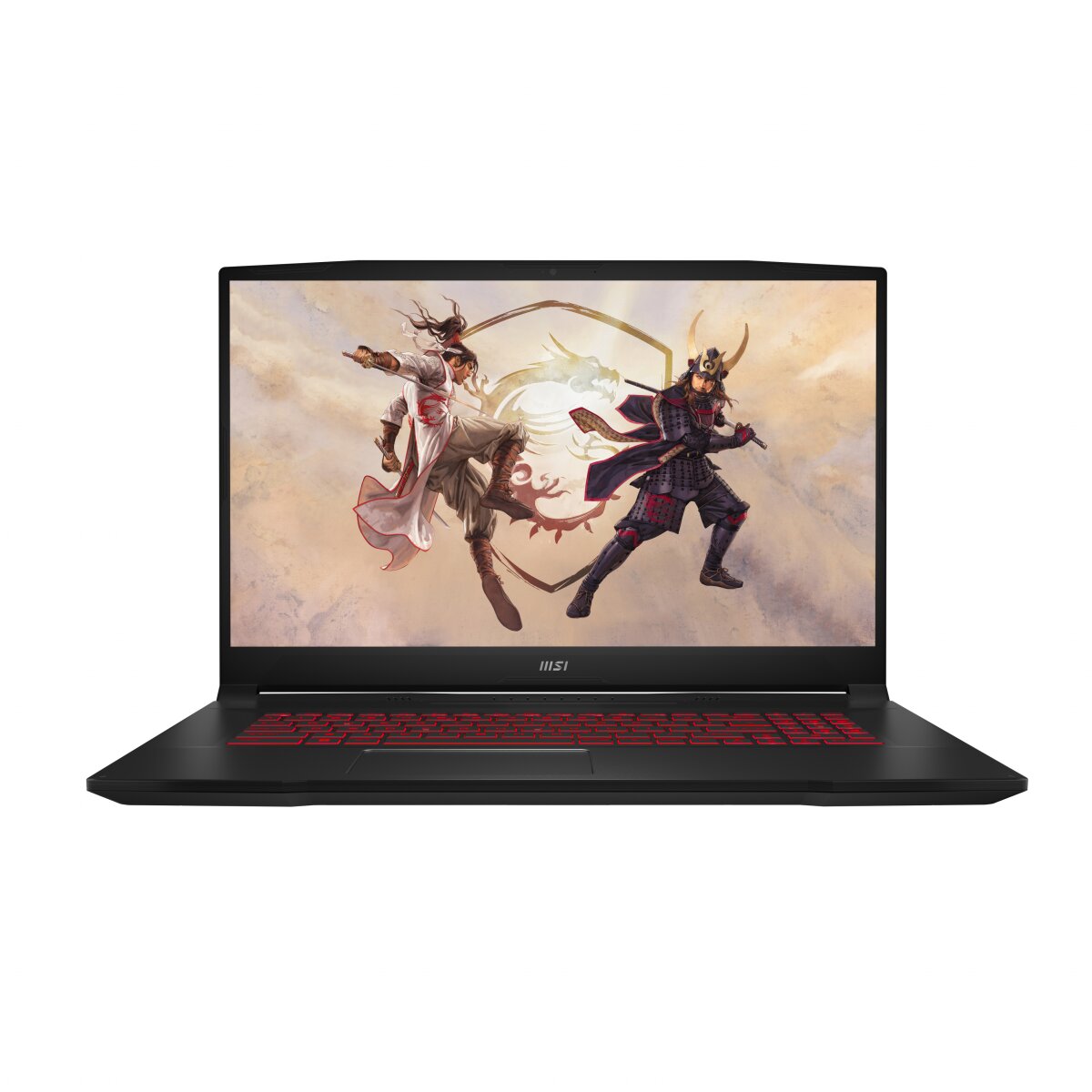
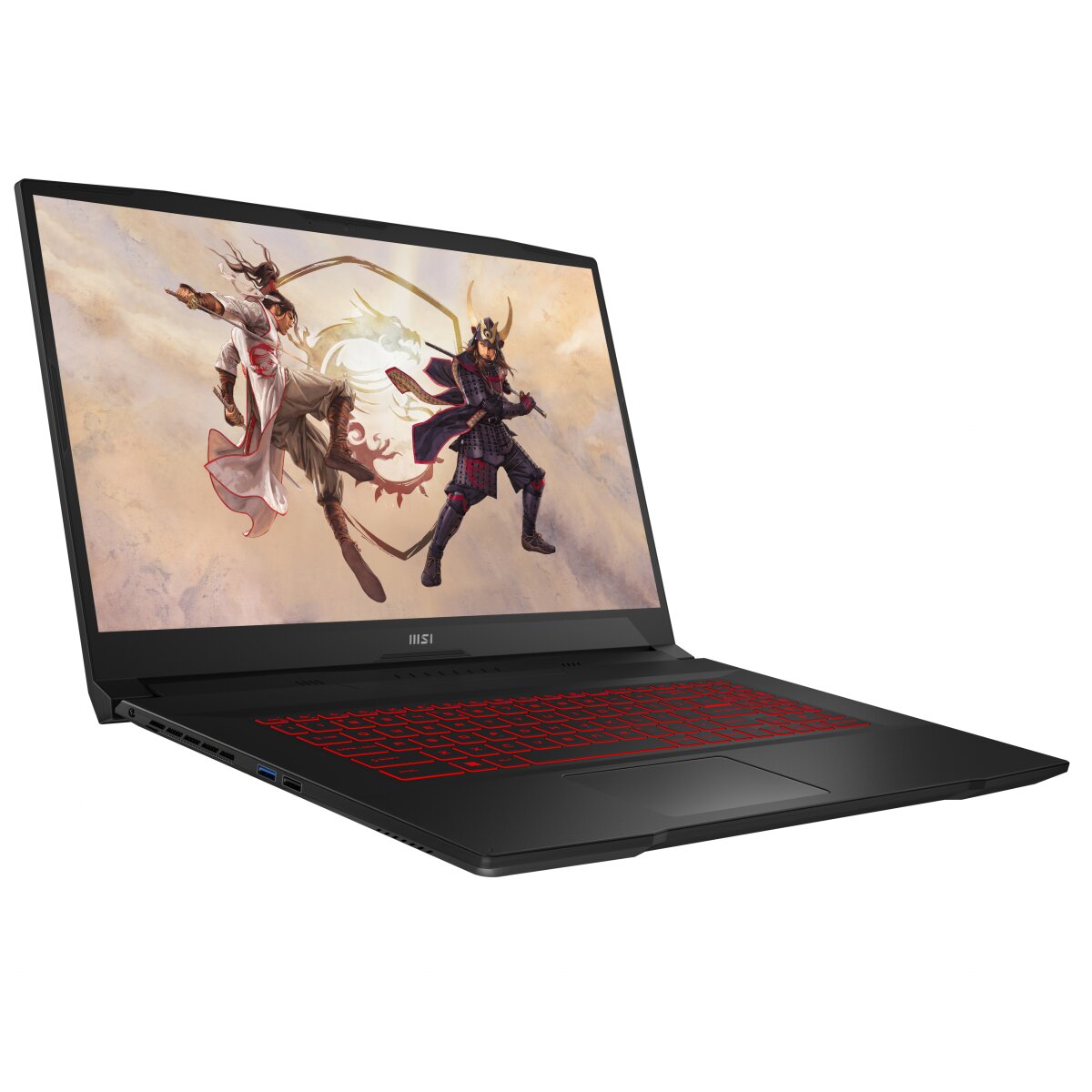
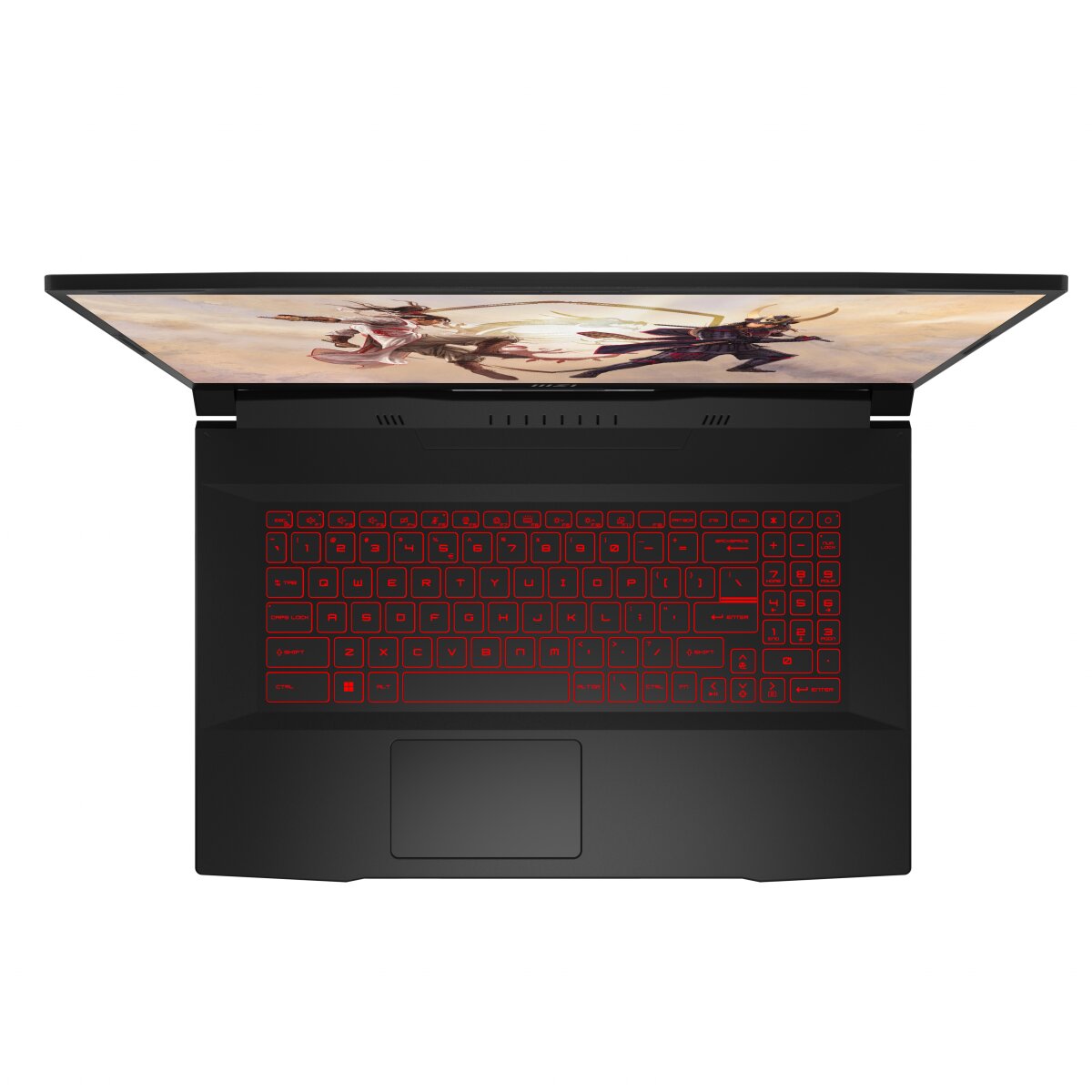
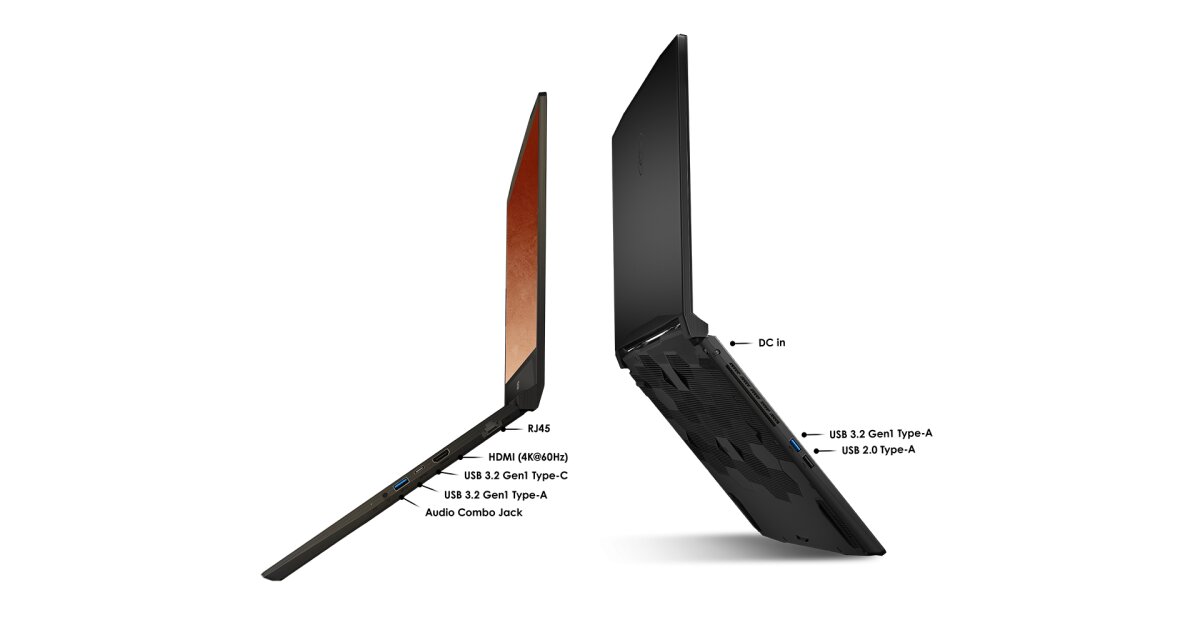
The MSI GF76 12UGS-412BE Katana gaming laptop features DDR4-SDRAM memory upgrade specifications with two SO-DIMM slots supporting maximum RAM capacity of 64 GB. Compatible memory modules operate at 3200 MHz frequency. The GF series Katana model accommodates SO-DIMM form factor upgrades, enabling expansion of system memory to enhance multitasking and performance capabilities. Maximum supported capacity per slot is 32 GB, providing flexibility for memory configuration adjustments on the MSI Gaming GF family platform.
Memory Upgrade Specifications
| Specification | Value |
|---|---|
| Memory slots | 2x SO-DIMM |
| Form factor | SO-DIMM |
| Memory type | DDR4-SDRAM |
| Frequency | 3200 MHz |
| Maximum RAM | 64 GB |
| Voltage | 1.2V |
| Number of pins | 260-pin |
| Interface | PC4 |
| PC Speed Rating | PC4-3200 (PC4-25600) |
| Bandwidth | 25.6 GB/s |
| Laptop Release date | 28 February 2022 |
Additional Notes
- The MSI GF76 12UGS-412BE Katana uses laptop-class SO-DIMM modules rather than desktop DIMM form factors, requiring replacement modules to match this compact 67.6 mm length specification for physical fit within the chassis.
- DDR4-3200 memory operates at a fixed frequency that cannot be overclocked within BIOS, limiting performance scaling options beyond replacing modules with higher-rated DDR4 variants that may downclock to 3200 MHz compatibility.
- The 2-slot architecture means maximum capacity of 64 GB requires both slots to contain 32 GB modules, leaving no upgrade staging path; single-module replacement forces removal of existing memory to reach this ceiling.
- DDR4 memory availability is declining in retail channels as DDR5 production dominates, potentially extending lead times and increasing per-gigabyte costs for compatible SO-DIMM replacements sourced 2025 onward.
- Installation of SO-DIMM modules requires accessing the bottom panel or keyboard assembly depending on slot location, introducing risk of voiding warranty if manufacturer-specified access procedures are not followed precisely.
- Memory bandwidth capacity maxes at approximately 51.2 GB/s under DDR4-3200 specifications, creating a potential bottleneck for GPU-intensive gaming workloads when paired with higher-tier discrete graphics processors requiring >64 GB/s memory throughput.